What construction features distinguish outdoor-style tanto from ceremonial or display-oriented tanto
Updated Feb 2026
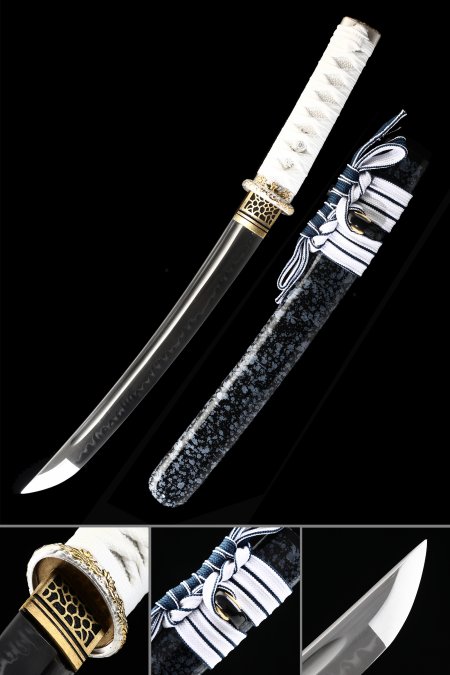
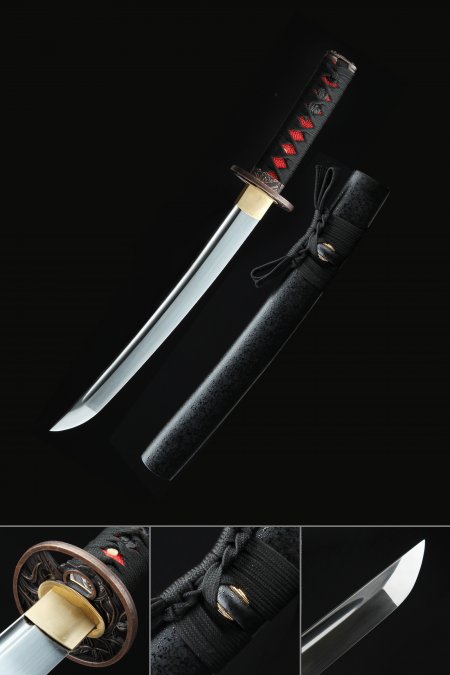
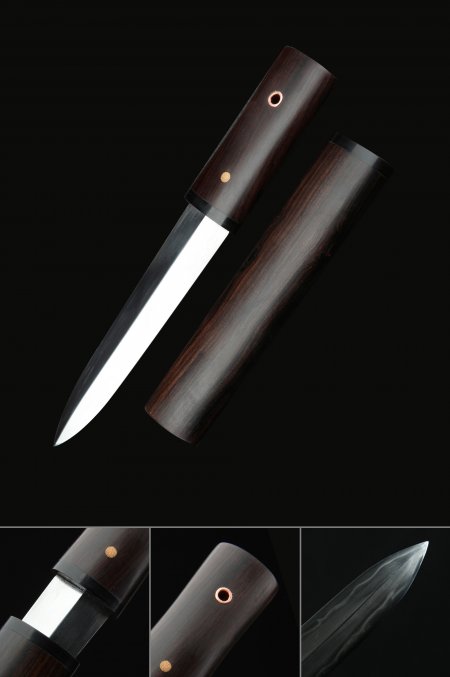
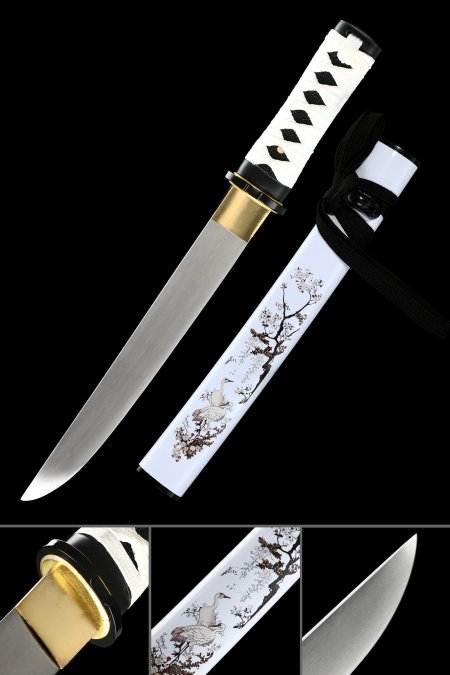
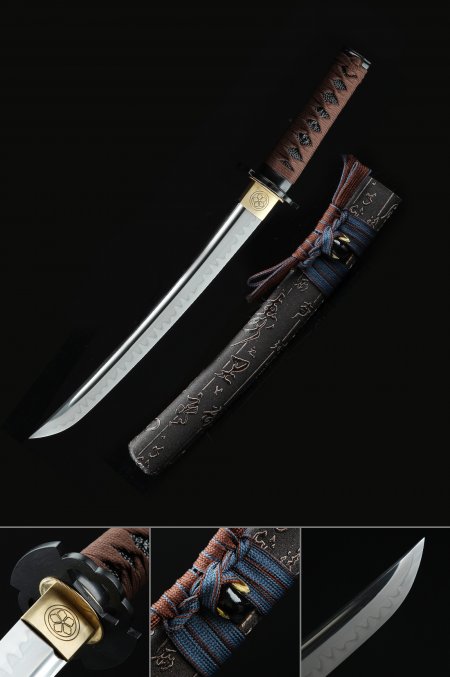
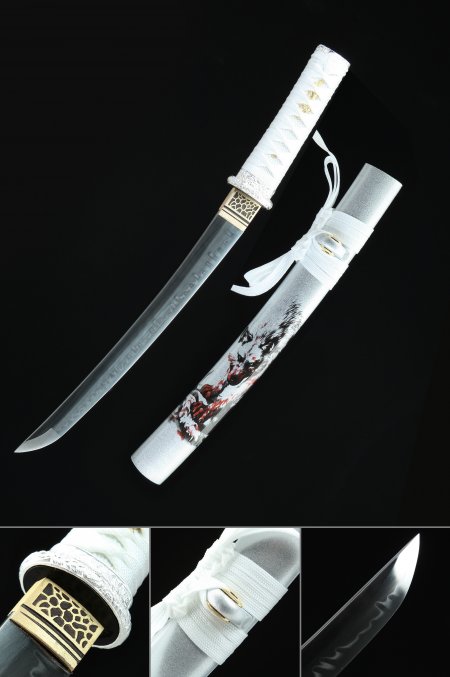
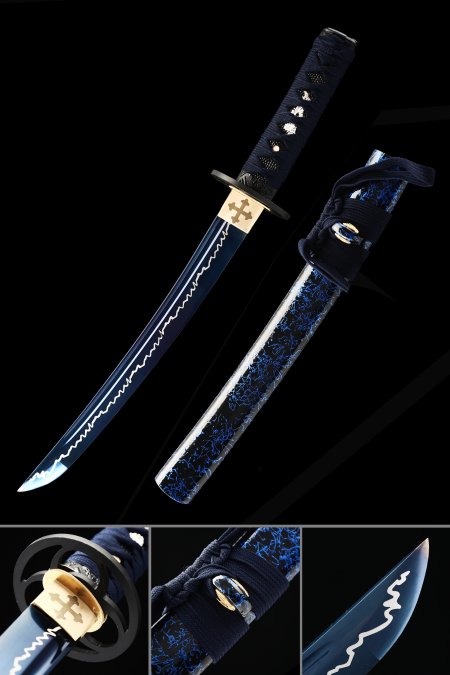
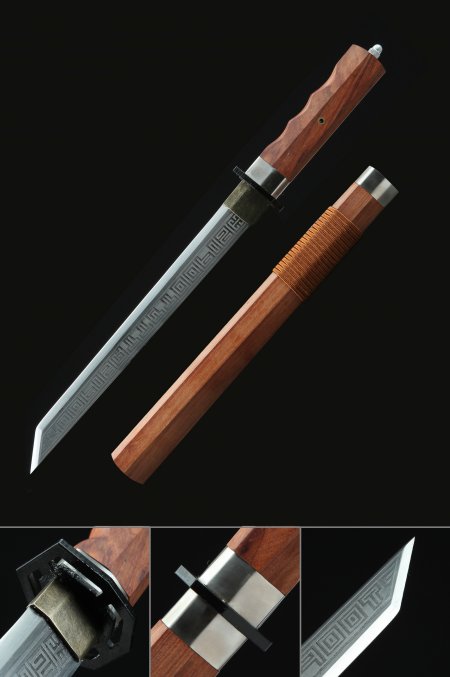
Outdoor-style tanto typically feature several construction differences that reflect their practical heritage. The blade spine is often thicker than ceremonial tanto, providing greater structural robustness for demanding use. The grind geometry tends toward a more obtuse angle, creating a more durable edge that resists chipping under stress rather than the acute angles optimized for clean ceremonial cuts. Fittings are simplified and more securely attached — where a ceremonial tanto might feature delicate menuki ornaments and intricate tsuba patterns, outdoor tanto favor sturdy iron fittings with minimal protrusions that could catch or break. The handle construction prioritizes grip security, sometimes using leather wrapping or deeply textured cord patterns rather than the elegant but smoother silk wrapping found on formal pieces. The scabbard construction similarly favors durability over refinement, with thicker walls and practical closure mechanisms.