Does the modern aesthetic compromise the traditional construction quality or blade performance in an
Updated Feb 2026
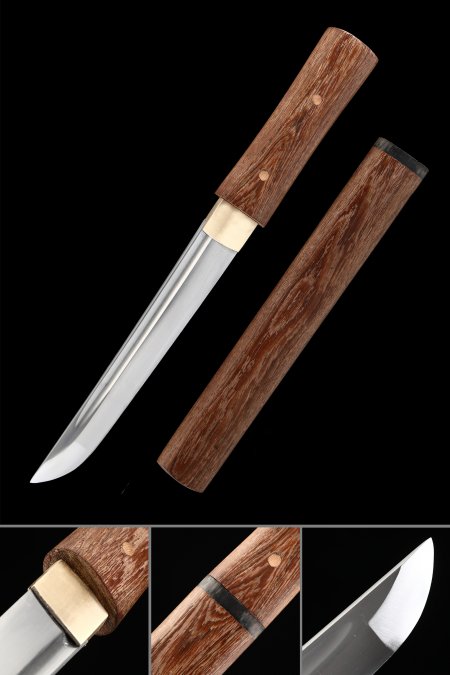
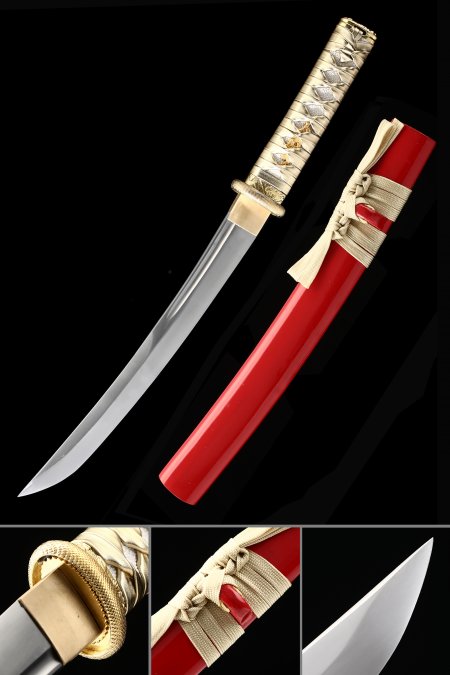
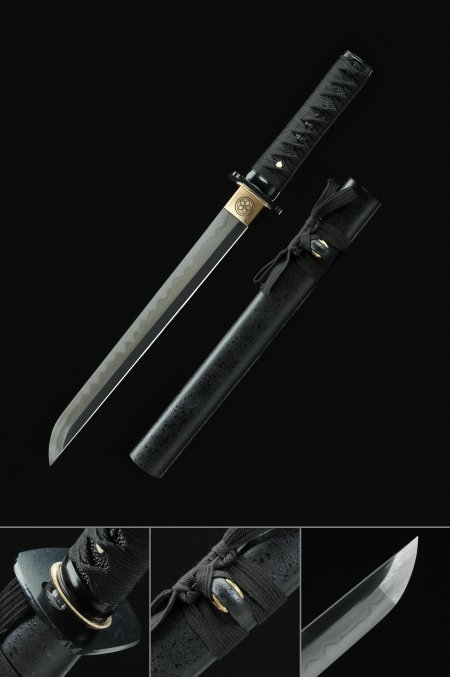
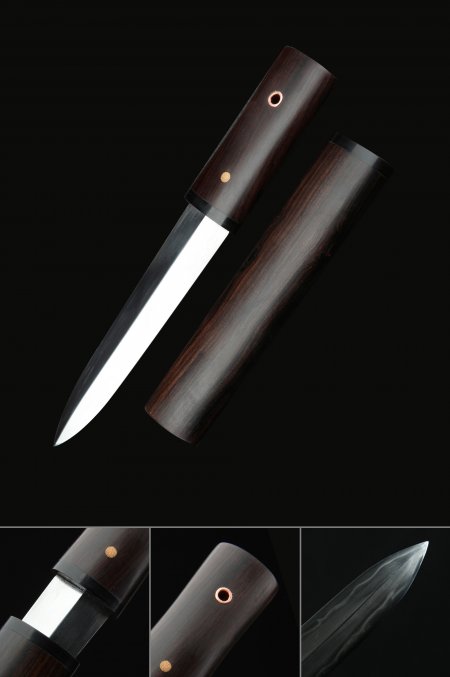
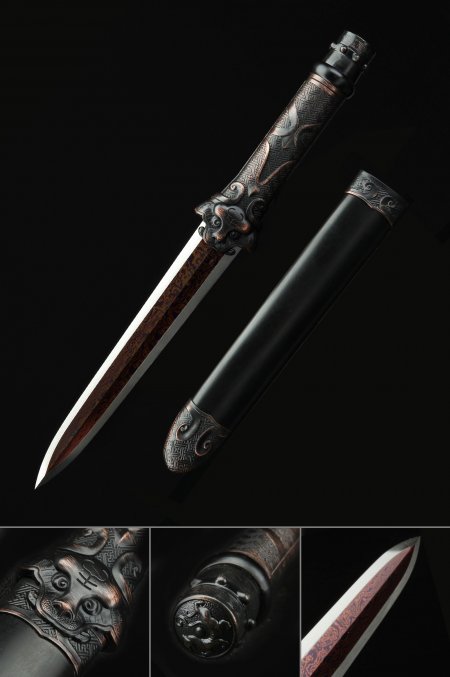
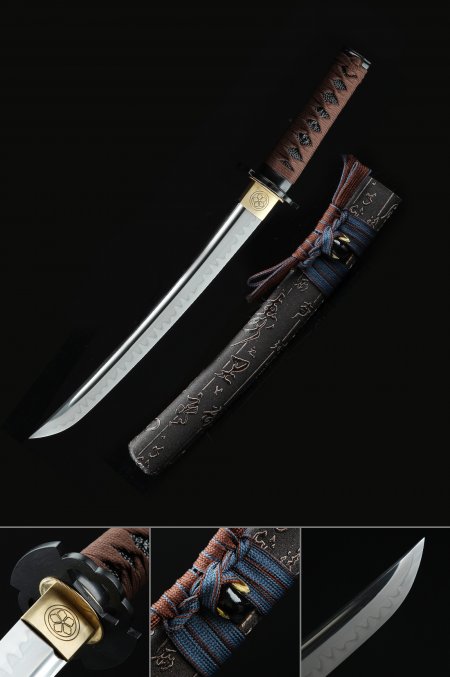
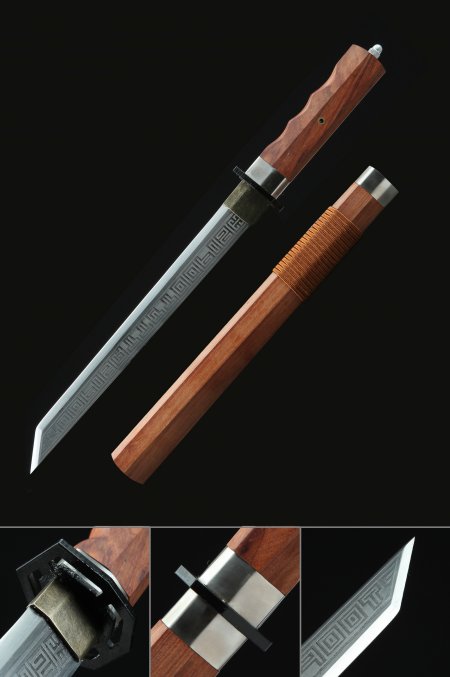
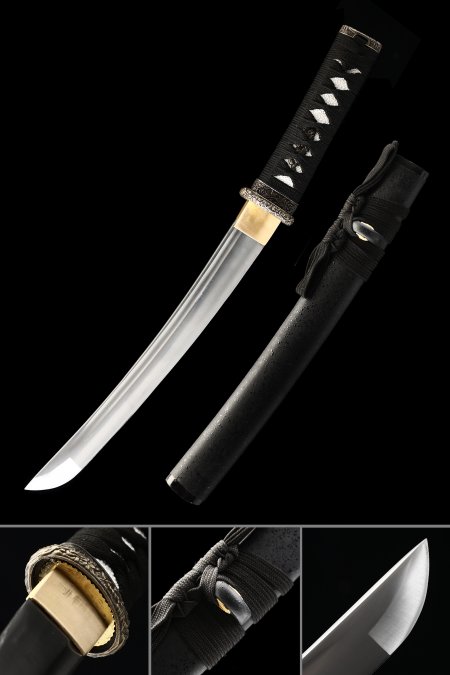
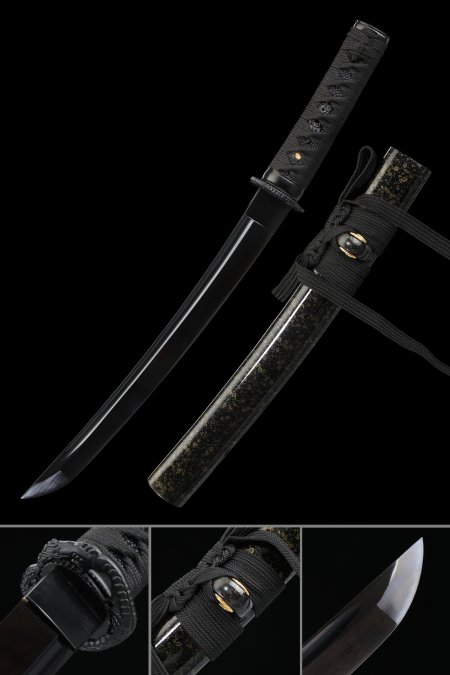
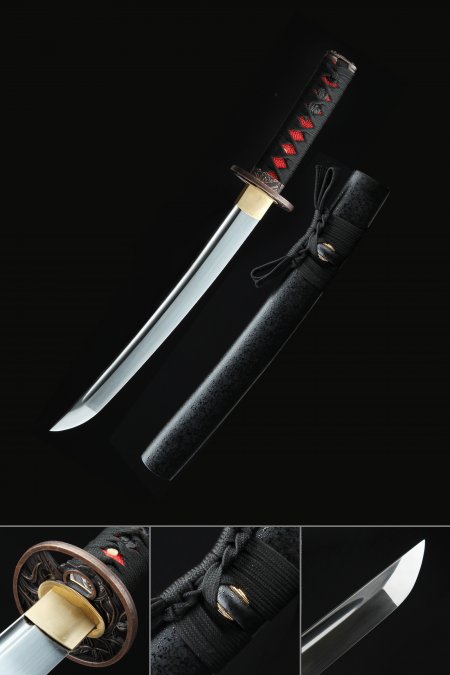
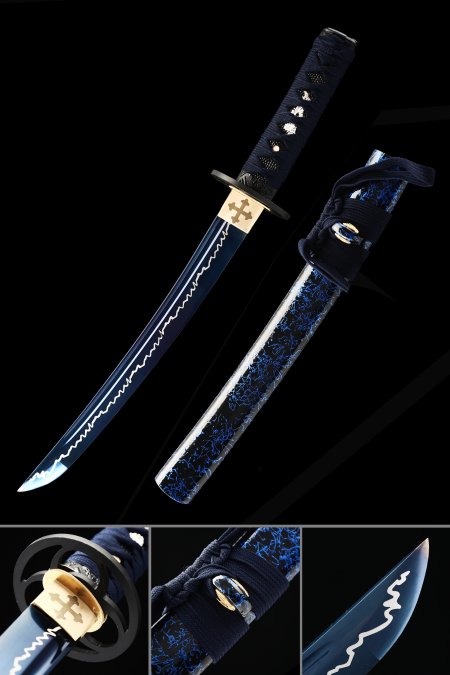
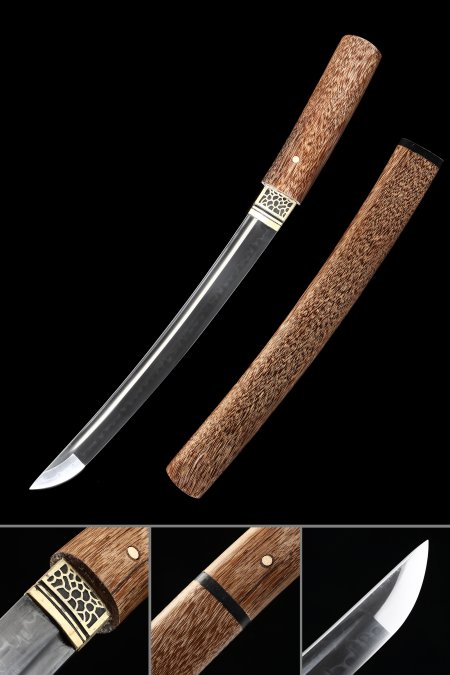
Not at all. The distinction between modern and traditional in this collection is purely aesthetic — it describes the visual design language, not the construction method. A modern Japanese tanto is forged from the same carbon steel grades, using the same hand-forging techniques, with the same full-tang construction as a traditional piece. The blade undergoes the same heat treatment and sharpening process. The tang extends fully through the handle and is secured with the same traditional mekugi pin system. What changes is the visual presentation of the components surrounding that identical construction foundation. Think of it as the difference between a modern house and a traditional Japanese house — both use proven structural engineering, but they express very different architectural aesthetics. The modern tanto applies contemporary design vocabulary to time-tested sword construction, giving collectors the option to match their blade collection to their broader aesthetic preferences.