What display arrangements work best for dragon ninjato to highlight both the mythological and ninja
Updated Feb 2026
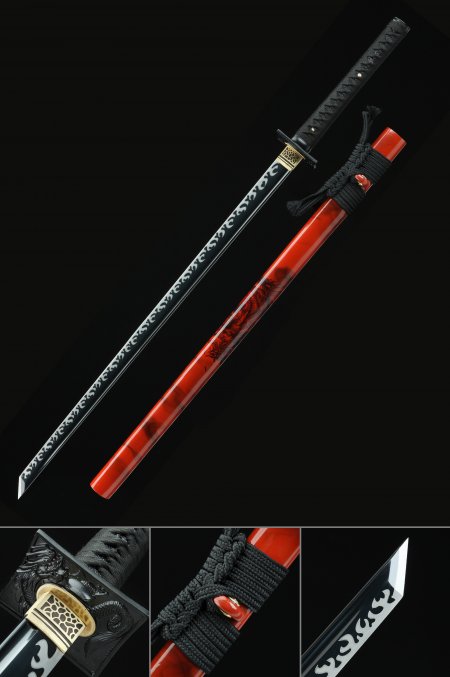
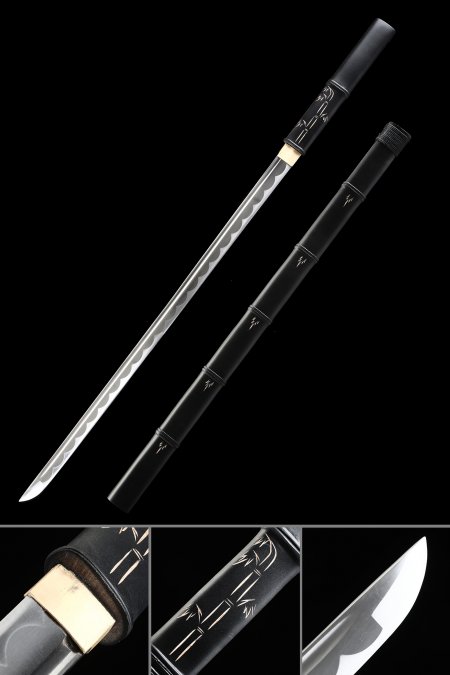
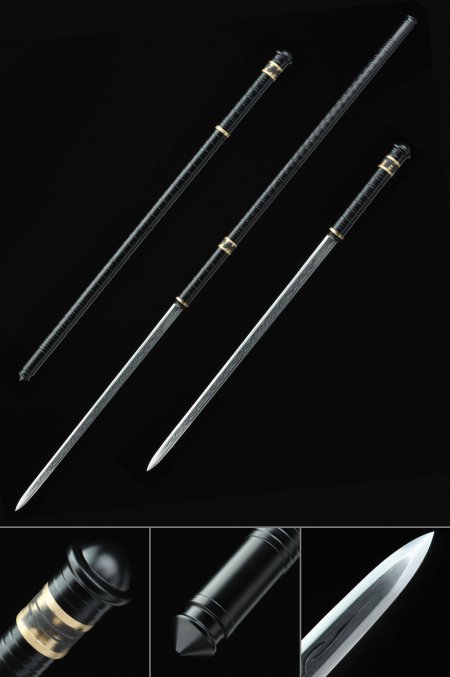
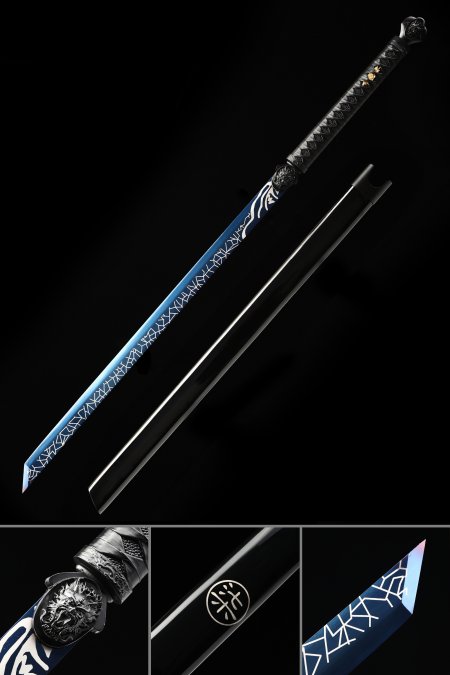
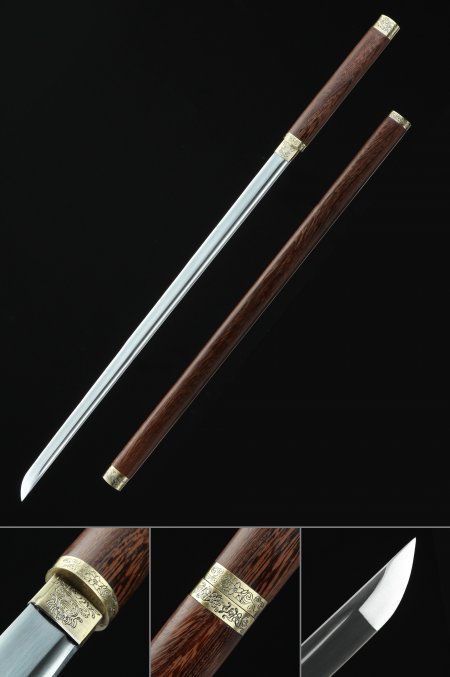
Effective display of dragon ninjato requires balancing two visual narratives: the mythological grandeur of dragon symbolism and the understated shadow aesthetic of the ninja tradition. The most successful approach positions the ninjato where both elements can be appreciated at different viewing distances. From across the room, the overall dark profile and straight geometry communicate the ninja aesthetic. As viewers approach, the dragon details on the tsuba and fittings reveal themselves, creating a discovery experience that mirrors the hidden-power theme of both dragon symbolism and ninja tradition. Directional lighting supports this layered reading — overhead or side lighting creates shadows that accentuate the sculpted dragon forms on the fittings while maintaining the overall dark silhouette. For multi-piece displays, positioning the dragon ninjato alongside a dragon katana creates a compelling comparison of how the same mythological motif expresses across different blade traditions: elaborate and commanding on the katana, subtle and powerful on the ninjato. Background choice matters: dark backgrounds unify the ninjato’s shadow aesthetic, while the dragon details benefit from slightly lighter surfaces that provide contrast for the sculpted forms to read against.