Which traditional Japanese fittings and materials complement 1095 steel most authentically?
Updated Feb 2026
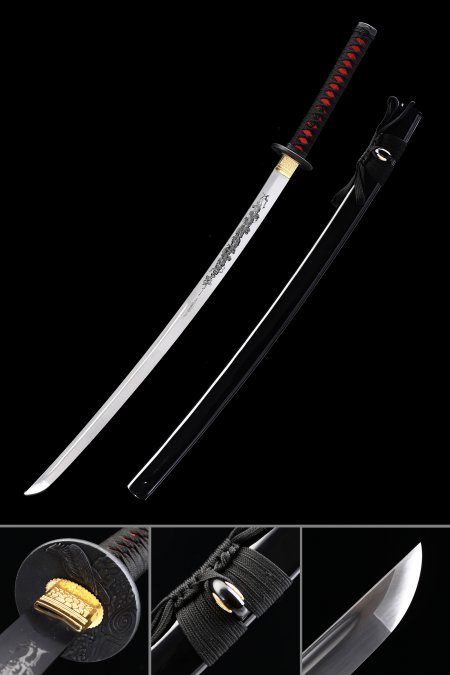
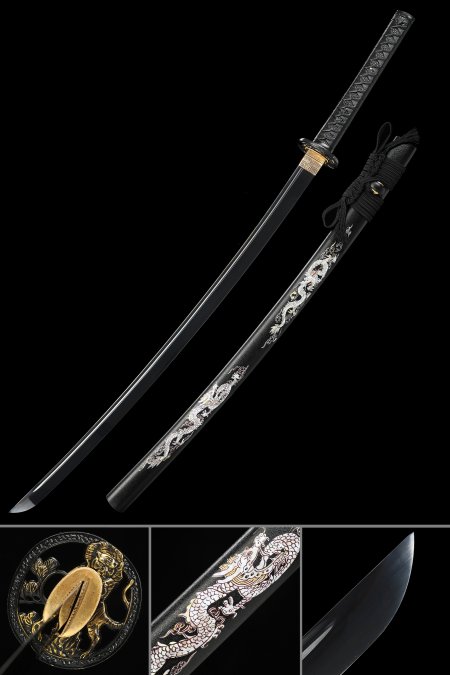
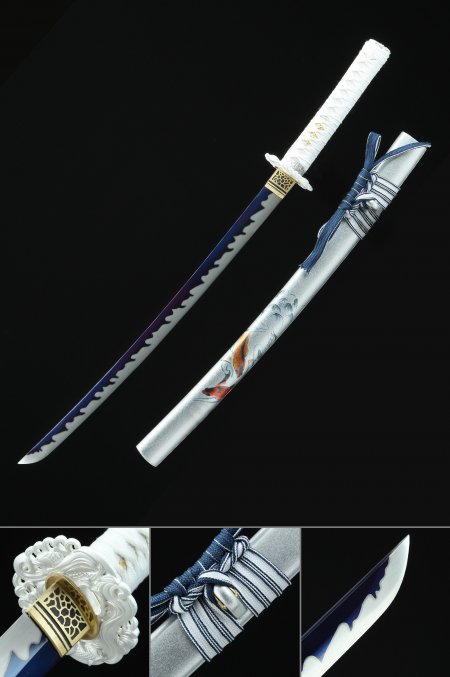
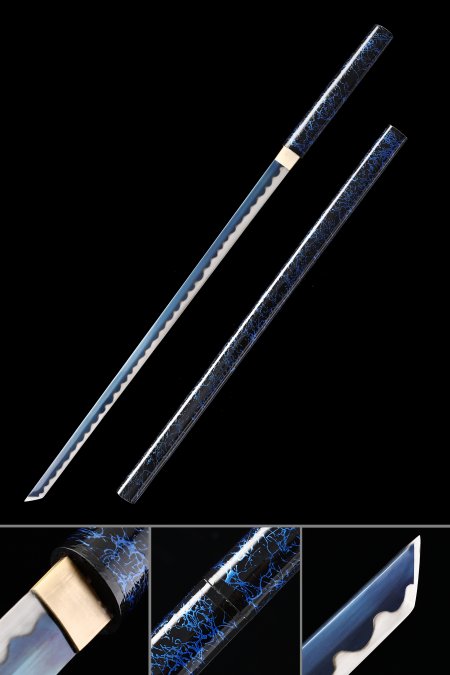
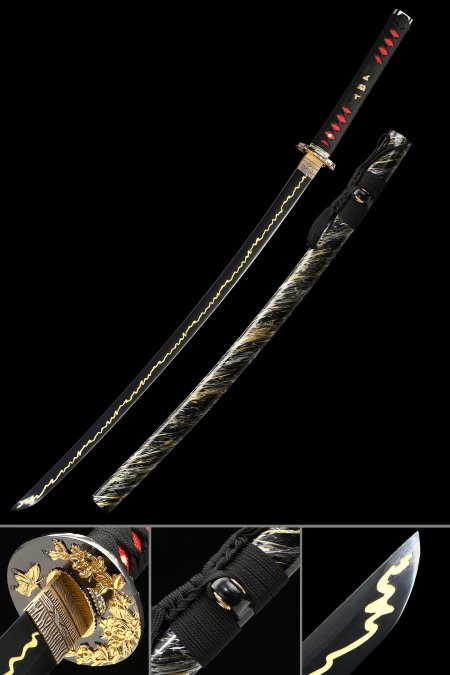
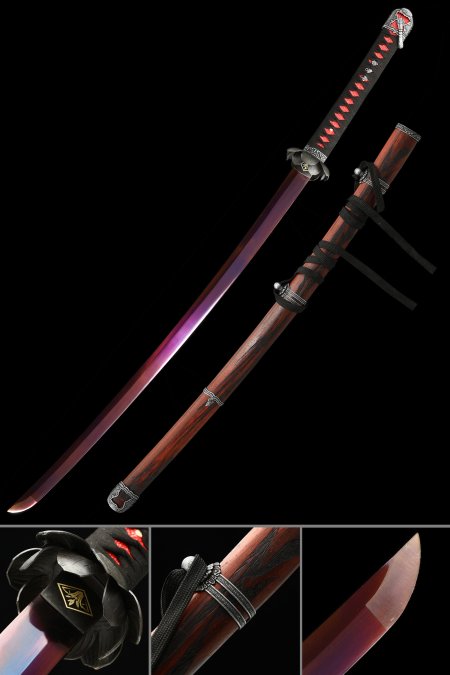
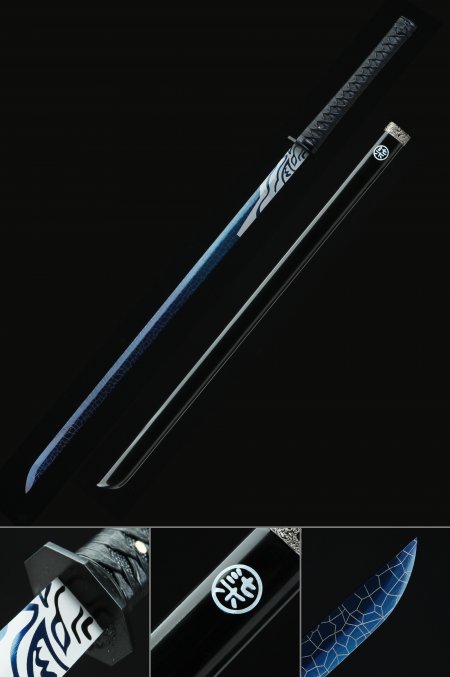
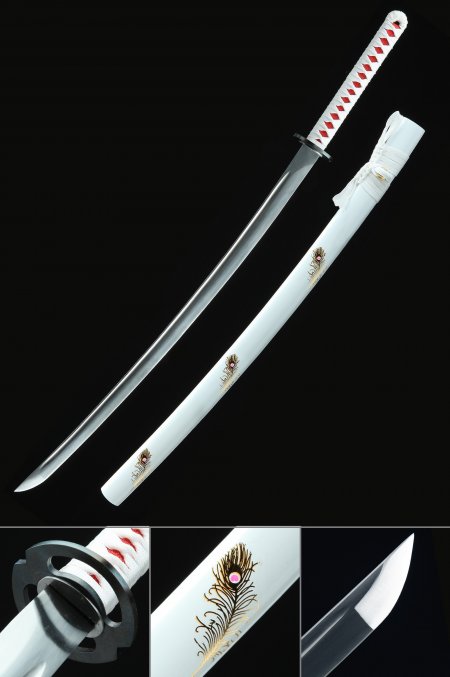
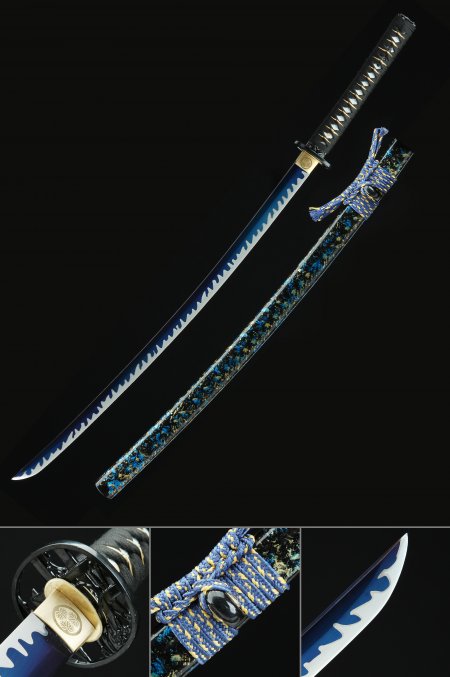
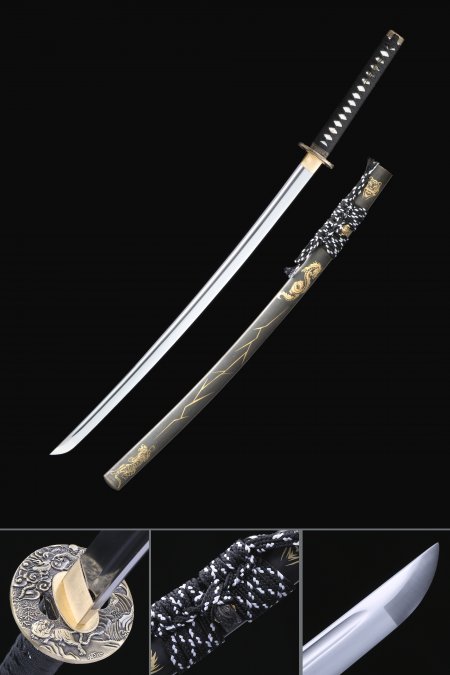
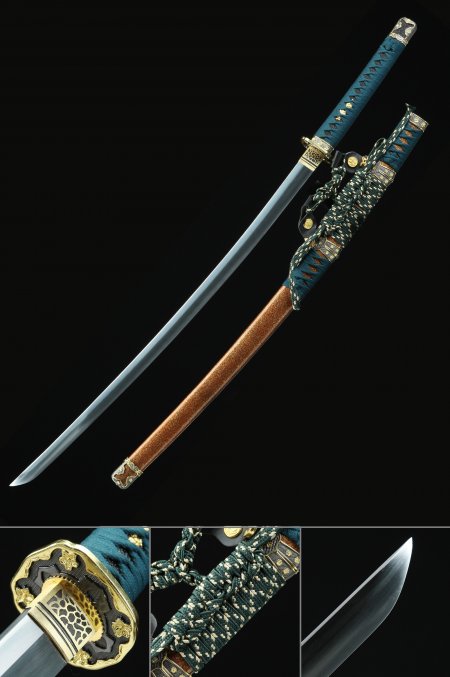
For the most authentic traditional presentation on 1095 Japanese katana, the fittings hierarchy follows established Japanese conventions that prioritize natural materials and artisan metalwork. The tsuba guard should be iron or copper alloy with designs drawn from classical Japanese motifs — nature scenes, geometric patterns, or family crest designs that were standard throughout the Edo period. The handle wrapping ideally uses genuine ray skin underneath with silk cord in traditional wrapping patterns like tsumami-maki, with the ray skin’s natural nodular texture providing both grip security and visual authenticity. Menuki ornaments beneath the cord follow classical themes: dragons, bamboo, cherry blossoms, or cranes are all historically documented and contextually appropriate. The habaki blade collar and fuchi-kashira end caps should be in copper alloy with hand-finishing visible on close examination. The saya scabbard in traditional presentation uses lacquered hardwood, with natural or black lacquer being the most universally appropriate finishes. These material choices are not merely decorative — they represent the same specifications that historical Japanese swords used, creating a cohesive package where premium 1095 steel is framed within the authentic material language of the tradition.