How does sharpening technique differ between straight ninjato blades and curved katana blades in pra
Updated Feb 2026
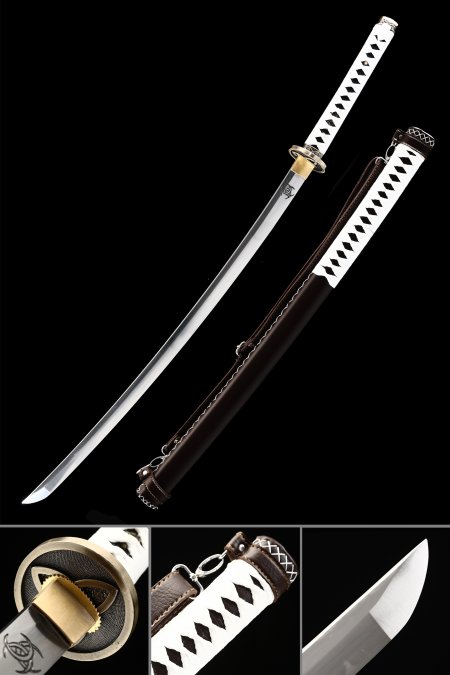
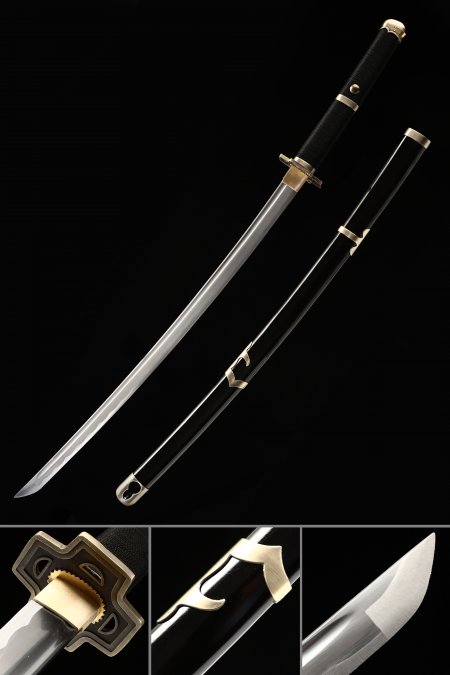
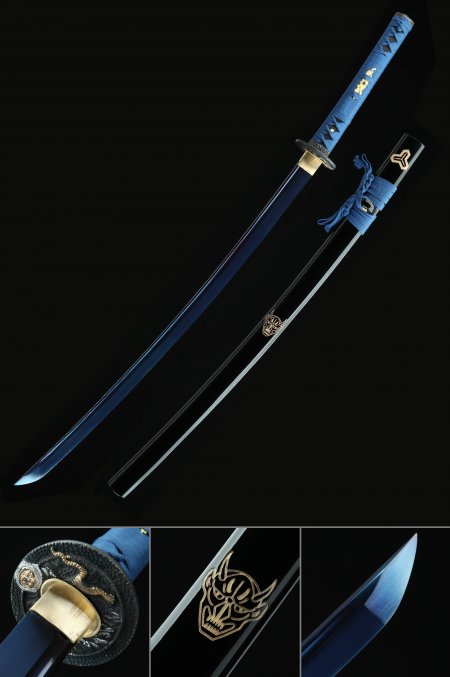
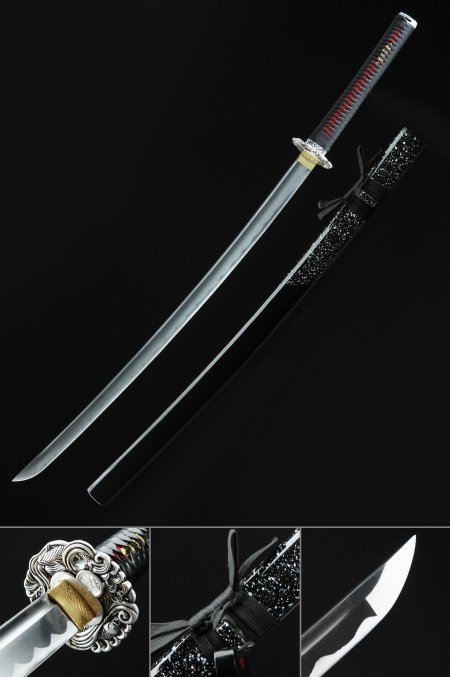
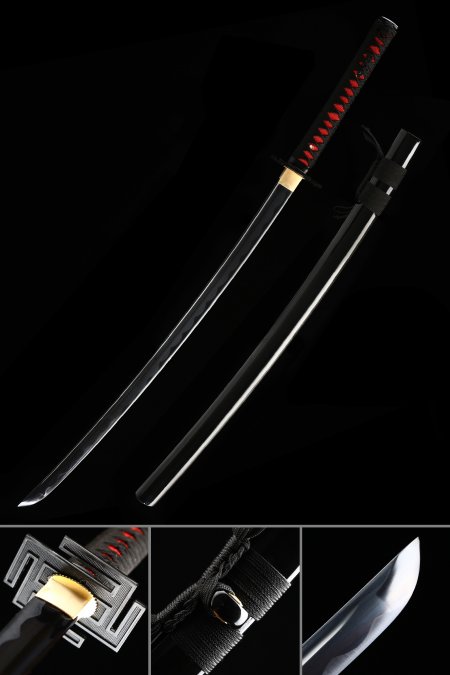
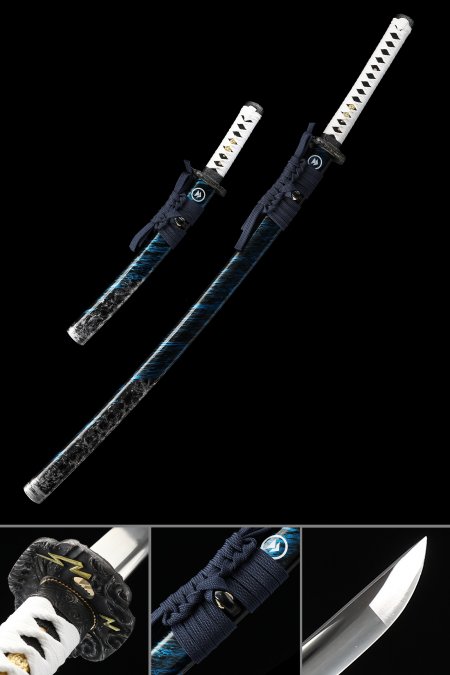
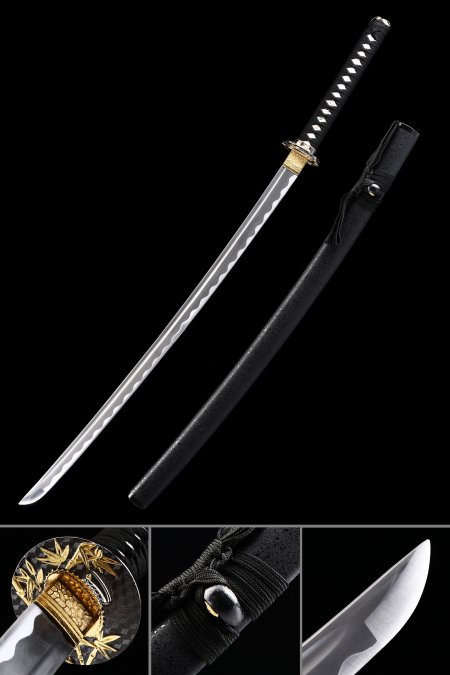
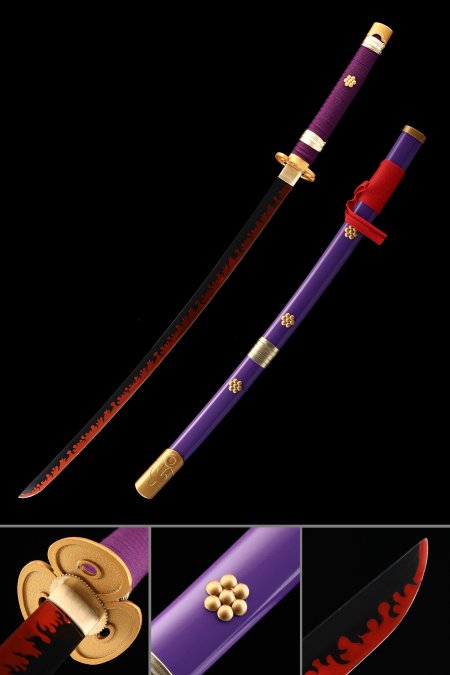
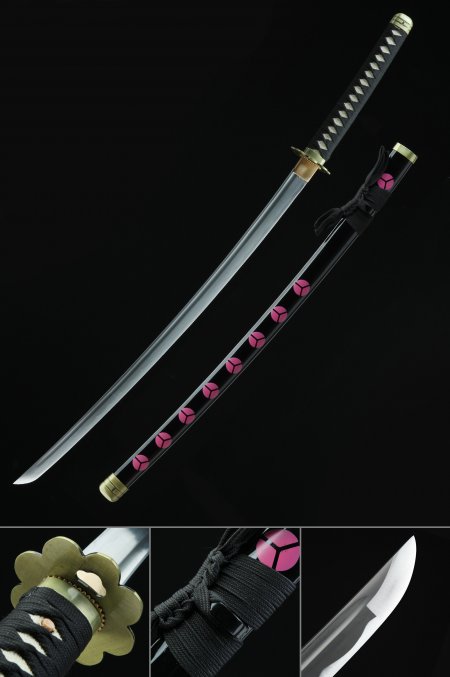
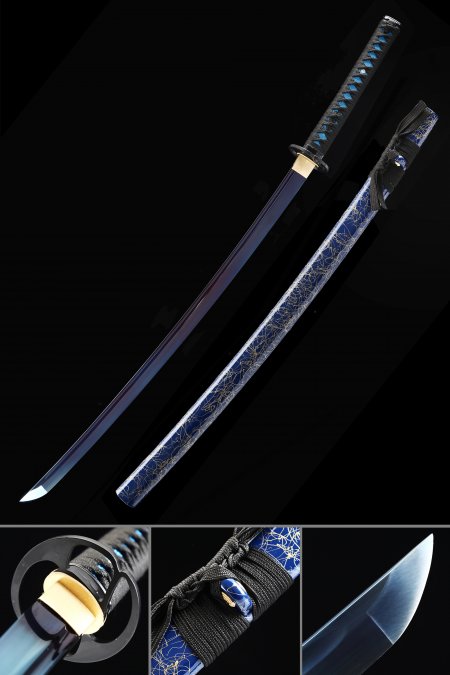
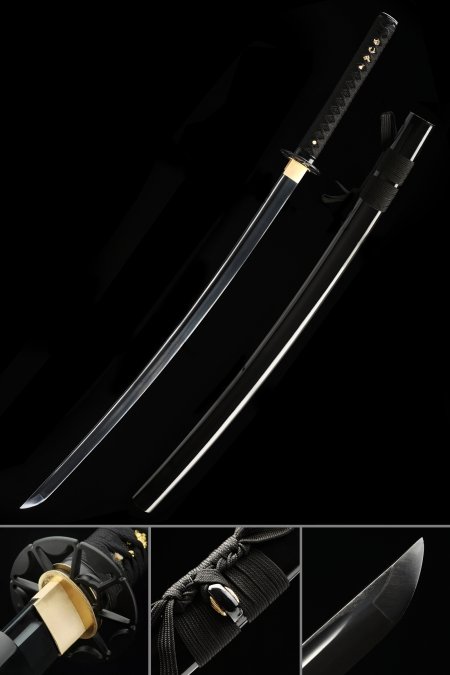
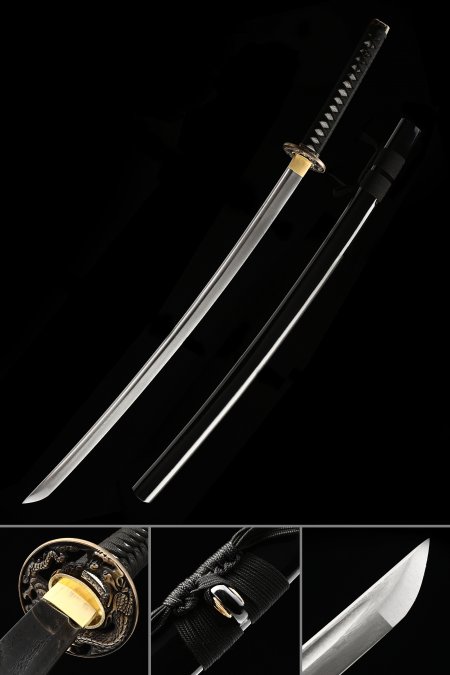
The fundamental difference lies in how the sharpener manages the blade’s geometry during the progressive grinding and polishing stages. On a curved katana, the natural arc means the sharpening angle subtly changes as the stone moves along the blade length, and the sharpener must continuously adjust their hand position and pressure to maintain consistent edge geometry through the curve. This requires experience and a developed feel for how the blade’s curvature interacts with the sharpening surface. On a straight ninjato, the sharpening angle remains constant from one end of the blade to the other, which might suggest that straight blades are easier to sharpen. In reality, the consistent geometry means that any imperfection in the sharpener’s technique is uniformly visible rather than hidden by curvature transitions. A straight blade displays its edge quality with complete transparency — every microscopic variation in angle or pressure leaves its mark along the entire edge line with nowhere to hide. This means a well-sharpened ninjato is actually a stronger demonstration of sharpening skill than an equivalent katana, because the straight geometry provides no forgiveness for inconsistency.