What is a hamon and why does it matter on a samurai sword?
Updated Feb 2026
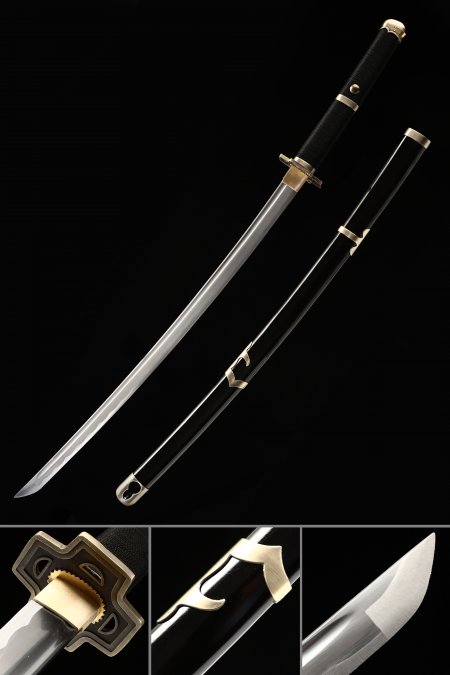
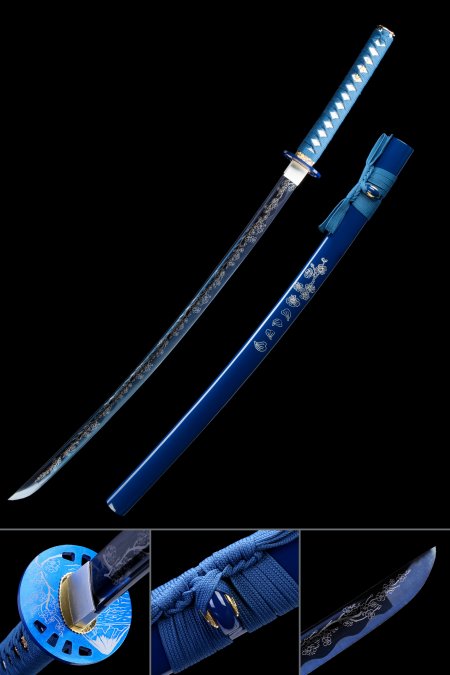
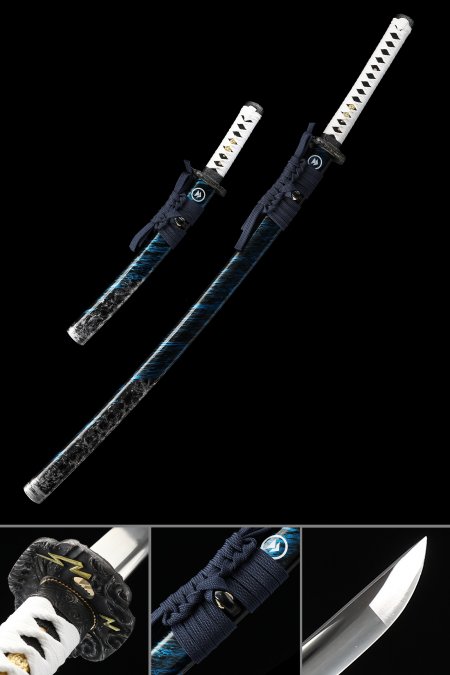
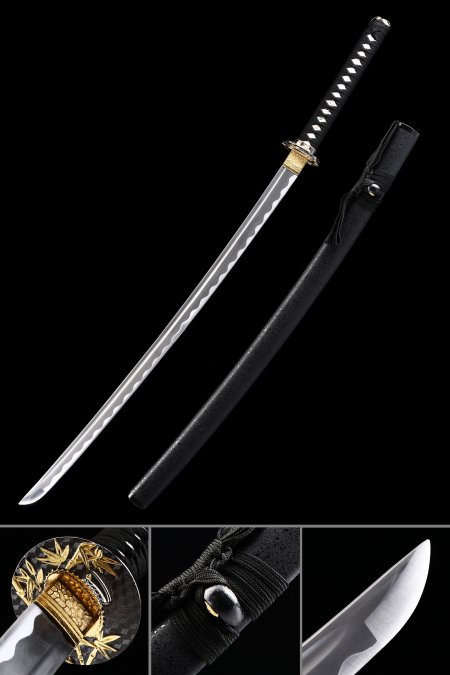
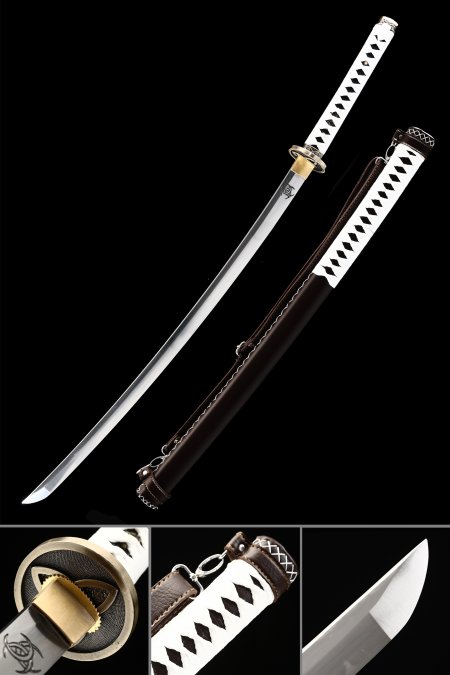
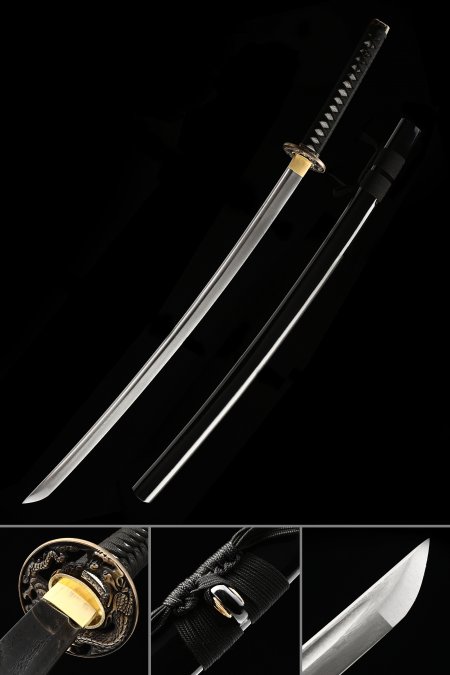
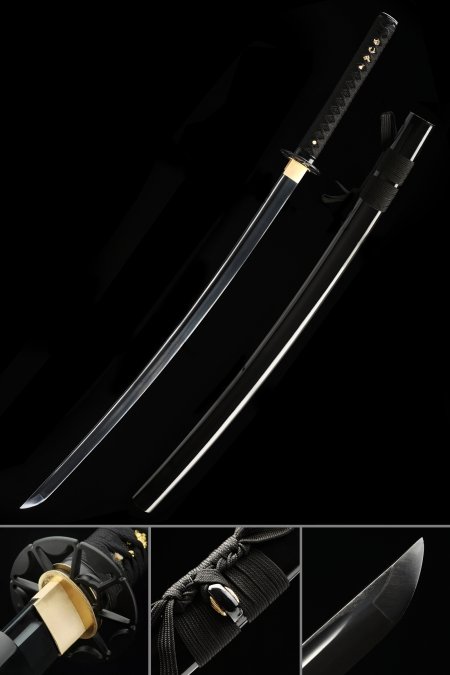
The hamon is the visible temper line that runs along the cutting edge of a traditionally forged samurai sword. It is created through differential clay tempering — the smith coats the blade with clay of varying thickness, then heats and quenches it. The thinly coated edge cools rapidly and hardens, while the thicker clay insulates the spine, allowing it to remain tough and flexible. The boundary between these two hardness zones appears as the hamon. Beyond its visual appeal, the hamon is a direct indicator of traditional forging technique and quality. Common hamon patterns include suguha (straight), notare (gentle waves), and choji (clove-shaped peaks). A well-defined hamon is one of the most valued features on a collectible samurai sword.