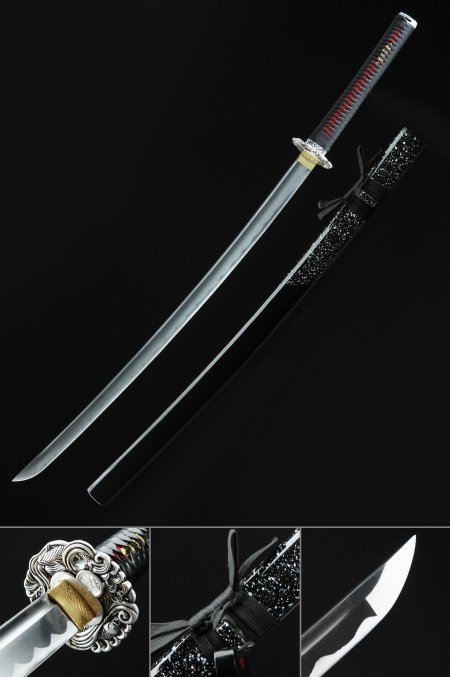
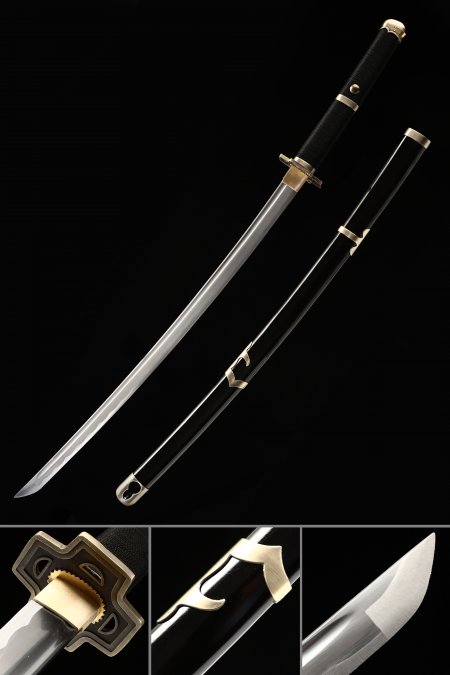
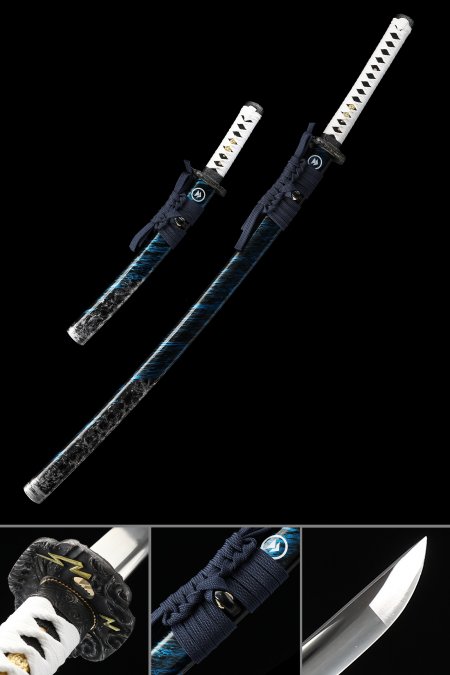
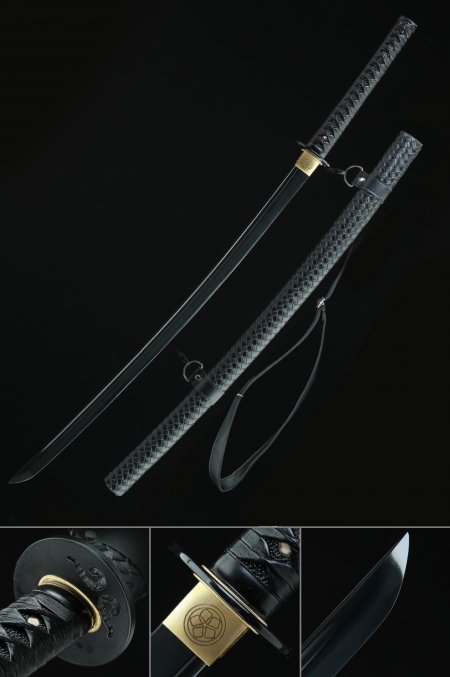
What does it mean for a katana to be clay-tempered, and why does it matter for authenticity?
Updated Feb 2026
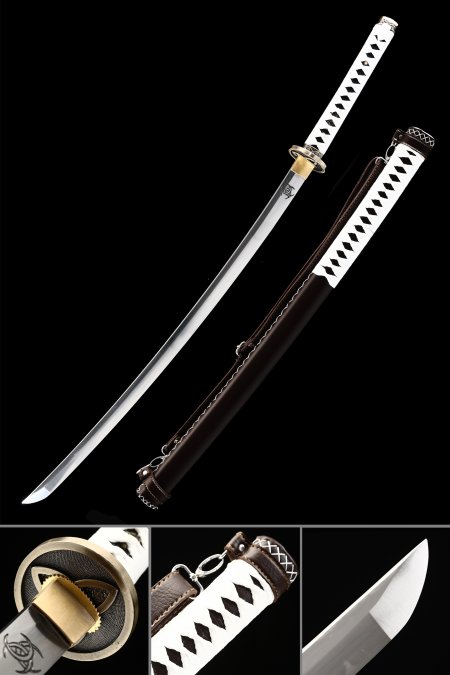
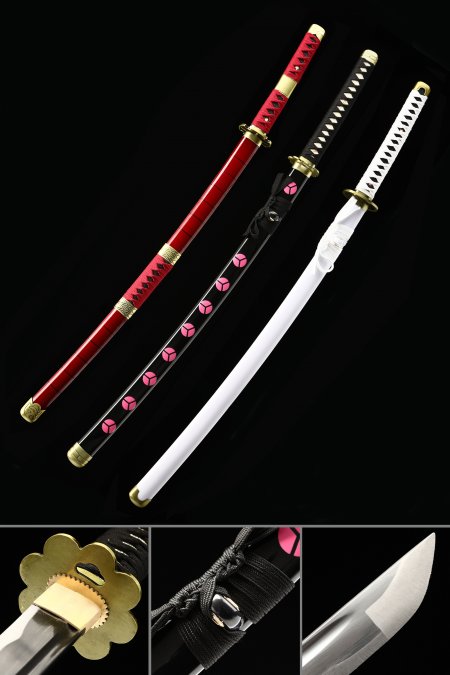
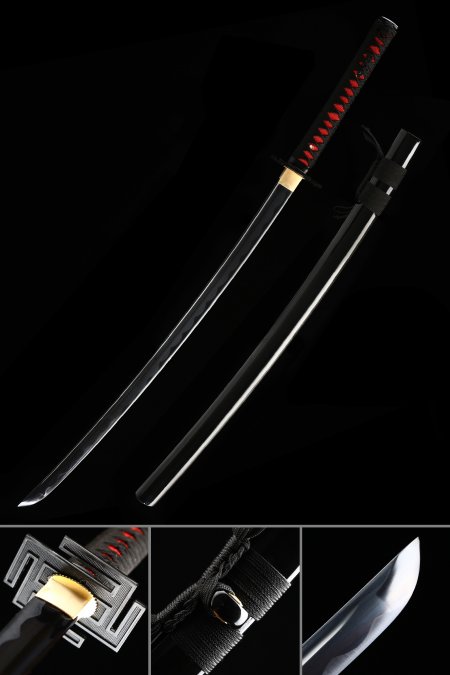
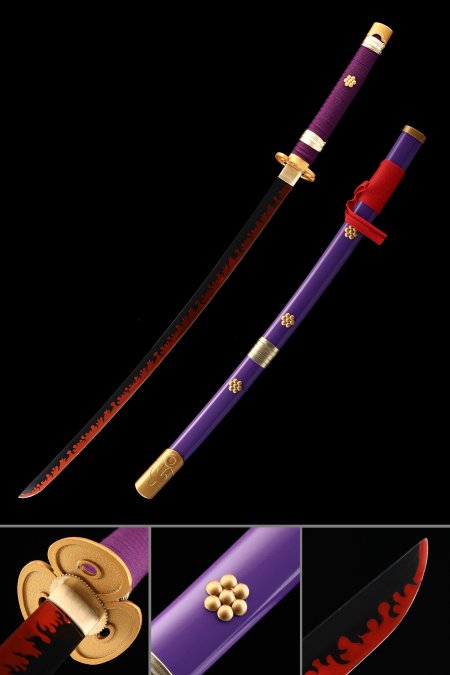
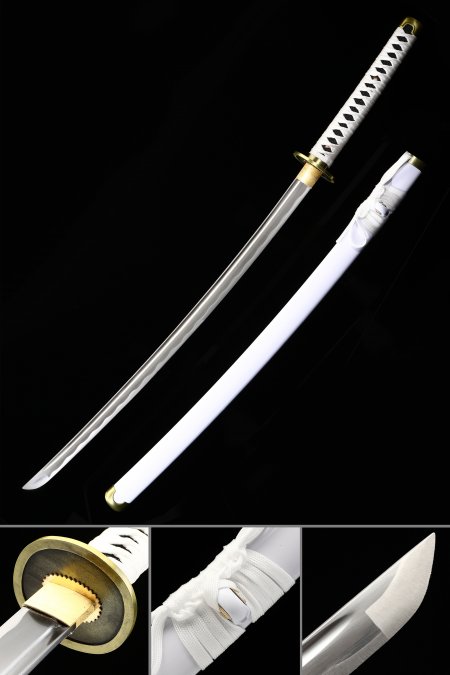
Clay tempering, known as tsuchioki in Japanese, is a differential hardening technique applied during the forging process. Before the final quench, the smith coats the blade's spine with a thick layer of clay while leaving the edge exposed or lightly coated. When the blade is plunged into water, the exposed edge cools rapidly and hardens to a high Rockwell hardness, while the clay-insulated spine cools more slowly, remaining tough and flexible. The boundary between these two zones creates the hamon - the visible wave-like temper line that runs along the blade. This is not decorative: it is the physical record of the metallurgical process. A clay-tempered blade genuinely performs differently from a through-hardened one, combining a cutting edge that holds well with a spine that absorbs shock rather than transmitting it as a crack. Every katana in this collection displaying a real hamon has gone through this authentic process, making the temper line a mark of genuine craftsmanship rather than surface decoration.