What is the historical context for gold decoration on Japanese swords?
Updated Feb 2026
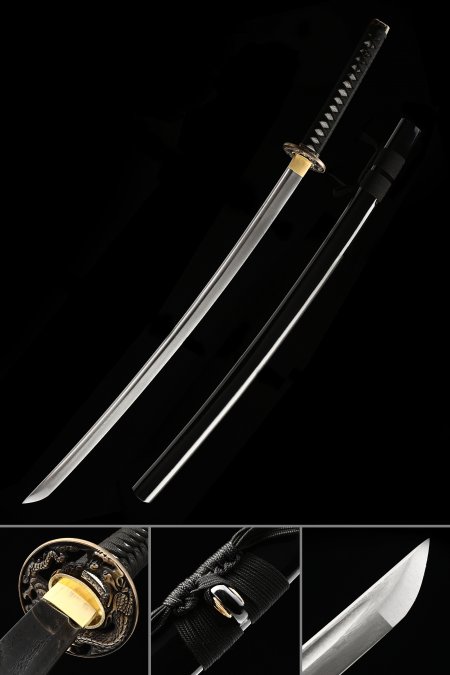
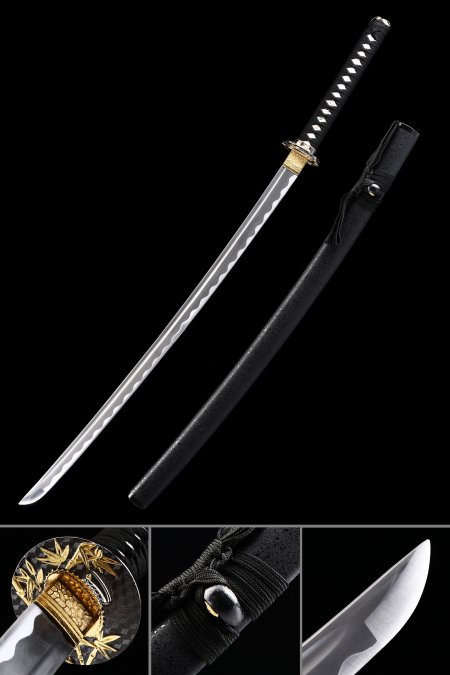
Gold has been used in Japanese sword decoration for centuries, though traditionally it appeared in the fittings rather than on the blade itself. The tsuba, fuchi, kashira, and menuki - the various metal fittings of a katana - were frequent canvases for gold inlay, gilding, and gold alloy work, particularly on swords made for high-ranking samurai and nobility. The use of gold in fittings reflected the owner's status and the sword's role as a symbol of identity and rank, not just a functional object. Blades themselves were valued for the quality of their steel and the beauty of their hamon rather than color treatments. The gold blade finish seen on modern collectible Japanese swords is a contemporary interpretation of this decorative tradition - it extends the visual emphasis on gold from the fittings to the blade itself, creating a more unified golden aesthetic across the entire sword.