What makes Damascus steel different from other carbon steels used in sword making?
Updated Feb 2026
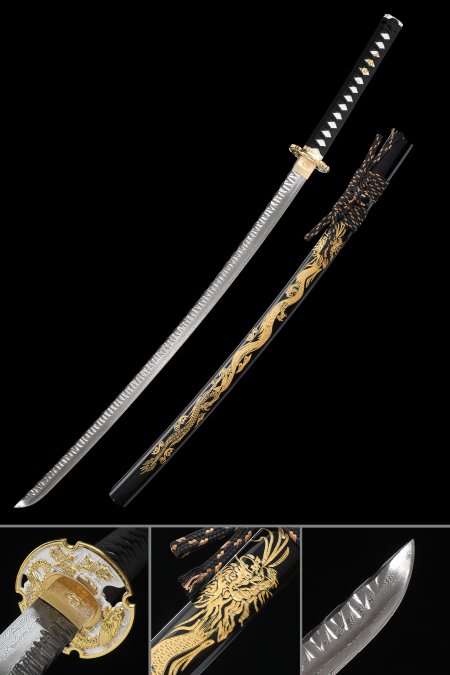
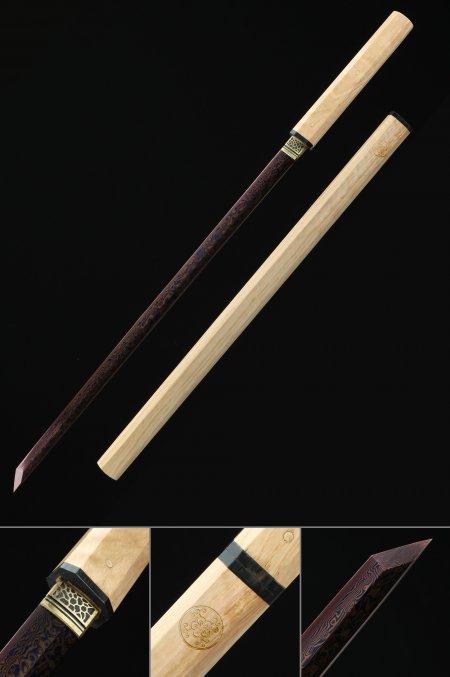
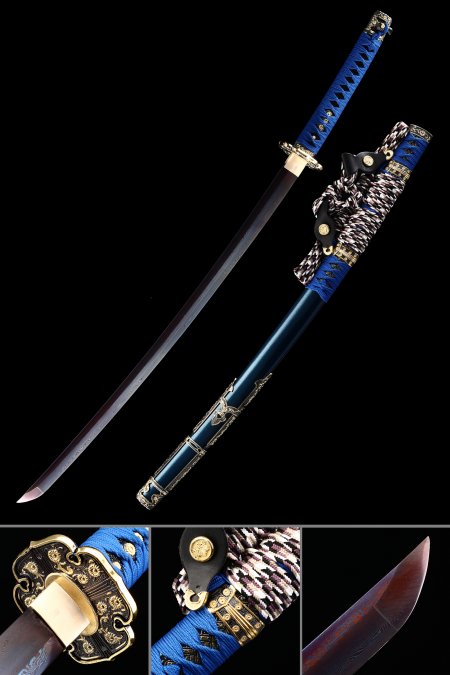
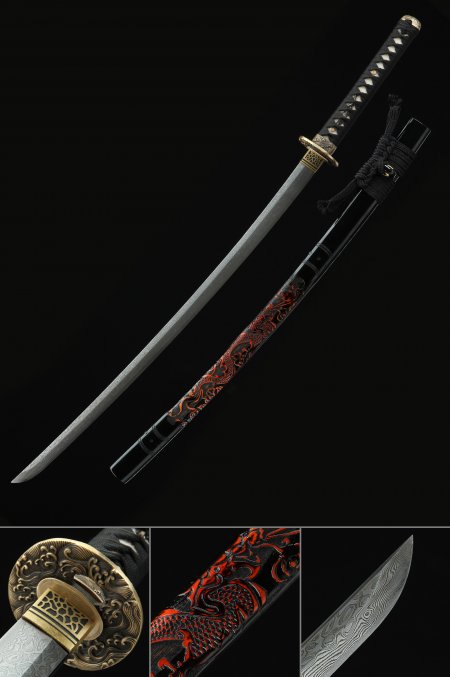
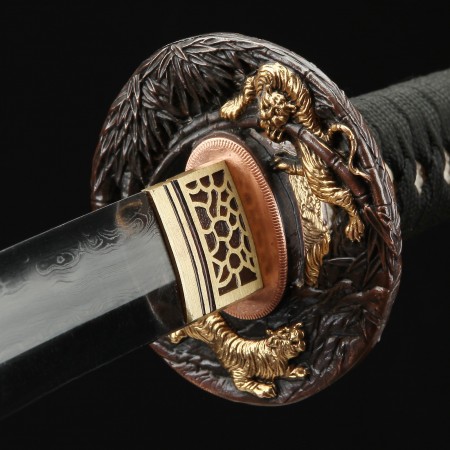
Damascus pattern-welded steel differs from single-alloy carbon steels in its construction method and the visual character it produces. Standard carbon steel swords - 1045, 1060, 1095, T10 - are made from a single alloy with consistent properties throughout the blade. Damascus steel is made by combining two or more steel alloys with different carbon contents, folding and forge-welding them together repeatedly, then twisting and manipulating the composite billet to create patterns before the blade is shaped. The acid etching that reveals the grain pattern works because the two steel types oxidize at different rates - the higher-carbon steel darkens more, creating the flowing contrast pattern. Mechanically, the properties of a Damascus blade depend on the specific steels used and their proportion in the mix. Pattern welding can create blades with distinct transition zones between harder and softer steel layers, but the visual character is the most immediately apparent difference. Each Damascus blade is unique - the specific patterns produced during forging cannot be exactly reproduced, which makes Damascus swords individually distinct collectibles.