What is the hamon on a T10 steel sword and how do I recognize a good one?
Updated Feb 2026
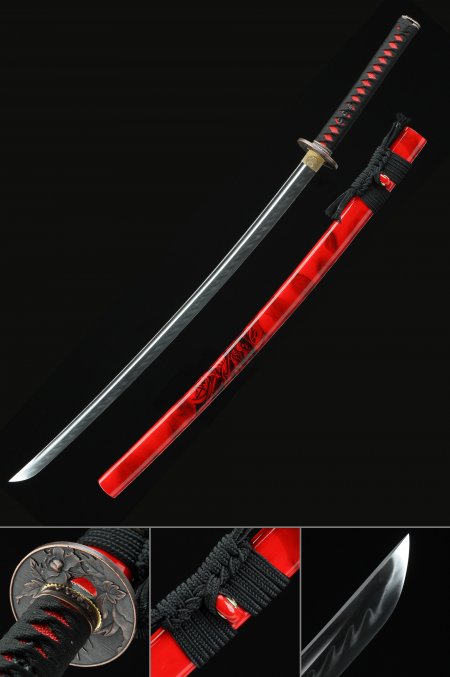
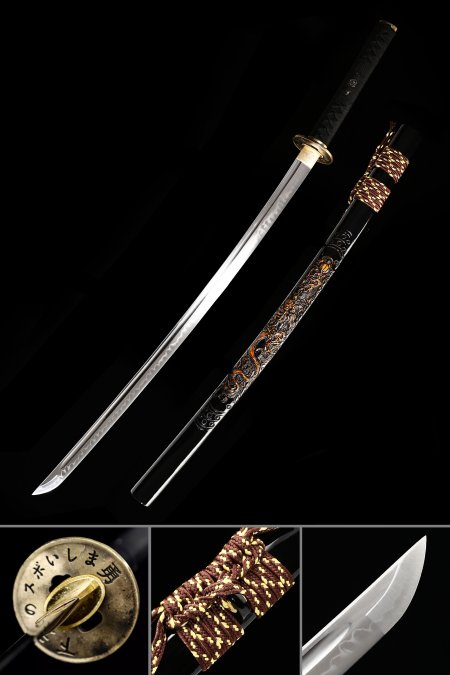
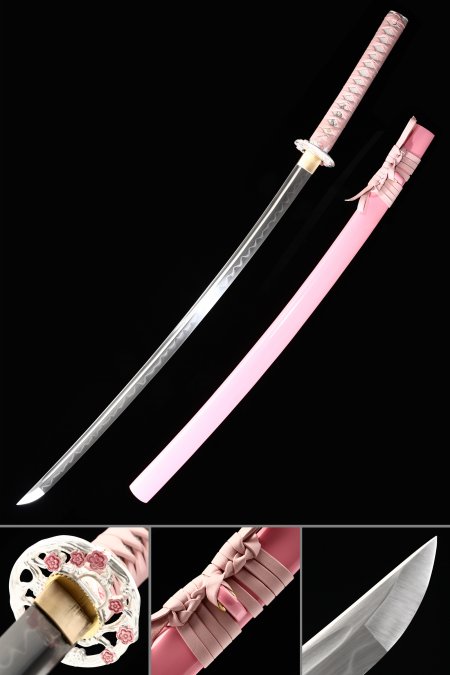
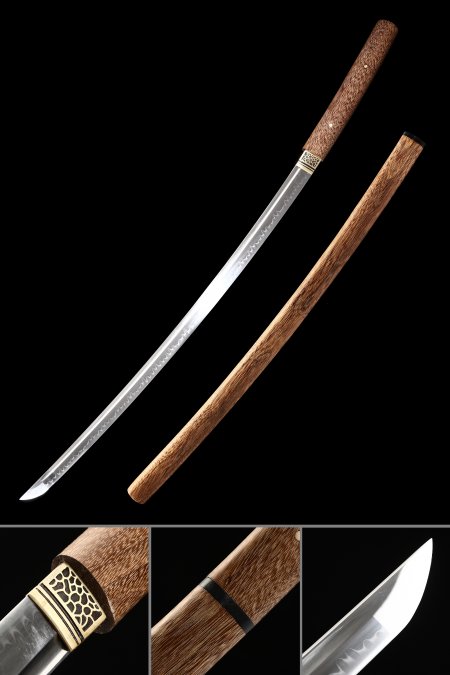
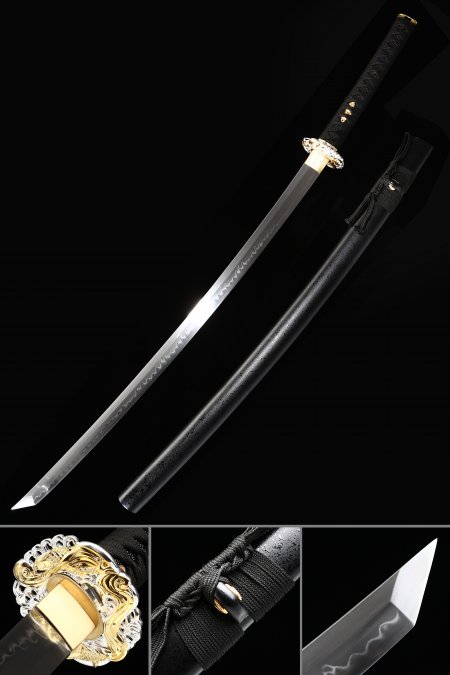
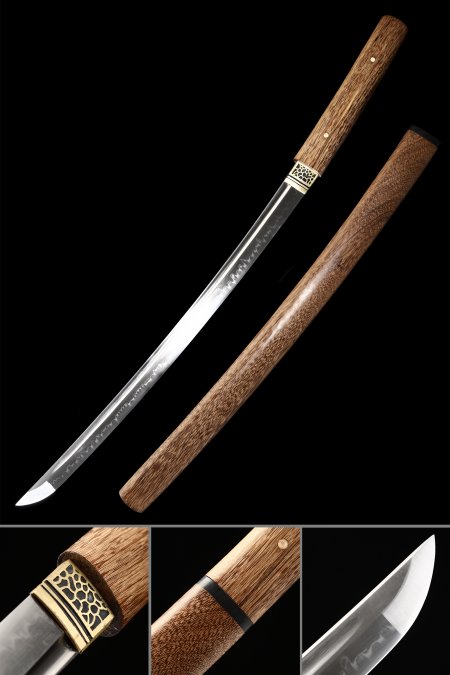
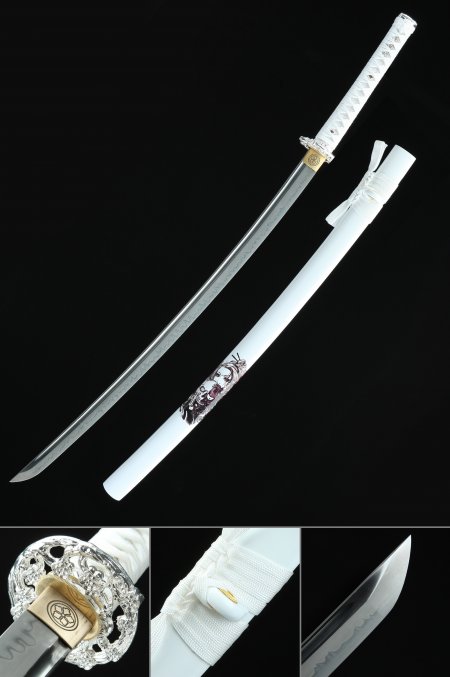
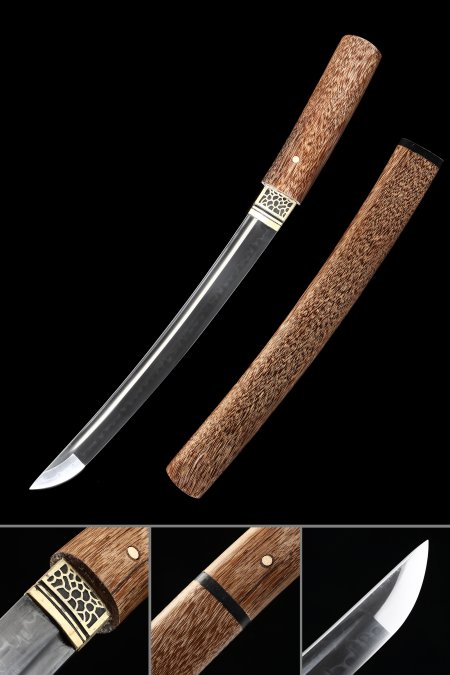
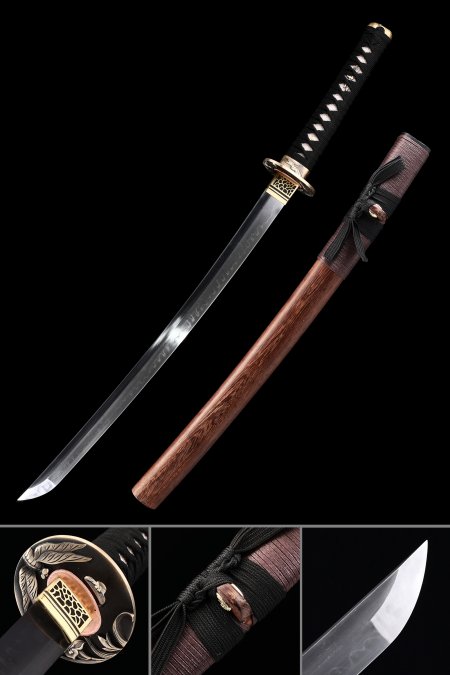
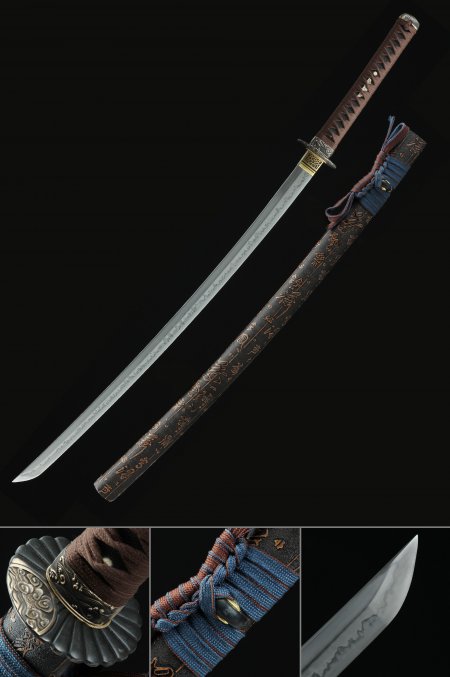
The hamon is the temper line that forms along the edge of a properly differentially heat-treated Japanese sword blade. During the heat treatment process, a layer of clay is applied to the blade - thicker on the spine, thinner near the edge - before the blade is heated and quenched in water or oil. The clay acts as an insulator: the edge, with less clay, cools rapidly and hardens to high hardness, while the spine, with more clay, cools slowly and remains tougher and more flexible. The boundary between these two zones appears on the finished polished blade as the hamon - a wavy or misty line running along the blade edge with a distinctly different surface character from the polished steel above and below it. On a well-treated T10 blade, the hamon is clearly visible without needing a magnifying glass or special lighting, appearing as a bright, cloudy, or wave-patterned line that runs consistently along the blade length. Weak or invisible hamon lines are an indicator of incomplete or inconsistent heat treatment. The hamon is not purely decorative - it also indicates the position of the hardened edge zone, which is a genuine quality indicator in the construction of the blade.