How does the hamon change in appearance under different light conditions?
Updated Feb 2026
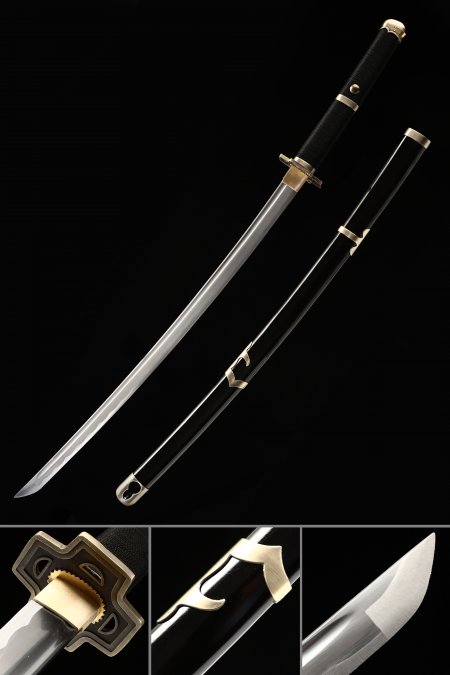
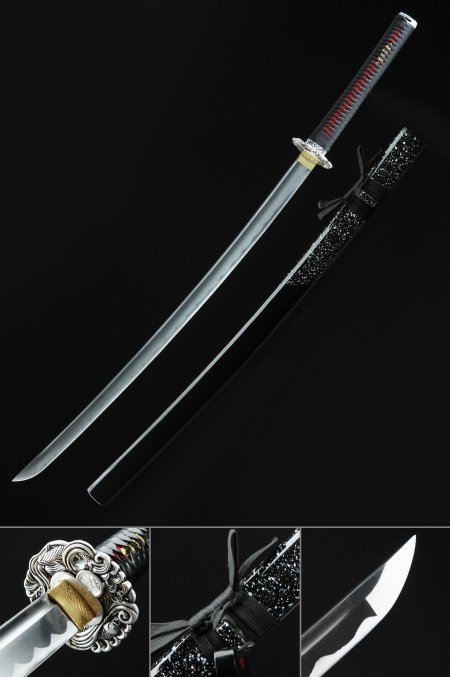
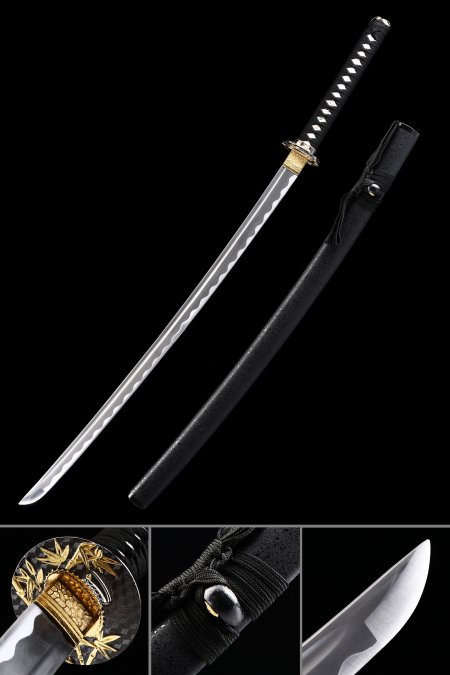
The hamon's appearance changes dramatically under different light conditions, which is part of what makes it one of the most engaging visual features of any Japanese sword collectible. Under direct raking light - a concentrated source at 45 degrees to the blade flat - the hamon comes to full visibility, with the nie activity in the boundary zone lighting up as a fine crystalline sparkle that is completely absent under flat ambient light. Under overhead fluorescent lighting, the hamon may be essentially invisible, appearing only as a slight surface variation. Under candlelight or fire, the hamon takes on a warm, glowing character that historical sword connoisseurs considered the ideal viewing condition. Under full sunlight, the hamon boundary reads clearly with strong contrast between the active boundary zone and the flat blade surface. The variability of the hamon under light conditions creates an experience of discovery for the collector.