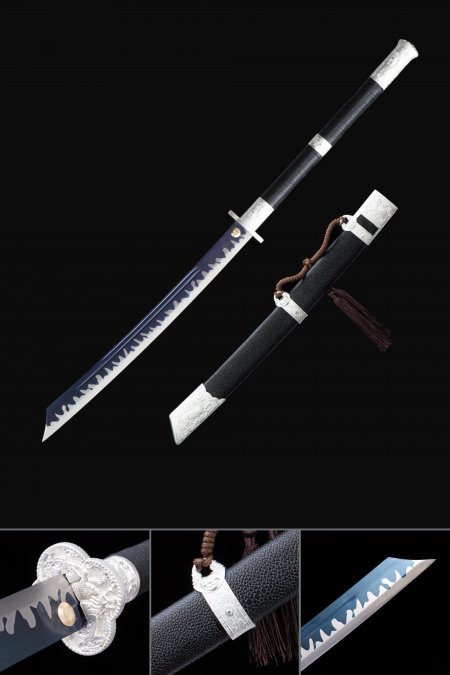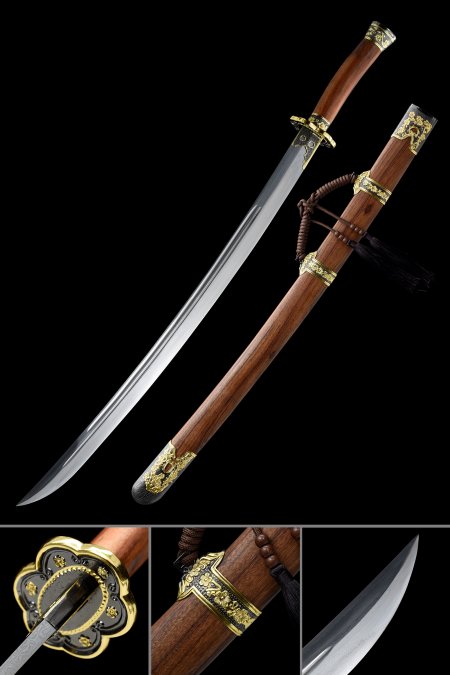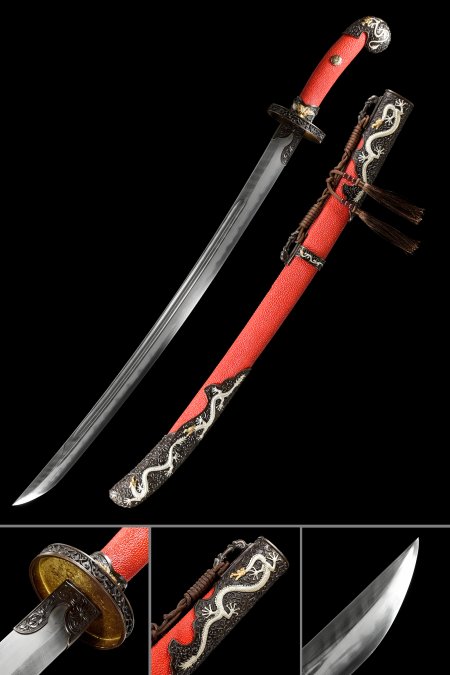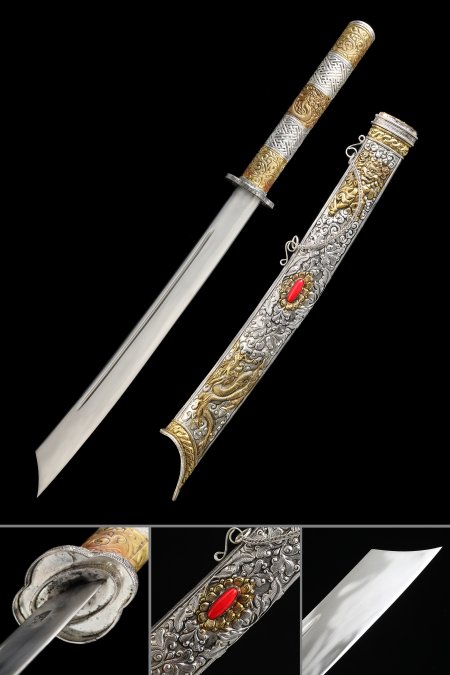
Welcome to our world of Chinese Swords, where history, craftsmanship, and martial arts converge in exquisite harmony. Our collection offers a diverse range of beautifully crafted swords, each embodying centuries of tradition and skill. Whether you're an avid martial artist, a history enthusiast, or simply someone who appreciates fine craftsmanship, you'll find a sword that resonates with your passion. Our swords are not just weapons; they are pieces of art, each telling a unique story and crafted with the utmost precision and care. Explore our selection and discover the perfect Chinese sword to add to your collection, elevate your practice, or simply admire for its beauty and historical significance. Let the spirit of the Chinese sword inspire you and ignite your journey into this timeless tradition.
Tai Chi SwordTai Chi DaoKwan DaoKangxi SwordSpear SwordBroadswordKung Fu Sword
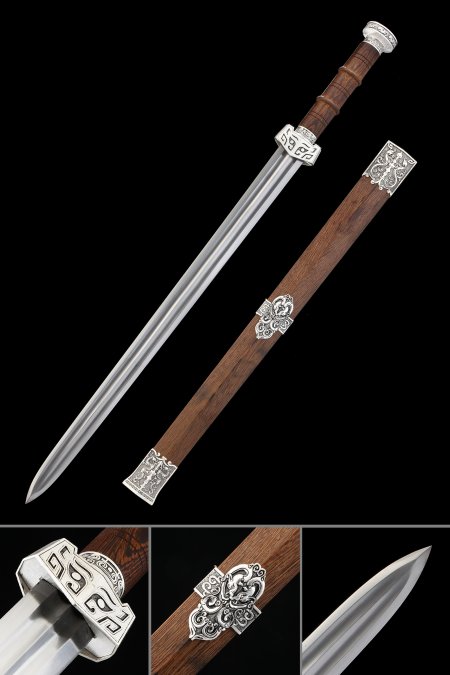
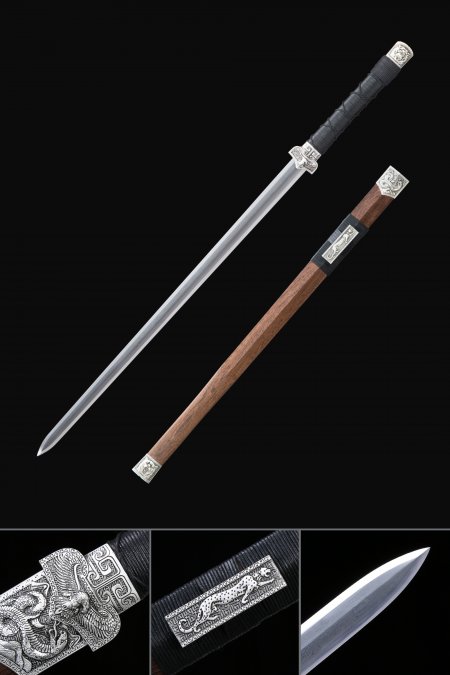
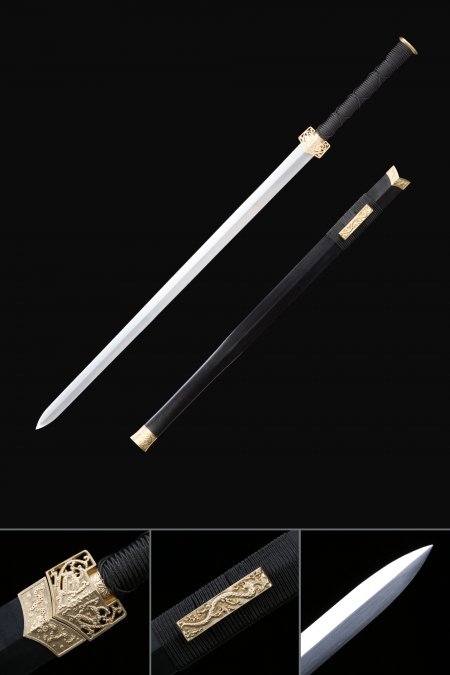
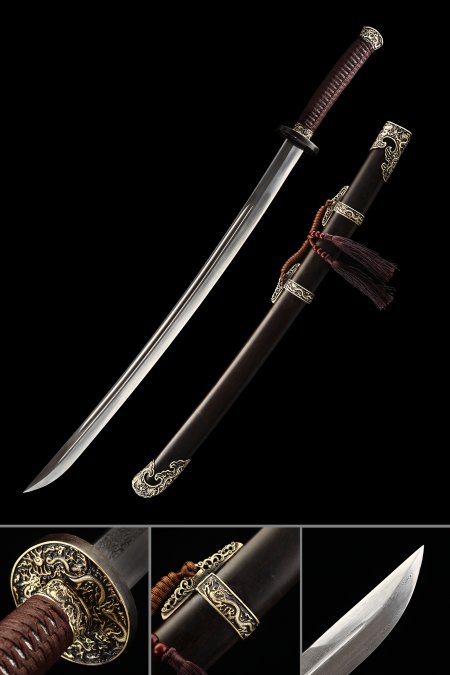
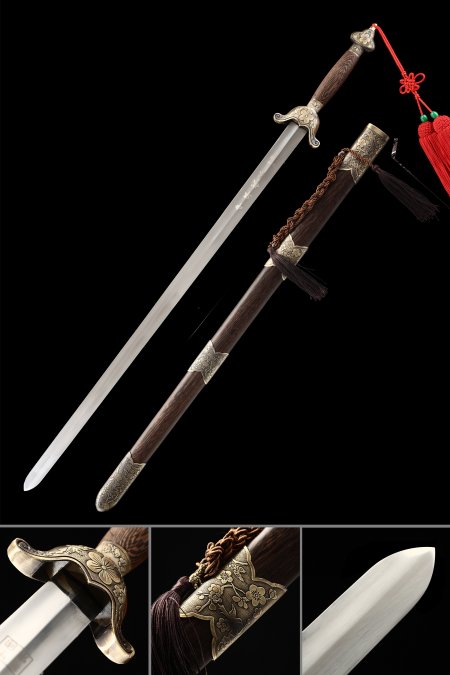
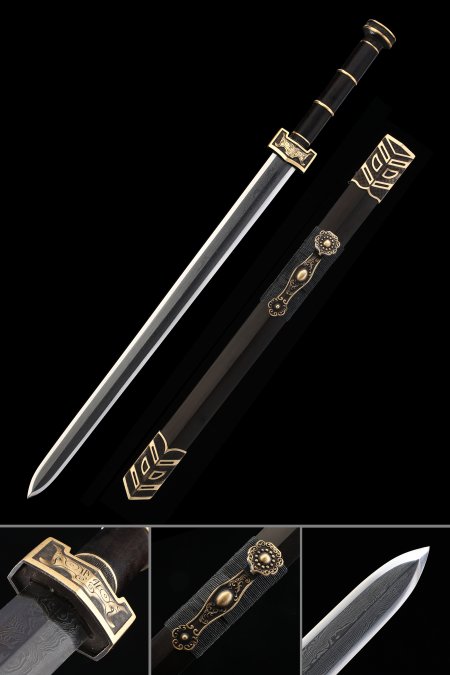
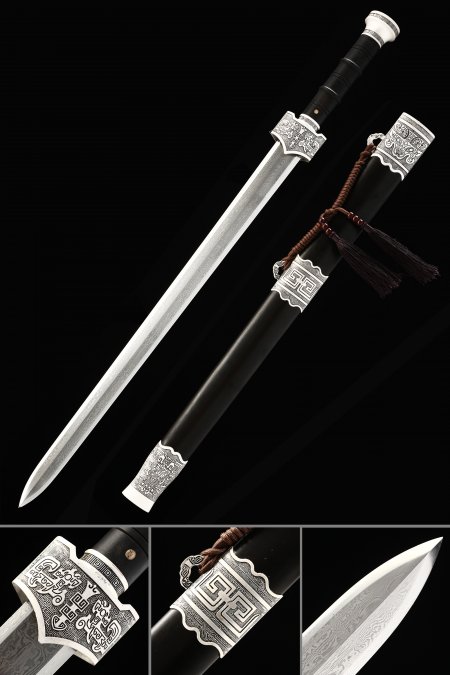
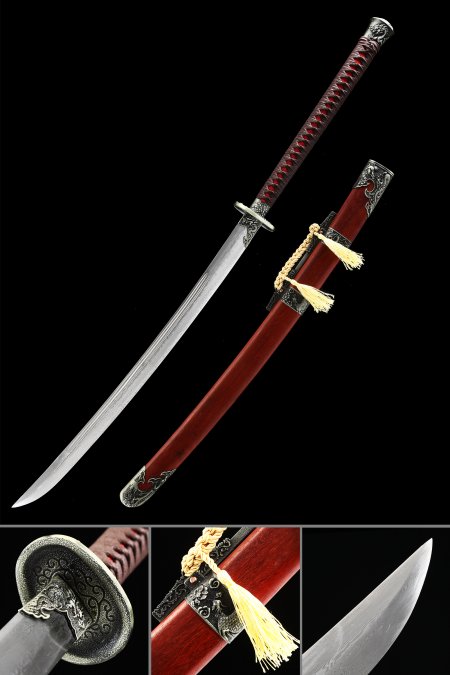
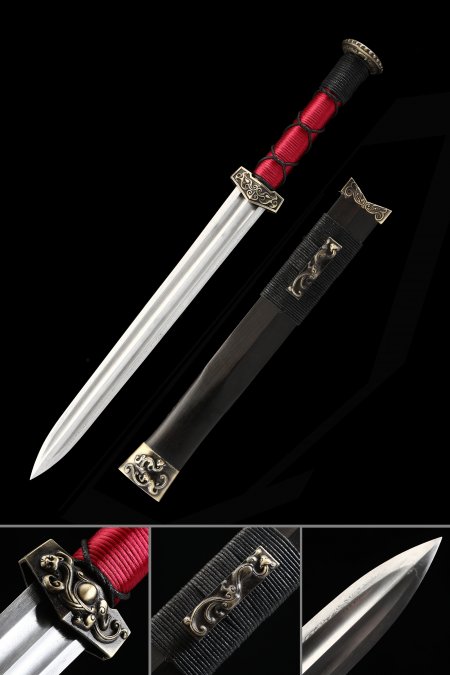
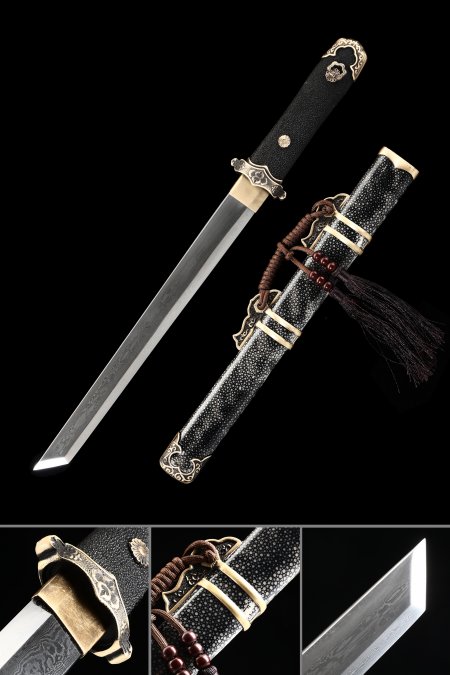
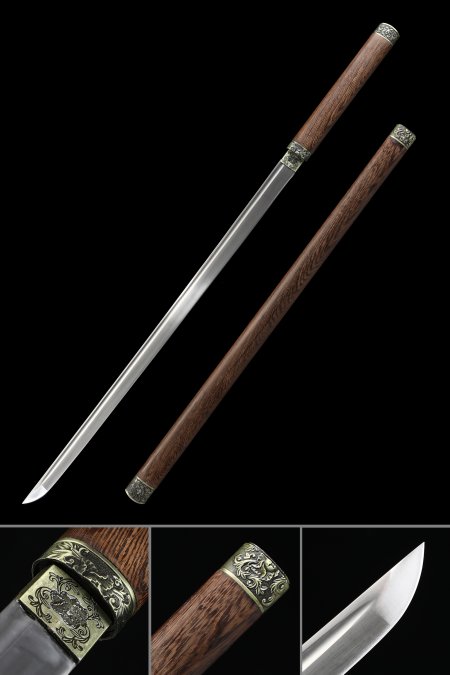
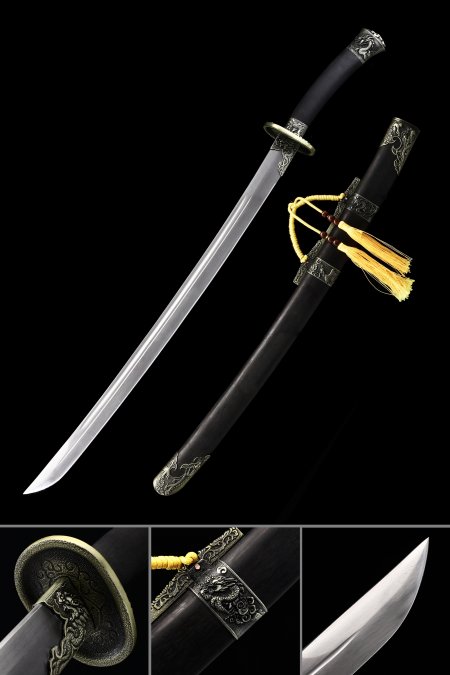
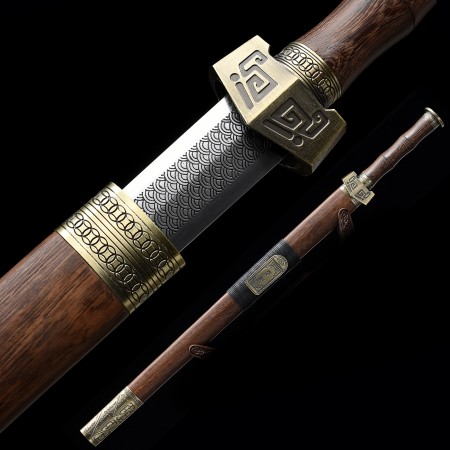
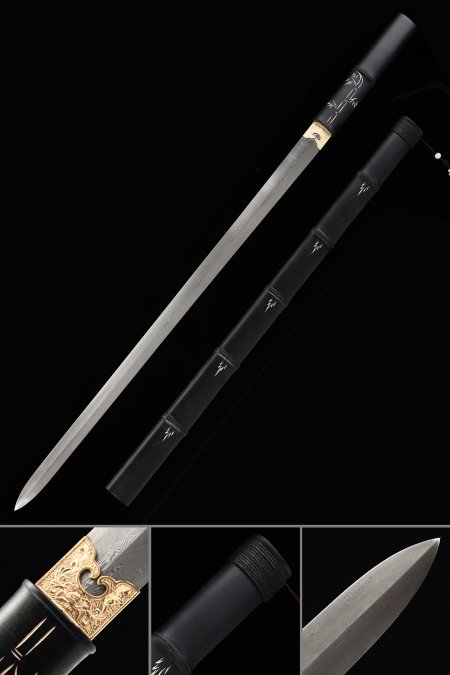
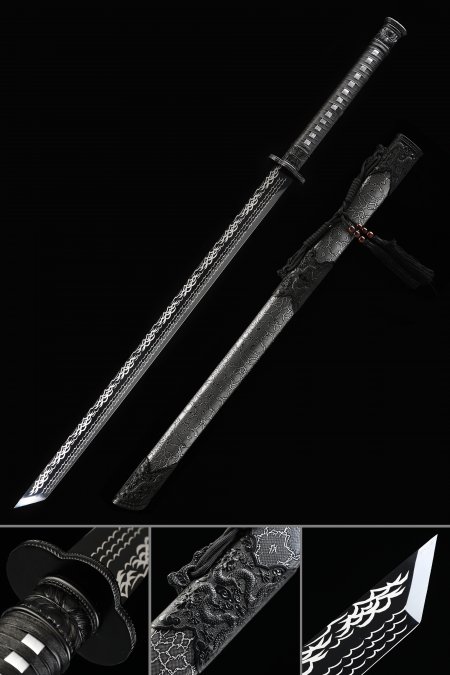
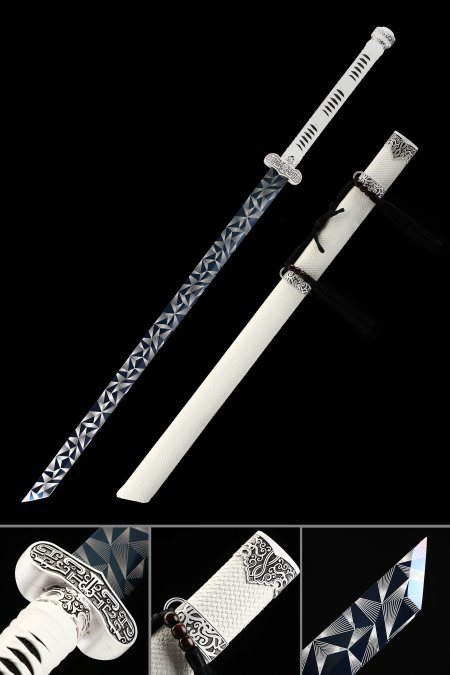
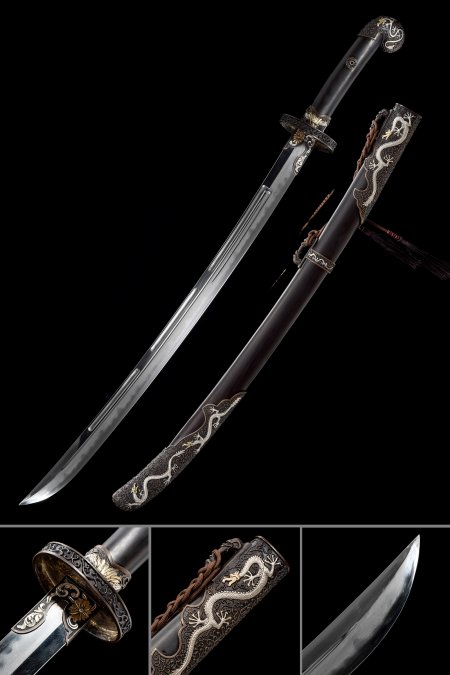
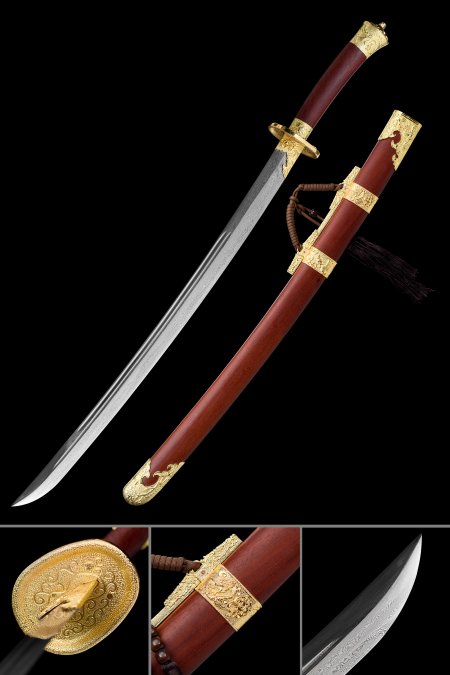
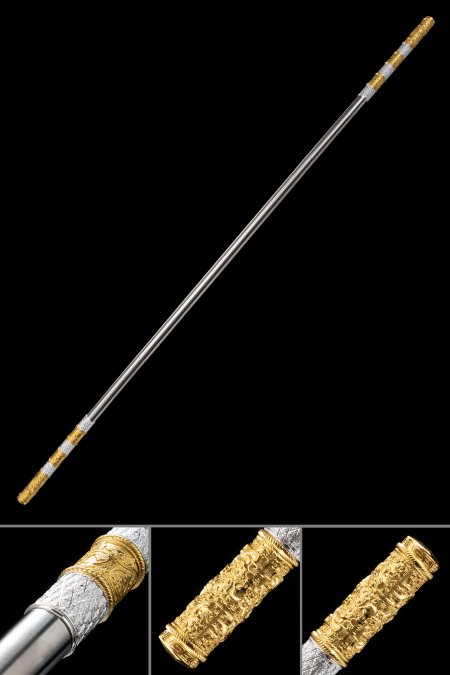
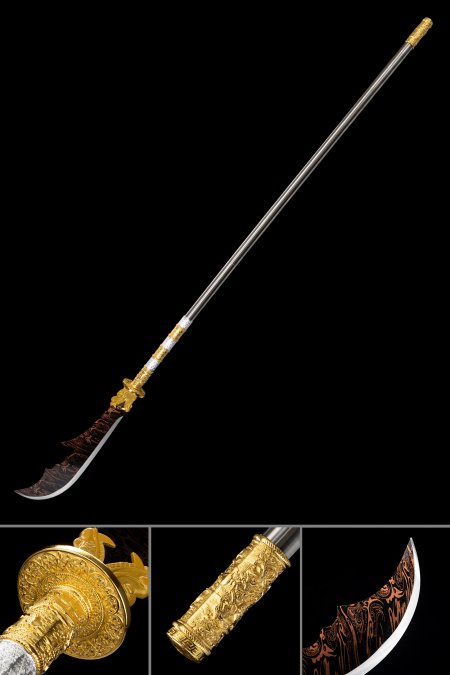
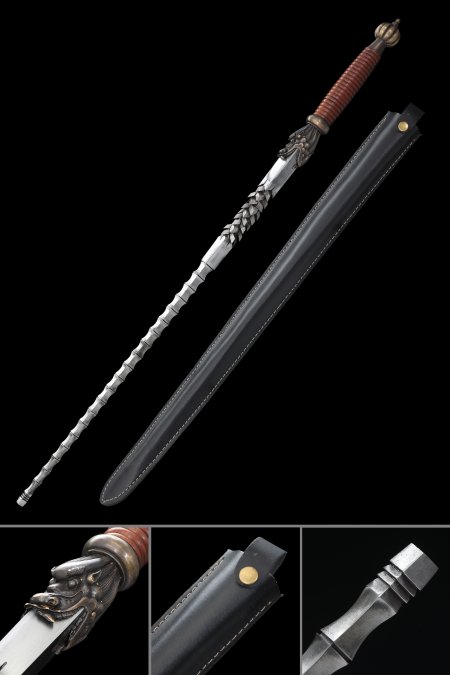
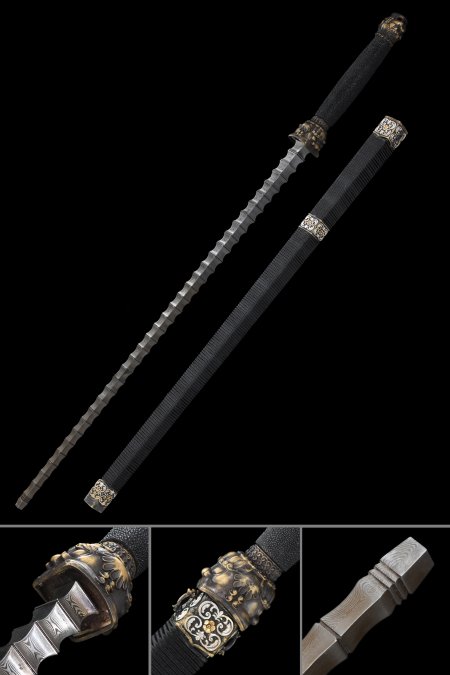
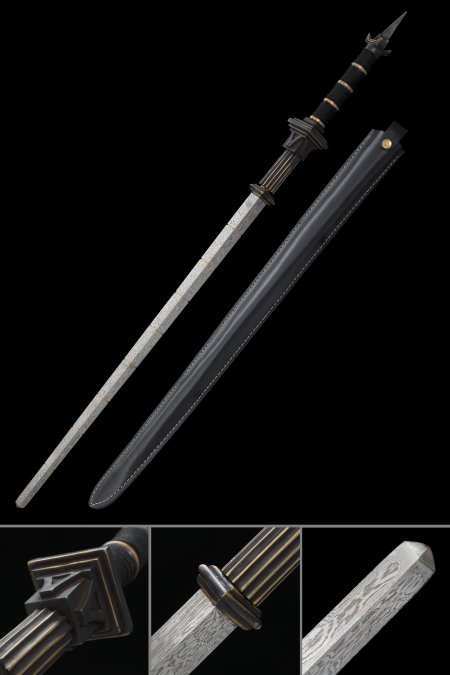
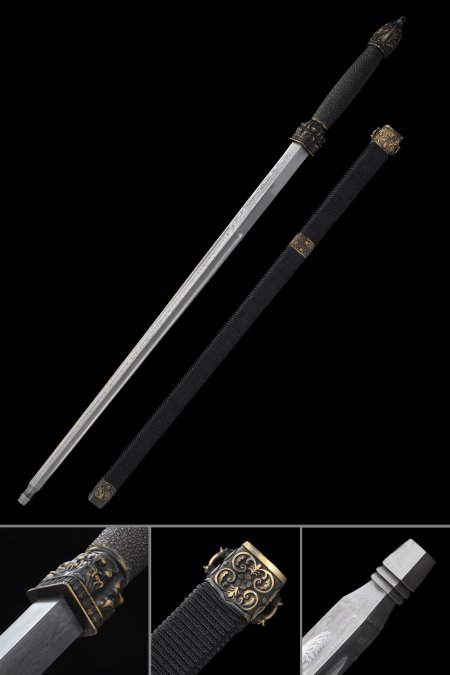
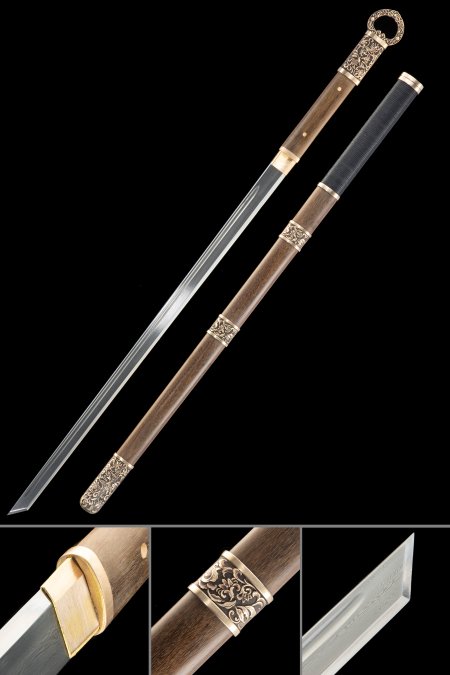
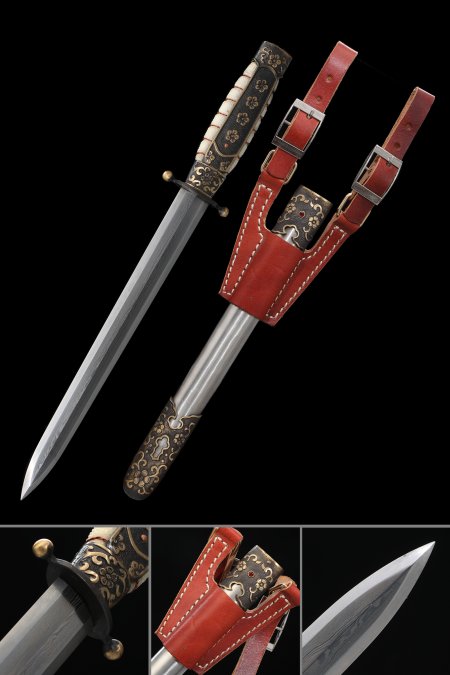
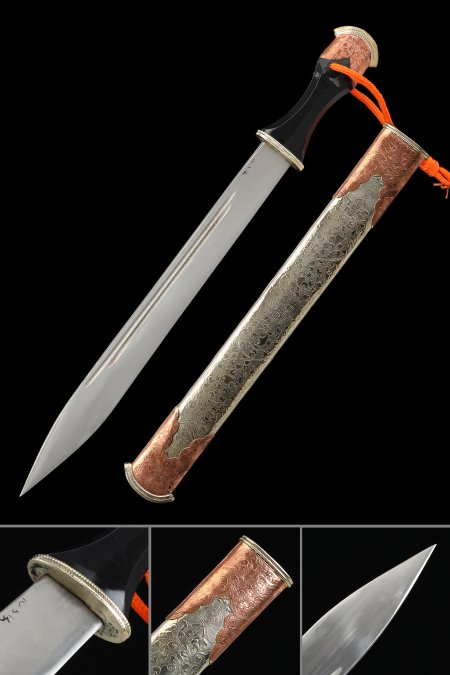
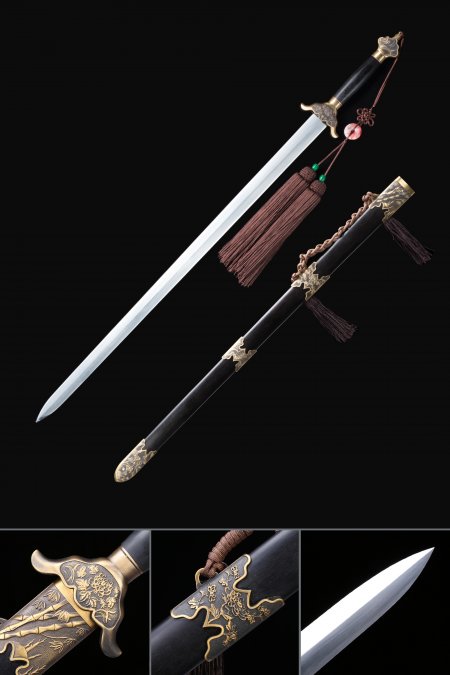
The sword is of excellent quality and has an exquisite beauty. Been practicing Tai Chi for decades and wanted to incorporate swordsmanship. This is an ideal sword to practice this martial art. It is all that I imagined. Would highly recommend this sword. Everyone who has seen it remarked at its beauty and quality.
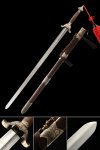 |
Handmade Chinese Tai Chi Sword Stainless Steel With Brown Scabbard |
I like the weapon very much; however, I am a little disappointed that the weapon lacks a sharp cutting blade.
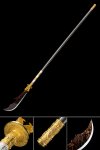 |
Chinese Guan Dao With High Manganese Steel Blade |
I have been learning the tai chi sword for about one year and had been using a telescopic sword for practice. I am very happy with my new handmade, stainless steel Chinese tai chi sword with brown scabbard. The sword arrived quickly, in about a week after placing my ordering. My Sifu examined it. The handle was a touch loose; he tightened it for me. Otherwise, he said that it was a good sword and right for me. The calligraphy on the sword is beautiful and authentic. The scabbard is also beautiful, with plum blossoms, a symbol of the new spring, and beloved in Chinese and Japanese culture. I bought a black sword bag, which also came quickly. It has the kanji for "Dao" or "Way" and gives my new sword the protection and respect that it deserves. For now, the sword is a bit heavy but this serves as motivation for me to practice and improve. Two practitioners have already offered to buy it from me. "Not for sale!" I said. Thank you for a sturdy, balanced, gorgeous sword. LSO
|
Handmade Chinese Tai Chi Sword Stainless Steel With Brown Scabbard |
Service is excellent! product was delivered by the time they promised. Had a few questions & customer service was very quick to respond and assist. Item came & is beautiful! Gift for my son & he is extremely happy with the broadsword!
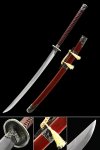 |
Handmade Chinese Dao Broadsword 1045 Carbon Steel |
Verry good Don't like how the tang looks and it's not that sharp but otherwise 5 star verry good
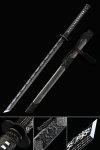 |
Handmade Chinese Dao Sword High Manganese Steel Full Tang With Black Blade |
The sword is absolutely beautiful. Super high quality! Would recommend to anyone.
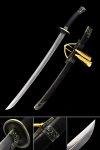 |
Handmade Chinese Oxtail Dao Saber Sword Broadsword Spring Steel With Ebony Scabbard |
Beautiful weapon, smooth shipping , very discreet as well
 |
Handmade Chinese Straight Double Edged Sword High Manganese Steel Han Dynasty With Brown Scabbard |
The craftsmanship is excellent. The weight is wonderful. Beautiful piece
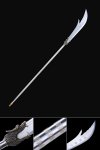 |
Guan Dao, Kwan Dao, Chinese Kung Fu Broadsword 1090 Carbon Steel Extra Long 79 Inches |
So the sword itself is great it feels strong but I didn’t like that it came with practically no edge wich I have sharpened and I wish there was an option for a bigger sword because to me it’s quite small. But my main issue is the scabbard it looks great but there are some type of burn Marks on the metal parts of the scabbard and there is epoxy around the bottom of the black wrapping of the scabbard Also it is very loose and the sword will fall right out of the scabbard wich I don’t like because they are meant to protect the sword from damage, falling out , and the elements wich I will be addressing myself the sword itself is great but true katana your scabbards need a little more effort to secure the swords you sell
|
Handmade Chinese Straight Double Edged Sword High Manganese Steel Han Dynasty With Brown Scabbard |
it was incredibly high quality for the price, if you are going to get a sword from any online website get it from here. I had an issue with the shipping at first, but the staff responded to my email within the hour and helped me out and resolved it within the day. Overall great experience and I will be getting all of my swords from this website from now on.
|
Handmade Chinese Straight Double Edged Sword High Manganese Steel Han Dynasty With Brown Scabbard |
Was disappointed in the hilt on the sword! The blade and scabbard was excellent! Wish you had made the hilt stong enough to take a blow. Thank you.
|
Handmade Chinese Straight Double Edged Sword High Manganese Steel Han Dynasty With Brown Scabbard |
Absolutely love! Exceeded my expectations in how it looks and how quickly I received it. Everyone in my TaiChi class wants one but don’t know if they will spend the money. Their loss if they don’t!
|
Handmade Chinese Tai Chi Sword Stainless Steel With Brown Scabbard |
Lovely sword, I'd give 4.9 stars if I could. Fast shipping for the long way to Germany (it came somehow from Malaysia!?). Only bad point, it came with a few scratches on the blade. But I like it way too much to send it back and when training a lot, more will probably follow anyway... The workmanship is not quite perfect, there are a few edges between metall and wood at the hilt, but it lies good in hand. Good balance point also. The value-for-money ratio is totally good. I'm pretty sure I have the most beautiful Taiji-sword in the world! Thanks!
|
Handmade Chinese Tai Chi Sword Stainless Steel With Brown Scabbard |
Crafts speak for themselves, there are easier methods and shortcuts to accomplish the same things. It is not perfect, I didn't expect it to be, though it is exactly what I ordered in a time when crafts so often don't reflect quality. This sword is not just a collector piece. It's a perspective and standard I am glad to say this was worth the money and an honest exchange. Thanks.
I intend to showcase it in a trending hashtag #medievalcombatreference for a handling review and perspective at the YouTube Creator Shadiversity, when my Camera man isn't sleeping in.
|
Handmade Chinese Straight Double Edged Sword High Manganese Steel Han Dynasty With Brown Scabbard |
Absolutely Outstanding Work! It looks even more beautiful in person. As for me, It was a bizarre Christmas gift.
The blade is pretty sharp and it's heavy which I wasn't really expect it to be though I like it very much. Though, I don't think it's that durable if you swing it (Slash) but it can still cut so be careful.
I think my only takeway from this is that, the scabbard was a bit worn out I suppose. The sew was kind of loose and inside was leaving crumbs of wood/dust on the blade (It sticked to it due to the oil). I guess that's to be expected since they had it in stock, probably one that's been there for some time. Additionally, the time of shipping takes quite an amount of time but eventually it still came. Just make your orders about 2 weeks and a half earlier from when you'd want to recieve it (if from the US) because that's how long it took for me.
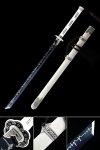 |
Handmade Chinese Dao Sword High Manganese Steel With Blue Blade And White Scabbard |
Sword has grinding damage on both sides of pommel. Appears to have happened in manufacturing. Sword is beautiful and it unfortunate that there is damage by the hands and is noticed when holding the sword. I have reached out to costumer services and hopefully I can get the pommel repaired or replaced. Please advise on next steps. I have several more pics if needed.
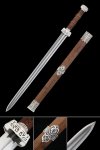 |
Handmade Chinese Straight Double Edged Sword 1095 Carbon Steel Han Dynasty |
Very nice quality. Arrived within 3 weeks, which was nice. Very happy
|
Handmade Chinese Oxtail Dao Saber Sword Broadsword Spring Steel With Ebony Scabbard |
E' già il secondo acquisto che faccio su questo sito. Mi sono trovato bene con l'acquisto di una sciabola, ora si ripete con questa spada.
Spedizione molto veloce, il pacco è stato assemblato e sigillato in modo da conservare bene la merce. La spada è molto bella e ben rispetta la descrizione del prodotto sul sito internet.
Ne ho fatto una piccola recensione sul mio canale youtube:
https://youtu.be/NKRiwTsHlIU
Sicuramente farò altri acquisti.
|
Handmade Chinese Straight Double Edged Sword High Manganese Steel Han Dynasty With Brown Scabbard |
The parcel arrived quickly.
The sword is well built.
The web site description is not accurate.
For example the weight is specified as 2.2 lbs while the sword weigh only 1.5lbs
|
Handmade Chinese Tai Chi Sword Stainless Steel With Brown Scabbard |
A truly beautiful and stunning piece, not to mention it came oiled and razor sharp, every but worth the international wait. In fact it showed up far earlier than expected for covid season. Longer weightier and overall a much higher quality piece than i first assumed I was paying for. I wouldn't have bought it anywhere else.
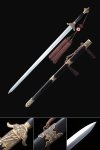 |
Handmade Blackwood Bamboo Theme Manganese Steel Song Dynasty Chinese Swords |