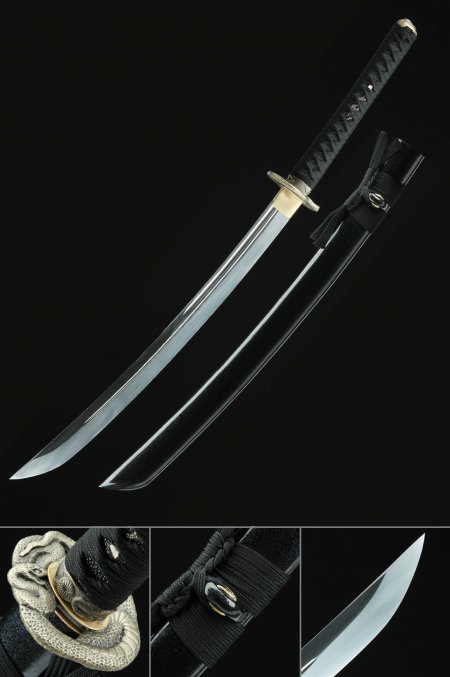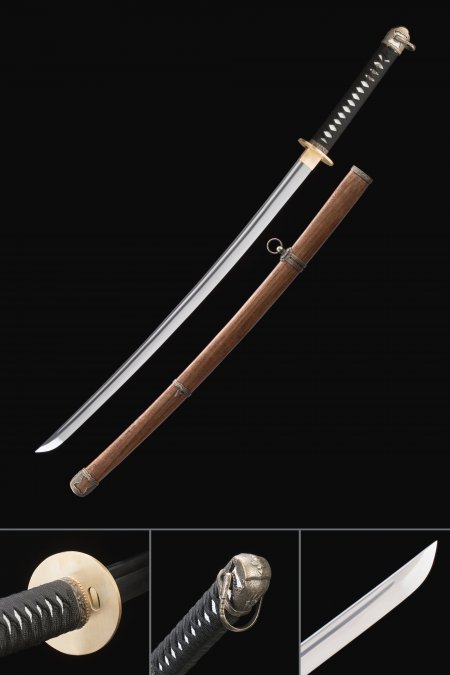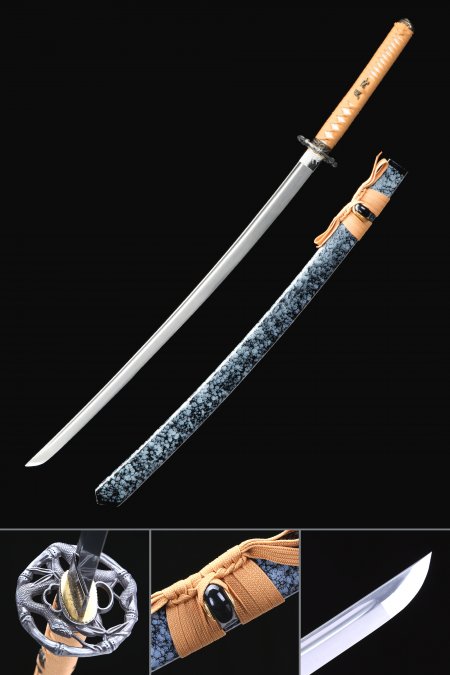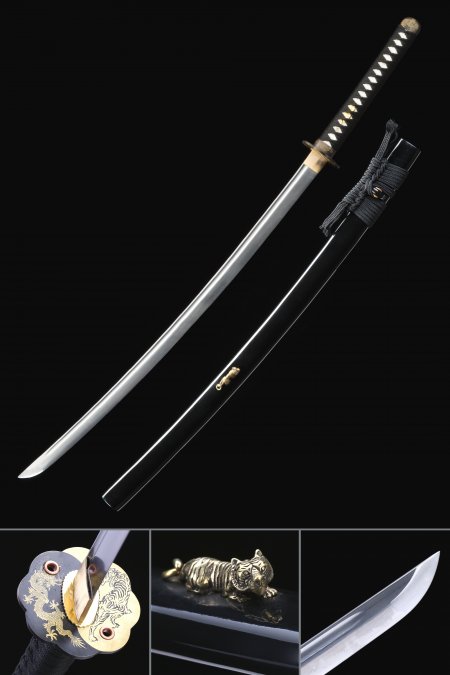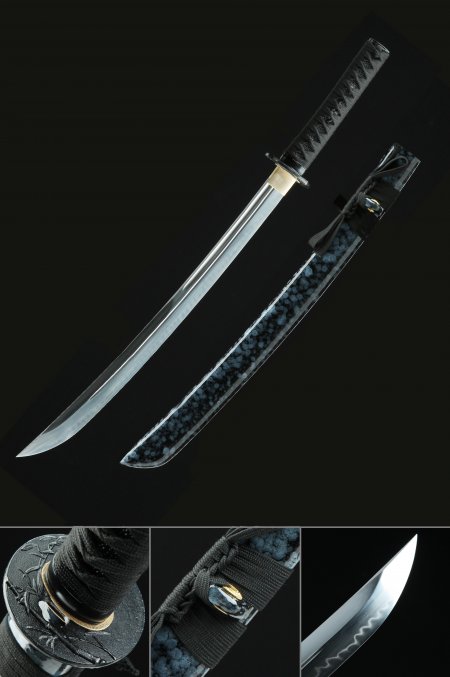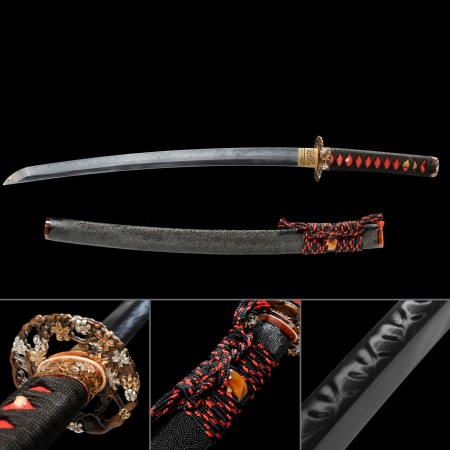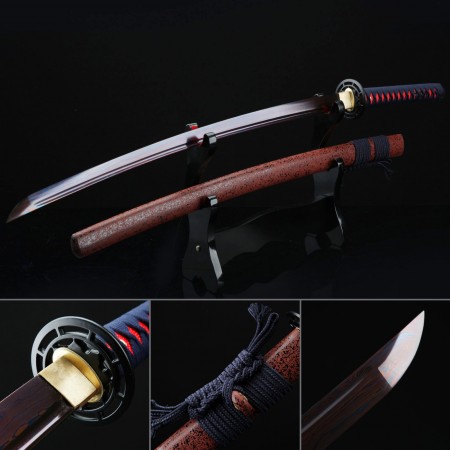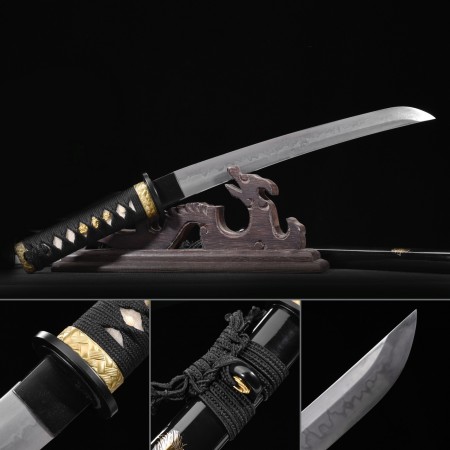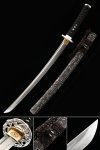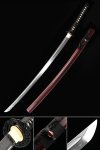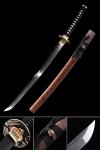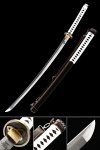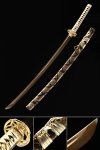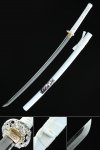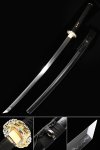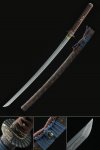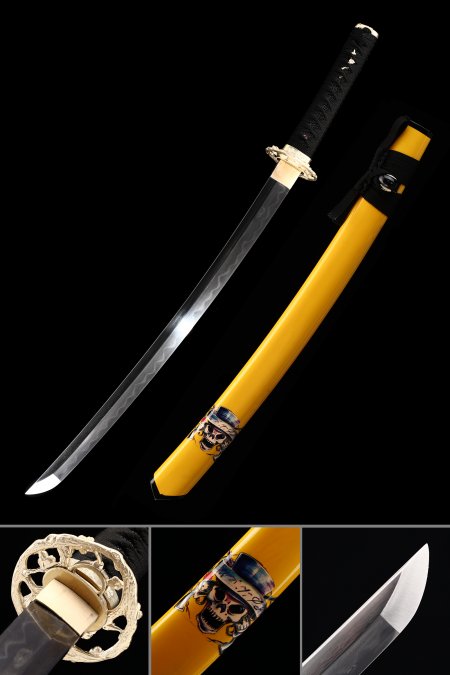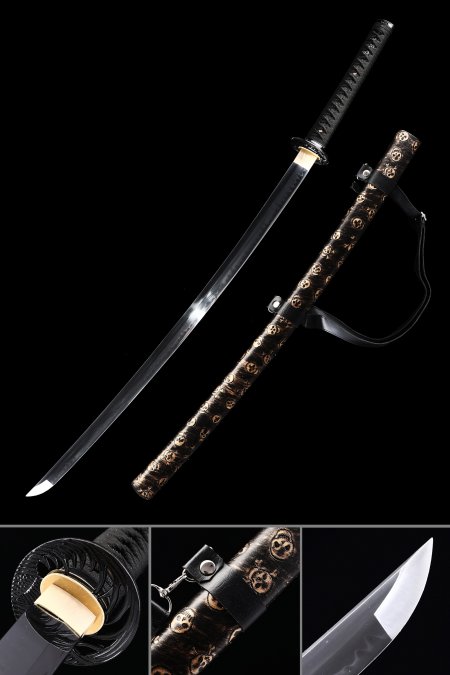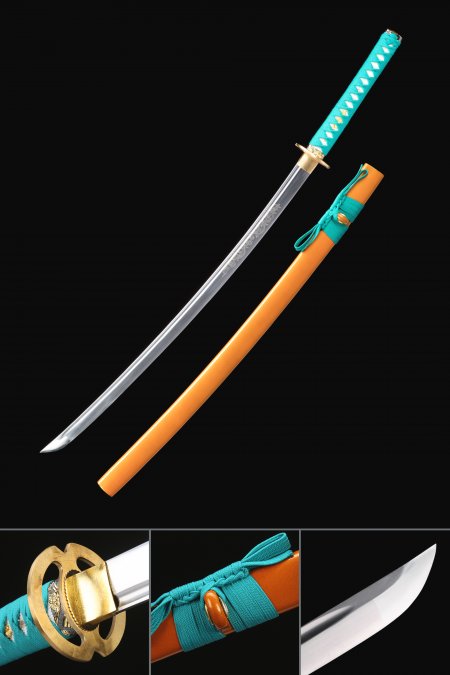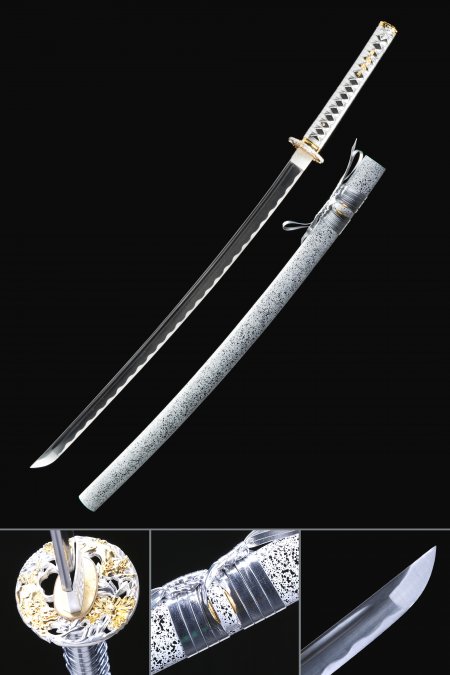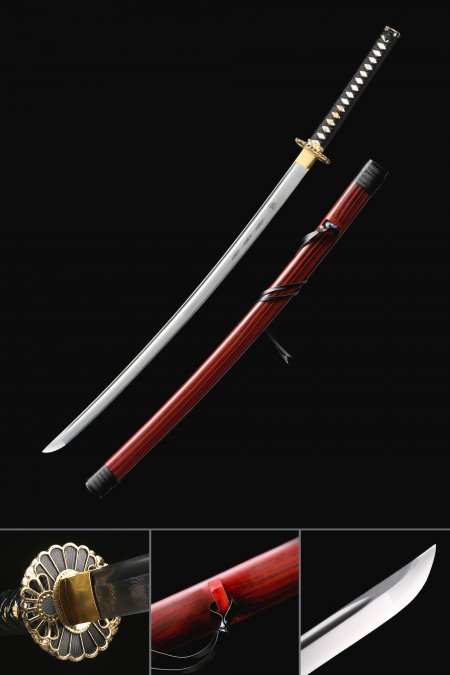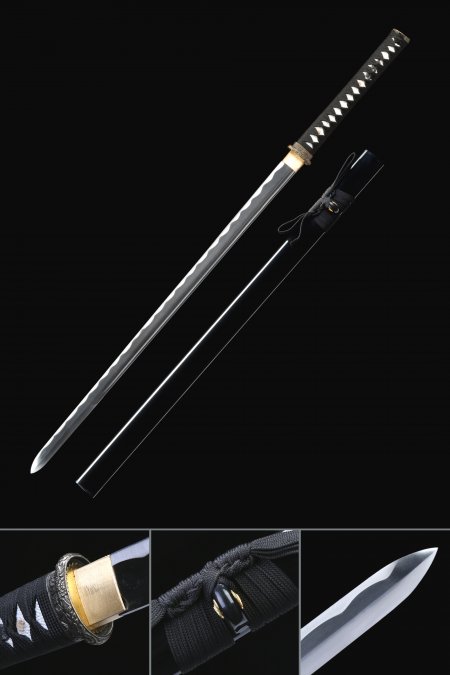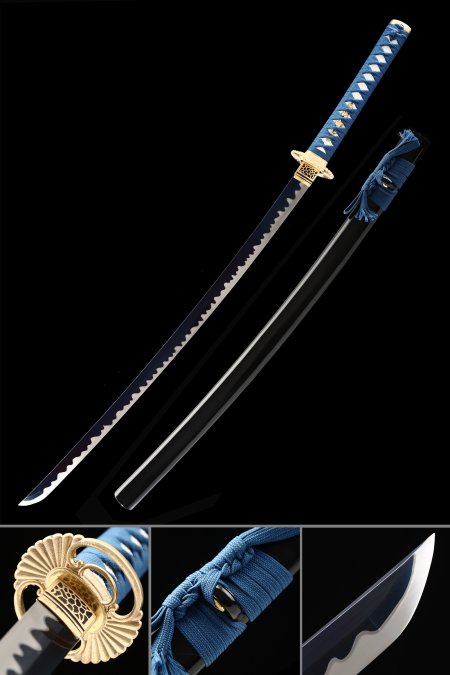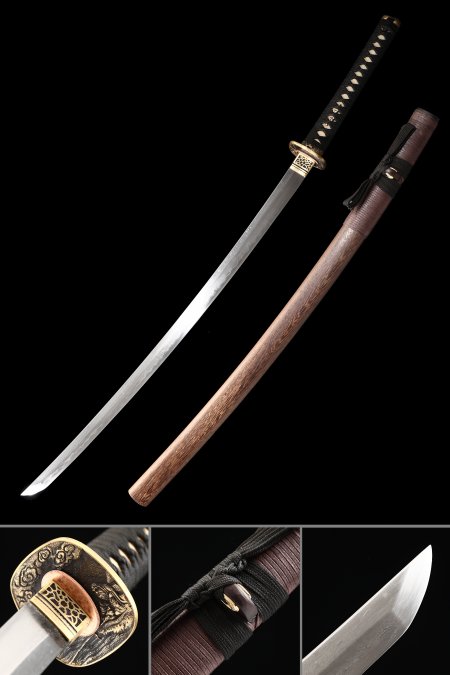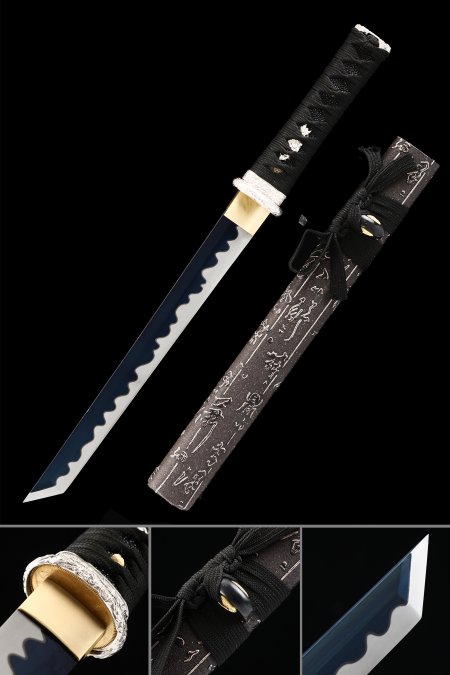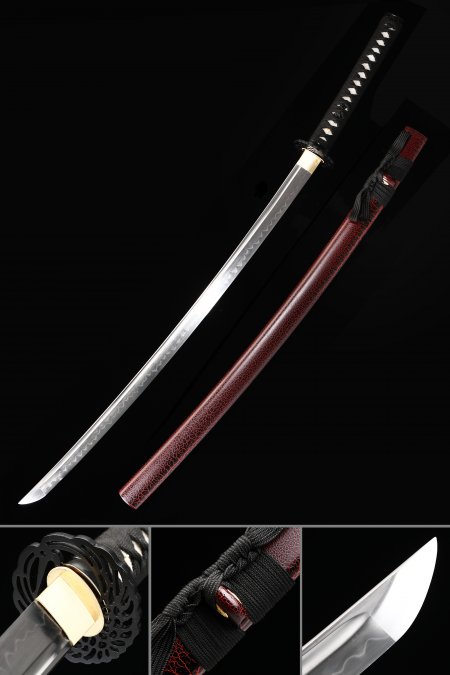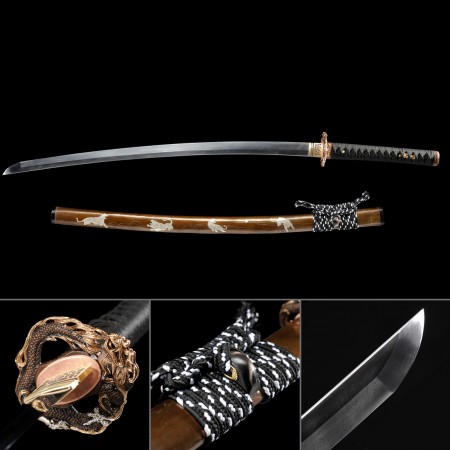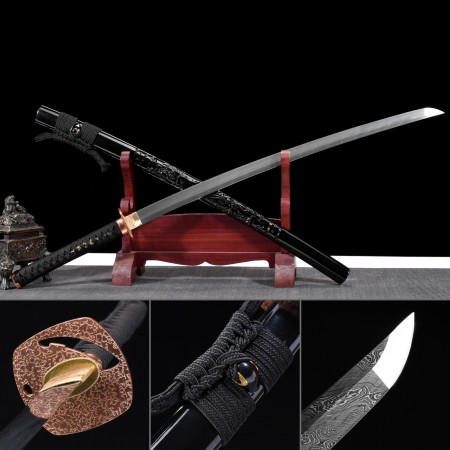
Ancient Chinese Weapons Large Swords

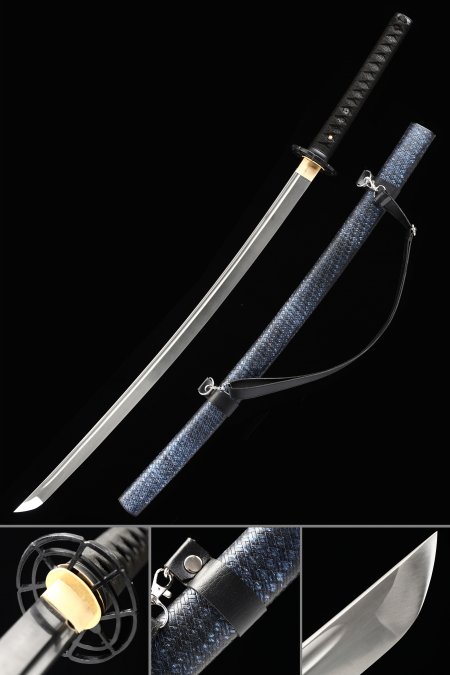
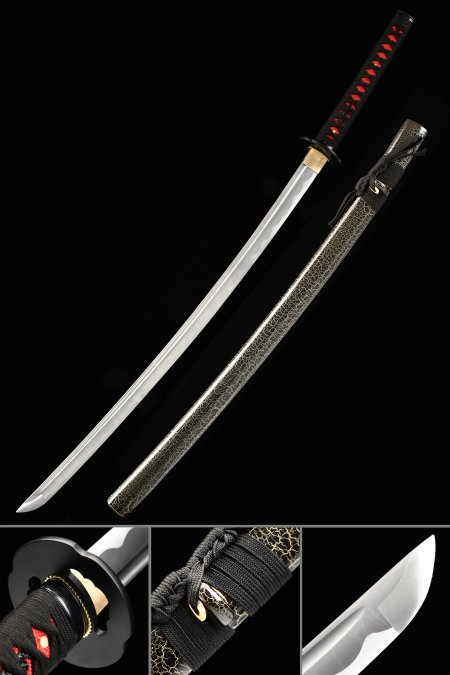
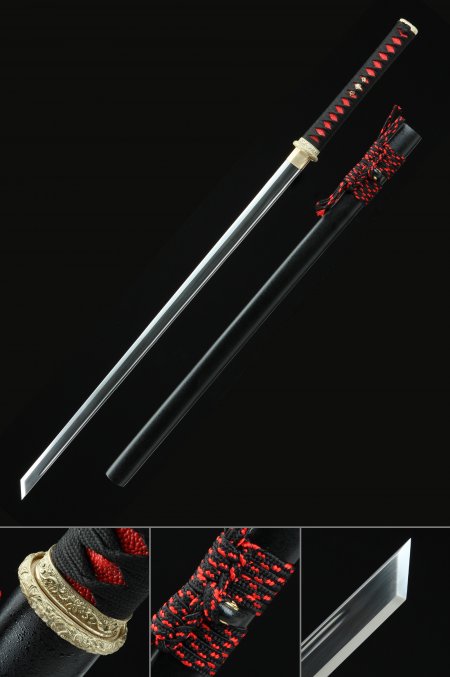
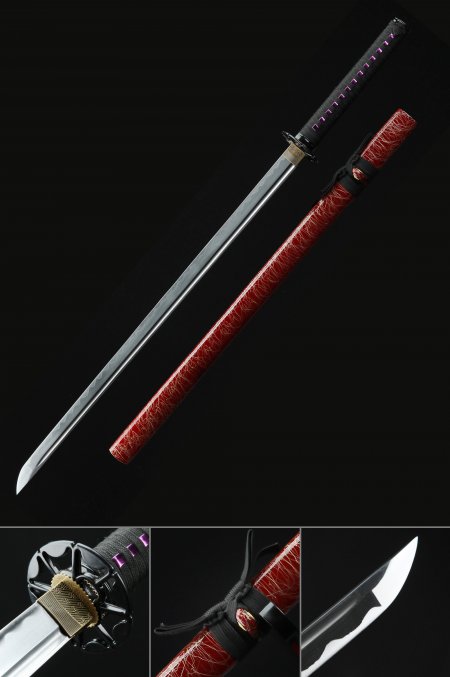
Discover our collection of ancient Chinese weapons and large swords - hand-forged Chinese blade collectibles spanning the full scale of the ancient Chinese weapons tradition, from Han Dynasty jian straight swords and dao broadswords to large-format Guan dao polearms and extended blade configurations in Manganese Steel, Damascus steel, and carbon steel. Each piece references the military and cultural heritage of ancient China. Free US shipping and hassle-free returns included.
Showing 128 Products

Frequently Asked Questions

What categories of ancient Chinese weapons are represented in this collection?
The ancient Chinese weapons and large swords collection represents several distinct categories within the ancient Chinese blade tradition. Han Dynasty jian double-edged straight swords are the most classically significant: the refined straight blade form that was the prestige sword of ancient Chinese officers and scholars for over two thousand years. Dao broadsword and saber pieces represent the curved single-edged military blade that was the primary sword of Chinese infantry across the ancient and imperial periods. Extended polearm blade forms including the Guan dao bring the ancient Chinese blade-on-pole tradition to the collection - these large-format pieces require dedicated display space appropriate to their scale. Fantasy and mythological pieces reference the great figures of ancient Chinese legend whose weapons are culturally as significant as historical military arms. The combination of historical military sword forms and legendary weapon replicas gives the collection the scope appropriate to the full breadth of the ancient Chinese weapons tradition.
What makes ancient Chinese sword forms historically significant as collectibles?
Ancient Chinese sword forms carry historical significance as collectibles for several reasons that extend beyond their physical qualities. The jian's history as the prestige blade of Chinese scholars and officers spans over two thousand years of continuous cultural use - it is documented in literary texts, historical records, philosophical writings, and artistic representations from the Han Dynasty to the present day, giving it a cultural depth that few blade forms in any tradition can match. The dao's history as China's primary military sword reflects the actual weapons used in some of the largest and most consequential military conflicts in pre-modern world history - the armies that shaped Chinese history for over a millennium carried dao-form blades. The Guan dao is associated with one of the most venerated figures in Chinese popular religion, giving it a significance that extends far beyond military history into mythology, folklore, and spiritual tradition. Collecting ancient Chinese weapons is therefore not only an engagement with blade-making craft but with the military, cultural, and spiritual history of one of the world's most influential civilizations.
What is the Monkey King Ruyi Jingu Bang and why does it appear in this collection?
The Monkey King Ruyi Jingu Bang is the mythological weapon of Sun Wukong, the Monkey King from the classic Chinese novel Journey to the West - one of the most important and widely read works in Chinese literary history. The Ruyi Jingu Bang is a magical staff or rod that Sun Wukong wields with supernatural power, and it is one of the most recognizable mythological weapons in Chinese culture, known across East and Southeast Asia through countless adaptations in literature, opera, film, and television. The Ruyi Jingu Bang appears in the ancient Chinese weapons collection because it is among the most culturally significant ancient Chinese weapon references available - a collectible whose cultural resonance extends far beyond any historical military blade, reaching the mythological foundations of Chinese culture that the ancient weapons tradition both emerged from and was shaped by. As a collectible replica, the Ruyi Jingu Bang is a statement piece that represents the mythological dimension of ancient Chinese weapon culture alongside the historical military blade forms.
What display considerations apply to large ancient Chinese weapons?
Large ancient Chinese weapons including extended blade forms and polearm pieces require display considerations that differ from standard single-handed sword display. Scale is the primary factor: a Guan dao or extended dao may be four to six feet in total length, requiring wall space, mounting hardware, and clearance that a standard 40-inch katana does not need. Wall brackets for large ancient Chinese weapons should be positioned with peg spacing appropriate to the extended length, supporting the piece at multiple points to prevent flexing or stress concentration. Weight-rated mounting anchors are more critical for large pieces - verify that wall anchors are rated well above the piece's actual weight. For vertical display of very long pieces, a floor-standing upright rack or a wall bracket system that runs from floor to ceiling provides stable support without the torque issues of horizontal wall mounting. For standard-length jian and dao pieces, conventional horizontal two-peg brackets at eye level are appropriate. When combining large and standard pieces in the same display arrangement, ensure the largest piece has adequate clearance from surrounding pieces.

Customer Reviews