What steel types are used in these naginata pieces?
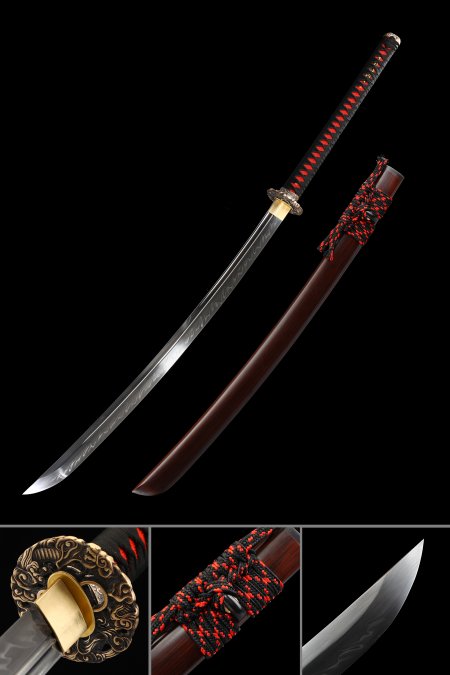
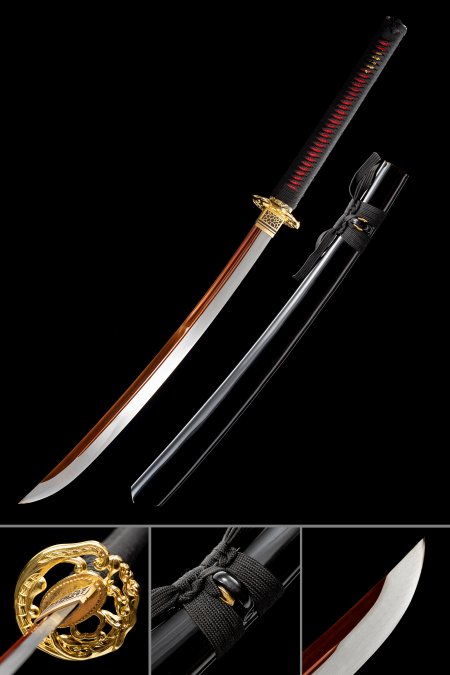
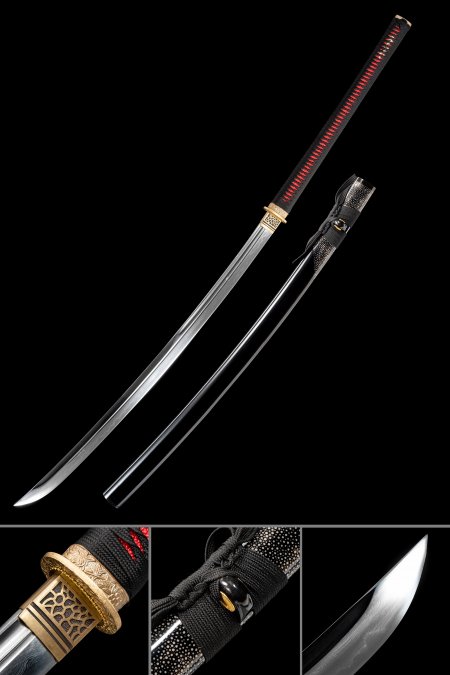
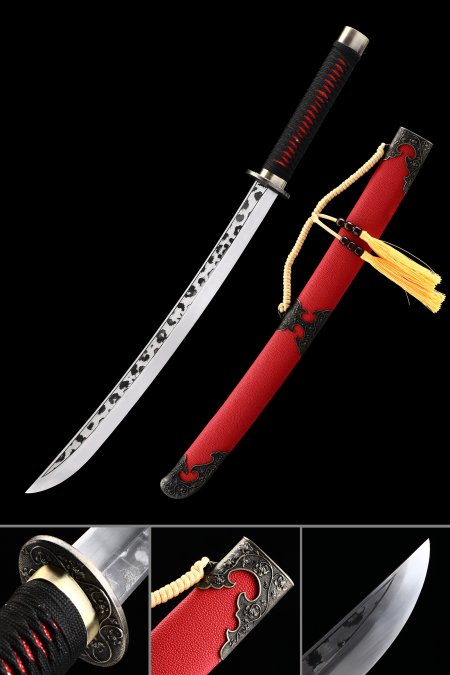
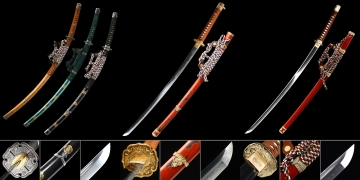
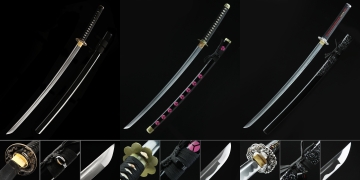
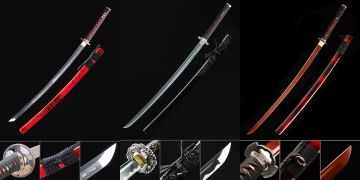
This collection features three distinct steel types, each with different visual and metallurgical characteristics. T10 high-carbon steel is clay-tempered to produce a genuine hamon — the misty temper line that forms along the blade during differential heat treatment and is unique to each piece. Manganese steel offers exceptional toughness and a clean, even grain suited to a polished finish. Damascus steel is created by folding and forge-welding multiple steel layers together, producing the layered surface patterning that makes each blade visually one-of-a-kind. All three are legitimate collector-grade materials, and your choice should reflect both your aesthetic preference and how closely you'll be examining the blade's surface detail on display.
How is a naginata different from a katana as a collectible?
The most immediate difference is scale and silhouette. A naginata is a polearm — the full assembled length typically exceeds 100cm and includes a long handle (nagae) that dramatically changes how the piece reads in a display environment. Where a katana commands a sword stand or wall mount horizontally, a naginata's proportions make it a visual centerpiece that draws the eye across the full length of the piece. The blade geometry also differs: a naginata blade is shorter and more curved than a katana blade, designed for reach rather than the close-draw technique associated with sword use. For collectors, the naginata's relative rarity compared to katana pieces makes it a meaningful addition that signals a more advanced or specialized collection.
What does a real hamon look like, and why does it matter?
A genuine hamon is the visible boundary line between the hardened edge and the softer spine of the blade, created during clay tempering when differential cooling causes the steel's crystalline structure to change at different rates. Under good lighting, an authentic hamon appears as a misty, undulating band of activity — often containing visible features called nie (bright crystalline spots) and nioi (a finer, smoky haze). It is never perfectly uniform, and no two are identical. This matters to collectors because a real hamon is the visual record of the heat treatment process itself, not an applied finish. Etched or painted hamon imitations appear flat and repeat predictably. Authenticating a genuine hamon is one of the first skills serious collectors develop.
How should I store and maintain a lacquered naginata display piece?
Lacquered saya should be kept away from prolonged direct sunlight, which can cause the finish to fade or crack over time. For the steel blade, apply a light coat of high-grade mineral oil or traditional choji oil every three to six months to prevent surface oxidation, especially in humid environments. When handling, use a soft cloth or cotton gloves to avoid transferring moisture and natural oils from your hands onto the blade or lacquer surface. Store horizontally or on a proper naginata stand rather than propped at steep angles, which can stress the handle joint over time. If the piece came with a bag or wrapping, keeping it covered when not on active display significantly extends the life of both the lacquerwork and the steel's surface condition.
Is a naginata a good display centerpiece for a Japanese-themed room?
Yes — its elongated silhouette makes it one of the most architecturally striking pieces in classical Japanese arms collecting. The black and red color combination in this collection works particularly well against neutral walls, natural wood, or dark lacquered furniture. A naginata displayed horizontally on a traditional wall mount draws the eye along its full length, creating a sense of motion and dimension that shorter pieces cannot achieve. Many collectors pair a naginata with a coordinating katana or tanto display below it, using matching saya colors or tsuba motifs to create visual cohesion. The wave and floral tsuba designs in this collection reference classical Japanese decorative vocabulary, which integrates naturally into both traditional and contemporary Japanese-influenced interior aesthetics.