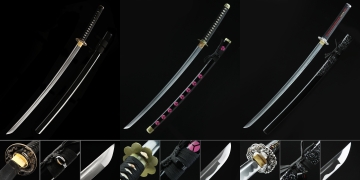
What makes tachi different from a katana for collectors?
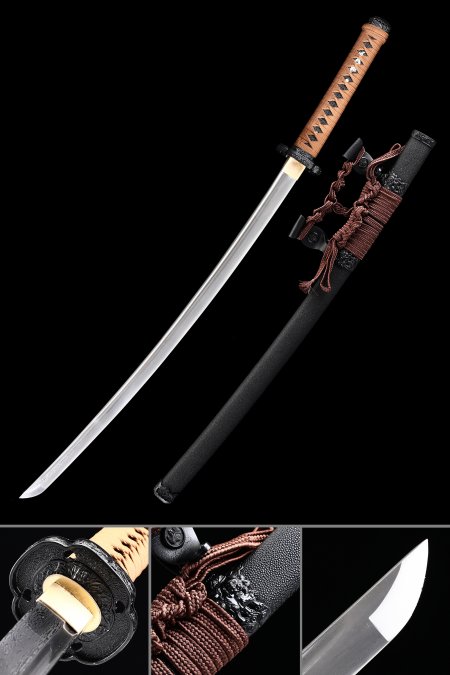
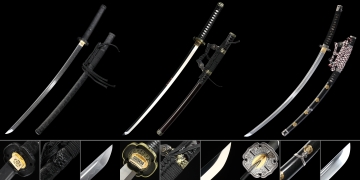
The tachi predates the katana by several centuries and differs in three measurable ways that matter to collectors. First, tachi typically measure 70 cm or more in blade length, longer than the standard katana. Second, the curvature (sori) is more pronounced and positioned closer to the base of the blade rather than toward the middle. Third, tachi were traditionally worn suspended edge-downward from the belt, while katana are worn edge-up through the obi. For display purposes, this means a tachi should ideally be mounted horizontally with the edge facing down to honor its historical orientation. Collectors who understand this distinction often find tachi more compelling as display centerpieces precisely because the form communicates an earlier, more formal chapter of Japanese sword history.
What does a black tsuba add to a tachi's collectible value?
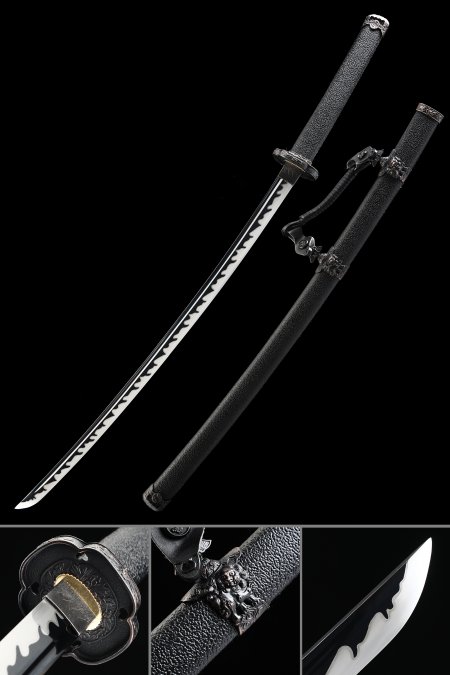
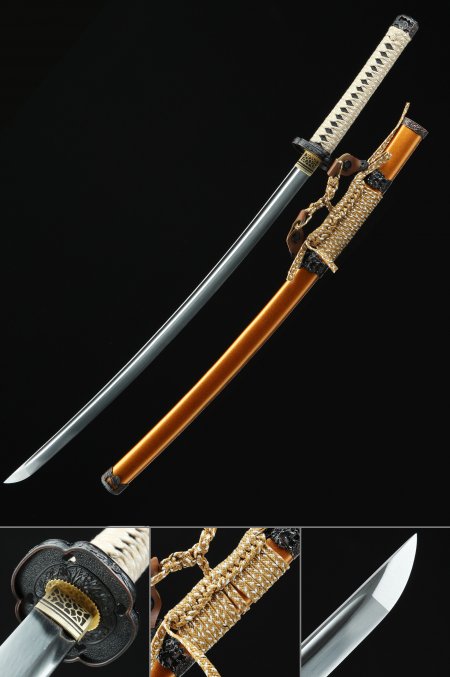
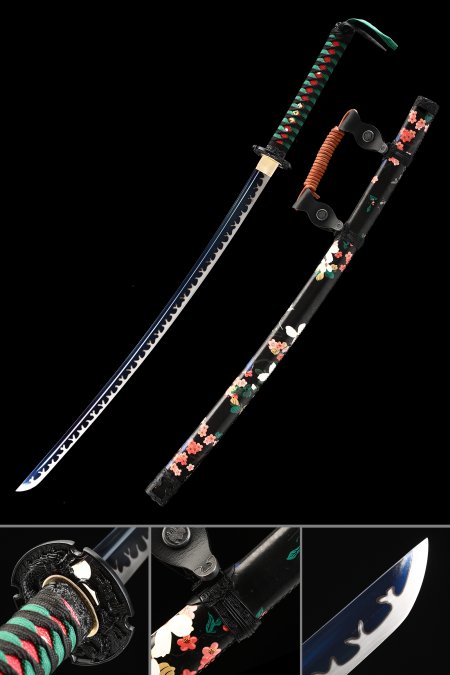
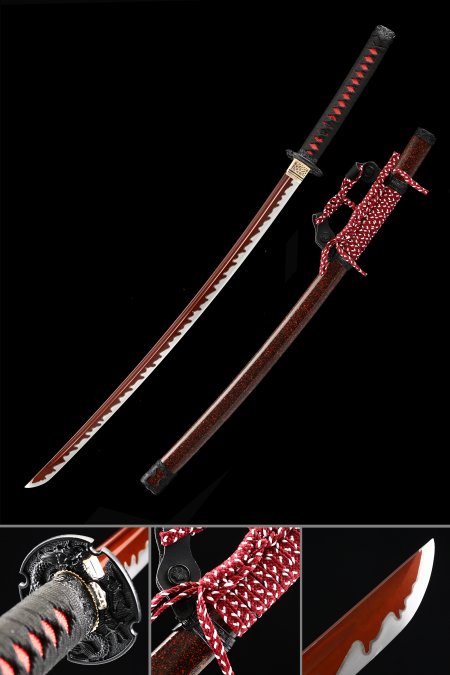
A black tsuba does more than provide visual contrast against a polished blade — it establishes a distinct aesthetic lineage. Dark iron or lacquered-alloy guards were commonly associated with more austere, functional sword-fitting traditions, and they remain highly regarded among collectors who appreciate understated drama over ornate gilding. On a tachi, where the overall length and curvature already command attention, a black tsuba acts as a compositional anchor, drawing the eye to the transition point between blade and handle. Carved motifs — dragons, chrysanthemums, scrollwork — become more visible against a dark ground than they would on a bright polished surface. For collectors, a well-executed black tsuba with relief carving is a sign of considered craftsmanship rather than decorative excess.
How do 1095, manganese, and Damascus steel differ in these swords?
Each steel type in this collection produces a meaningfully different collectible character. 1095 high-carbon steel is a traditional single-alloy steel that takes a clean, consistent finish and is valued for its bright, polished appearance and established place in Japanese-style sword construction. Manganese steel contains added manganese that increases toughness and produces a slightly different grain structure visible on the polished flat of the blade — collectors often note a subtle warmth in its surface compared to plain carbon steel. Damascus steel, also called pattern-welded steel, is created by folding and forge-welding multiple steel layers together, producing a flowing surface pattern unique to each blade. No two Damascus blades look identical, which is a significant factor for collectors who value individuality. The trade-off is that Damascus requires slightly more attentive maintenance to prevent oxidation along the layer boundaries.
How should I store and display a tachi long-term?
Long-term display of a tachi requires a few specific considerations that differ from shorter swords. Because of the blade's length and curvature, a horizontal wall mount or a dedicated tachi stand that supports the sword at two points — near the habaki and near the tip end of the saya — prevents stress on the saya over time. Always display a tachi edge-downward to match its historical carry orientation and to avoid putting lateral pressure on the saya's interior. For storage in humid climates, a sword bag (katana bag or similar) with a light silica gel pack nearby manages ambient moisture without sealing the blade in a way that traps condensation. Apply a thin coat of choji or mineral oil to the blade every three to six months, wiping off any excess before returning it to the saya. Keep the saya dry and avoid prolonged direct sunlight, which can fade lacquer and dry out wood fittings.
Is a black tsuba tachi a good gift for a Japanese sword enthusiast?
For someone who already collects Japanese swords, a black tsuba tachi is an excellent choice precisely because the tachi form is underrepresented in most entry-level collections, which tend to focus on katana. Gifting a tachi introduces a longer, more curved silhouette with distinct historical context, making it a meaningful addition rather than a duplicate. The black tsuba specifically appeals to collectors who favor monochromatic or dark-toned display themes. When selecting a gift, consider matching the saya style to the recipient's existing display aesthetic — lacquered hardwood saya for a traditional look, leather-wrapped saya for a more dramatic presentation. A tachi displayed on a proper horizontal stand makes an immediate visual statement in any room and signals that the giver understands the subject, which is always appreciated by enthusiasts who take their collections seriously.