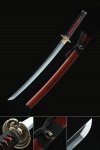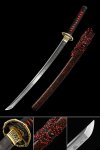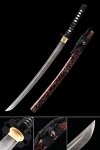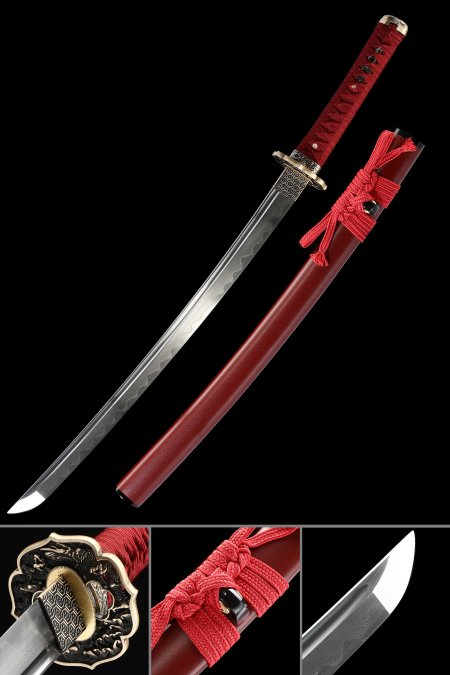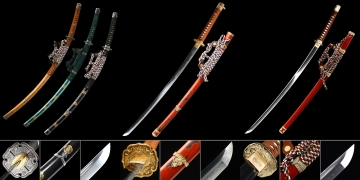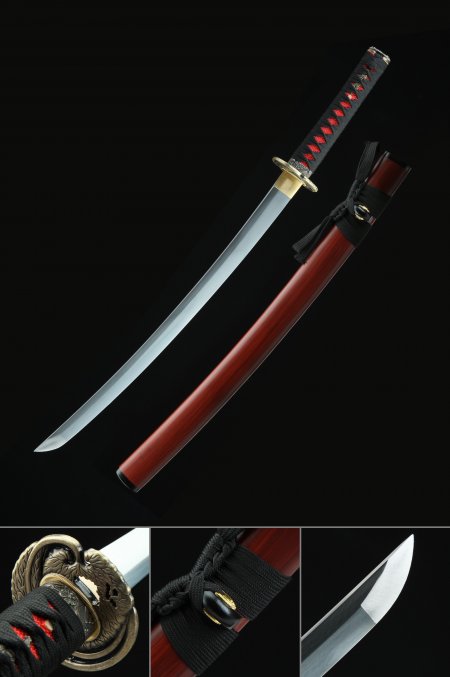
Dark Red Saya Wakizashi

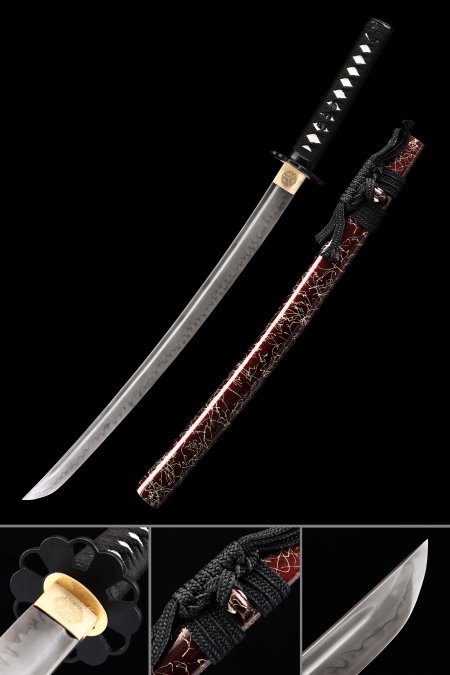
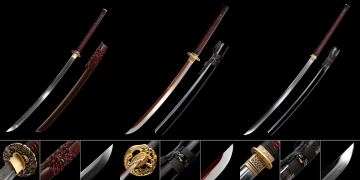
Each wakizashi in this collection pairs a hand-crafted blade with a deep crimson lacquered saya, creating display pieces that command attention on any collector's shelf. From folded manganese steel to T10 carbon and hand-laid Damascus, the steel choices reflect serious craftsmanship, while ornate tsuba designs - brass serpents, gold chrysanthemums, and carved vines - complete the aesthetic. Enjoy free standard shipping on your order, plus hassle-free returns for peace of mind.
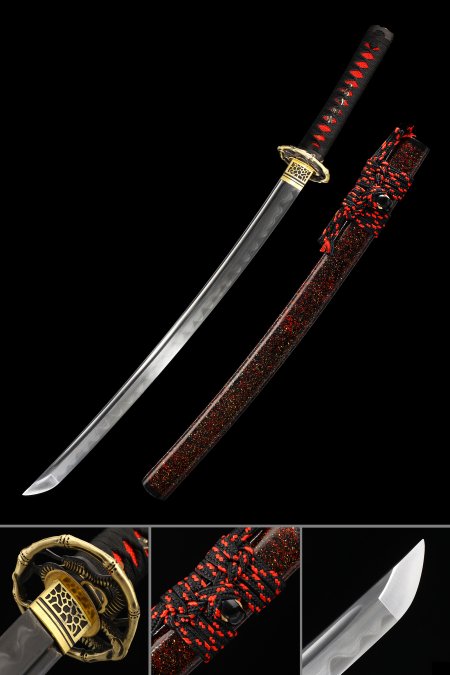
Showing 4 Products

Frequently Asked Questions

What makes dark red lacquer saya different from natural wood saya?
A dark red lacquered saya is built up through multiple coats of tinted lacquer applied over a hardwood core, with each layer sanded smooth before the next is added. This process creates a surface that is denser, more moisture-resistant, and visually deeper than bare or oil-finished wood. The lacquer also seals the wood grain entirely, giving the saya a consistent jewel-like color rather than the natural variation of plain hardwood. From a preservation standpoint, lacquer offers better protection for the blade's interior environment - it resists humidity transfer more effectively than untreated wood, which matters for long-term display of carbon steel blades. The visual depth of a well-lacquered saya, especially in a rich crimson tone, is also a deliberate aesthetic choice rooted in Edo-period Japanese decorative tradition, where scabbard lacquerwork was considered its own distinct craft discipline.
How does T10 steel differ from Damascus steel in a wakizashi?
T10 is a high-carbon tool steel containing roughly 1.0% carbon with a small silicon addition, valued for its ability to produce a vivid, naturalistic hamon - the temper line that forms when the blade is clay-coated and quenched. The hamon on a T10 wakizashi is a genuine metallurgical feature, not an acid-etched pattern, and it varies along the blade's length in organic, flowing shapes. Damascus steel, by contrast, is made by forge-welding two or more alloys together and drawing the billet out repeatedly, creating layered patterns visible across the entire blade surface. A Damascus wakizashi displays its character through surface patterning rather than a temper line. Both are legitimate collector choices: T10 appeals to those focused on traditional Japanese blade aesthetics, while Damascus suits collectors drawn to the decorative dimension of the smith's craft. Neither type is mass-produced from a single steel pour - both require considerable forge work.
What is hada, and can I see it on a folded steel wakizashi?
Hada refers to the surface grain pattern that forms when steel is repeatedly folded and forge-welded during hand forging. As the smith folds the billet - sometimes hundreds of times - carbon distributes more evenly and microscopic layers of slightly different density create a visual texture across the polished blade face. On a 1000-layer folded steel wakizashi, this hada appears as a fine, wood-grain-like shimmer that shifts as light moves across the blade. It is best observed under a single directional light source - an angled desk lamp or natural window light works well. Hada is one of the features that distinguishes hand-forged blades from stock-removal or machine-ground production pieces, and it is a primary criterion that serious collectors use to assess the level of craftsmanship invested in a blade.
How should I store a dark red saya wakizashi long-term?
For long-term display and storage, keep the wakizashi horizontal or at a gentle angle with the edge facing upward - this is the traditional orientation and prevents pooling of any residual oil against the saya's interior lining. Maintain the display environment at moderate humidity, ideally between 40-55% relative humidity; both very dry and very damp conditions can cause a lacquered saya to develop fine cracks over time. Carbon steel blades (T10, Damascus, folded steel) should be lightly wiped with a food-grade or blade-specific mineral oil every three to six months to prevent surface oxidation. Avoid storing the blade seated tightly in the saya for years without periodic removal, as natural wood can compress against the blade and make extraction difficult. A dedicated sword stand or wall mount that supports the full length of the saya prevents warping stress on both the saya and the blade's geometry.
Is a wakizashi a good display gift for someone new to collecting?
A wakizashi is widely considered an ideal entry point for new collectors, and a dark red saya example makes the case visually before any explanation is needed. The shorter blade length means it fits comfortably on a standard bookshelf stand or desktop display without requiring dedicated wall space, which a full-length katana demands. The variety of steel options in this collection - from manganese steel for those who appreciate a tough, resilient blade to T10 for those fascinated by hamon aesthetics - means you can match the piece to the recipient's interests. For gifting, a wakizashi with detailed metalwork fittings (an ornate brass tsuba, gold-tone chrysanthemum guard) reads immediately as a deliberate, crafted object rather than a generic decorative item, which tends to resonate with recipients who have no prior exposure to Japanese blade collecting but appreciate handmade artisanal objects.

Customer Reviews