ON SALE 20% OFF
$169.00$209.00

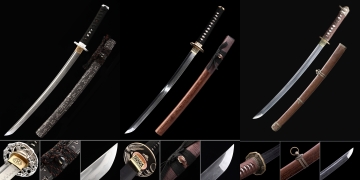
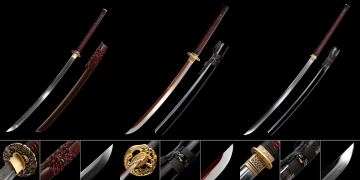
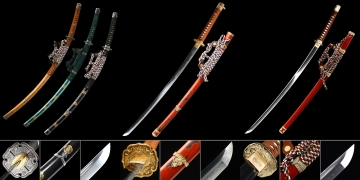
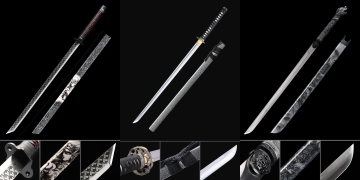
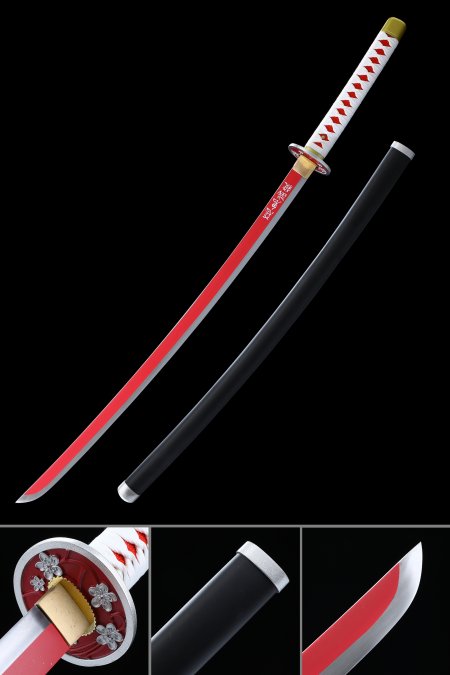
Dark red tsuba katana pieces in this collection bring together deep crimson fittings and hand-forged carbon steel blades in a striking display of classical Japanese sword aesthetics. Each piece is assembled with full-tang construction, traditional ray-skin wrapping, and ornate guard work that collectors and enthusiasts appreciate for both visual drama and authentic craftsmanship. Every order ships free with hassle-free returns, so adding a standout piece to your display is completely risk-free.
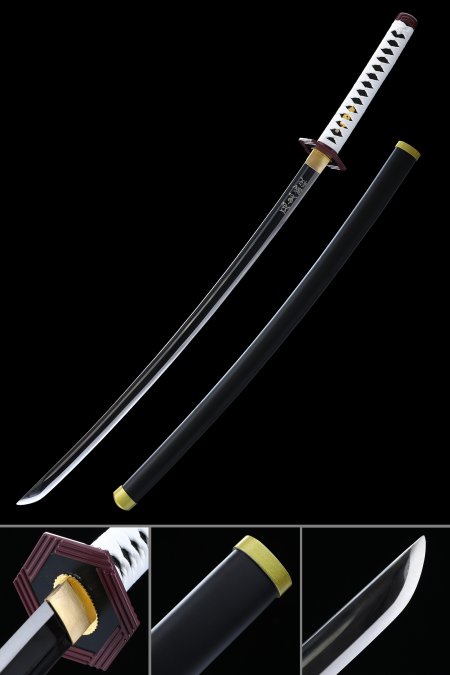
Beautiful 😍 😍 😍 😍 my favorite katana giyu tomioka now im ready thanks guys✌🏾💯
 |
Giyu Tomioka Sword - Kimetsu No Yaiba Water Hashira Nichirin, 1045 Carbon Steel, Hexagonal Tsuba |
Great sword for decoration. Did come with a chip in the blade but you get what you pay for. would still recommend as it was a great birthday gift for my demon slayer loving boyfriend.
|
Giyu Tomioka Sword - Kimetsu No Yaiba Water Hashira Nichirin, 1045 Carbon Steel, Hexagonal Tsuba |
Amazing experience! Order was delivered properly and got here honestly quite promptly. The katana is truly amazing and the details are insane, 10/10 would recommend as a gift or a personal collectible, absolutely in LVOE with it🙏
|
Giyu Tomioka Sword - Kimetsu No Yaiba Water Hashira Nichirin, 1045 Carbon Steel, Hexagonal Tsuba |
Extremely quick delivery. The sword is absolutely beautiful and is perfect.
|
Giyu Tomioka Sword - Kimetsu No Yaiba Water Hashira Nichirin, 1045 Carbon Steel, Hexagonal Tsuba |
Came in a day earlier then expected.
The blade is very shard Can cut paper easily can cut boxes with a clean cut plastic with a clean cut and rope as well as other materials it’s truly razor sharp
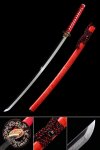 |
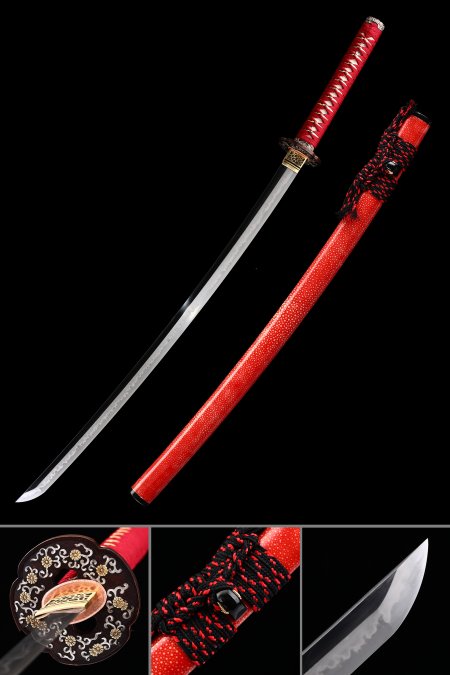
T10 Carbon Steel Katana with Red Rayskin Saya - Chrysanthemum Tsuba, Full Tang Blade |
It was a gift for my son, and he’s really happy with his Katana. Packaging was perfect, the sword was well protected. Delivery took a couple of weeks (US to Europe, I think?), but was ahead of schedule.
|
Giyu Tomioka Sword - Kimetsu No Yaiba Water Hashira Nichirin, 1045 Carbon Steel, Hexagonal Tsuba |
First time buyer and I must say that I’m all in! At first I was unsure but took the gamble and now there are no regrets! Quick ship and well-packaged. Already bought another sword!
|
Giyu Tomioka Sword - Kimetsu No Yaiba Water Hashira Nichirin, 1045 Carbon Steel, Hexagonal Tsuba |
Great products and service! Fast delivery! My son loves his new swords!!
|
Giyu Tomioka Sword - Kimetsu No Yaiba Water Hashira Nichirin, 1045 Carbon Steel, Hexagonal Tsuba |