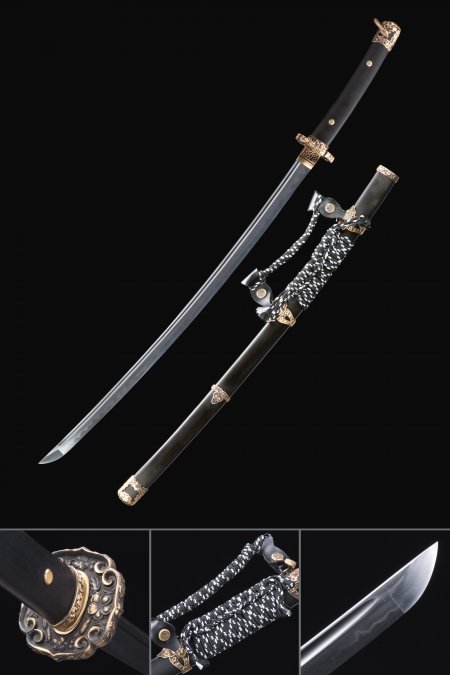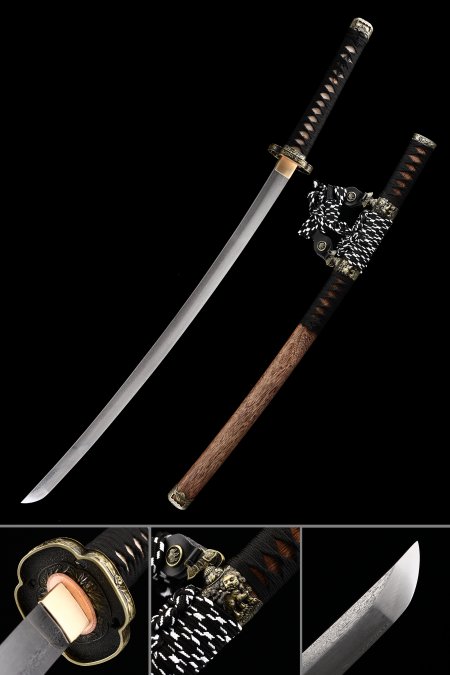
Flower Tsuba Tachi

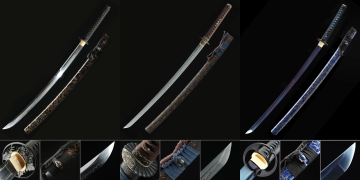
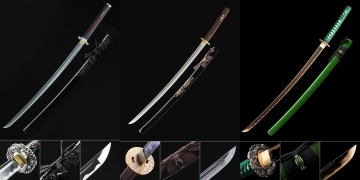
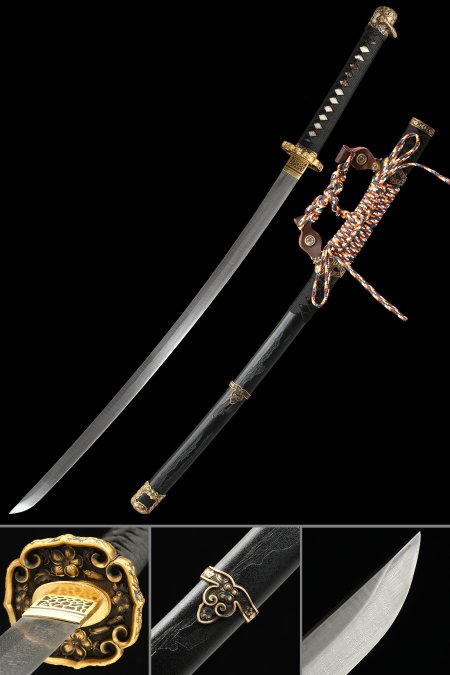
The Flower Tsuba Tachi collection brings together hand-forged tachi swords distinguished by intricately cast floral guard designs rendered in gold alloy — a detail that elevates each piece from fine metalwork to display-worthy art. Blades are crafted from Damascus or high-carbon steel with authentic clay-tempered hamon, fitted in lacquered hardwood saya for lasting presentation. Every order ships free with hassle-free returns, so adding a centerpiece to your collection is completely risk-free.
Showing 3 Products

Frequently Asked Questions

What makes a tachi different from a katana in form?
The tachi and katana are often confused, but their differences are meaningful to any serious collector. A tachi is generally longer — typically 70 cm or more along the cutting edge — and features a more pronounced curvature throughout the blade. Historically, it was worn suspended edge-down from the belt (tachi-style), while the katana was thrust edge-up through the obi. This carrying distinction drove real design differences: the tachi's deeper sori (curve) allowed a mounted rider to draw fluidly. On a display piece, you can often identify the tachi orientation by the placement of the mei (signature) on the tang — it faces outward when worn in the correct tachi position.
How does Damascus steel differ from T10 in these tachi blades?
Both steels produce visually striking blades, but through entirely different processes. Damascus steel is created by forge-welding multiple layers of steel together, then folding and drawing them out repeatedly. Acid etching afterward reveals the contrasting grain lines — a flowing, organic surface pattern unique to each blade. T10, by contrast, is a high-carbon tool steel valued for its consistency and responsiveness to clay tempering. When clay is applied to the spine before quenching, the edge cools faster and hardens more than the body, producing a genuine hamon — the visible temper activity line near the edge. Collectors who prioritize surface visual drama often prefer Damascus; those who value the authentic Japanese tempering tradition tend to seek T10 with a real hamon.
What is the historical significance of a floral tsuba design?
In feudal Japan, the tsuba was not merely a functional handguard — it was a canvas for artistic expression and a marker of the owner's taste and status. Craftsmen known as tsubako spent lifetimes mastering specific motifs, and floral designs were among the most enduring: cherry blossoms represented impermanence and beauty, while chrysanthemum patterns carried imperial associations. Gold-inlaid or gold-alloy floral guards were particularly associated with ceremonial and high-ranking presentation swords rather than field use. Collecting a tachi with a gold alloy flower tsuba is therefore a nod to this decorative tradition — a piece that reflects the aesthetic values of a specific historical moment in Japanese material culture.
How should I store and maintain a lacquered hardwood saya?
Black lacquer saya are durable but sensitive to humidity extremes. Ideal storage conditions are between 40–60% relative humidity — too dry and the lacquer can crack; too moist and the wood may swell, making the blade difficult to draw cleanly. Avoid placing the saya in direct sunlight for extended periods, as UV exposure will gradually dull the lacquer sheen. For the blade inside, apply a light coat of choji oil (or a food-grade mineral oil substitute) every few months using a soft cloth or nuguigami paper. When drawing or sheathing for display purposes, always support the saya at the koiguchi (mouth) to avoid stressing the wood grain around the opening.
Is a full-tang tachi a better display collectible than a partial-tang one?
For display and long-term collection purposes, full-tang construction is strongly preferred. In a full-tang blade, the steel extends the entire length of the handle beneath the grip wrap and same (ray skin), meaning the handle assembly is anchored to the complete blade structure rather than a stub. This matters for display stability: when a sword is mounted on a stand or removed and replaced repeatedly, a full-tang construction resists loosening at the handle far better over time. It also signals higher manufacturing standards, as full-tang forging requires more material and more precise fitting of the tsuka components. On a piece as detailed as a gold alloy flower tsuba tachi, full-tang construction ensures the fittings stay properly aligned and the overall presentation remains pristine.

Customer Reviews