FAST SHIP
Free Shipping
149.00 USD
ON SALE! 20% OFF
Was: 189.00 USD

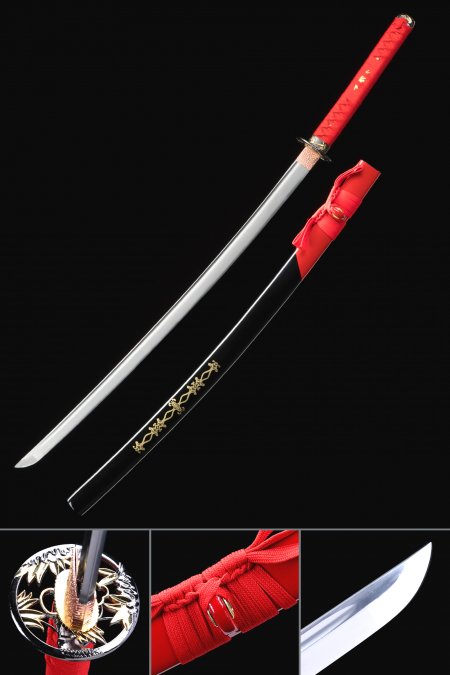
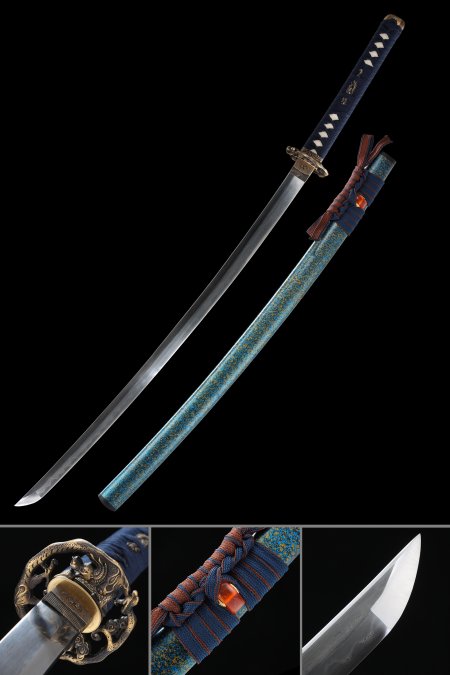
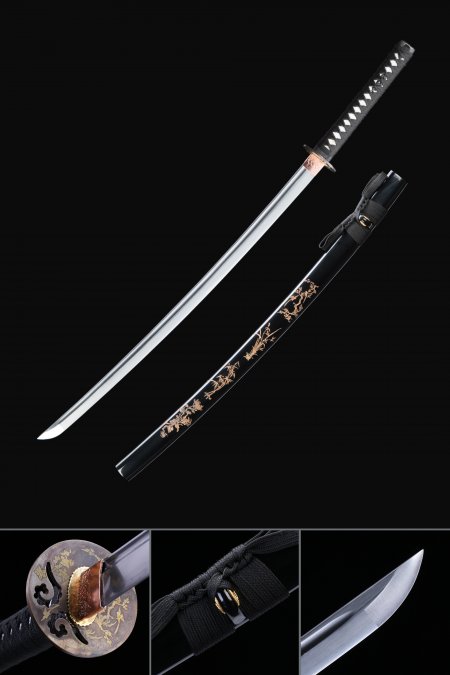
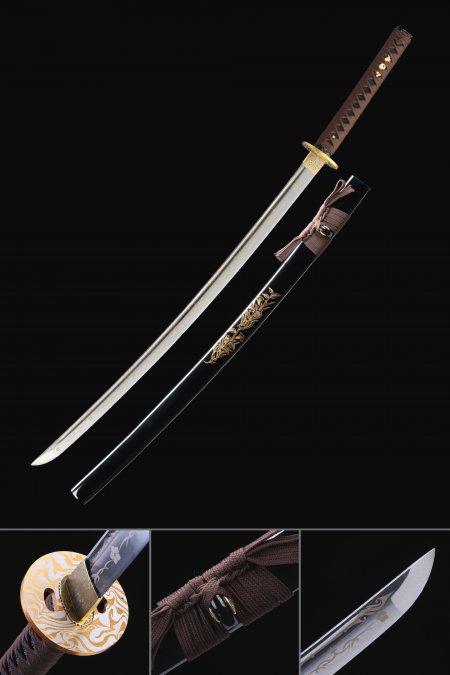
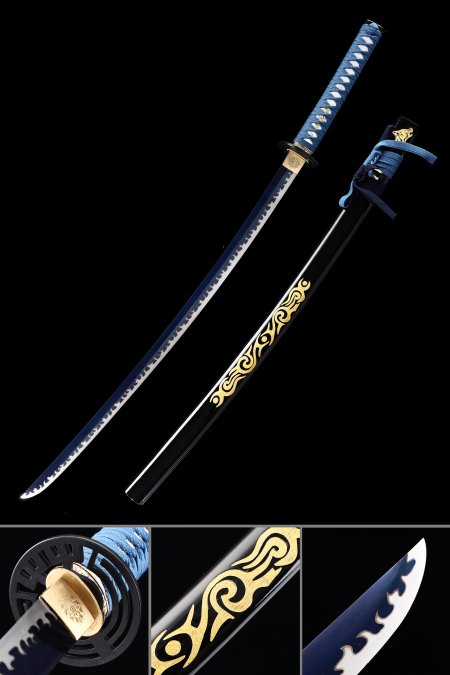
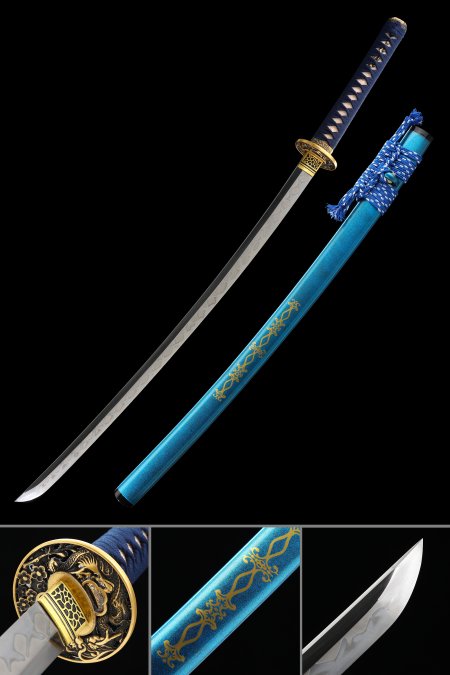
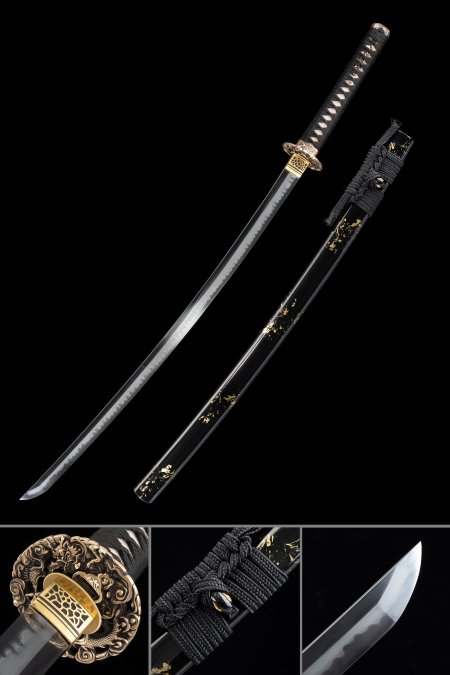
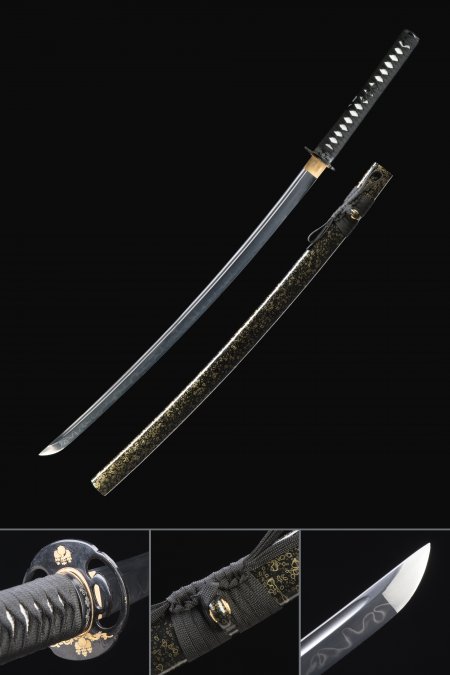
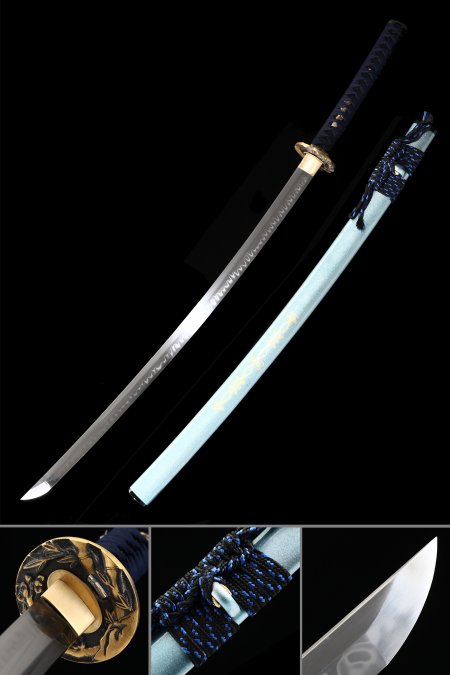
The Gold Vine Saya Katana collection brings together hand-forged blades dressed in lacquered saya featuring intricate gold vine engravings - a decorative motif rooted in classical Japanese craftsmanship. Each piece pairs high-carbon or clay-tempered steel with richly ornamented fittings, from floral copper tsuba to dragon-themed menuki, making every katana a centerpiece worthy of display. Enjoy free shipping on your order, backed by our hassle-free return policy.
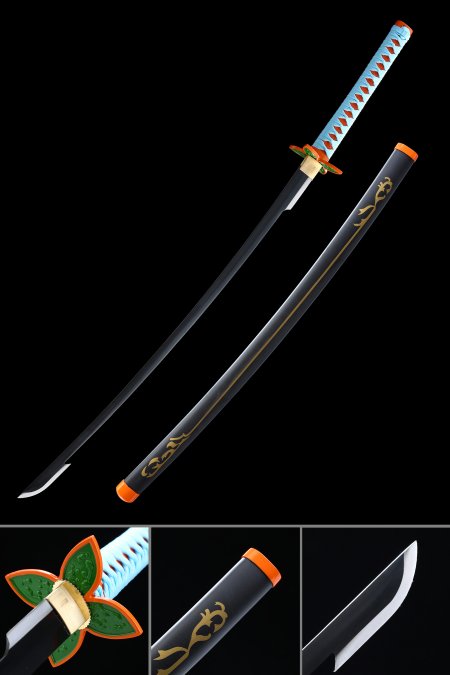
This was a very nice katana, exceeding my expectations based on the cost. It was my daughter's favorite Christmas gift and a great replica of the Shinobu katana from Demon Slayer
 |
Shinobu Sword - Kimetsu No Yaiba Insect Hashira Nichirin Replica, 1045 Carbon Steel, Butterfly Tsuba |
Absolutely beautiful!! I ordered the Shinobu katana for my best friend’s wife as a Christmas gift and it exceeded all my expectations! Will definitely buy from here again!!
|
Shinobu Sword - Kimetsu No Yaiba Insect Hashira Nichirin Replica, 1045 Carbon Steel, Butterfly Tsuba |
The handle rattles a bit, & I'm not sure that's normal. Great sword though.
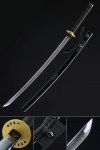 |
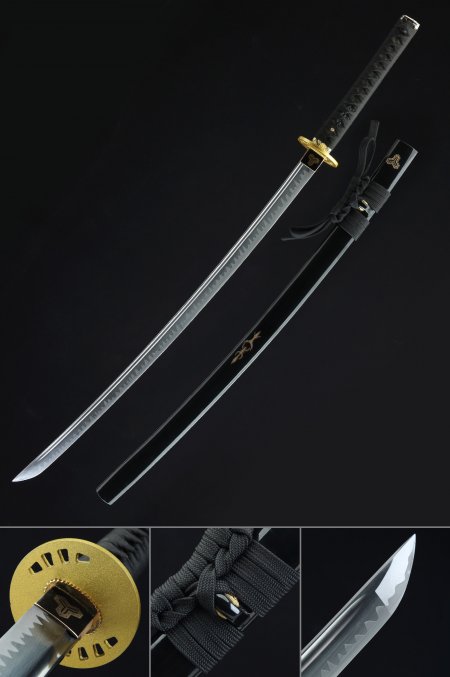
Kill Bill Hattori Hanzo Bride Katana - Clay Tempered Replica, 1045 Carbon Steel, Black Saya |
Arrived sooner than expected. Packaging was exceptional ensuring no damage to my blade. Note to order the rest of the set.
|
Kill Bill Hattori Hanzo Bride Katana - Clay Tempered Replica, 1045 Carbon Steel, Black Saya |
Great quality. Exactly as described. Arrived very quickly. Thank you
|
Kill Bill Hattori Hanzo Bride Katana - Clay Tempered Replica, 1045 Carbon Steel, Black Saya |
I bought it for my sister as a christmas gift and I'm surprised. I've shown my family and they all think it's beyond awesome! It's a little scratched up at the handle area, but for the price I can't complain at all, it was better than I expected.
|
Kill Bill Hattori Hanzo Bride Katana - Clay Tempered Replica, 1045 Carbon Steel, Black Saya |
Beautifully made and packaged well. Perfect condition and came as advertised. Made a perfect addition to my costume and is a piece worth hanging on the wall. I couldn't be more happy with this purchase, thank you for all the attention to detail when forging the sword and in making the handle.
|
Kill Bill Hattori Hanzo Bride Katana - Clay Tempered Replica, 1045 Carbon Steel, Black Saya |
Nice sword and good quality. Though i wouldve liked a much sharper sword.
|
Kill Bill Hattori Hanzo Bride Katana - Clay Tempered Replica, 1045 Carbon Steel, Black Saya |