FAST SHIP
1 Reviews
ON SALE 40% OFF
$189.00$309.00

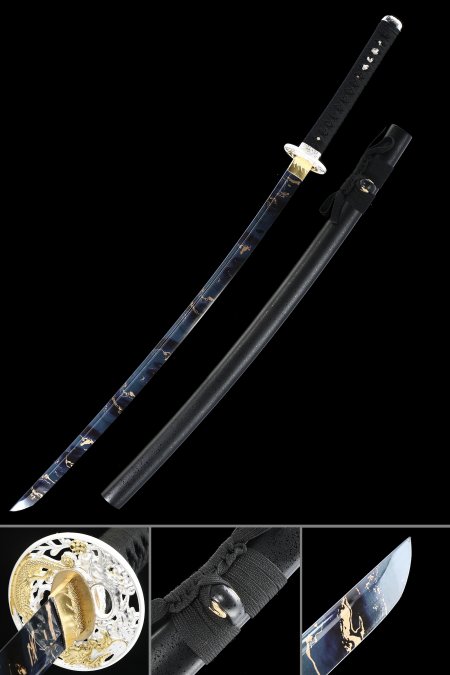
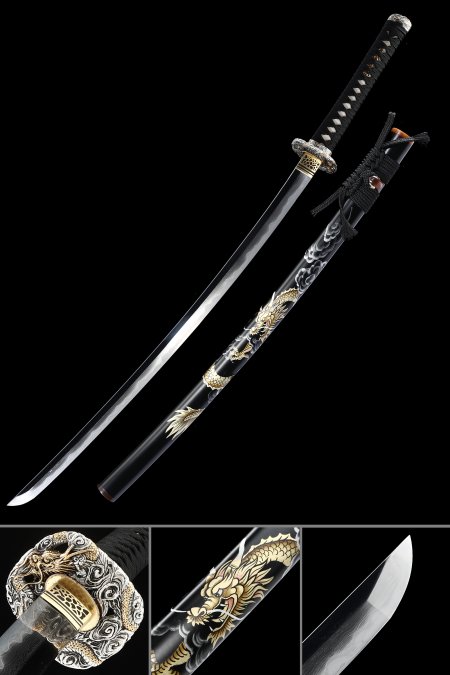
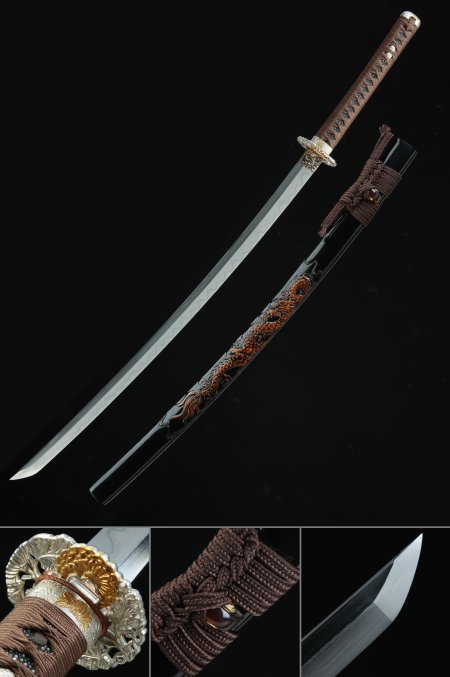
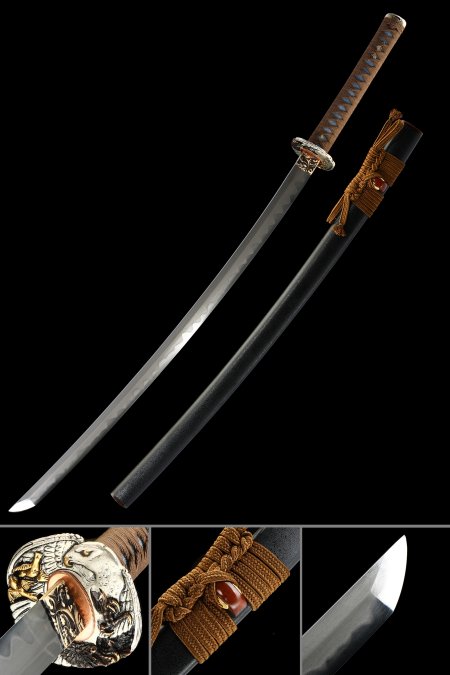
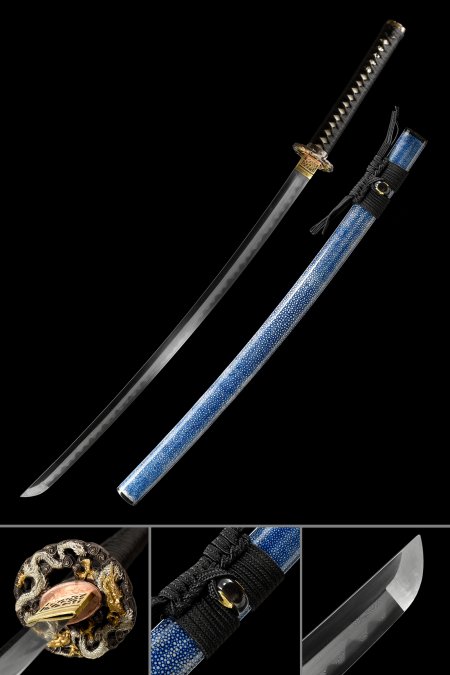
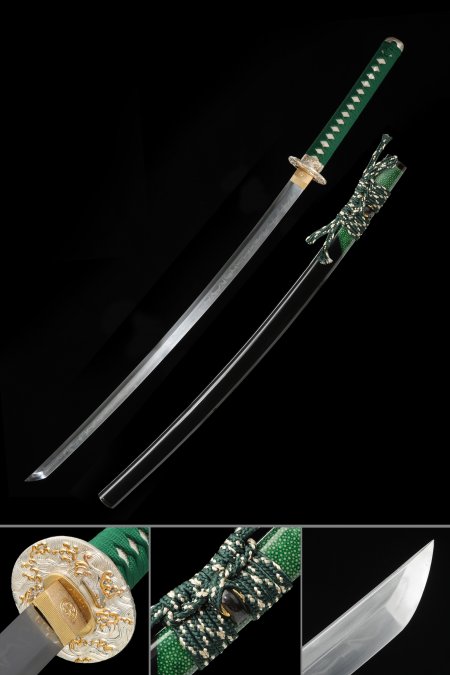
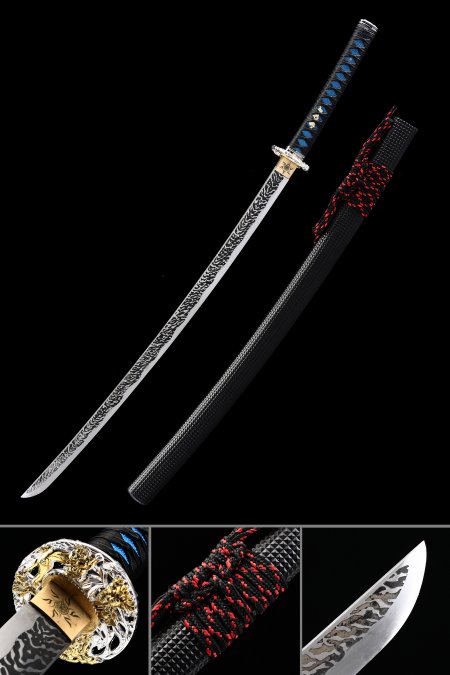
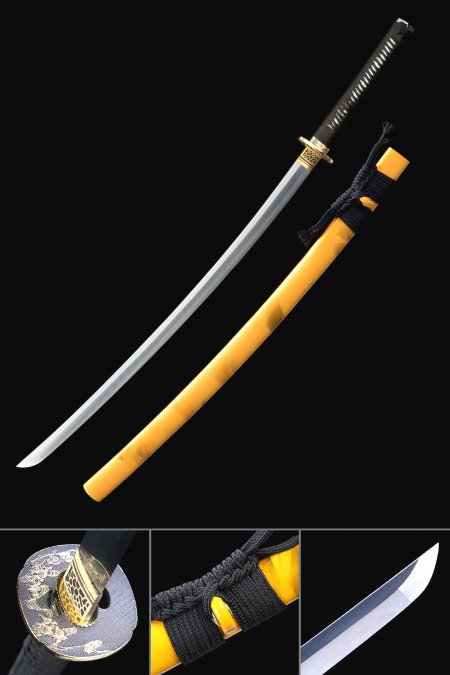
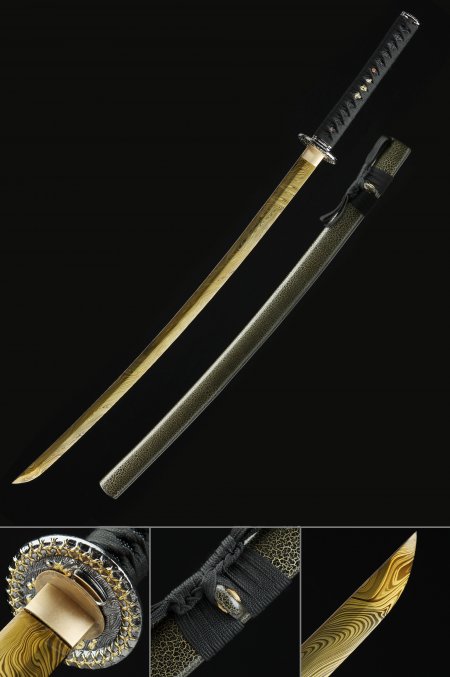
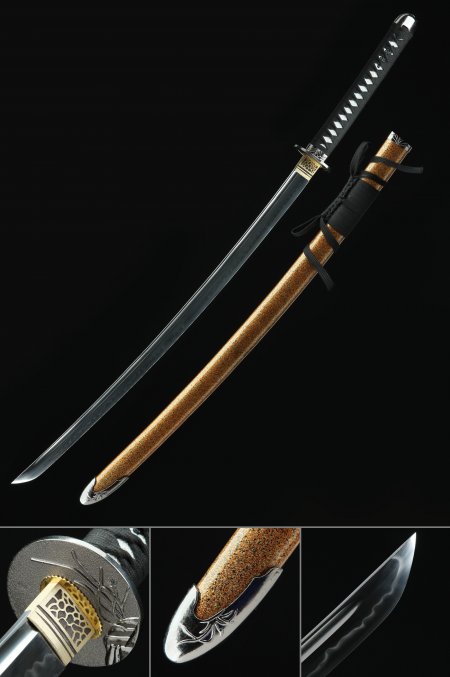
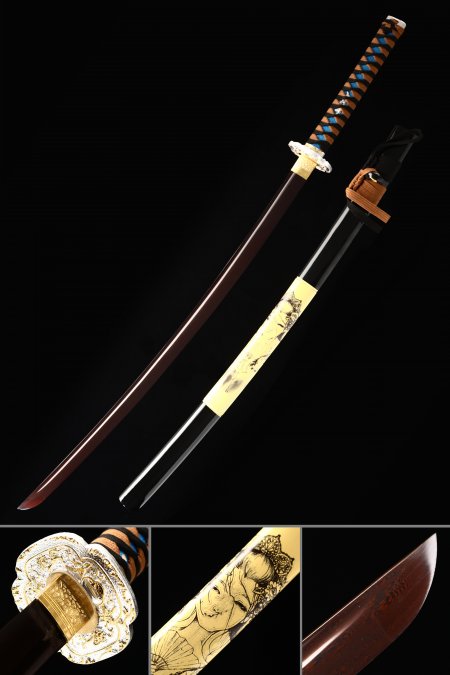
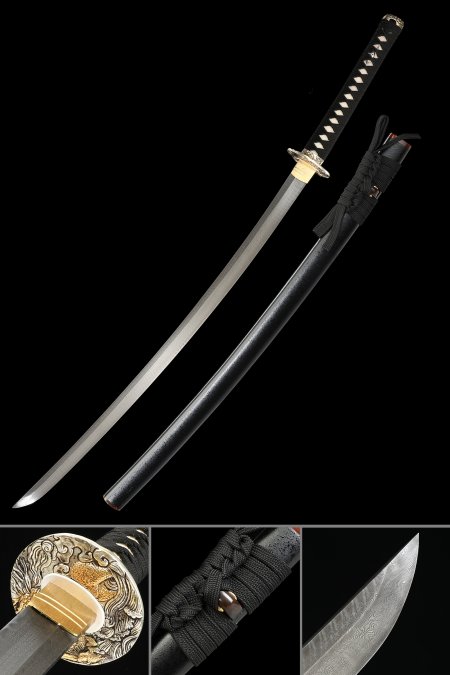
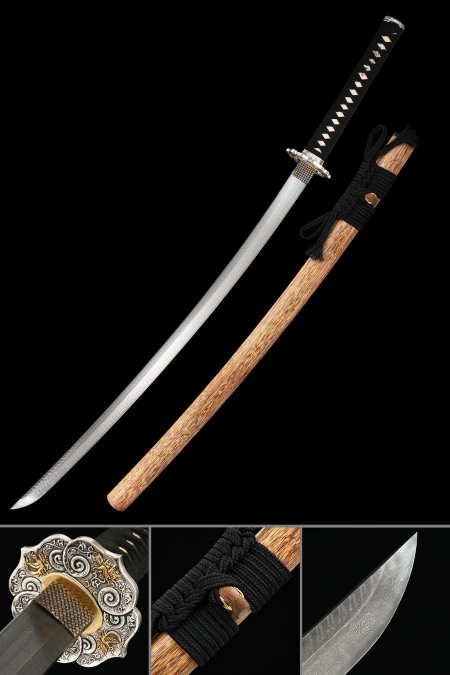
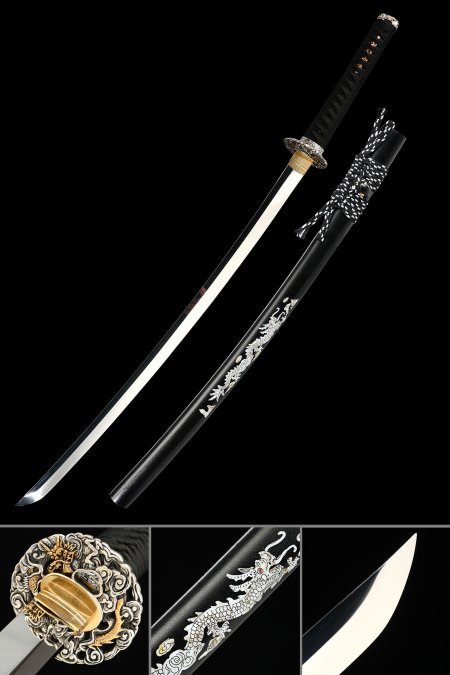
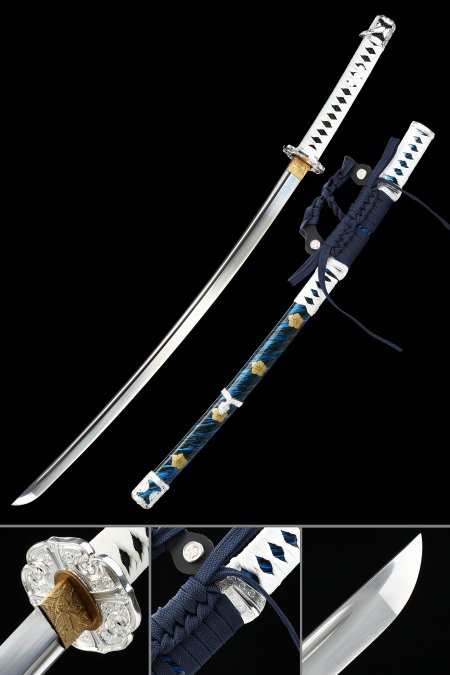
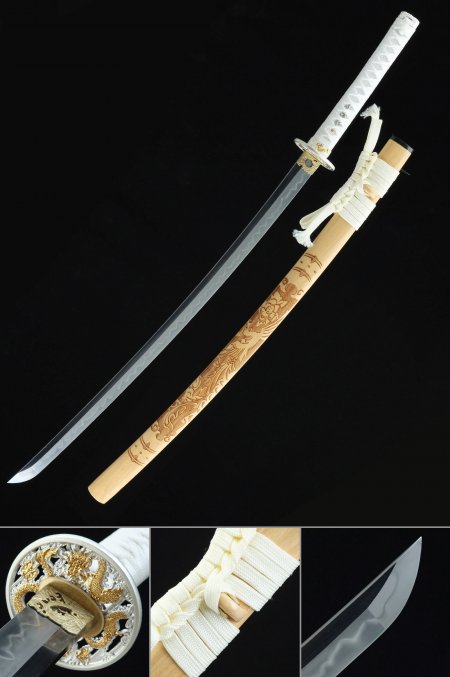
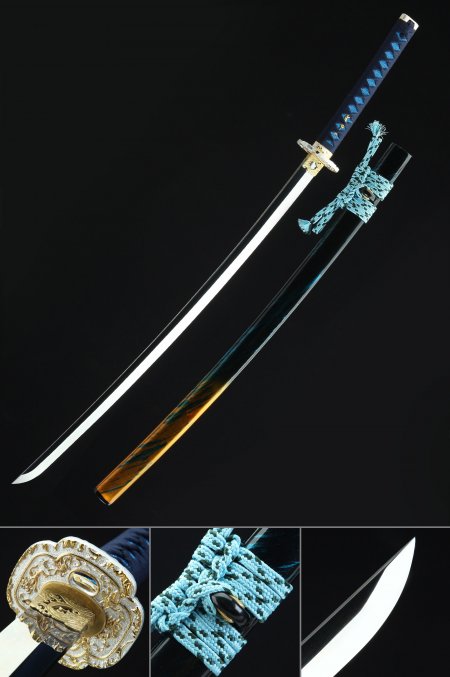
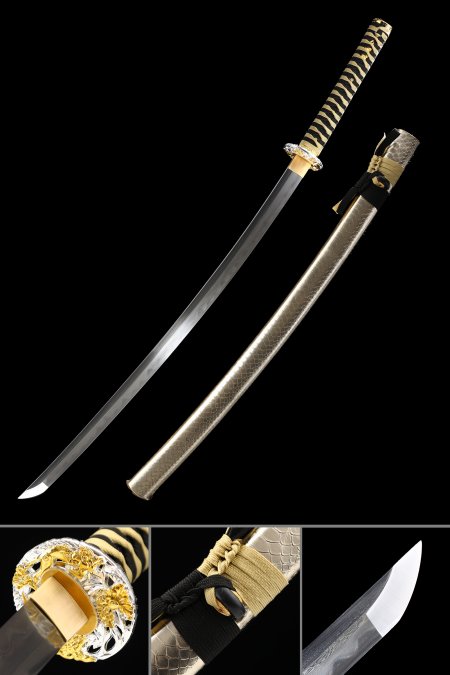
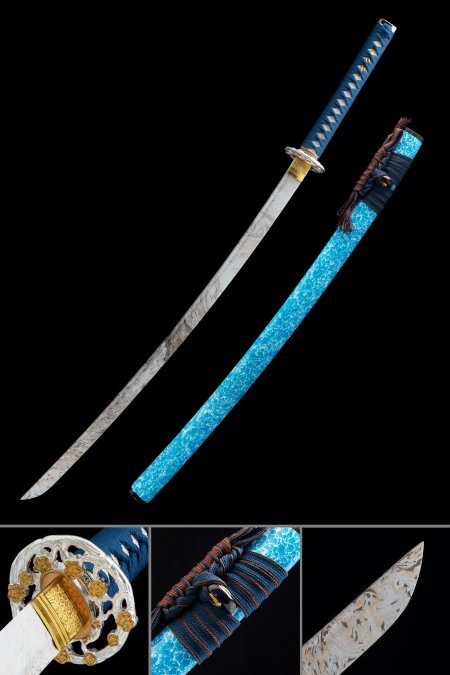
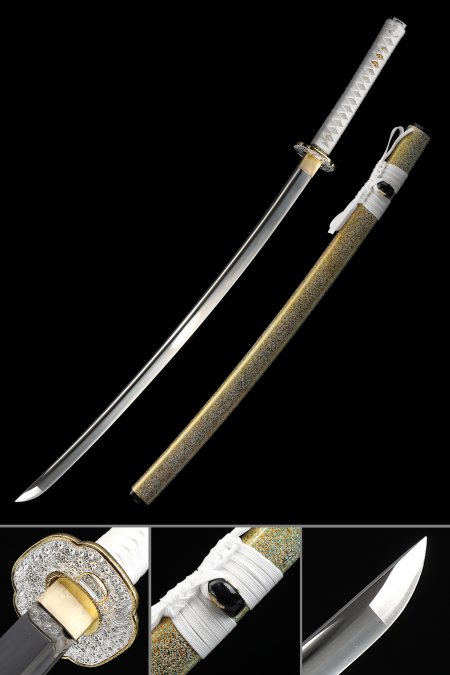
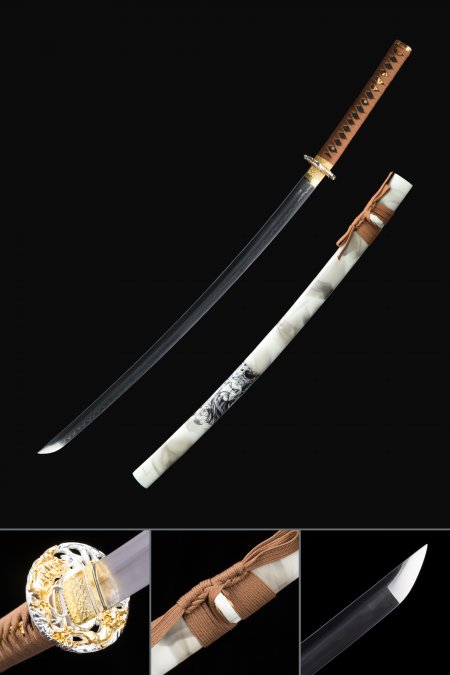
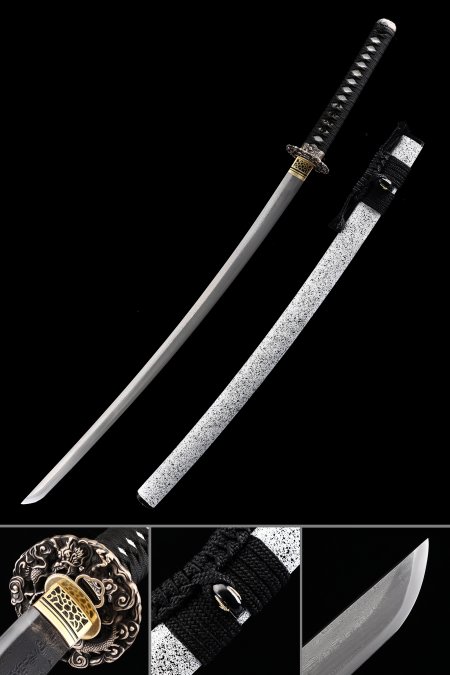
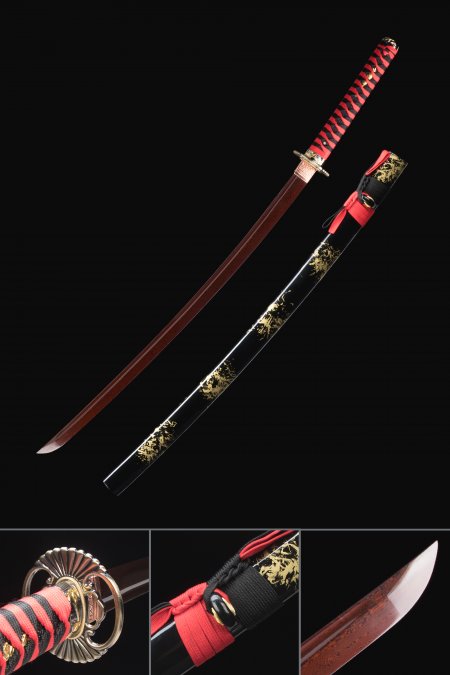
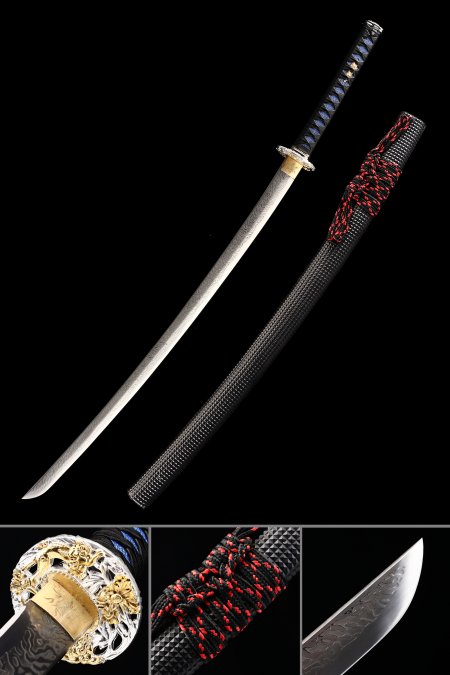
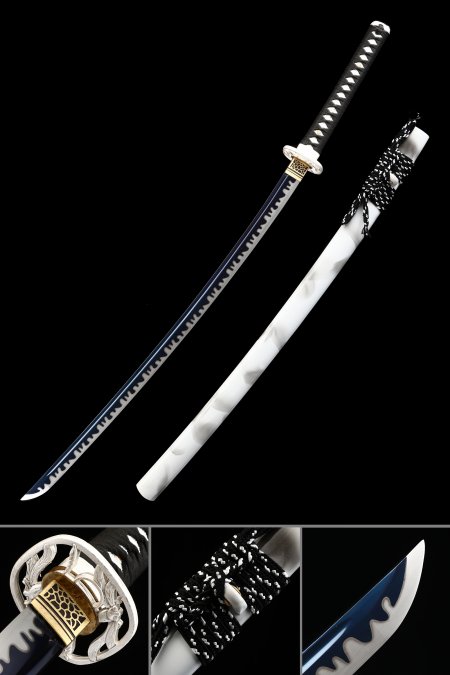
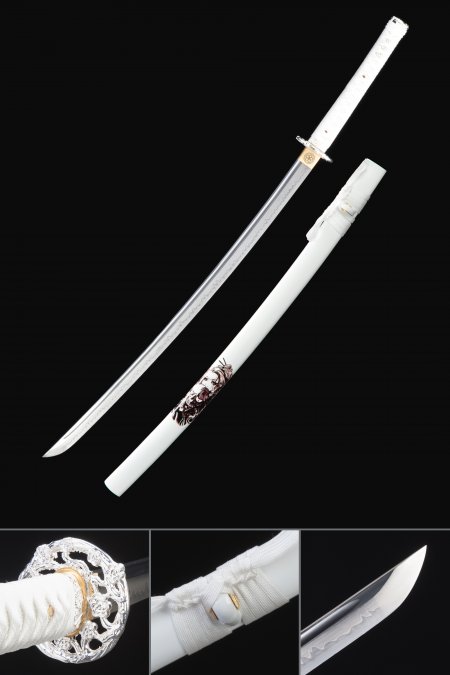
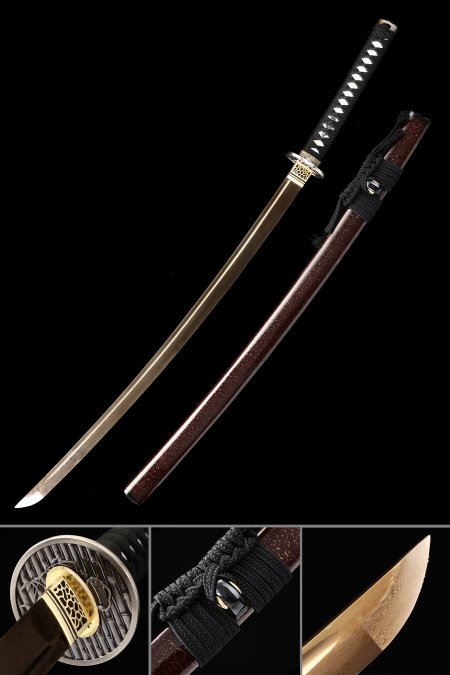
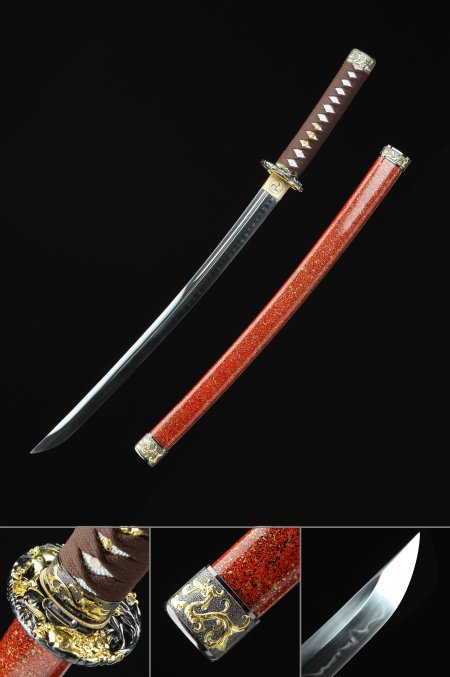
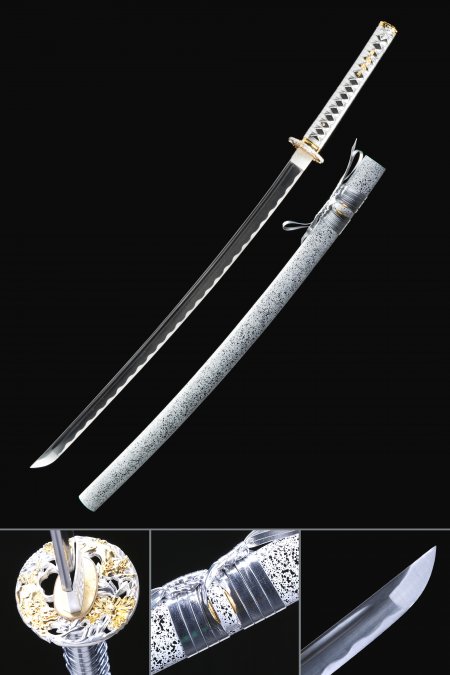
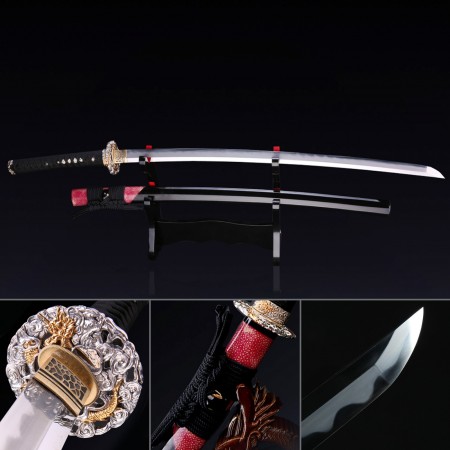
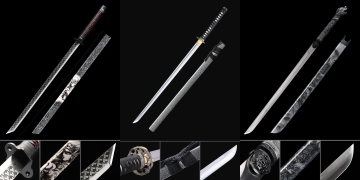
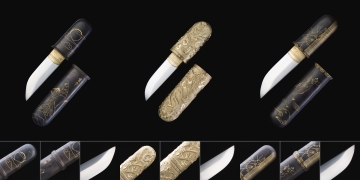
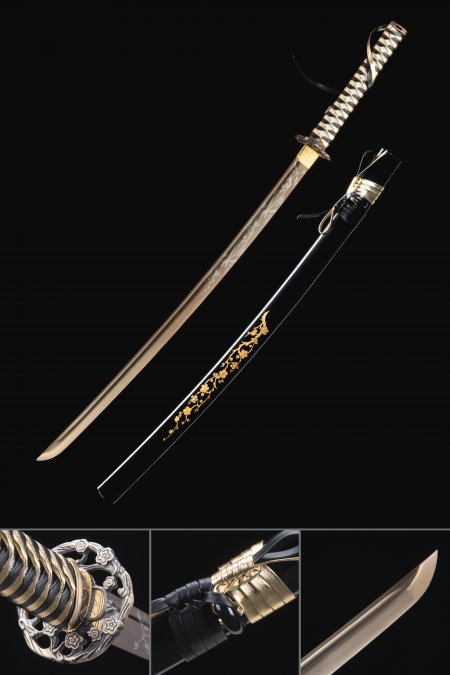
Silver and gold tsuba katana bring an unmistakable sense of ceremony to any serious collection. Each piece pairs hand-forged blades — from T10 and Damascus steel to spring steel and high-carbon alloys — with ornate guard fittings in polished silver or gilded gold tones, floral motifs, dragon reliefs, and chrysanthemum engravings. Whether displayed on a wall mount or housed in a lacquered saya, these katana reward close attention to detail. Every order ships free with hassle-free returns, so adding a statement piece to your collection is always risk-free.
The katana itself is glorious, absolutely glorious. A worthy piece of craftsmanship. However, when I ordered a “full-tang” blade, I thought the sword would he fucntionally sharpened. It’s essentially a blunt-edged blade, no cutting ability whatsoever.
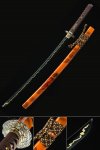 |
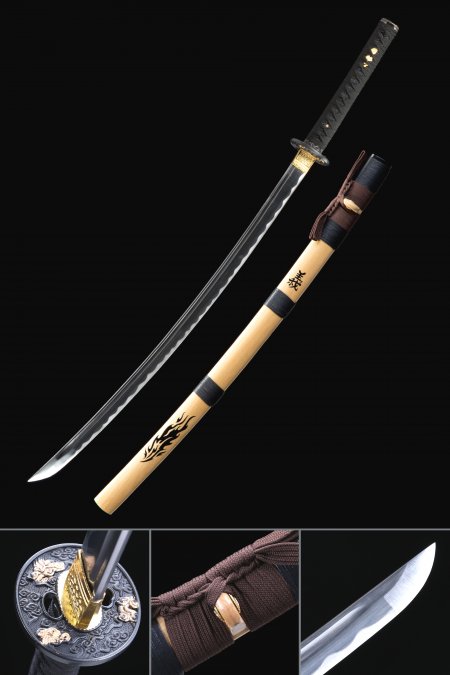
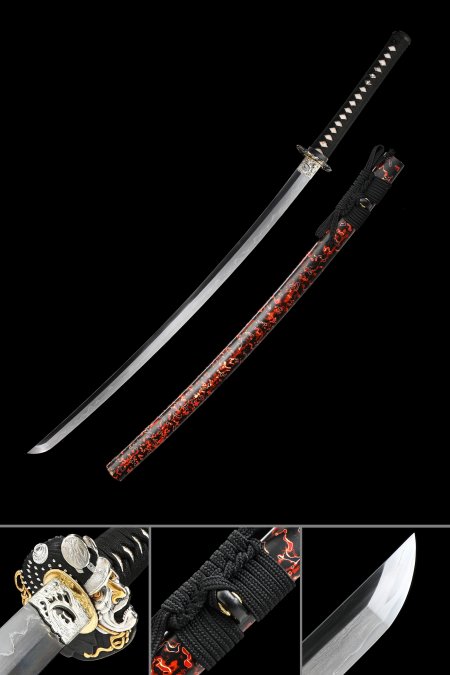
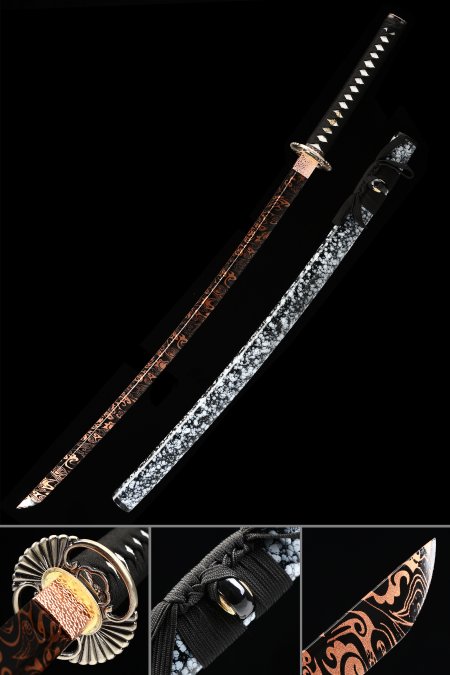
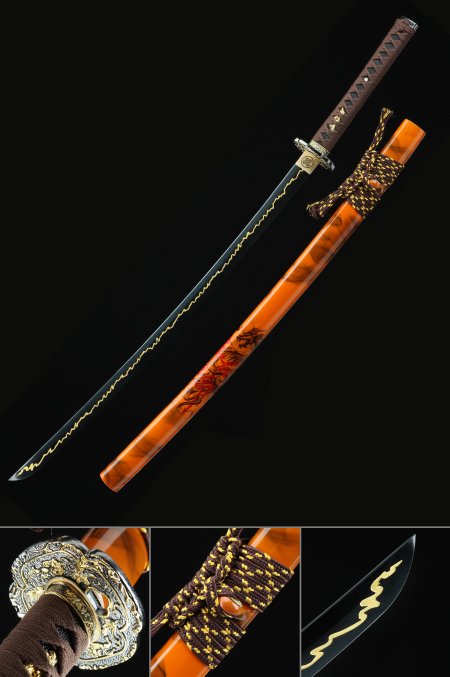
Clay Tempered T10 Carbon Steel Katana with Lightning Hamon in Orange Dragon Saya - Brown Ito Handle |
Great gift for my son. He loves the color and it's exactly what we expected! Looking to buy a green colored katana next time!
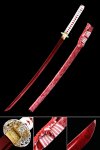 |
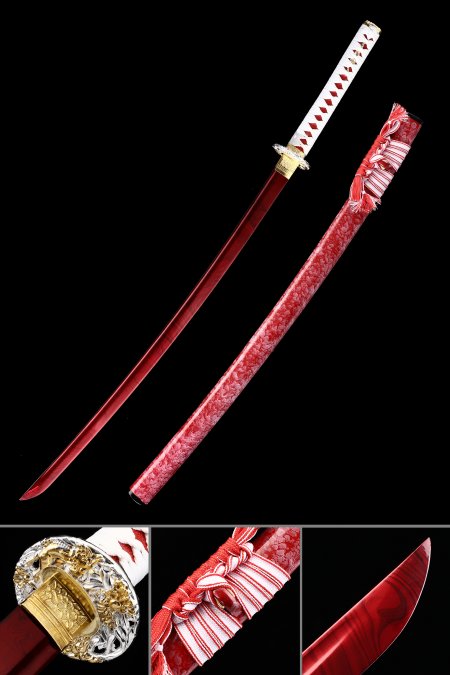
Red Blade 1045 Carbon Steel Katana with White Ito Handle and Floral Red Saya - Collectible Samurai Sword |
Very beautiful weapon, well crafted and sharp, glad it chose here to buy it from
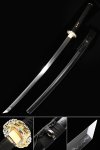 |
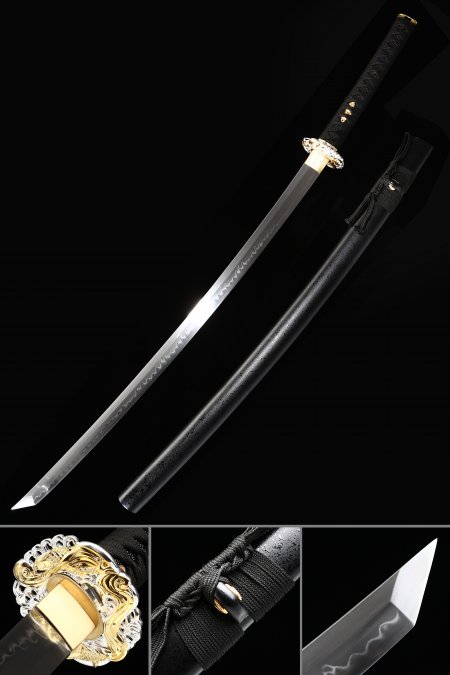
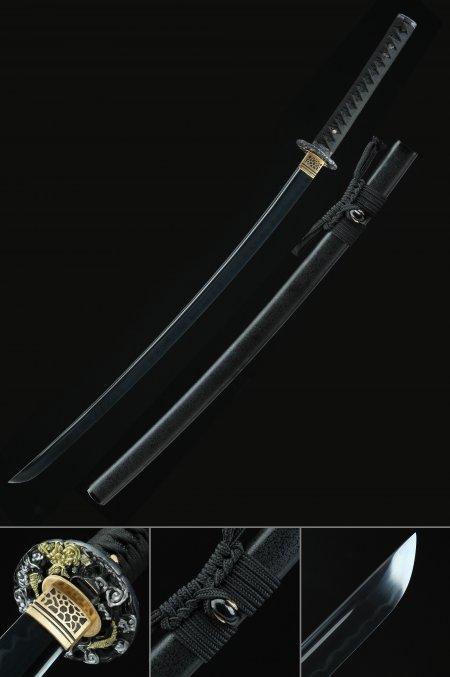
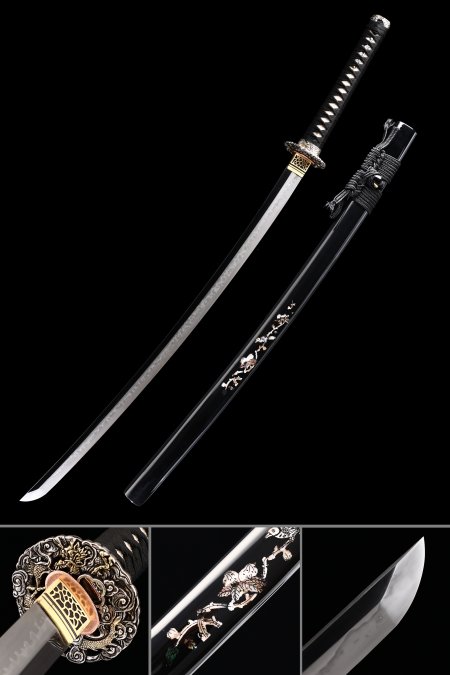
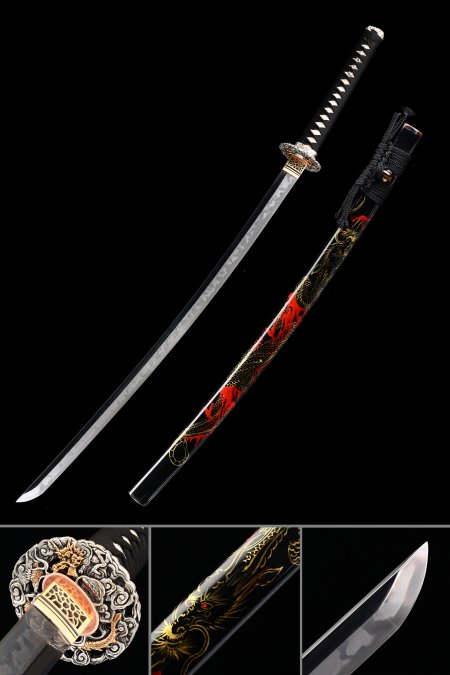
T10 Folded Clay Tempered Katana with Real Hamon in Black Matte Saya - Dragon Tsuba Collectible Sword |
loved it! very quick shipping and exactly what i ordered
|
Red Blade 1045 Carbon Steel Katana with White Ito Handle and Floral Red Saya - Collectible Samurai Sword |
I thought it would be a sharp blade.. and it wasn’t. No where on the page said dull katana
|
Red Blade 1045 Carbon Steel Katana with White Ito Handle and Floral Red Saya - Collectible Samurai Sword |
Only knocking off a star because it got "lost" for a bit and took a trip up the west coast. I'm pretty sure that UPS should take the blame for that.r
As far as the katana, 5 stars for sure. 🌟🌟🌟🌟🌟r
It arrived in perfect condition. It's absolutely gorgeous. Even more than expected r
And most of all, my son LOVES it.
|
Clay Tempered T10 Carbon Steel Katana with Lightning Hamon in Orange Dragon Saya - Brown Ito Handle |
Whether it was actually Japanese hands made it or not it is a well put together Cortana sword
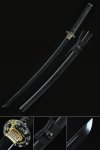 |
Black Katana - T10 Folded Clay Tempered Steel Sword with Dragon Tsuba and Matte Black Hardwood Saya |
Excellent service. Beautifull and sharp sword. Great selection of swords. Will buy again from True Katana when I save up the money.
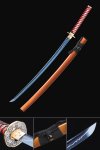 |
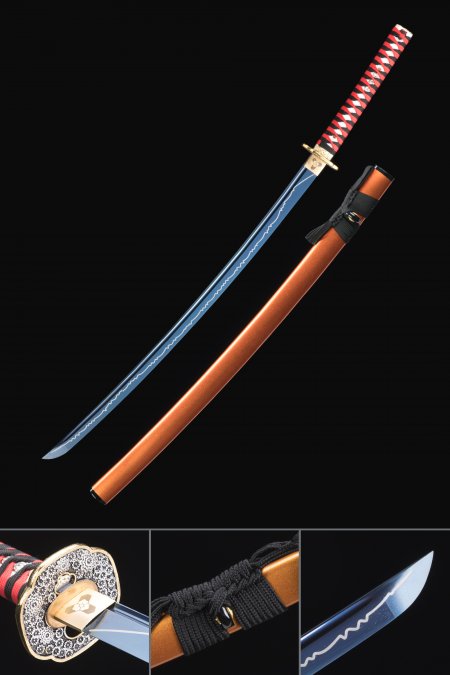
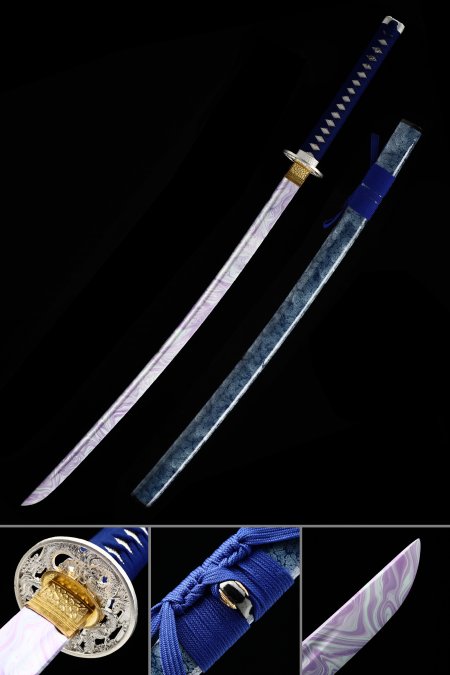
Blue Blade Manganese Steel Katana with Orange Hardwood Saya - Chrysanthemum Tsuba, Red-White Ito |