FAST SHIP
37 Reviews
ON SALE 15% OFF
$159.00$189.00

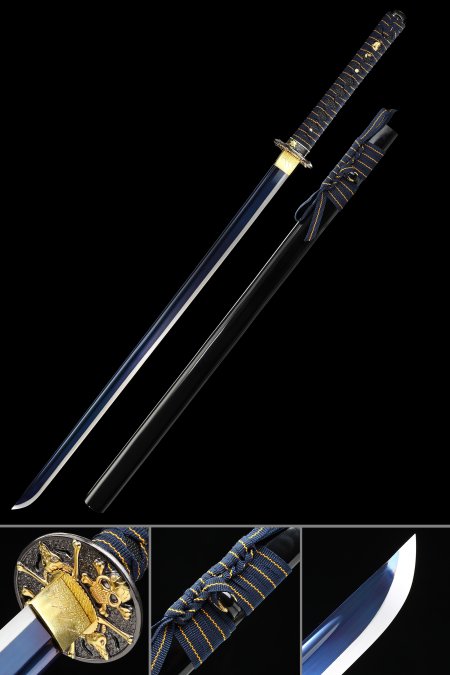
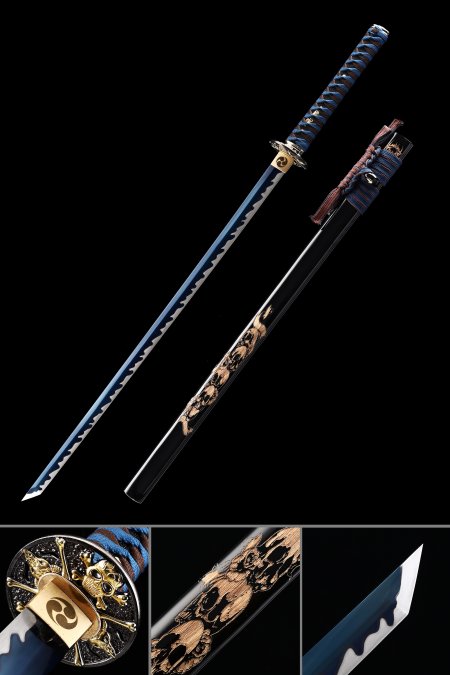
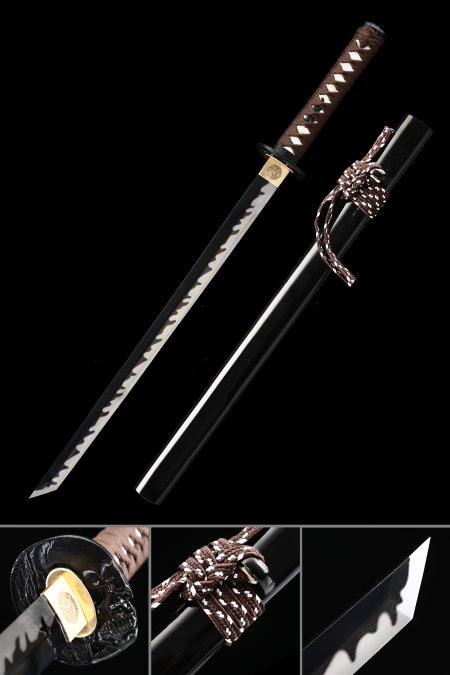
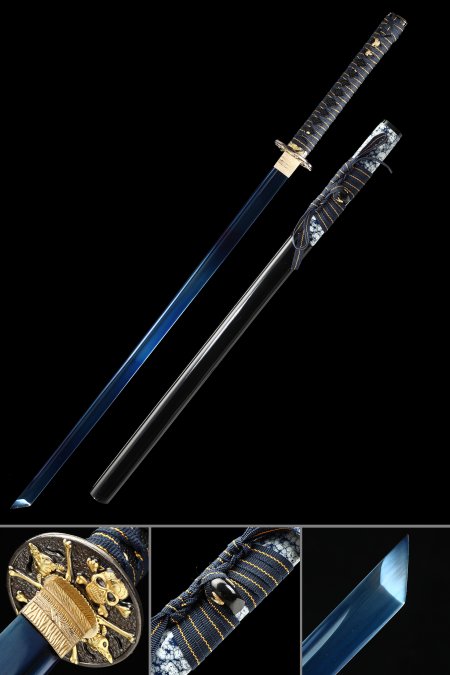
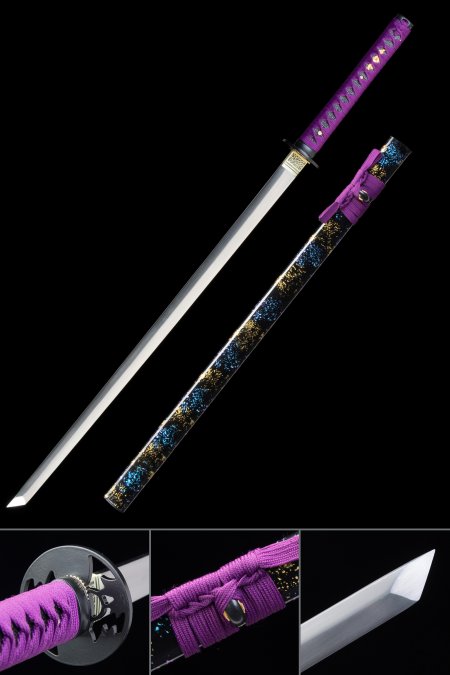
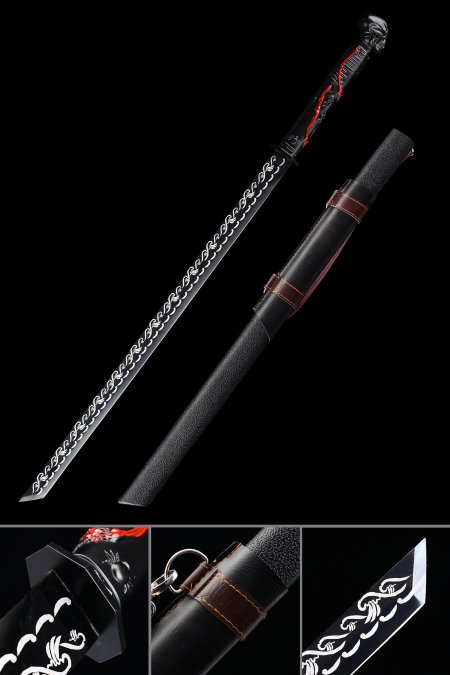
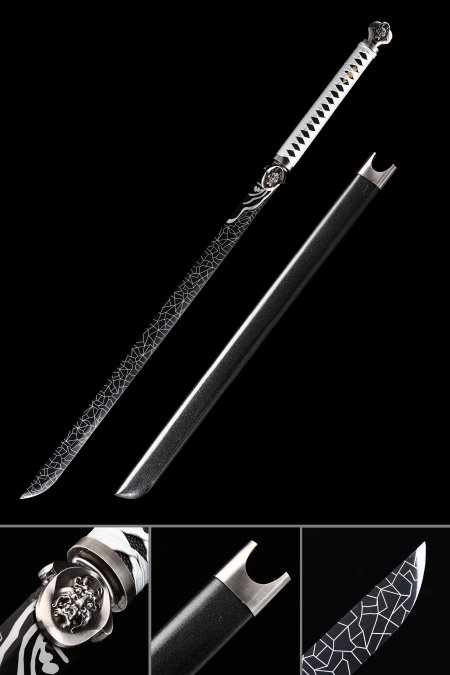
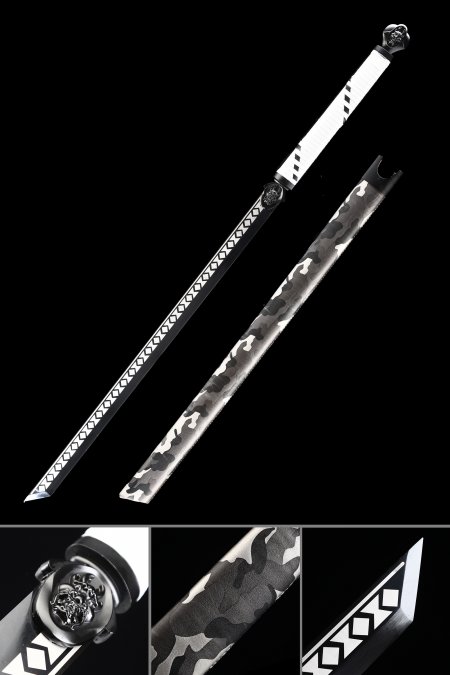
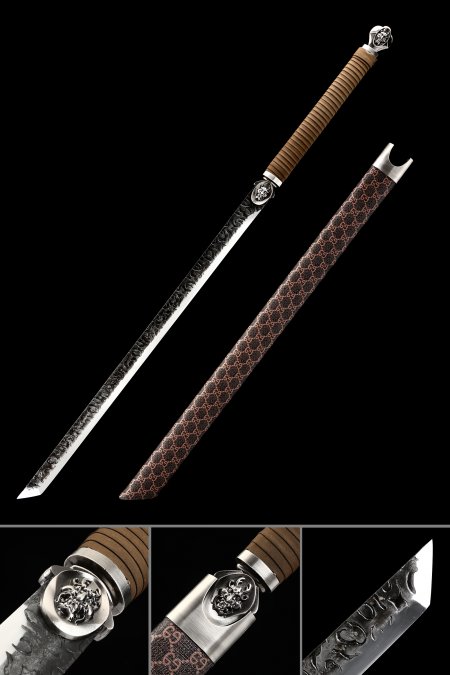
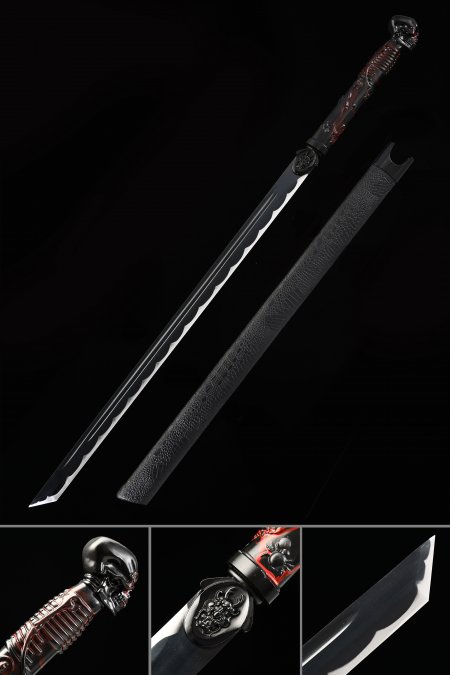
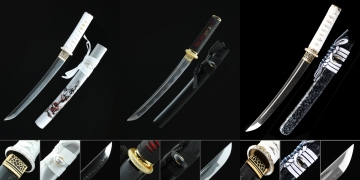
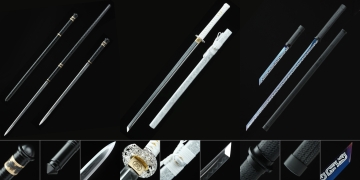
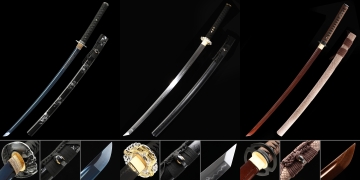
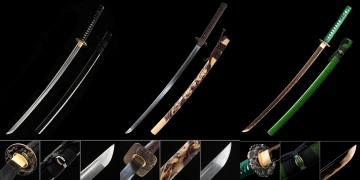
Skull Tsuba Ninjato swords bring together the straight-bladed silhouette of the classic ninja sword with bold, hand-crafted skull guard detailing that makes every piece a genuine conversation starter. Each collectible is built on a full-tang construction with hand-forged carbon or manganese steel blades, wrapped handles, and lacquered saya finishes ranging from jet black to camo and galaxy patterns. Enjoy free standard shipping on your order, and shop with confidence knowing returns are always straightforward.
2nd year I purchased my so one of the swords. He absolutely loves them. Becoming a Christmas tradition. Ordering easy, quality product, and quick delivery.
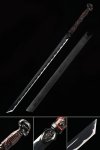 |
T10 Steel Clay-Tempered Ninjato with Skull Pommel in Black PU Leather Saya - Straight Ninja Sword |
The sword is beautiful a bit heavy for single hand use i don't know yet how durable in real fight shortly will figure out.r
Was a very quick international delivery akso i surprised how cheap. Here in norway a quality sword start from 1000 $ for 170$ from usa i very happy with the company.
|
T10 Steel Clay-Tempered Ninjato with Skull Pommel in Black PU Leather Saya - Straight Ninja Sword |
I always love everything I get on this site!!! This is another purchase for my husband's birthday... he's going to flip!!
|
T10 Steel Clay-Tempered Ninjato with Skull Pommel in Black PU Leather Saya - Straight Ninja Sword |
Love this sword, heavery then my other sword and the detail to the leather case 💋
|
T10 Steel Clay-Tempered Ninjato with Skull Pommel in Black PU Leather Saya - Straight Ninja Sword |
It was a birthday gift for my son and he absolutely loved it.
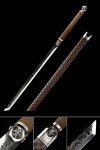 |
Manganese Steel Ninjato with Skull Tsuba - Brown Cord Handle & Patterned Leather Saya |
Great service and great product. Got the sword faster than I expected and in perfect condition. Very happy with my purchase.
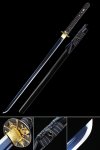 |
Ninjato in 1095 Carbon Steel with Blue Blade, Skull Tsuba and Dark Blue Lacquered Saya |
Awesome purchase ill be buying another soon sharp n sturdy
|
T10 Steel Clay-Tempered Ninjato with Skull Pommel in Black PU Leather Saya - Straight Ninja Sword |
Première commande sur TrueKatana.com , motivée par l'envoi à 0,00 :-D
Le colis a été envoyé de Malaisie, direction Belgique par FEDEX :
dédouanement : TVA 6% et juste 5euro de frais de traitement : agréablement surpris je m'attendais à beaucoup plus... Délai de livraison total, du paiement à la livraison : 14 jours calendrier.
le sabre est exactement comme sur les images de présentation du site, magnifique.
Je ne m'y connais pas dans les différents métaux et aciers pour y apporter une appréciation constructive. Je peux juste dire que c'est lourd et robuste : tout est bien fini, bien fixé, aucune pièce ne "gigote"...
La qualité des finitions bonne, sans quelques rares imperfections, à ce prix il ne faut pas s'attendre à des finitions au millimètre près.
l'illustration du Saya (crânes) sont gravés dans le bois, ce n'est pas une vulgaire impression sur la peinture!
Agréablement surpris donc pour cette première commande, le choix est difficile pour le(s) prochain(s) car, oui, aux prix raisonnables et frais d'importation minimes, je commande à nouveau, ça donne envie de refaire la déco !
Par contre, certains articles sont à 0,00 frais d'envoi , et d'autres 19,99USD :-/
sans savoir pourquoi ça ne donne pas envie d'acheter ceux-là...
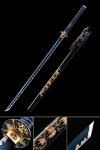 |
Manganese Steel Blue Blade Straight Sword with Skull Tsuba - Full Tang, Blue-Black Ito, Black Lacquer Saya |