About Our Sword Stands
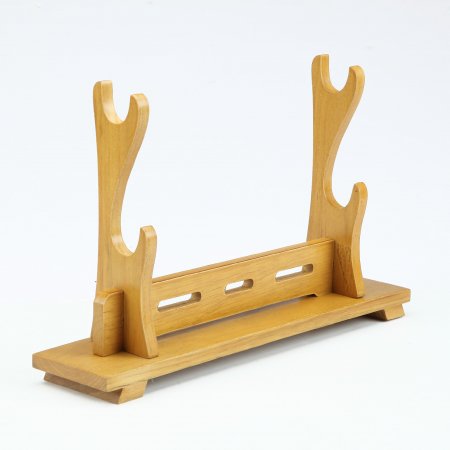
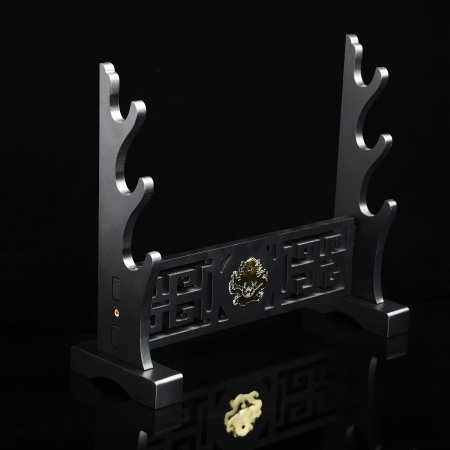
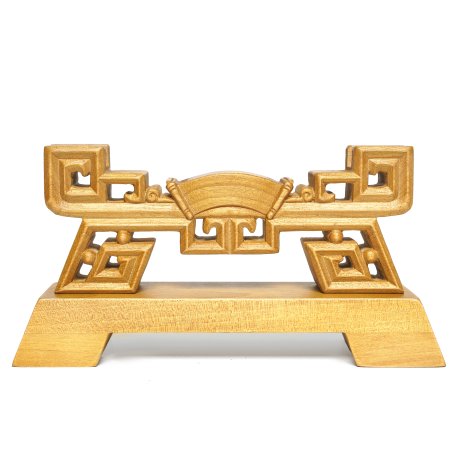
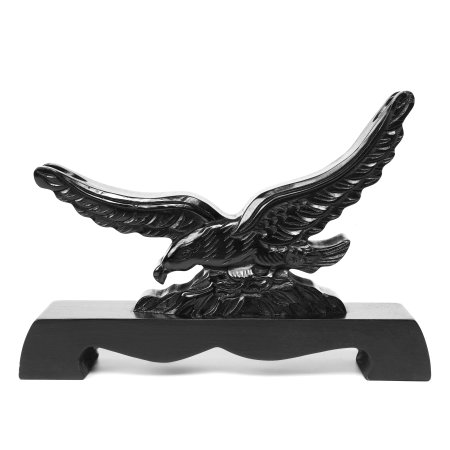
A sword without a proper stand is a collection without a stage. Our sword stand collection features 78 handmade display solutions in hardwood and natural bamboo — from compact single-tier tabletop holders for a single katana to multi-tier racks that present an entire daisho set or a growing collection. Each stand is designed with the correct cradle geometry for Japanese sword profiles, ensuring your katana, wakizashi, or tanto rests securely with the blade edge facing upward in the traditional display position.
Choosing the Right Sword Stand
By Display Type — Tabletop or Wall Mount
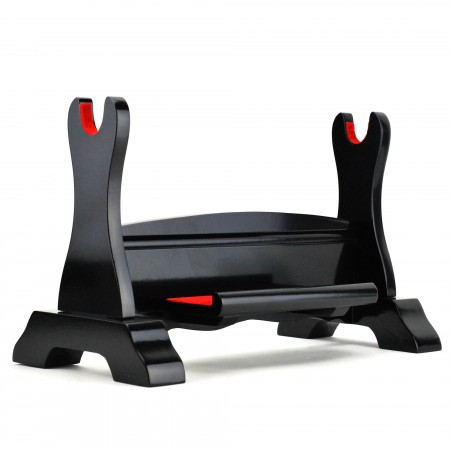
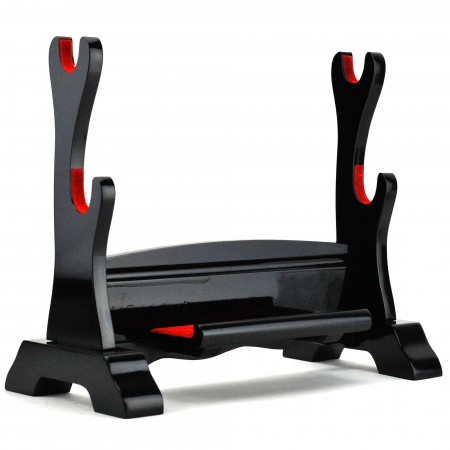
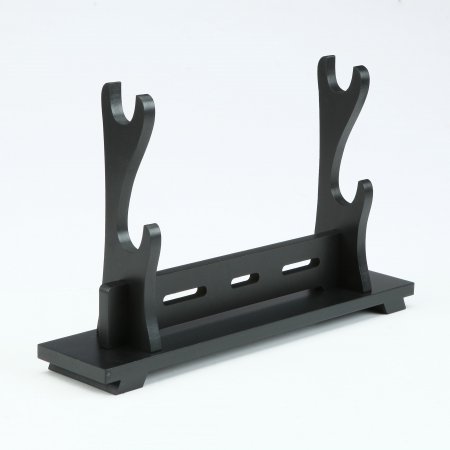
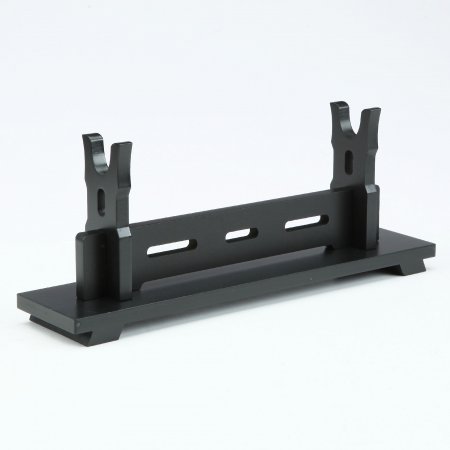
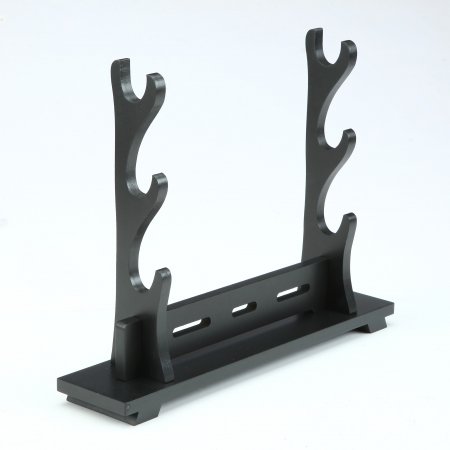
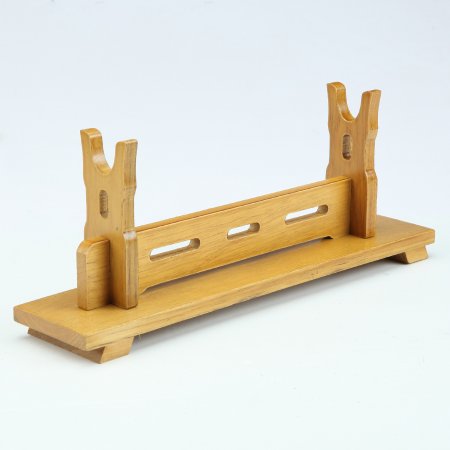
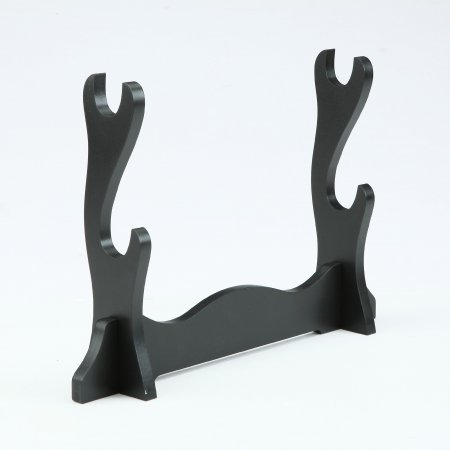
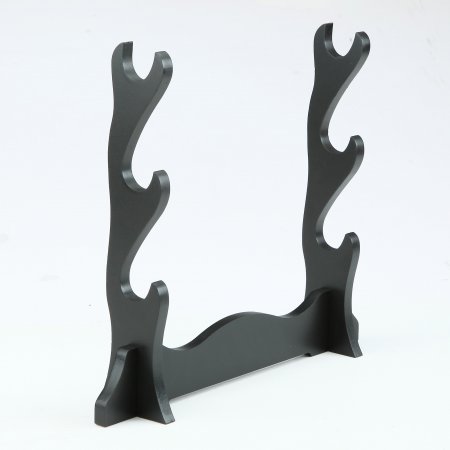
Tabletop stands sit on a desk, shelf, mantel, or inside a display cabinet. They are freestanding and require no installation — simply place the stand and set your sword. Tabletop stands are the most popular choice for home offices, living rooms, and dedicated display shelves. Our tabletop stands are available in single, double, and 3-tier configurations.
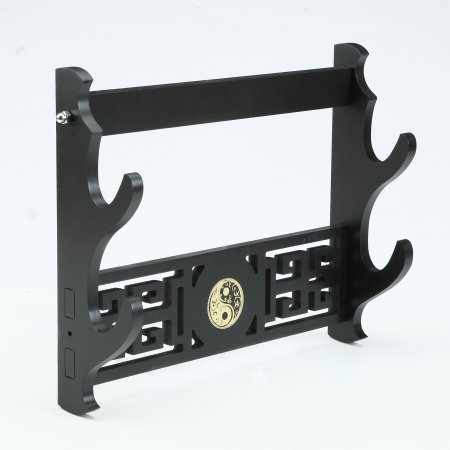
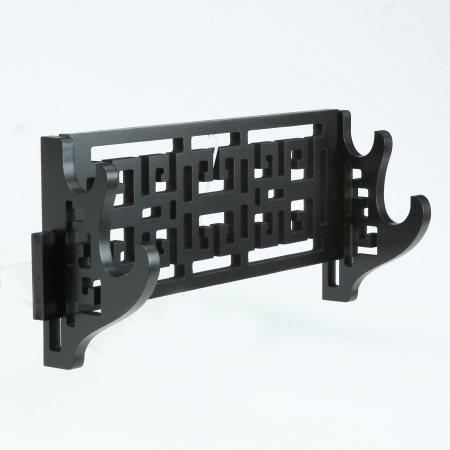
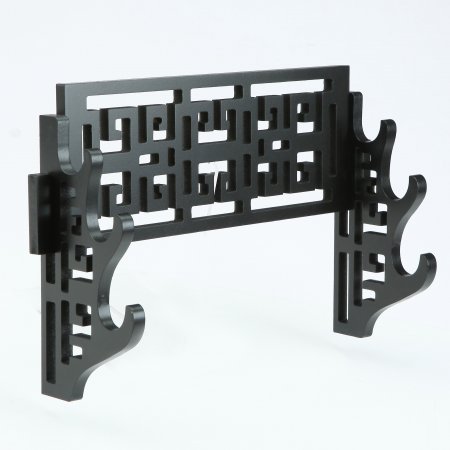
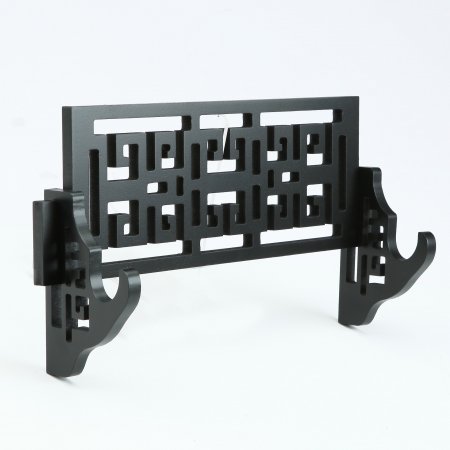
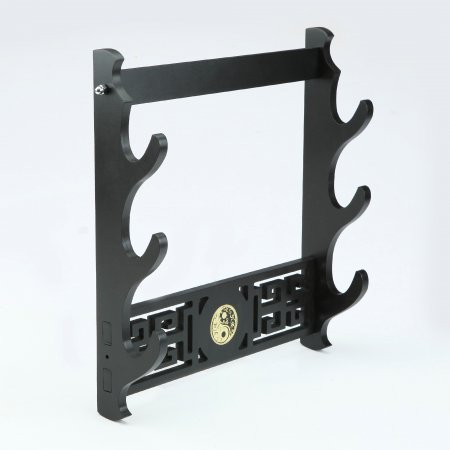
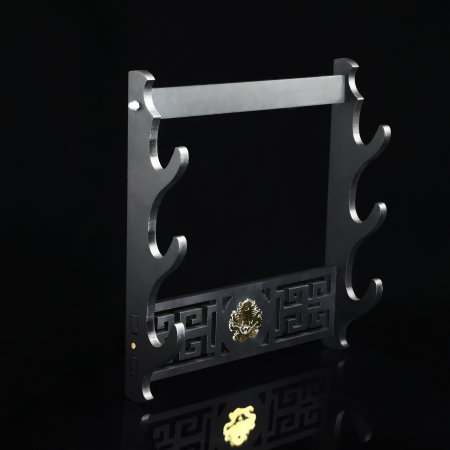
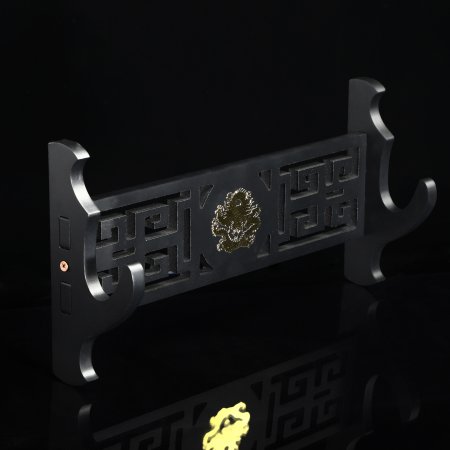
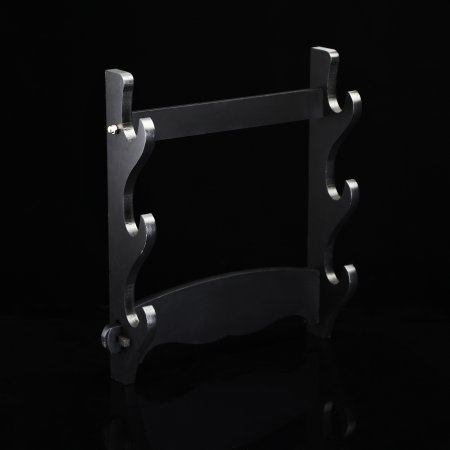
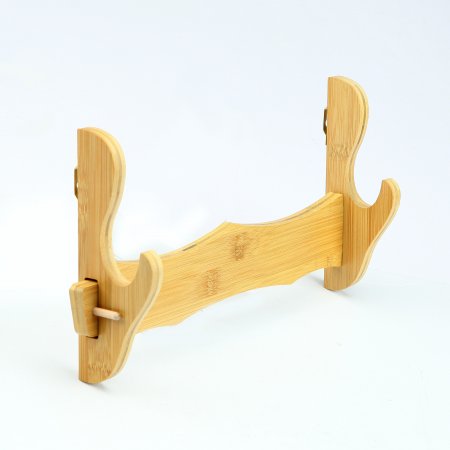
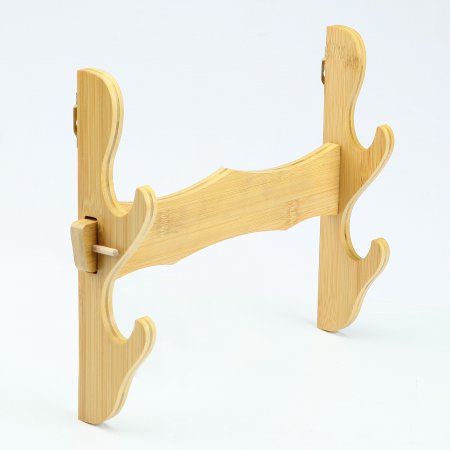
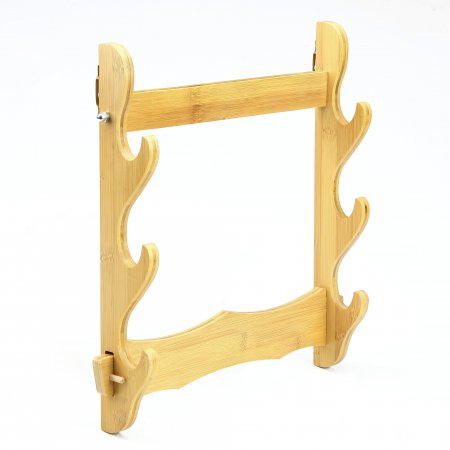
Wall-mount stands attach directly to a wall, displaying your sword horizontally at eye level. This option saves surface space and creates a dramatic visual effect — a katana mounted on a wall becomes an instant focal point in any room. Our wall-mount stands include mounting hardware and are designed to support the full weight of a steel katana with a secure cradle that prevents sliding.
By Capacity — Single, Double, and 3-Tier
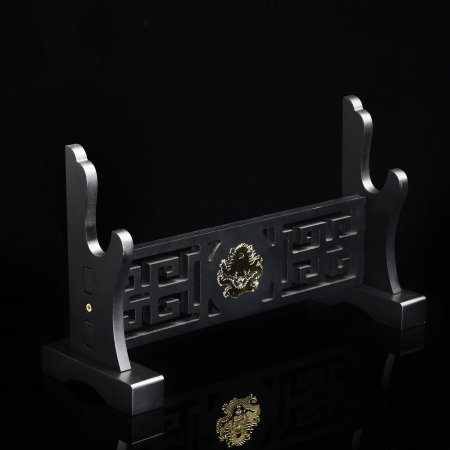
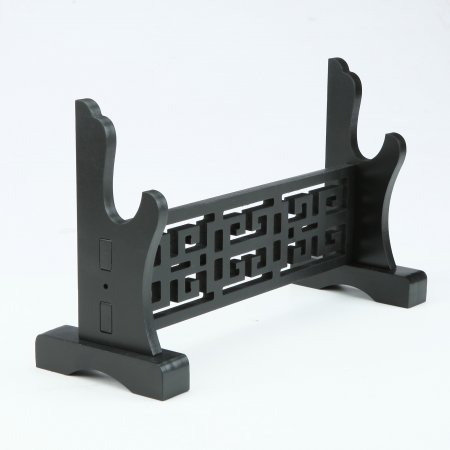
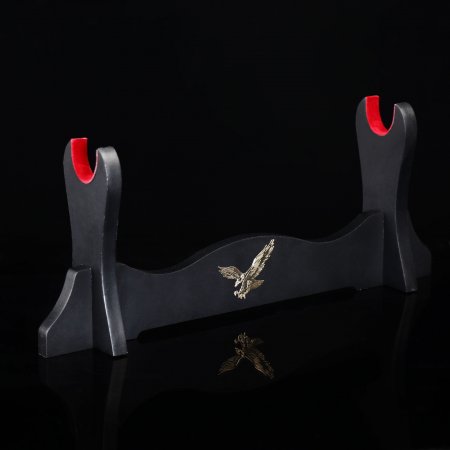
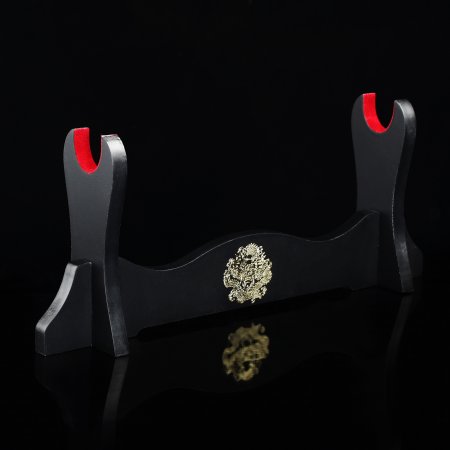
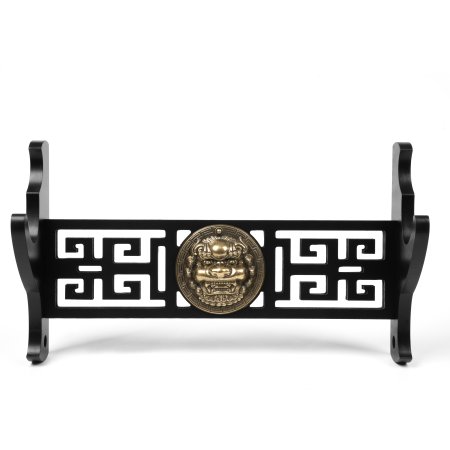
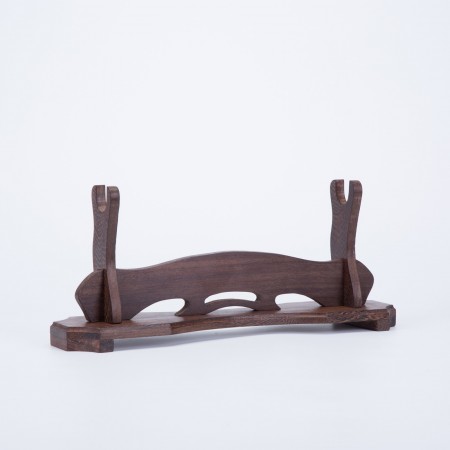
A single-tier stand holds one sword and is ideal for showcasing a prized katana as a standalone centerpiece. It also works well for displaying a wakizashi or tanto individually.
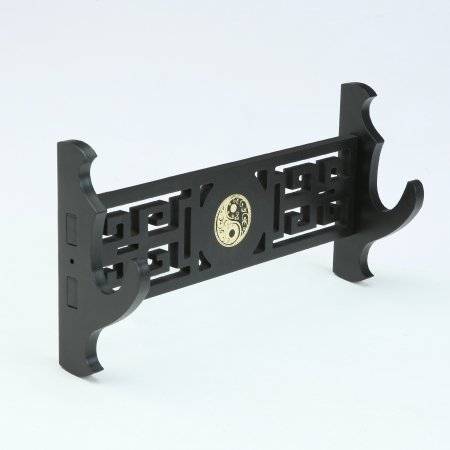
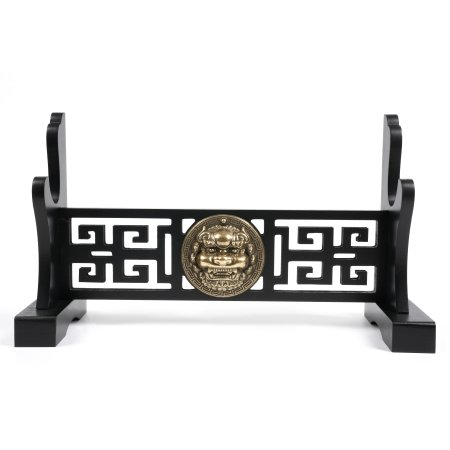
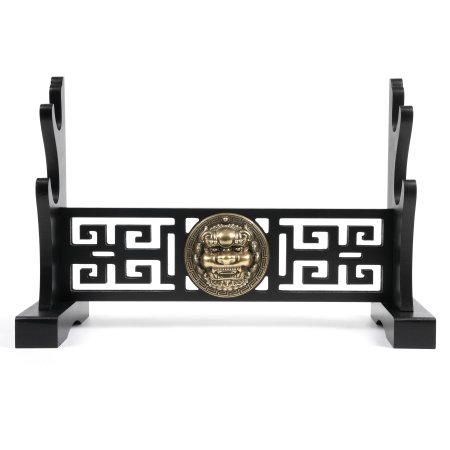
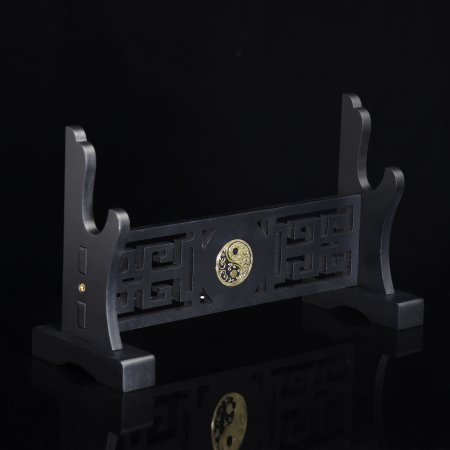
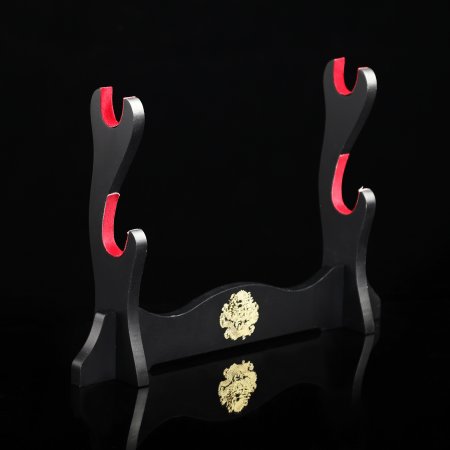
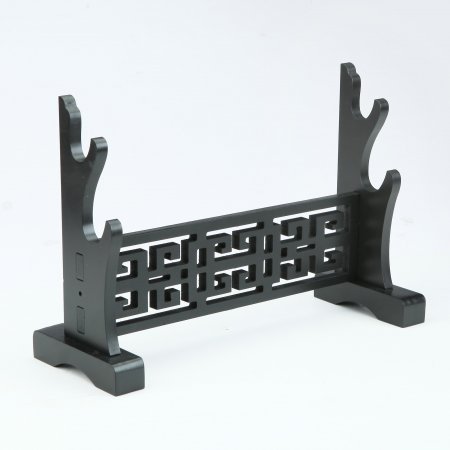
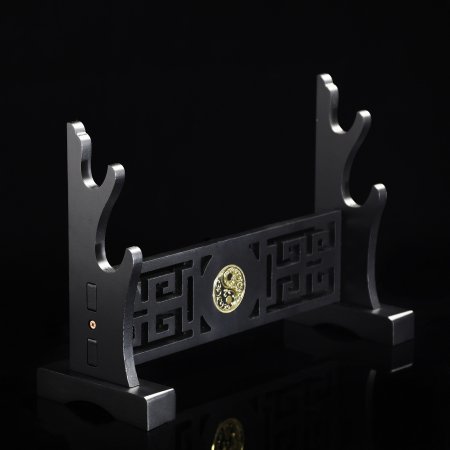
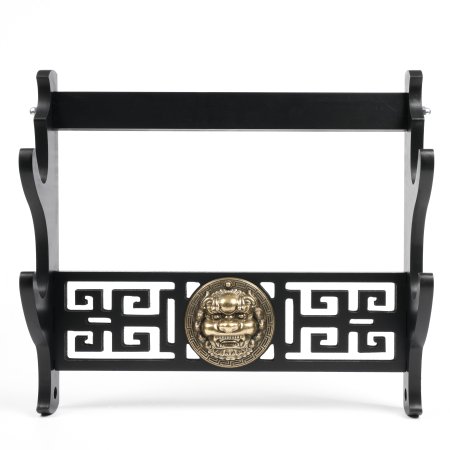
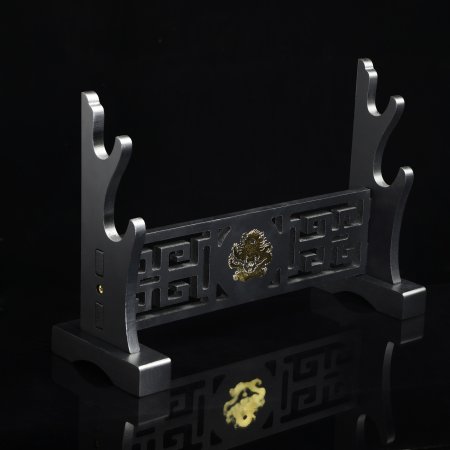
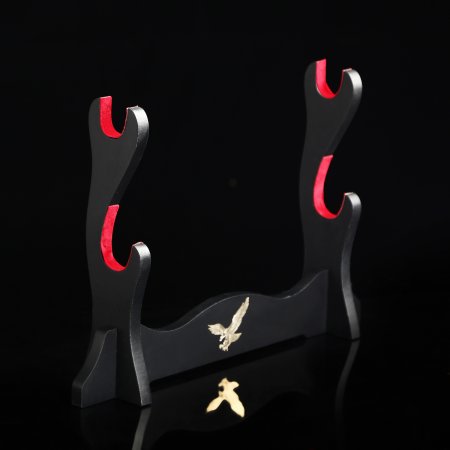
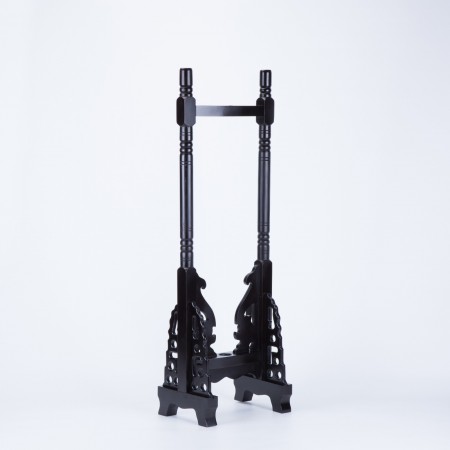
A double-tier stand holds two swords and is the traditional choice for displaying a daisho set — a katana on the upper tier and a matching wakizashi on the lower tier. This is the most popular configuration among collectors who own paired swords.
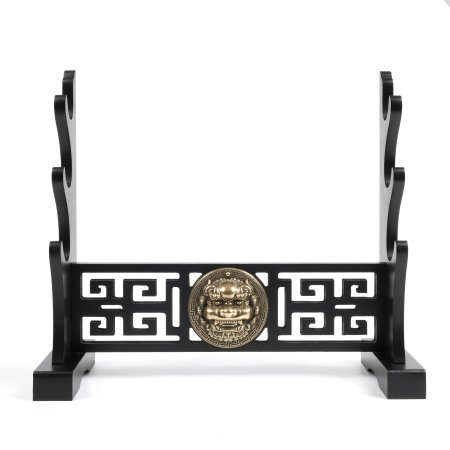
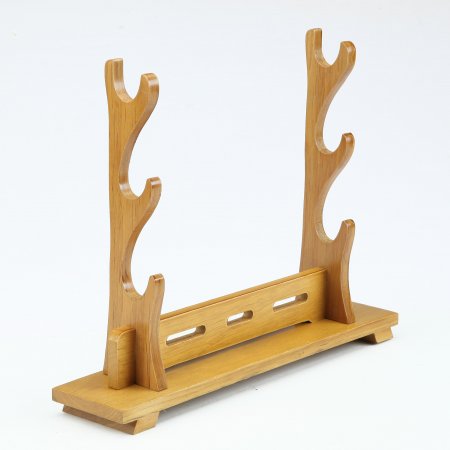
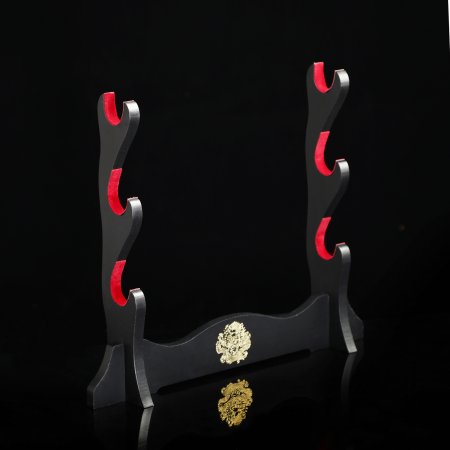
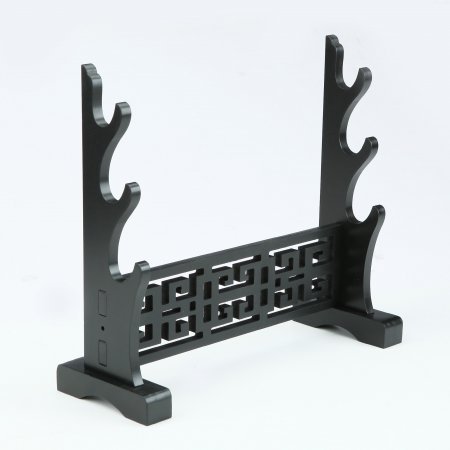
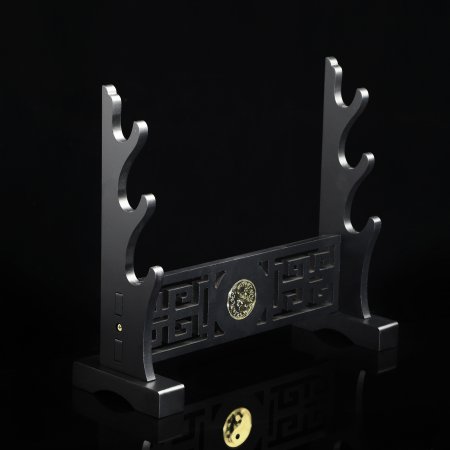
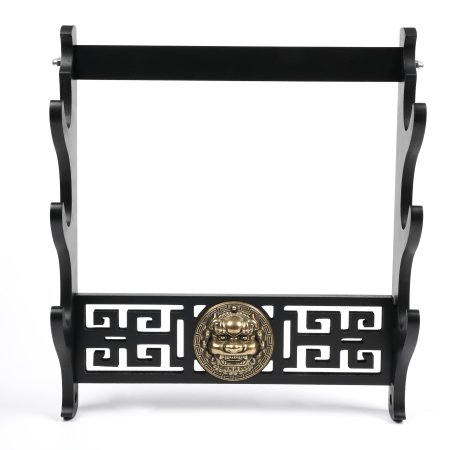
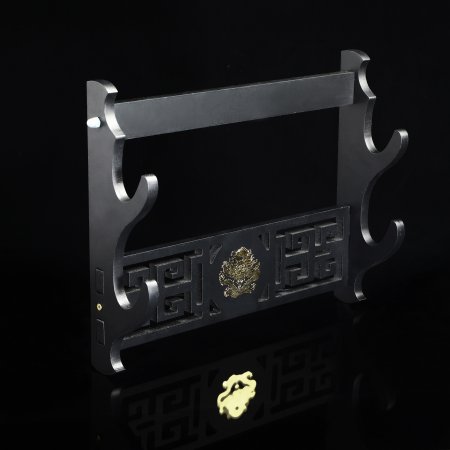
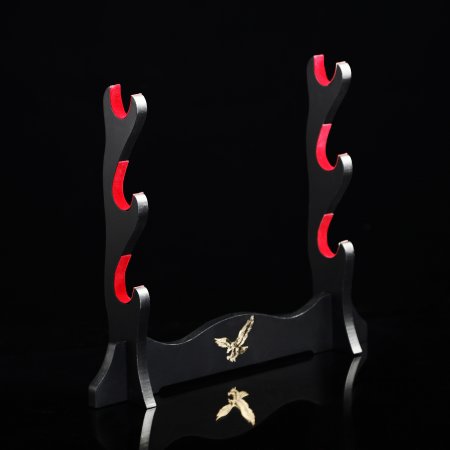
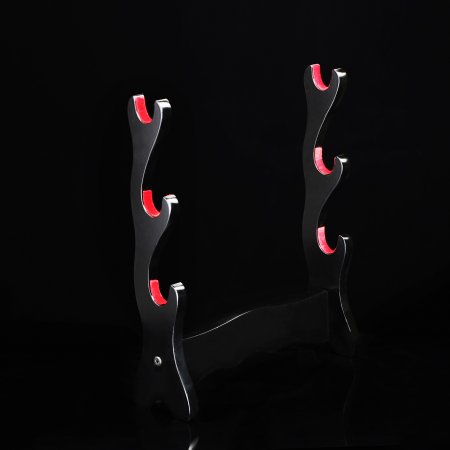
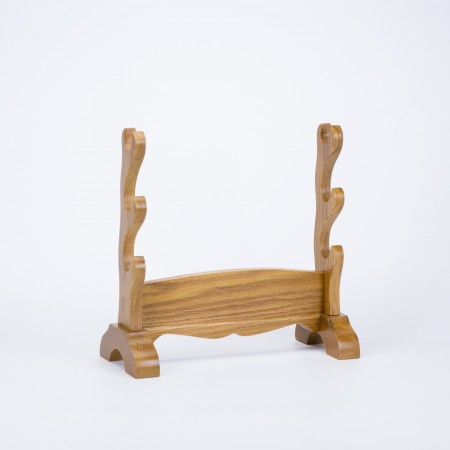
A 3-tier stand holds three swords and is designed for collectors building a more extensive display. A common arrangement is katana on top, wakizashi in the middle, and tanto on the bottom — representing the full traditional samurai blade set.
By Material — Hardwood or Bamboo
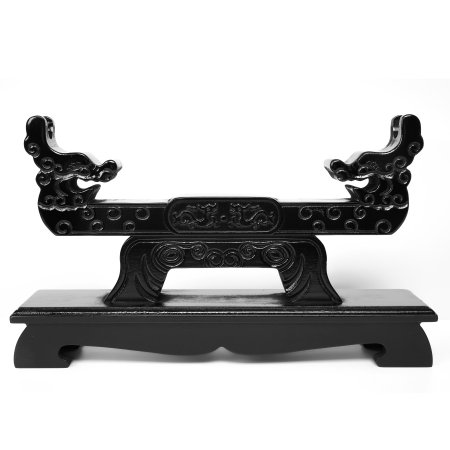
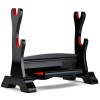
Our hardwood stands are crafted from solid wood with a lacquered finish, typically in black. The lacquer provides a rich, refined appearance that complements the dark tones of traditional Japanese sword fittings. Hardwood stands are the heavier, more substantial option and are ideal for permanent display positions.
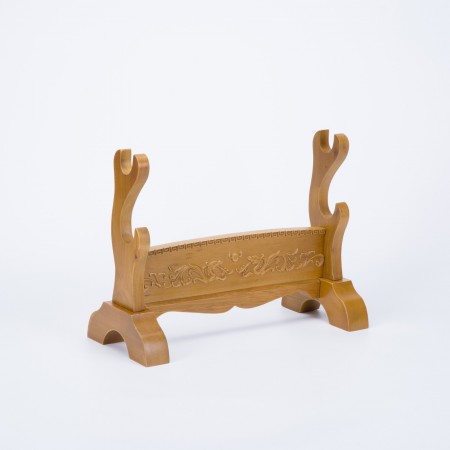
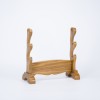
Our bamboo stands feature a natural, lighter-toned finish that pairs well with minimalist and natural-wood saya designs. Bamboo is lightweight yet strong, and its natural grain adds a warm, organic quality to the display. Bamboo stands are popular among collectors who favor a shirasaya or natural-wood aesthetic.
By Design — Standard and Decorative
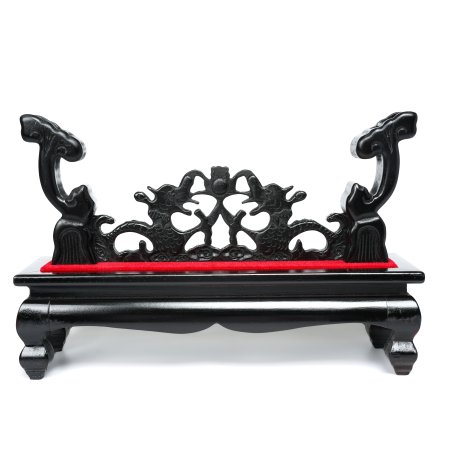
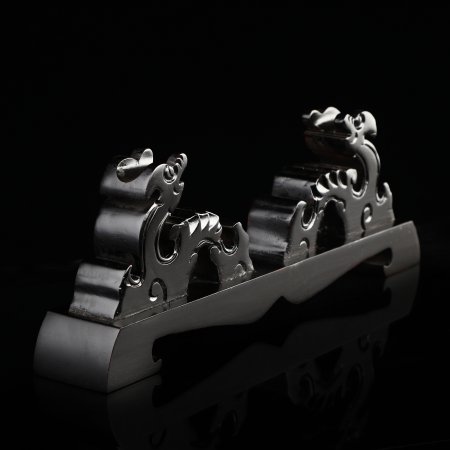
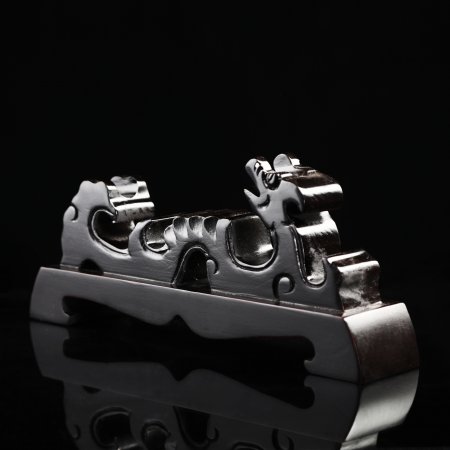
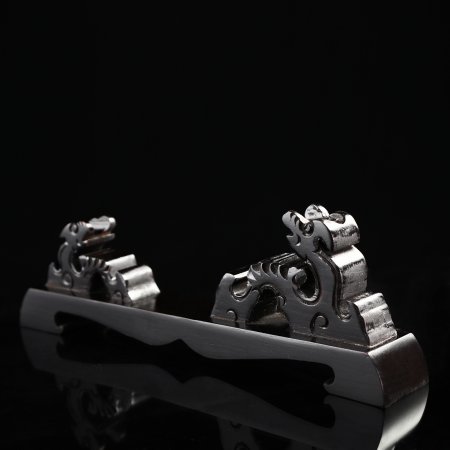
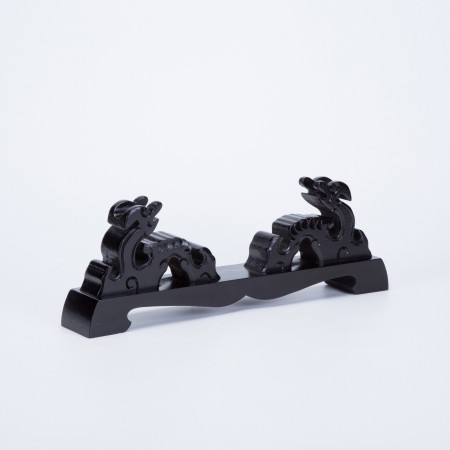
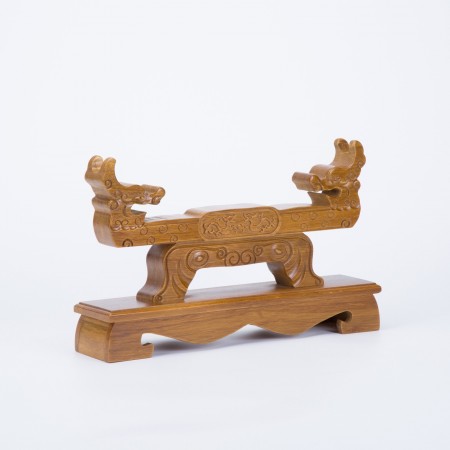
Most of our stands feature a clean, minimal profile that puts the focus entirely on the sword. For collectors who want the stand itself to be part of the visual statement, we also offer decorative designs with carved motifs — including dragon patterns and traditional Japanese relief work. These ornate stands serve as display pieces in their own right, even before a sword is placed on them.
How to Display a Katana on a Stand
In the Japanese tradition, a katana is displayed on a horizontal stand with the cutting edge facing upward (ha or edge pointing to the ceiling) and the handle (tsuka) to the left. This position is called "peace display" and signals that the sword is at rest — not ready to be drawn. When the handle faces right, it signals readiness, which was the display convention during times of conflict. For home display, edge-up with handle to the left is the standard and most widely recognized arrangement.
If you are displaying a daisho set on a double-tier stand, the katana traditionally occupies the upper position and the wakizashi the lower. If adding a tanto on a 3-tier stand, the tanto goes on the bottom tier.
Sword Stands as Part of a Complete Collection
A sword stand is often the first accessory a collector purchases — and frequently the purchase that expands the collection. Once a katana is properly displayed on a stand, the visual impact of a well-presented sword often inspires the next acquisition. Many of our customers begin with a single-tier stand for their first katana, then upgrade to a double-tier when they add a wakizashi, and eventually move to a 3-tier or wall-mount setup as their collection grows.
If you are just starting your collection, a single-tier stand paired with a katana makes an excellent foundation. For those building a traditional display, a double-tier stand with a matched katana and wakizashi daisho set is the classic arrangement. Browse our katana collection and wakizashi collection to find pieces that complement your stand.
How Our Sword Stands Are Made
Each stand begins with a solid wood or bamboo blank that is shaped, sanded, and assembled by hand. The cradle arms are carved to the correct profile for securely holding a sword in its saya without scratching the scabbard surface. Hardwood stands receive multiple coats of lacquer for a smooth, protective finish. Bamboo stands are finished with a natural sealant that preserves the material's organic appearance. Wall-mount models include pre-drilled mounting points and hardware. Decorative models feature hand-carved or relief-cut motifs that are finished before final assembly.