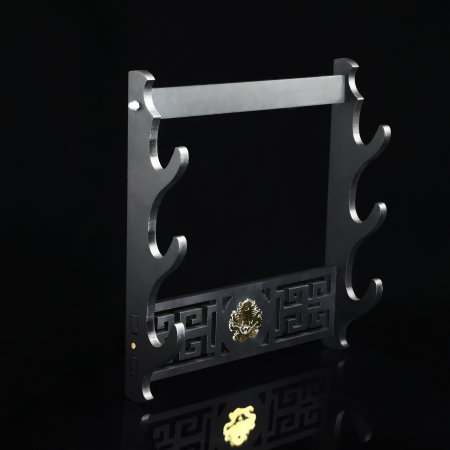
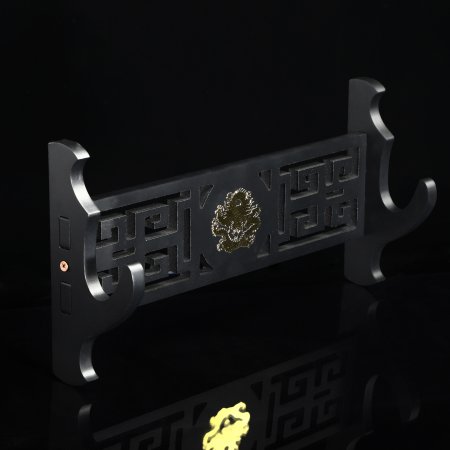
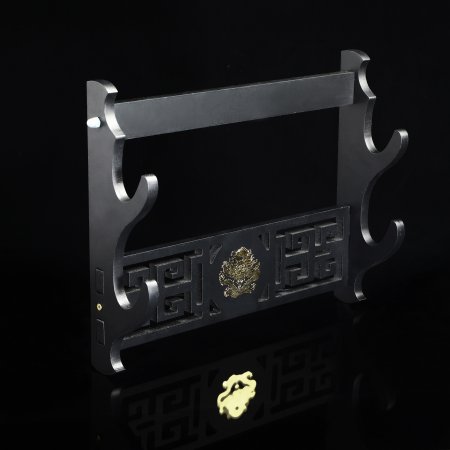
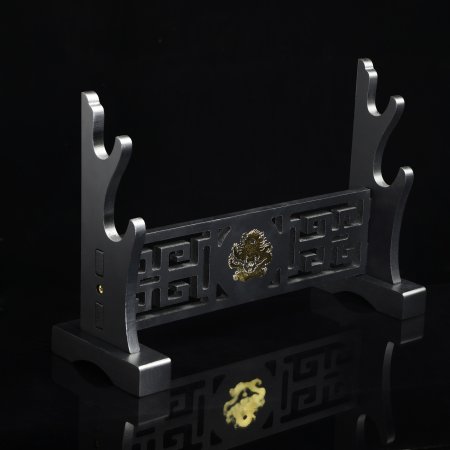
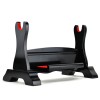
Why is black lacquer the traditional finish for Japanese sword display stands?
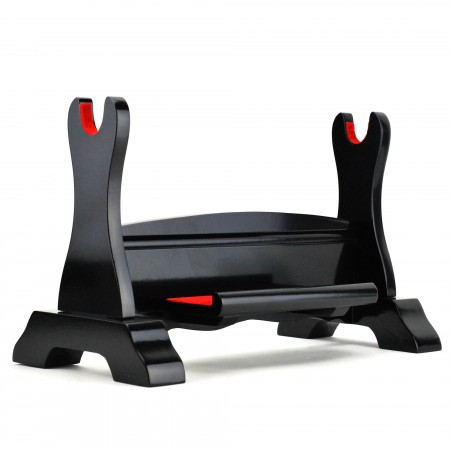
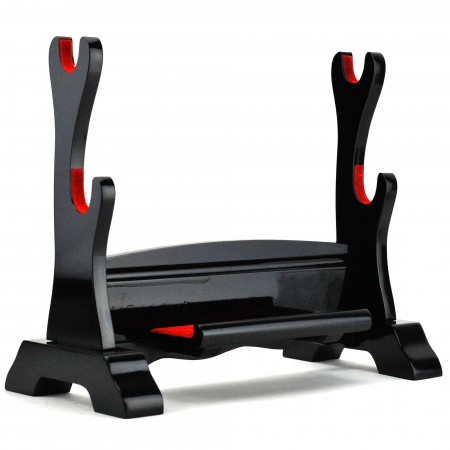
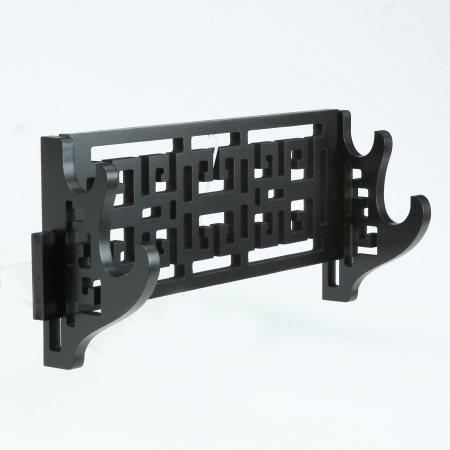
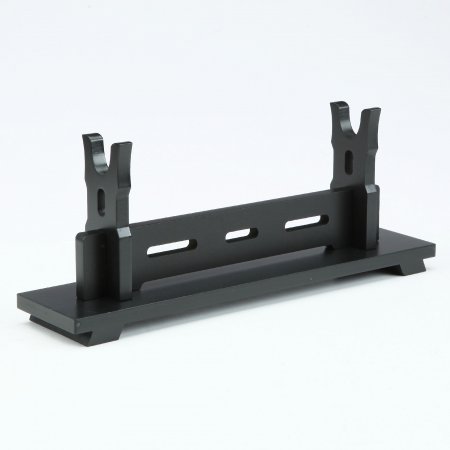
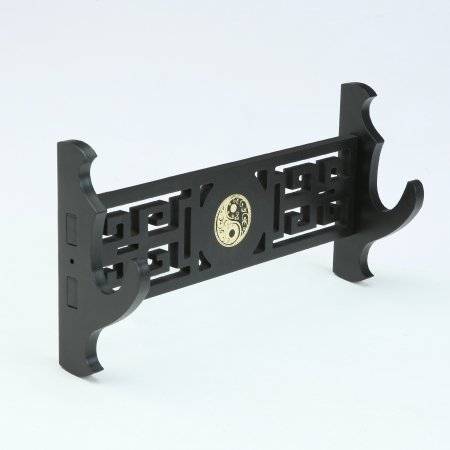
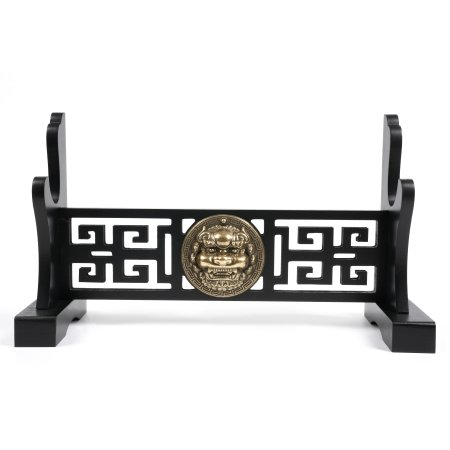
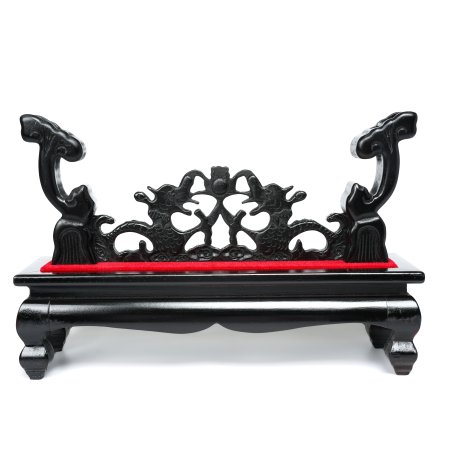
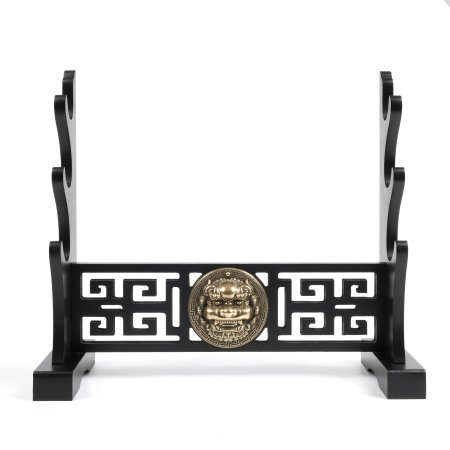
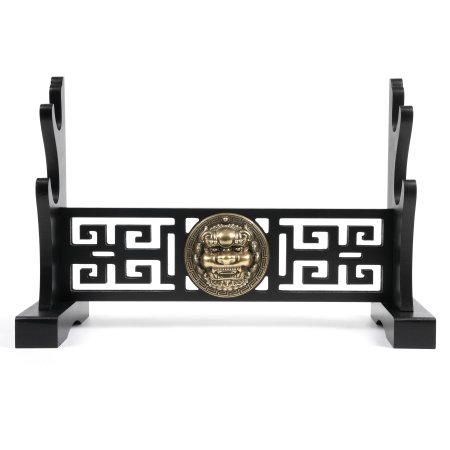
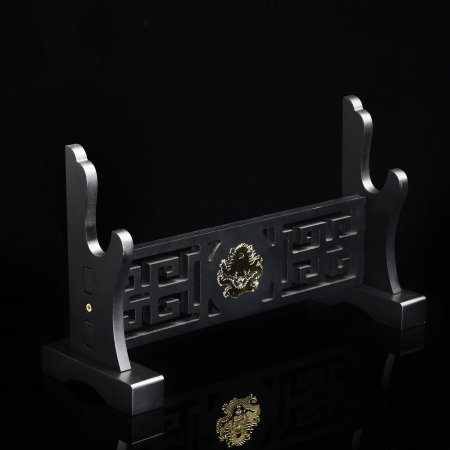
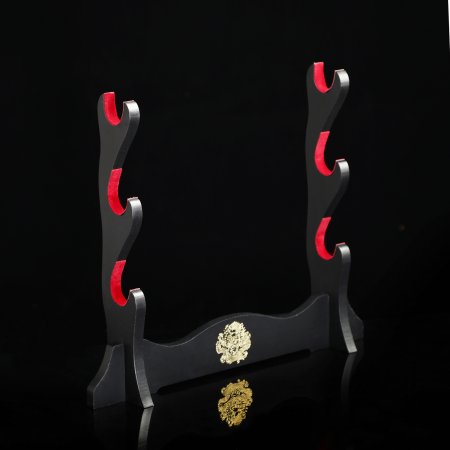
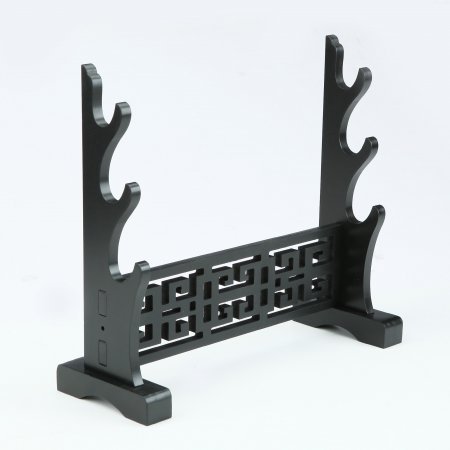
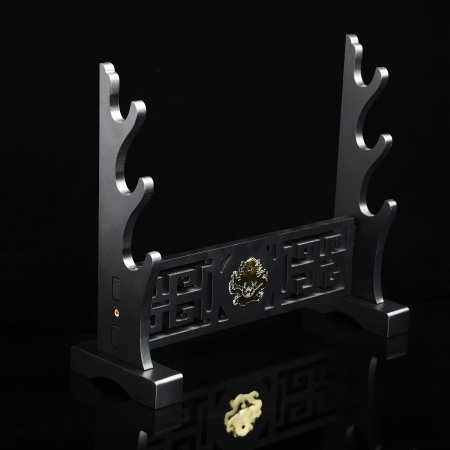
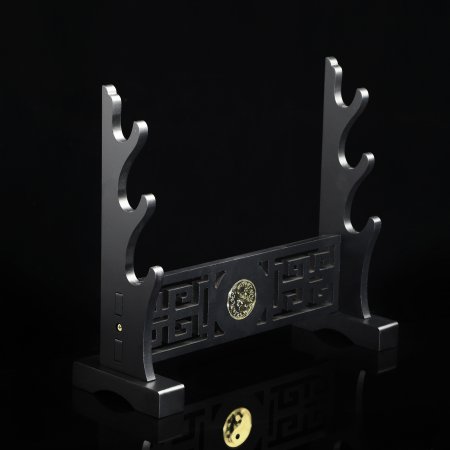
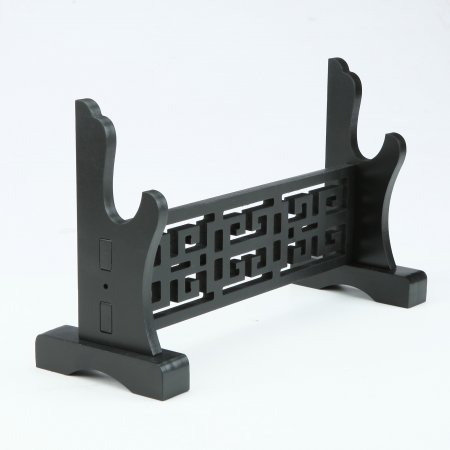
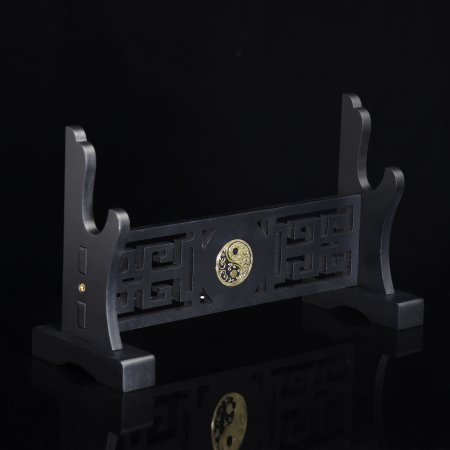
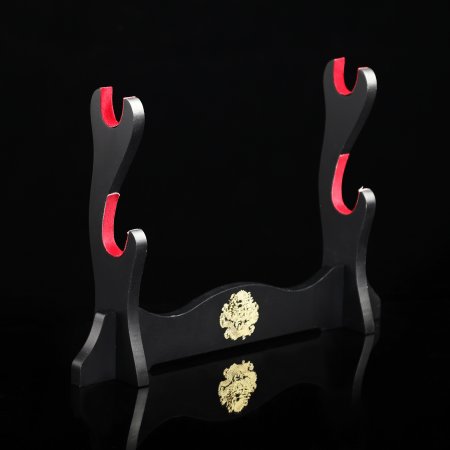
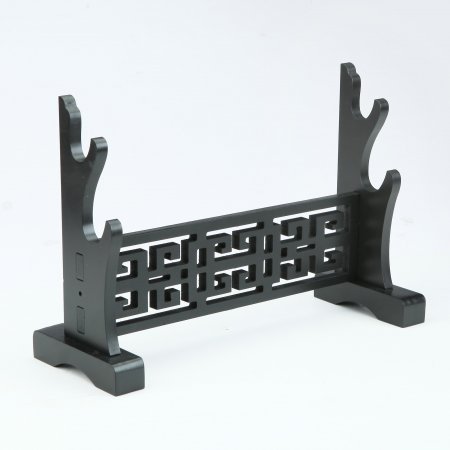
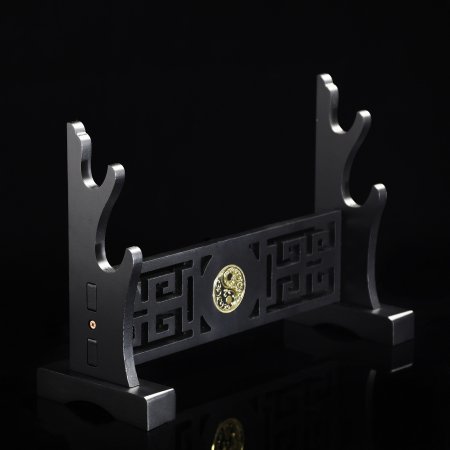
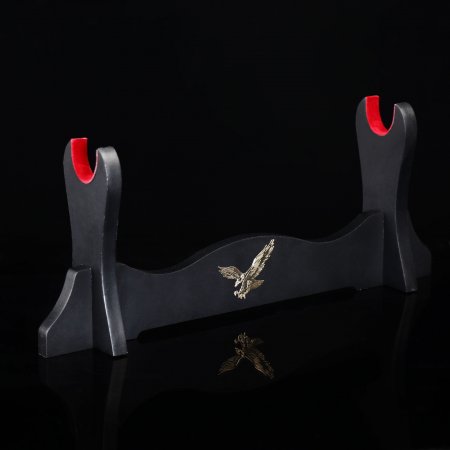
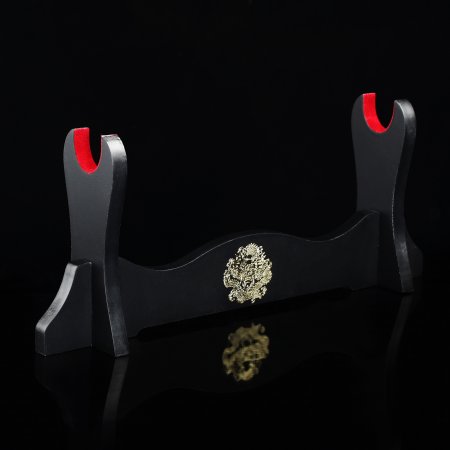
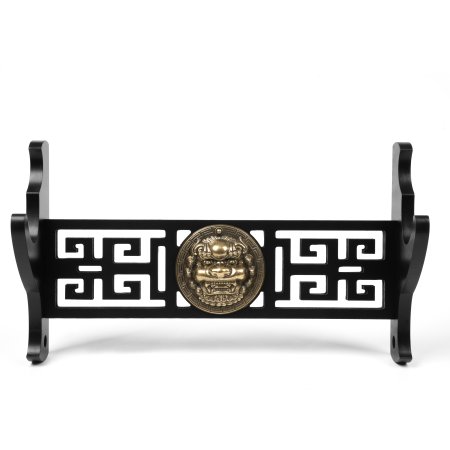
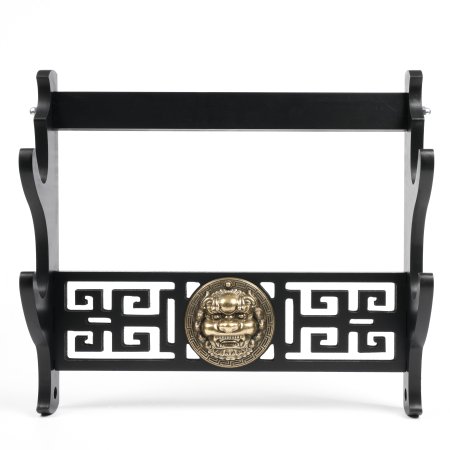
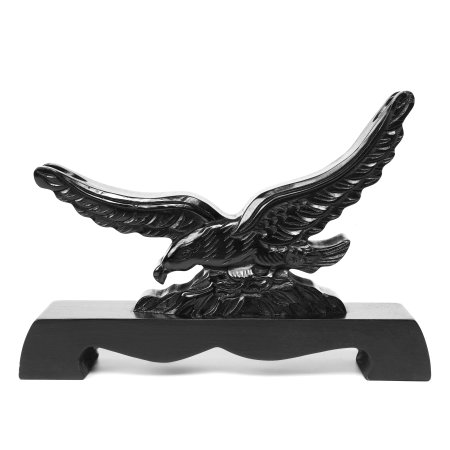
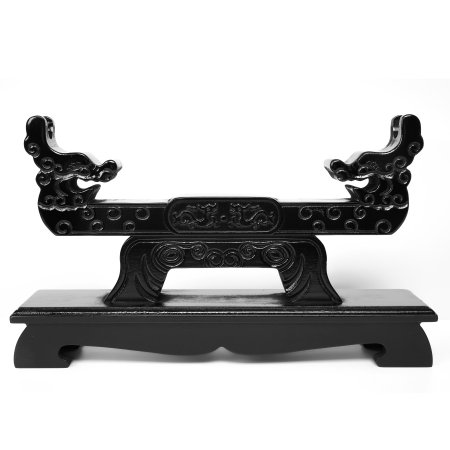
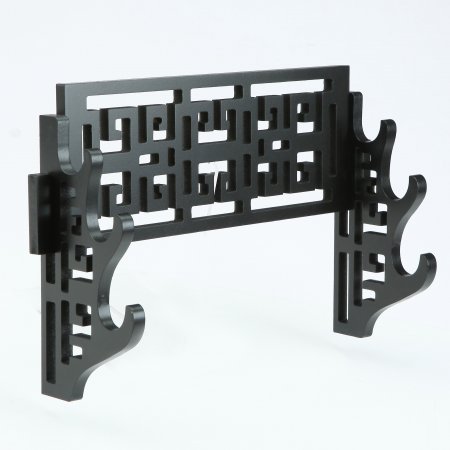
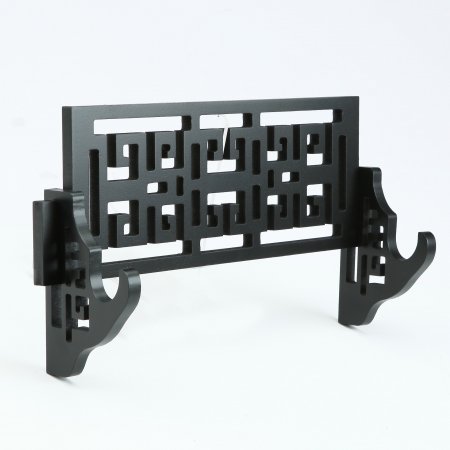
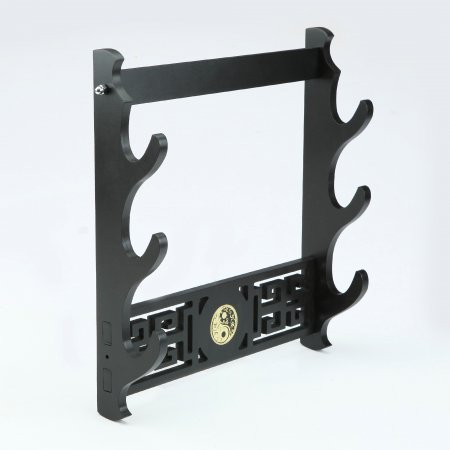
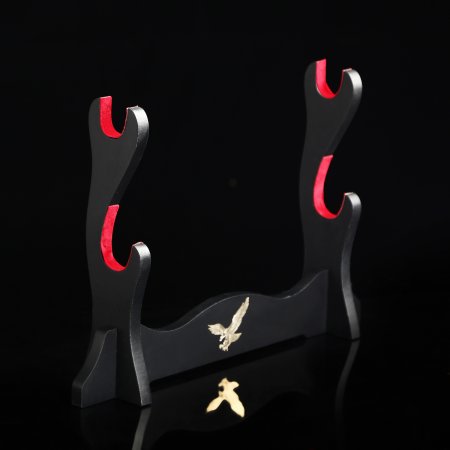
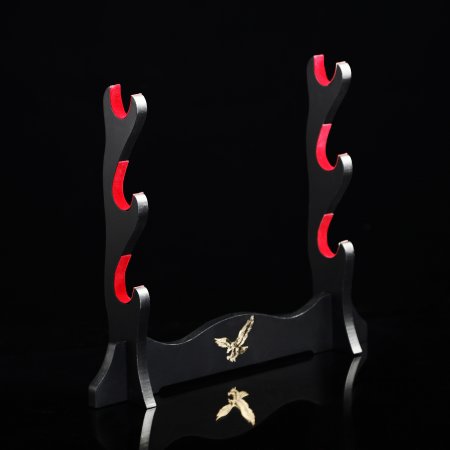
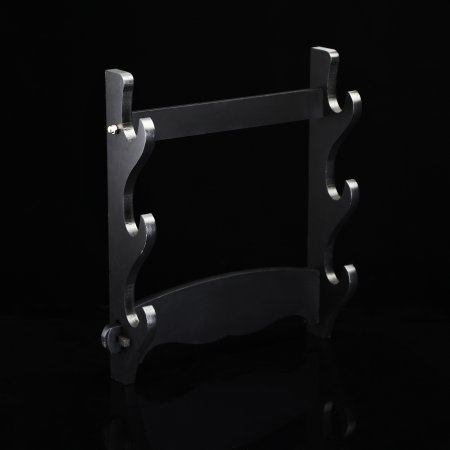
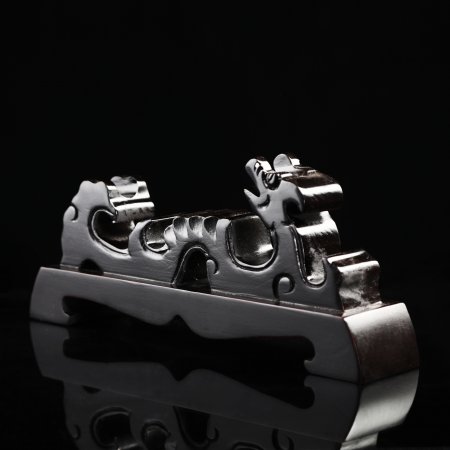
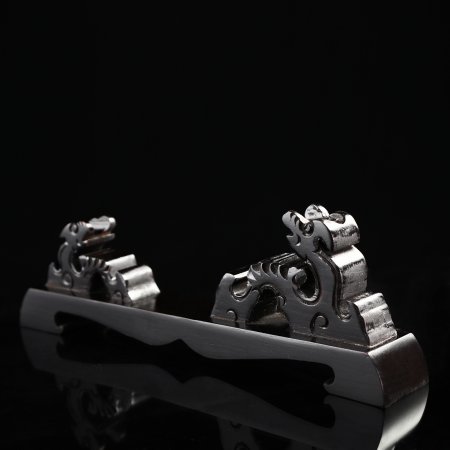
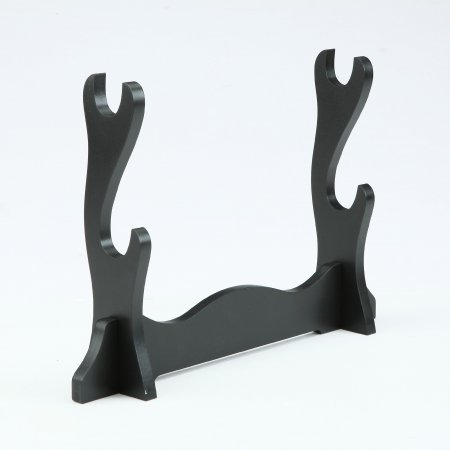
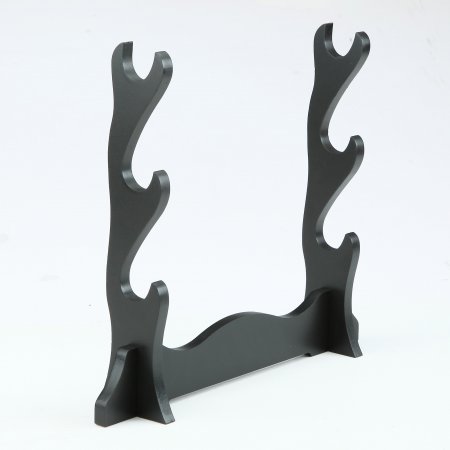
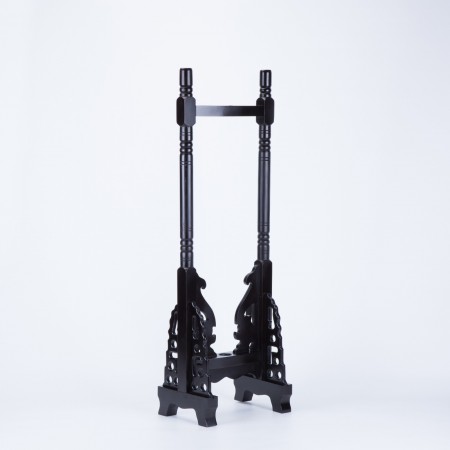
Black lacquer became the standard finish for Japanese sword display furniture through a combination of practical and aesthetic considerations that developed over centuries of Japanese sword culture. Practically, black lacquer is a durable, moisture-resistant finish that protects the wood underneath while providing a surface that does not show dust or minor handling marks as readily as lighter finishes. Aesthetically, the deep, slightly reflective surface of quality black lacquer creates a visual background that is simultaneously formal and recessive - it communicates quality and intentionality in the display without drawing the eye away from the sword. In the context of traditional Japanese interior design, where the tokonoma alcove was the formal display space for a household's most significant objects, black lacquer furniture established the display as a considered presentation rather than simple storage. This convention was consistent enough across periods and regions that it became the recognized standard, which is why black lacquer sword stands still read as correct and appropriate for Japanese sword display in modern contexts.
Does a black lacquer sword stand work for non-Japanese sword styles?
Yes, a black lacquer sword stand works well for Chinese, Korean, and other Asian sword styles that share the horizontal display convention. Chinese jian, dao, and other single or double-edged Chinese swords display naturally on the same peg format as Japanese katana, and the black lacquer finish is culturally neutral across Asian sword traditions. For Western swords - European longswords, sabers, or rapiers - the horizontal peg format is less conventional, but it functions practically for display purposes even if it is not the historically associated format for those sword types. The black finish remains visually neutral regardless of sword origin. For dedicated European sword display, a dedicated wall hanger or horizontal wall bracket may be more appropriate aesthetically, but a black lacquer horizontal stand works as a functional solution for any sword collection that crosses multiple cultural traditions.
How do I maintain the gloss on a black lacquer sword stand over time?
Maintaining the gloss on a black lacquer sword stand primarily involves preventing two types of damage: surface marks from contact and dulling from product buildup. For routine maintenance, dust with a soft dry cloth or microfiber and avoid paper towels or rough fabrics that can leave fine scratches in the lacquer surface over repeated use. For any smudge or fingerprint, a cloth slightly dampened with clean water followed by immediate drying handles it without leaving water marks. Avoid all wax-based furniture polishes, silicone sprays, and oil-based products - these leave a film on lacquer that initially appears to increase gloss but accumulates over time and produces a hazy, uneven appearance. Keep the stand out of direct sunlight, which causes lacquer to yellow and eventually check or peel at the surface. The natural gloss of quality black lacquer maintains itself well under these conditions without any product application.
Is a three-tier black sword stand stable enough for display on a high shelf?
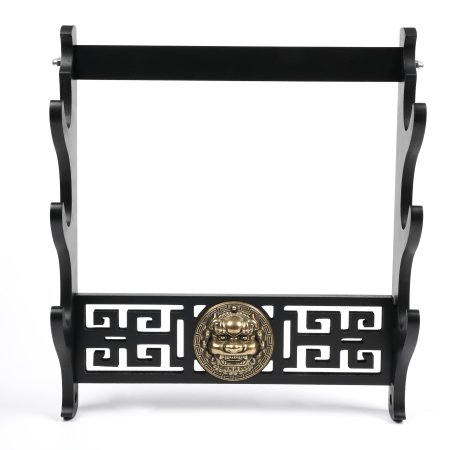
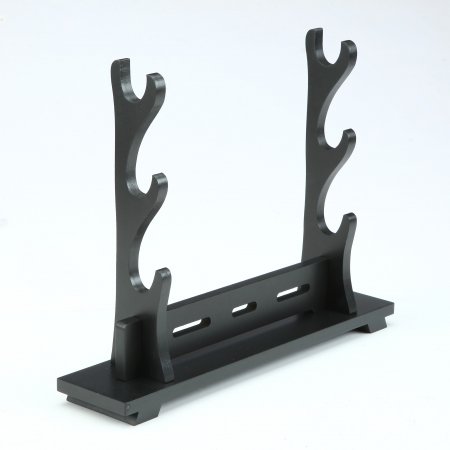
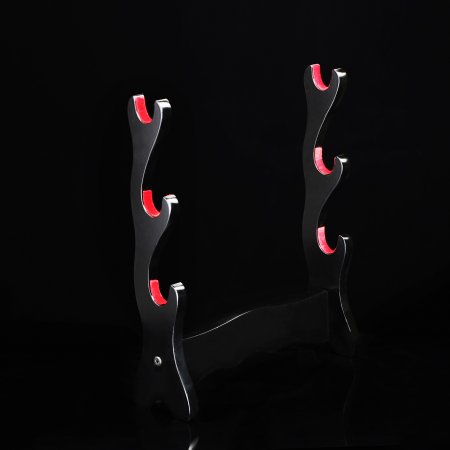
A three-tier black sword stand on a high shelf requires the same stability considerations as any elevated display, with slightly higher stakes if the shelf is above head height. The stand itself is stable on a flat level surface under the weight of three katana-length swords - the weighted base and solid construction handle that load reliably. The elevated placement question is about fall risk rather than structural load. For display on shelves above head height, use museum putty under the base to grip the shelf surface and prevent the stand from shifting if the shelf is bumped or vibrated. Ensure the shelf itself is adequately supported for the combined weight of the stand and three swords - approximately 4 to 6 kilograms total. Do not place a three-tier stand on a shelf with inadequate depth clearance for the base, as this creates a tip-forward risk. A shelf depth of at least 25 centimeters for the base with the swords extending horizontally is the minimum safe configuration.