Teal Handle Tanto
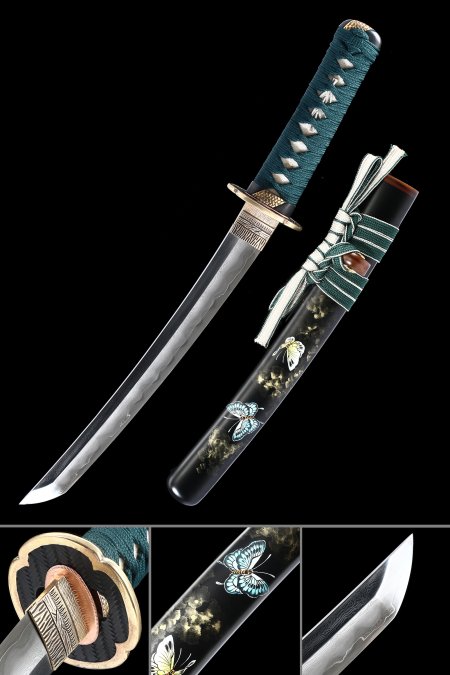
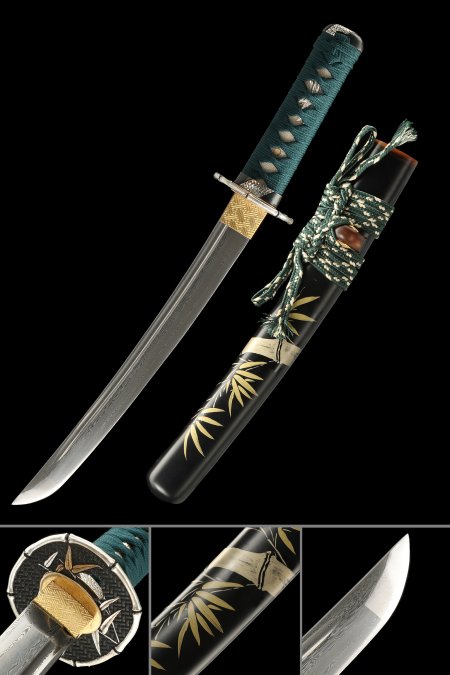
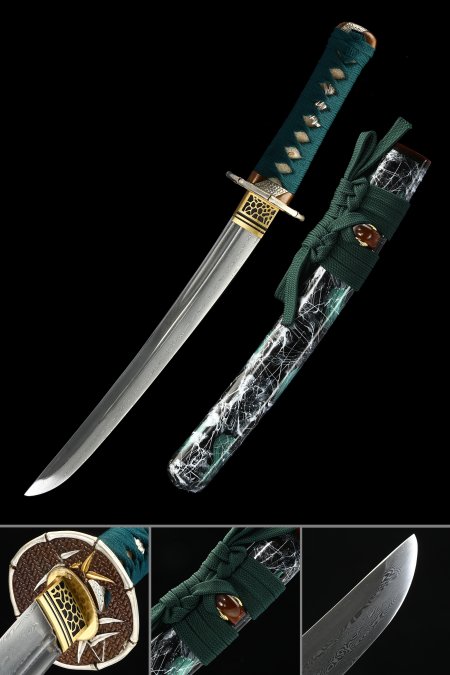
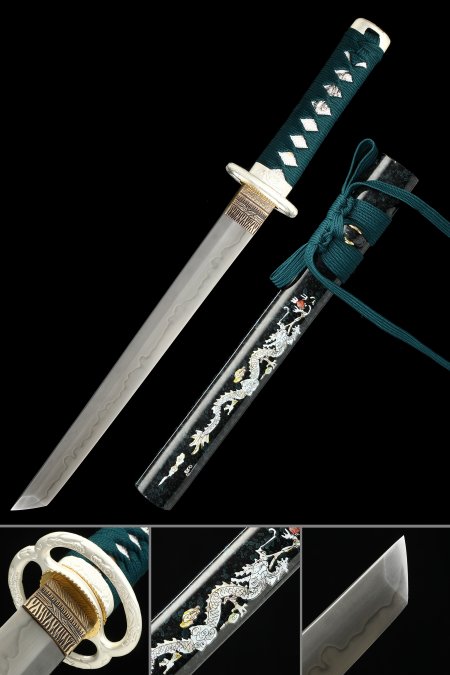
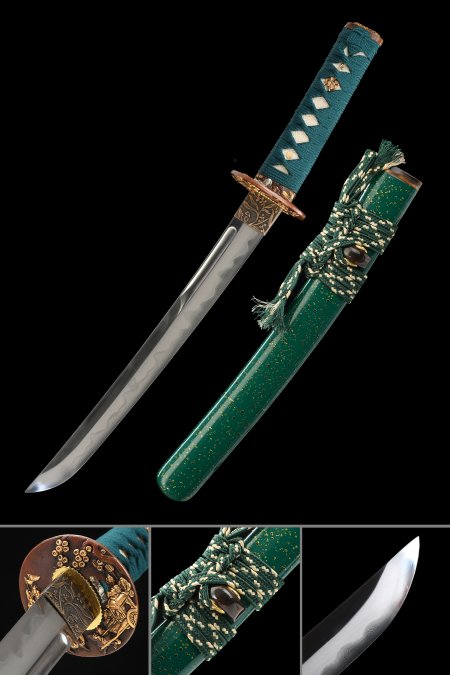
Teal handle tanto blades bring together traditional Japanese craftsmanship and distinctive aesthetic sensibility — each piece featuring hand-wrapped teal cord over full-tang construction, paired with hand-forged blades in Damascus, T10, or high-carbon steel. From dragon-carved saya to butterfly-etched scabbards, every detail is crafted for the discerning collector. Enjoy free shipping on all orders, backed by our hassle-free return policy.
Related Collections
Flower Scabbard Katana30 items
Wave Blade Katana83 items
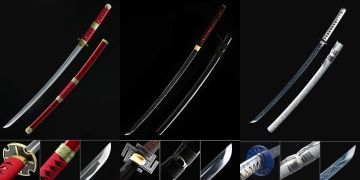
Geometric Tsuba Katana103 items
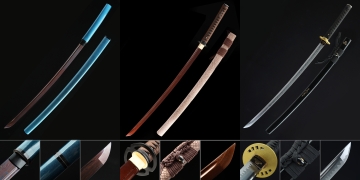
Plain Tsuba Katana89 items
Frequently Asked Questions
What steel types are used in teal handle tanto blades?
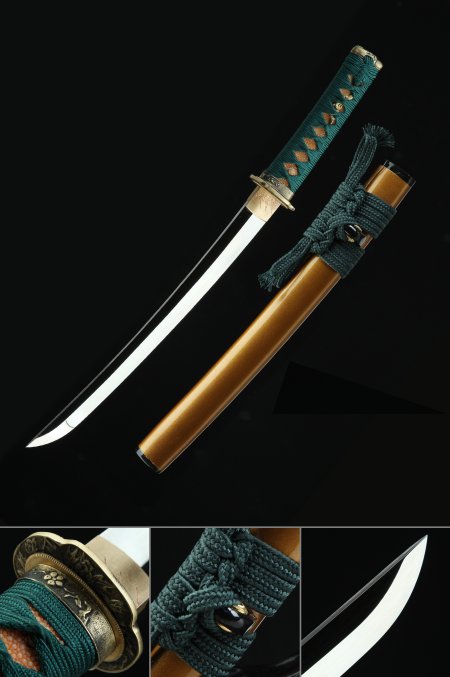
This collection includes tanto forged from four distinct steel traditions. Damascus steel is produced by layering and forge-welding multiple steel types, creating flowing grain patterns that are unique to each blade. T10 high-carbon steel is known for its fine grain structure and the vivid natural hamon — the visible hardening line — it develops through differential clay tempering. Folded Melaleuca steel undergoes an intensive multi-fold forging process that produces a subtly textured layered surface distinct from Damascus. Finally, 1060 carbon steel, when finished to a high polish, delivers a clean mirror surface that lets the teal handle cord become the visual anchor of the entire piece. Each steel type offers a different aesthetic and surface character suited to different collecting preferences.
How does Damascus differ from folded Melaleuca steel?
Both Damascus and folded Melaleuca (also called thousand-layer steel) involve forge-folding, but they differ in source materials and visual outcome. Damascus tanto are made by welding together two or more steel alloys with different carbon content — the contrast between those alloys is what creates the bold, flowing grain pattern visible on the finished blade. Folded Melaleuca steel is typically produced from a single steel type folded repeatedly, resulting in a more uniform, fine-grained texture without the high-contrast patterning of true Damascus. For collectors, Damascus offers dramatic visual variation across the blade surface, while Melaleuca steel presents a refined, understated texture more appreciated at close inspection.
How should I store and maintain a teal cord tanto?
High-carbon and Damascus steel blades require routine maintenance to prevent surface oxidation. Apply a thin coat of choji oil or pharmaceutical-grade mineral oil to the blade every two to three months, or after any handling, since fingerprints transfer moisture and acids onto the steel. Store the tanto horizontally on a dedicated display stand or in its saya in a low-humidity environment — avoid basements or areas with temperature fluctuation. The teal ito cord wrap is sensitive to prolonged moisture and direct UV exposure, both of which can cause the color to fade or the cord to degrade. Keep the piece away from direct sunlight when on display, and never store it in an airtight bag, which can trap humidity against the blade.
What makes a tanto a collectible rather than just decorative?
A collectible tanto distinguishes itself through material authenticity and craftsmanship integrity. Key markers include a full-tang construction where the blade steel extends through the handle rather than being attached at a single point, hand-forged steel with visible grain structure or genuine hamon, and fittings — tsuba, habaki, and saya — that are thematically and materially cohesive. The teal handle tanto in this collection are designed around these principles: the cord wrap is hand-applied over full-tang construction, the blades carry genuine steel character, and each saya is individually lacquered or carved to complement the overall design. This level of assembly makes each piece a coherent object of study for collectors interested in Japanese blade aesthetics and traditional construction methods.
Is a teal handle tanto a good gift for a Japanese culture enthusiast?
A tanto with a distinctive teal handle wrap makes a compelling gift for collectors, martial arts history enthusiasts, or anyone drawn to Japanese aesthetic traditions. The teal color gives these pieces an immediately recognizable visual identity that sets them apart from standard black or brown handle configurations. For gifting, pieces with thematic saya — such as the dragon motif or butterfly design — offer an added narrative dimension that resonates with recipients interested in Japanese mythology and symbolism. All pieces arrive with their lacquered saya and are well-suited for display on a dedicated blade stand. Pairing with a tanto display stand creates a complete presentation that requires no additional setup from the recipient.