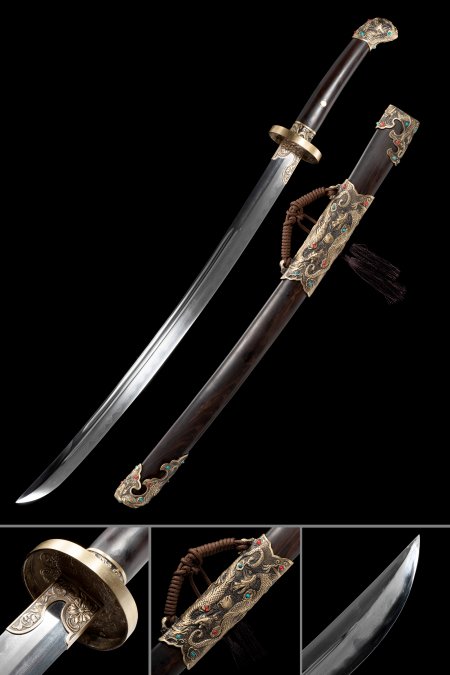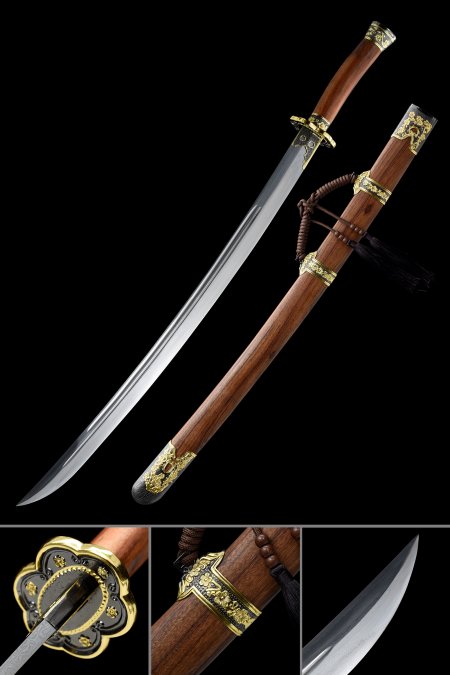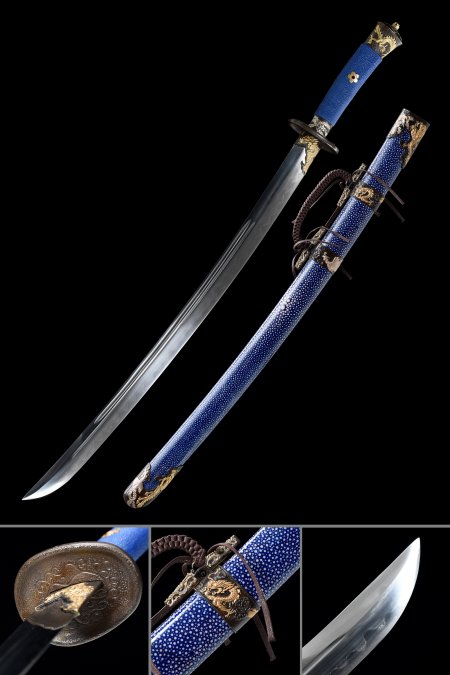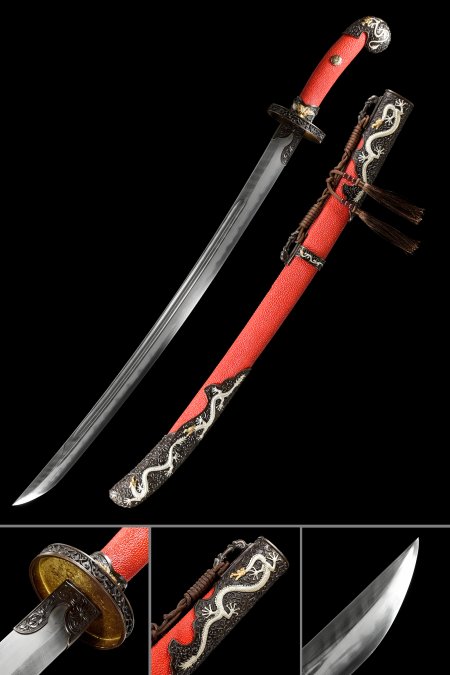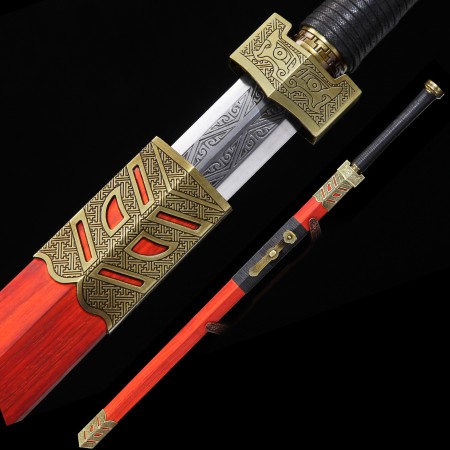
Traditional Chinese Sword

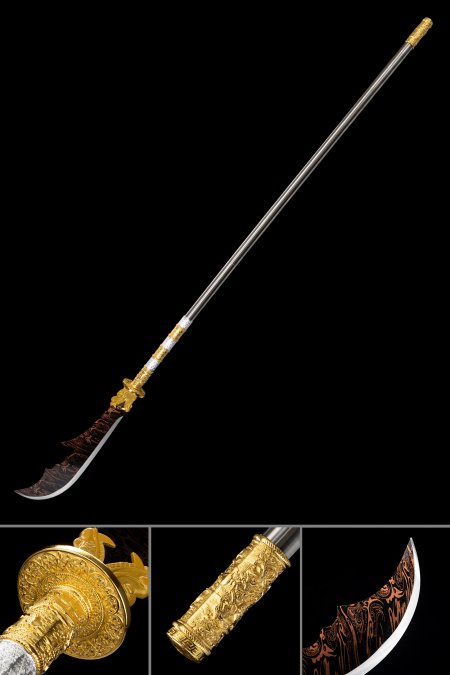
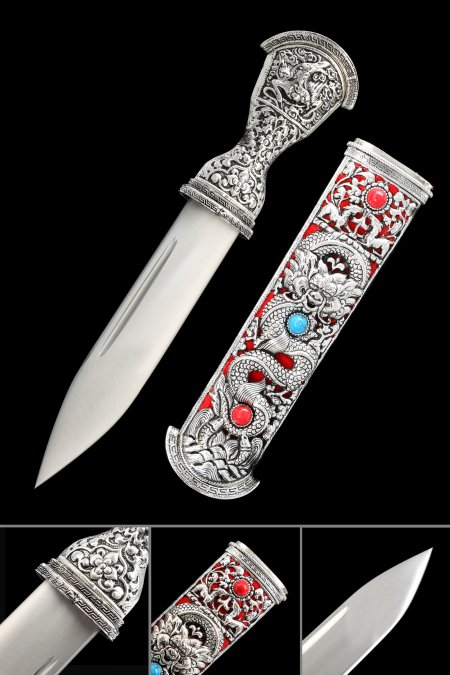
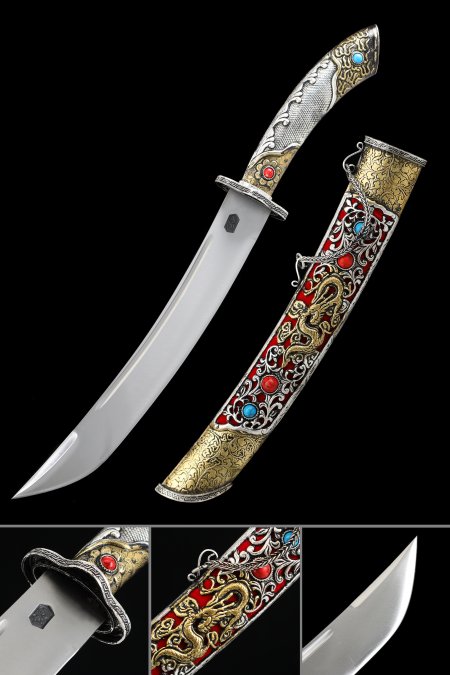
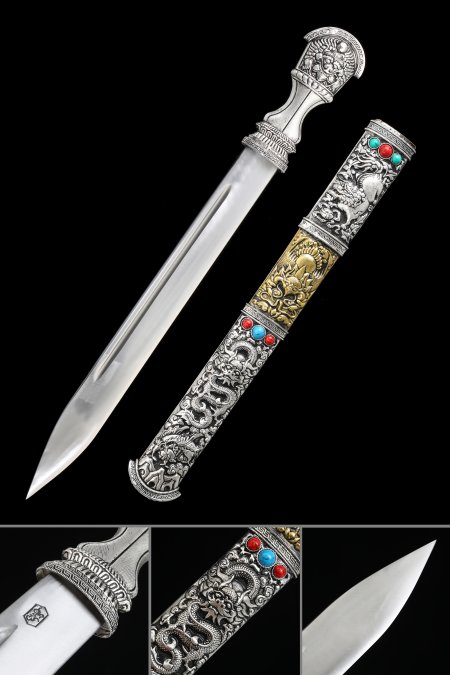
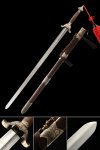
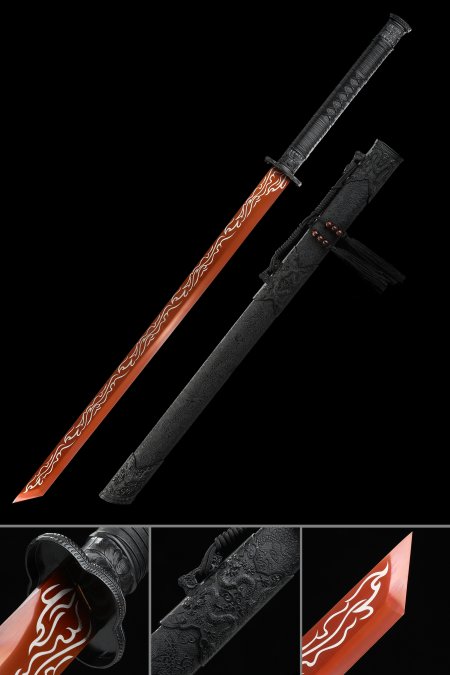
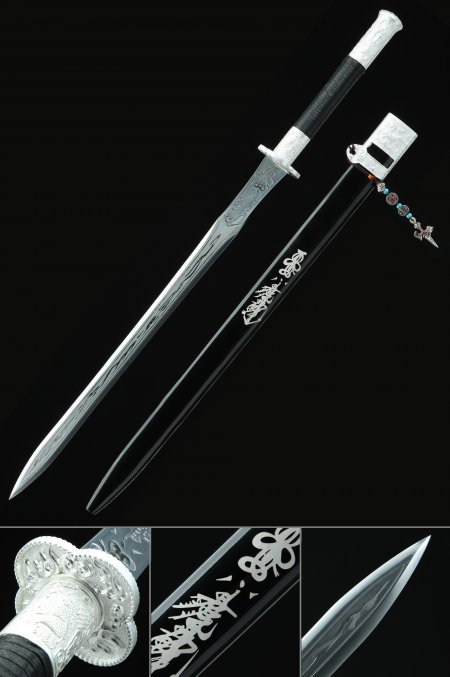
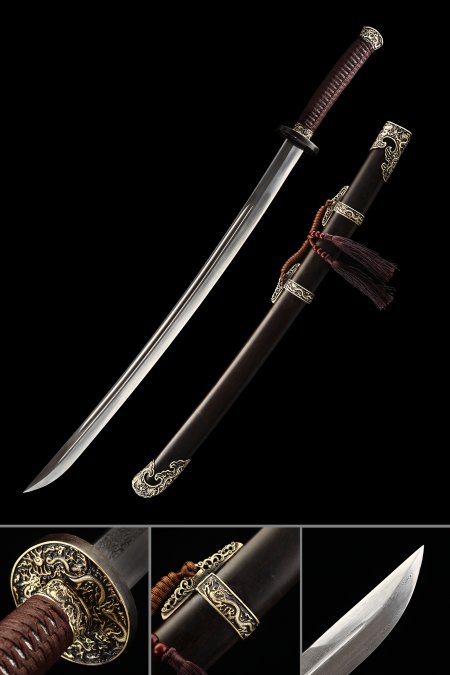
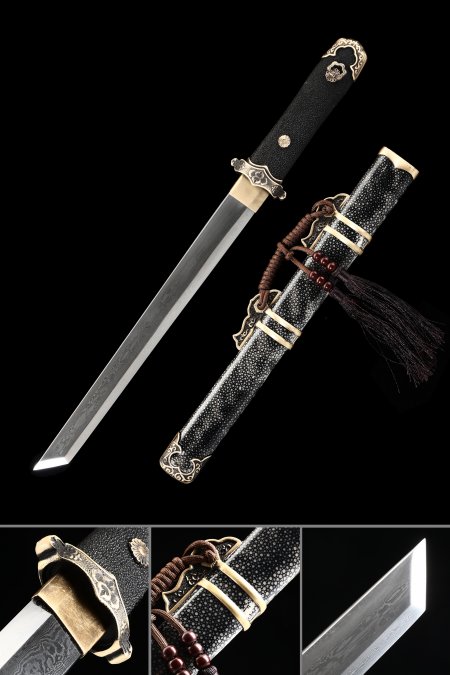
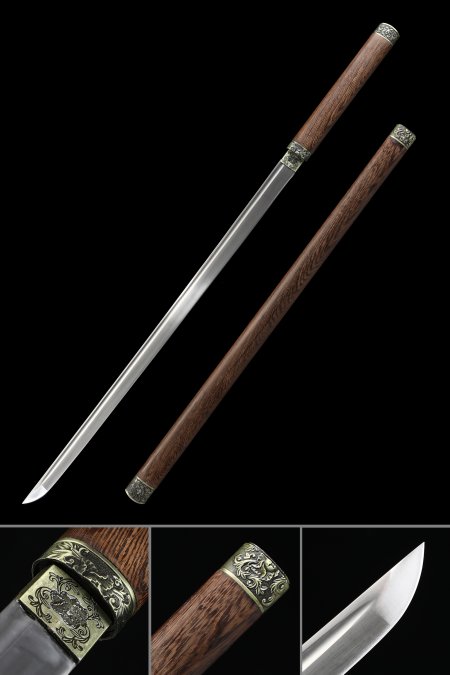
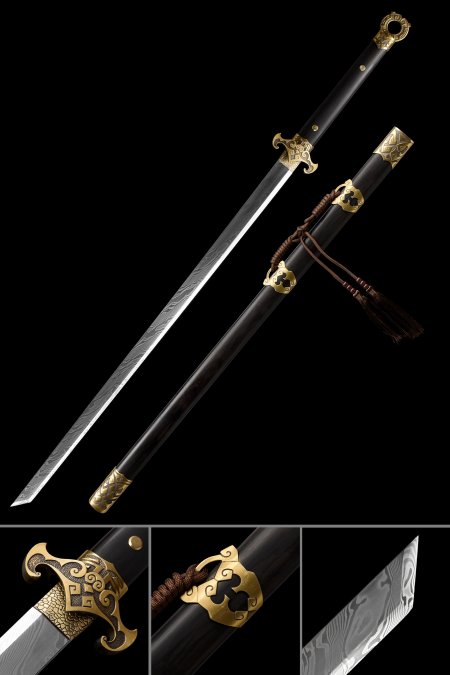
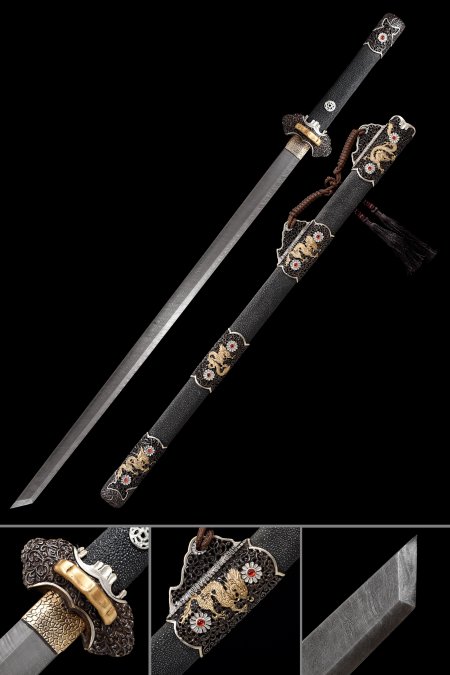
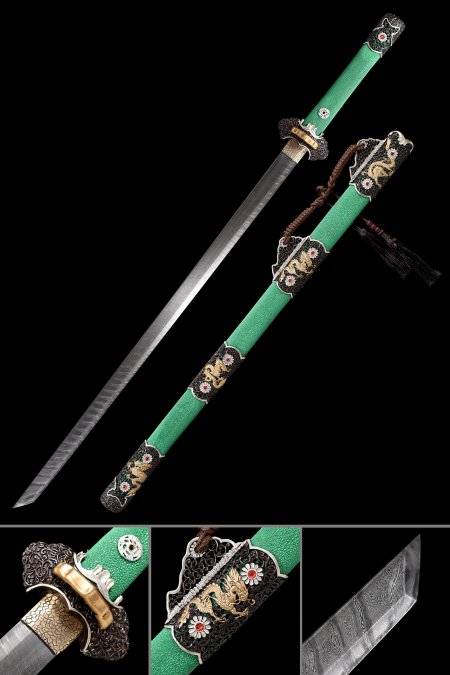
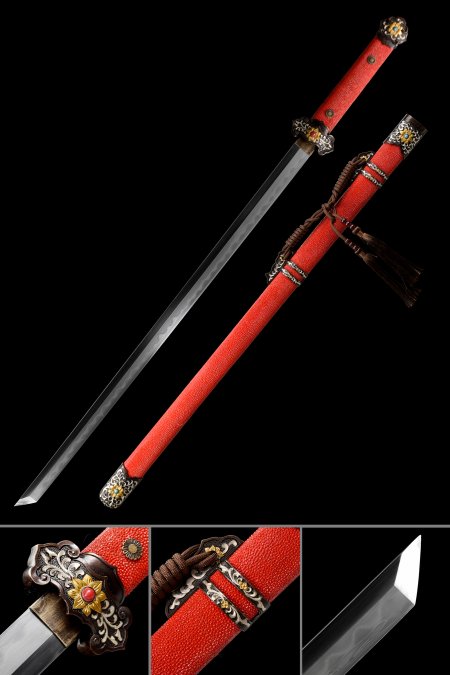
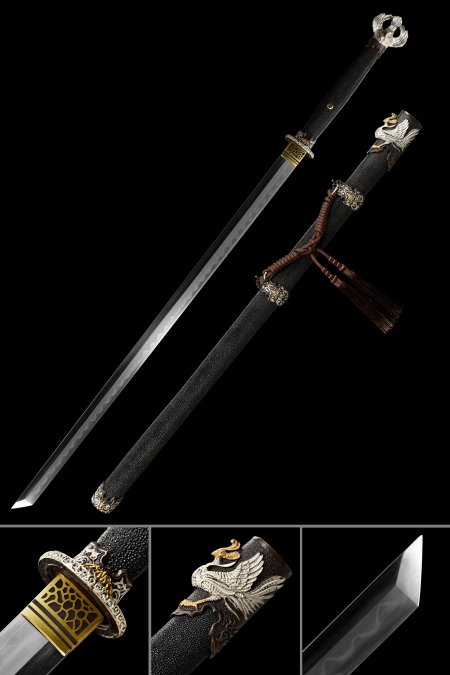
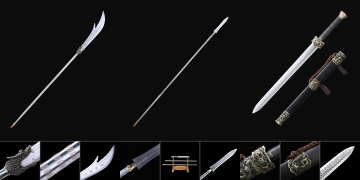
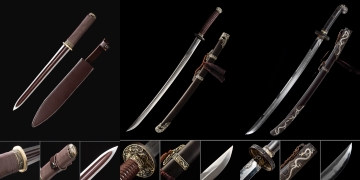
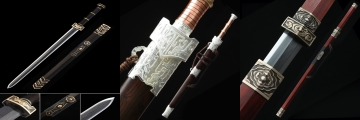
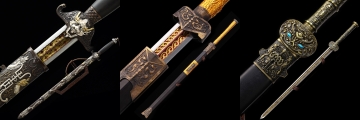
Explore our collection of traditional Chinese swords - hand-forged jian and dao collectibles representing the authentic blade-making traditions of imperial China across steel grades including 1095, Manganese Steel, and Damascus. From the classic Han Dynasty jian to the Chinese dao broadsword, these pieces honor the two thousand years of Chinese swordsmanship culture with full-tang construction and historically referenced designs. Free US shipping and hassle-free returns are included.
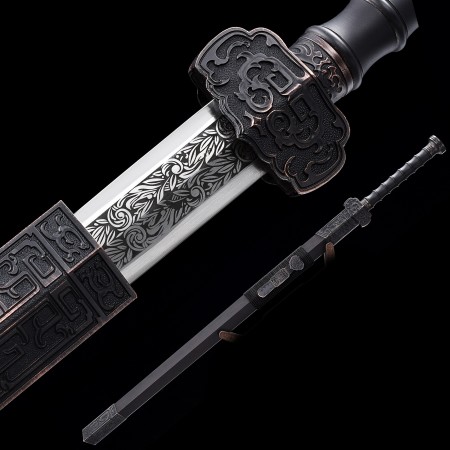
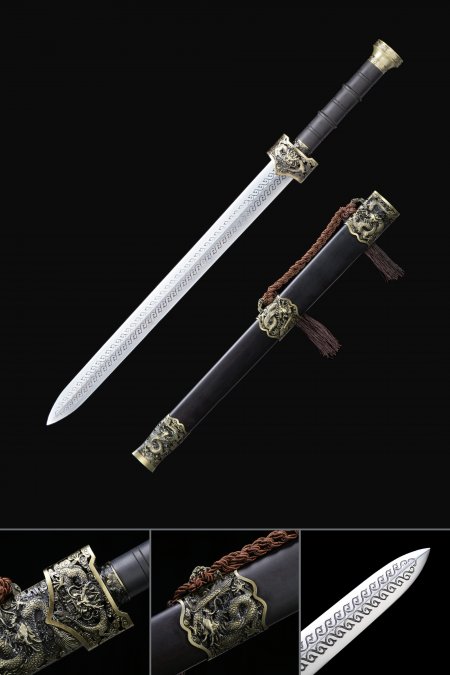
Showing 127 Products

Related Collections

Frequently Asked Questions

What are the main traditional Chinese sword forms in this collection?
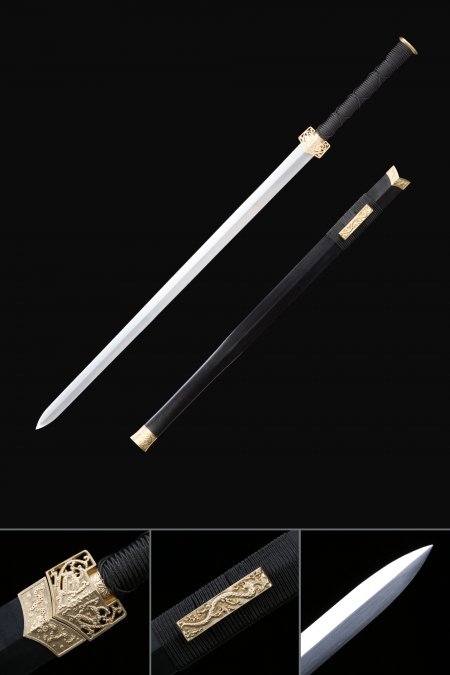
Traditional Chinese swords in this collection represent the two dominant blade forms of imperial Chinese civilization: the jian and the dao. The jian is a straight double-edged sword with both sides of the blade carrying an edge - historically associated with scholars, officials, Taoist practitioners, and elite military officers, it is considered the most refined blade form in Chinese culture and is sometimes called the 'gentleman of weapons.' The dao is a single-edged curved or straight sword historically associated with infantry and cavalry military use - more practical and robust than the jian, it is the dominant form in Chinese military sword history and is called the 'king of short weapons' in martial arts tradition. Both forms appear in this collection in multiple steel grades and historical period references, from Han Dynasty jian pieces in 1095 and Manganese Steel to Chinese dao broadsword pieces in 1095 clay-tempered and 1045 carbon steel.
How does traditional Chinese sword construction differ from Japanese sword construction?
Traditional Chinese and Japanese sword construction share some fundamental principles - both traditions involve high-carbon steel, forge welding, heat treatment, and the production of blades with a hard edge and tougher core - but differ significantly in their specific techniques, blade geometries, and aesthetic priorities. Japanese sword construction is most distinctively characterized by the tamahagane steel production process, the elaborate clay-tempering method that produces the visible hamon temper line, and the specific profile geometry of the katana - a strongly curved single-edged blade with a characteristic tip geometry. Chinese sword construction traditionally emphasized a different steel preparation approach, used both single and double-edged blade forms, and developed aesthetic priorities around blade surface finish, decorative motifs, and the precise geometry of the jian's double edge rather than the hamon effect. The guard and fitting traditions differ as well: Japanese swords use the tsuba guard in a characteristic circular or oval form, while Chinese swords use a variety of guard shapes including the characteristic S-curve guard of the dao and the more varied guard traditions of the jian.
What steel grades represent the best traditional Chinese sword construction?
The best traditional Chinese sword construction in this collection combines appropriate historical form with premium modern steel grades that deliver both visual quality and structural integrity. Manganese Steel is a leading option, providing exceptional surface hardness and a deep, consistent finish quality that suits the refined aesthetic of traditional Chinese jian and dao forms. The steel's surface takes decorative finish work well and displays the blade's profile with a clarity that rewards close inspection. 1095 carbon steel is the premium option for collectors who want the highest blade character in a Chinese sword collectible: its high carbon content allows for the differential heat treatment that produces visible temper effects on the blade surface, adding craft-quality detail to the piece. Damascus Steel pieces bring fold-forged layered patterning to traditional Chinese forms, creating blades with visual complexity that references the historical prestige of layered and patterned steel in Chinese blade-making culture. All these grades are used with full-tang construction throughout the collection.
How do I display traditional Chinese swords in a home collection?
Traditional Chinese swords display most effectively when the presentation reflects the historical and cultural gravity of the pieces. A dedicated Chinese sword display wall - with pieces arranged by form (jian and dao together), by dynasty reference, or by size - creates an immediately compelling display that communicates the breadth and depth of the Chinese blade tradition. Warm wood display surfaces and natural lighting complement the aesthetic of traditional Chinese sword forms, particularly the brown, natural wood, and dark red color options that appear across this collection. A horizontal two-bracket wall display for a single sword shows the piece in its most traditional resting presentation. For a jian, display with the blade horizontal and visible from both sides is ideal given the double-edged profile. For a dao, display with edge facing upward in the traditional sword-resting orientation. Pairing a jian and dao in a coordinated two-piece display arrangement is one of the most historically and aesthetically satisfying options in Chinese sword collecting.

Customer Reviews

Eugene Berry Pennsylvania, United States

The sword is of excellent quality and has an exquisite beauty. Been practicing Tai Chi for decades and wanted to incorporate swordsmanship. This is an ideal sword to practice this martial art. It is all that I imagined. Would highly recommend this sword. Everyone who has seen it remarked at its beauty and quality.

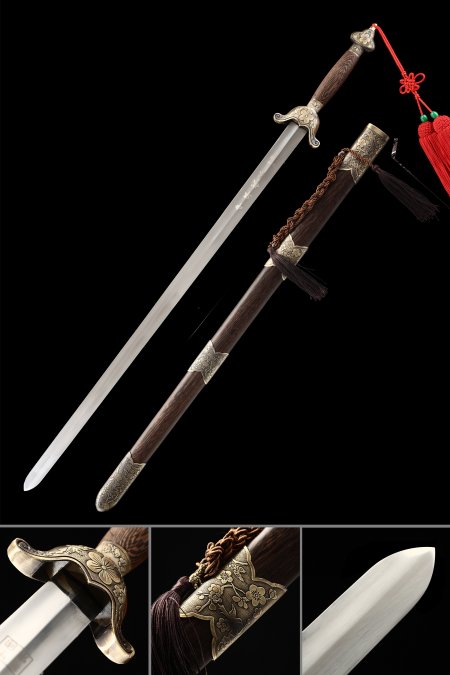
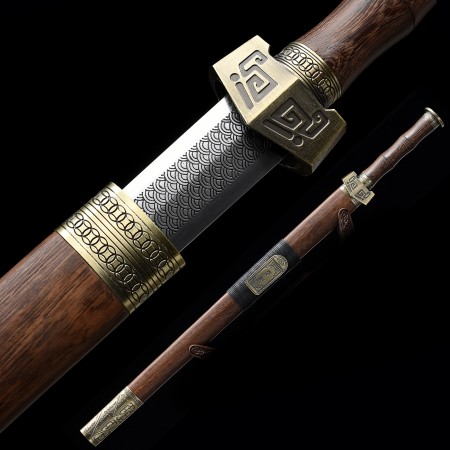
Handmade Tai Chi Jian - Stainless Steel Chinese Tai Chi Sword With Rosewood Scabbard Handmade Tai Chi Jian - Stainless Steel Chinese Tai Chi Sword With Rosewood Scabbard