Chinese Dao Sword
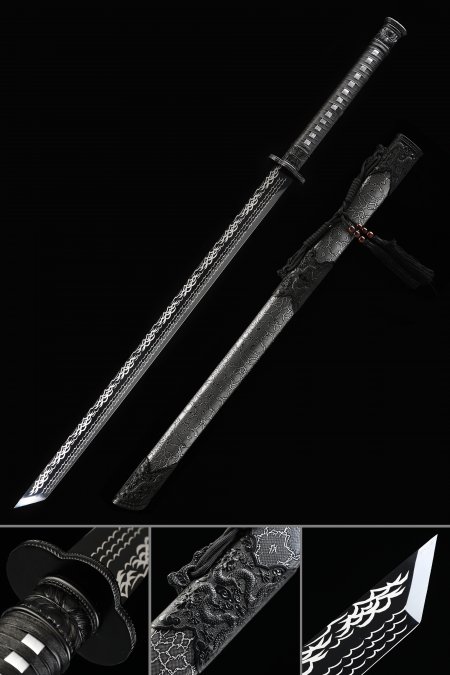
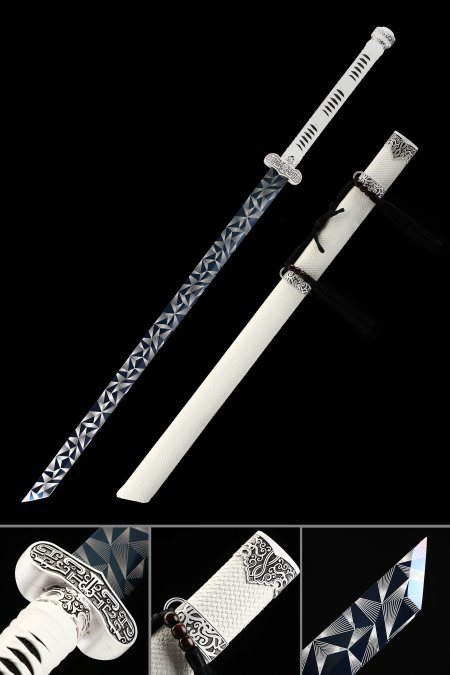
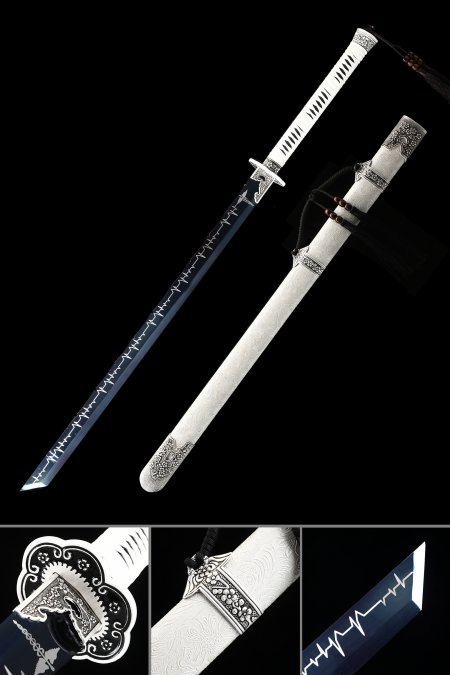
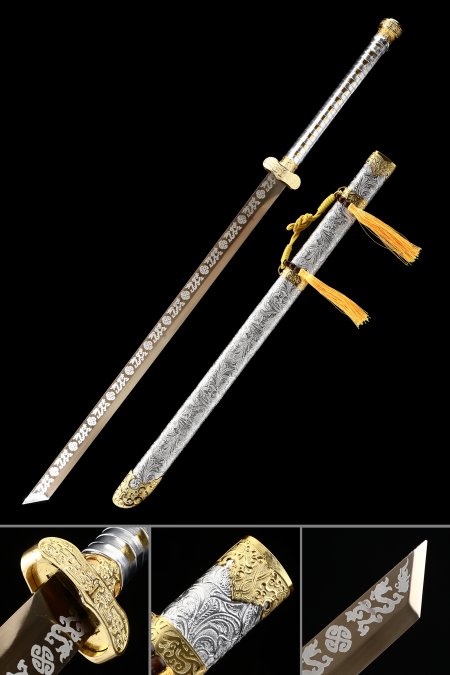
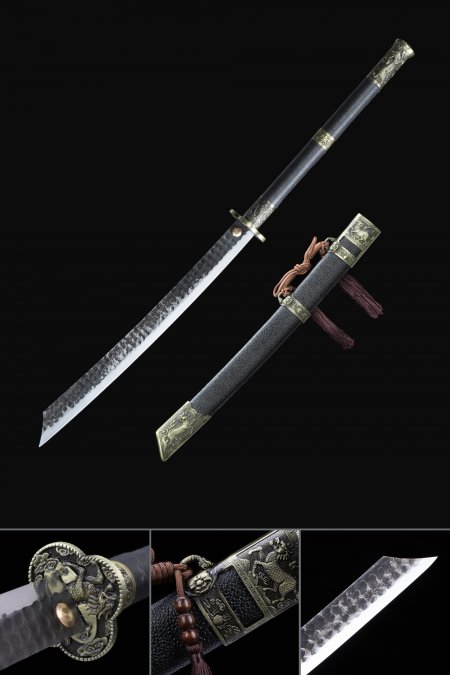
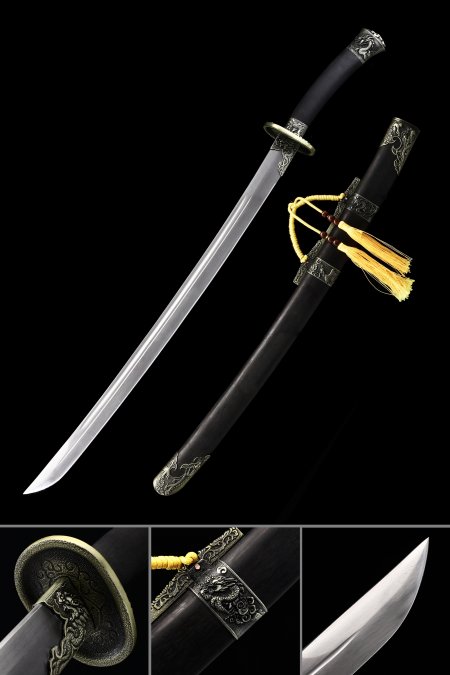
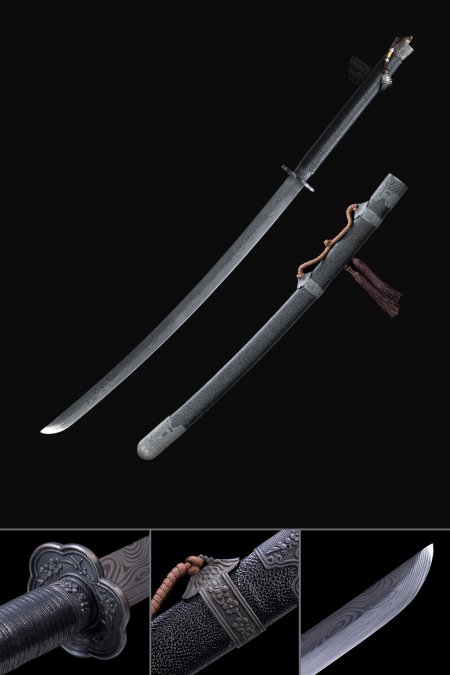
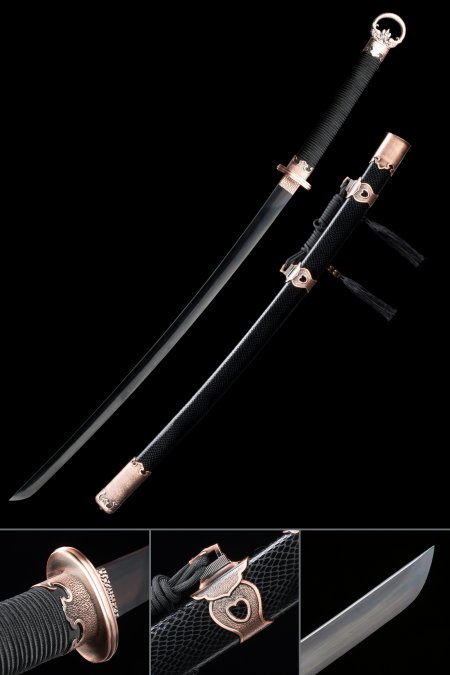
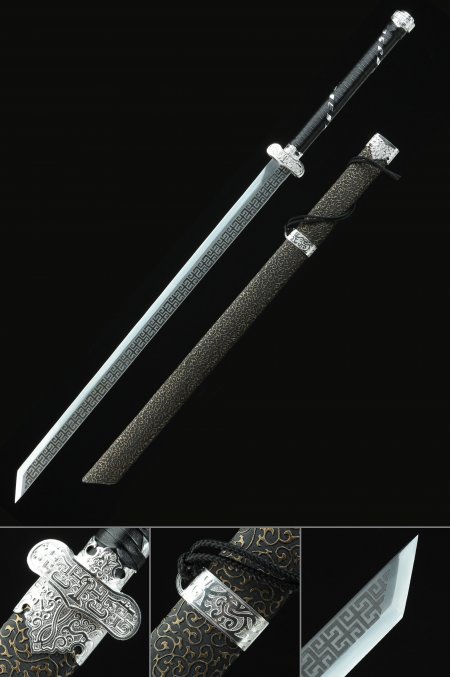
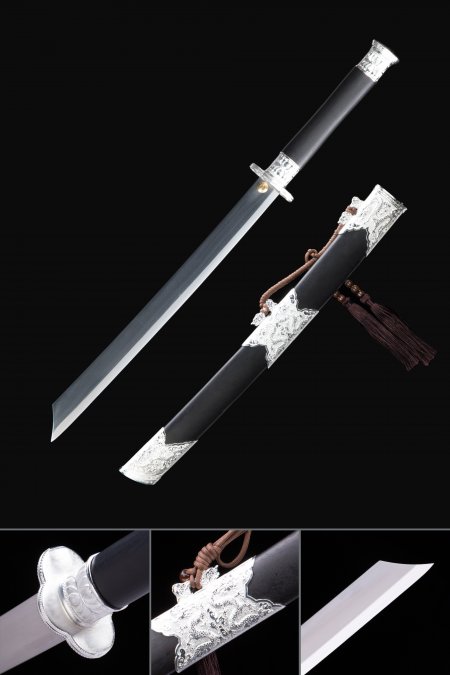
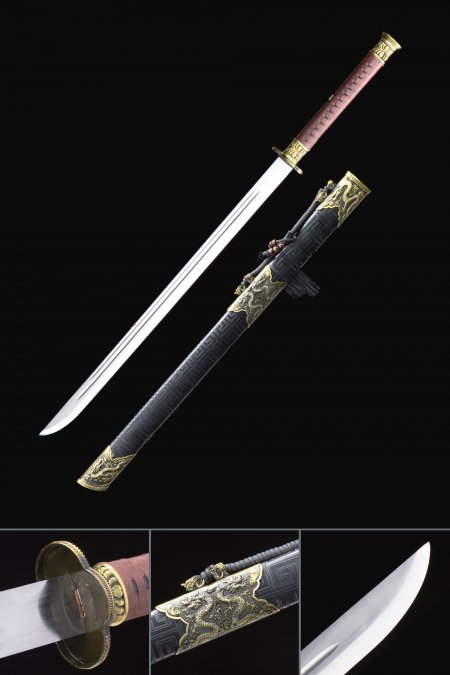
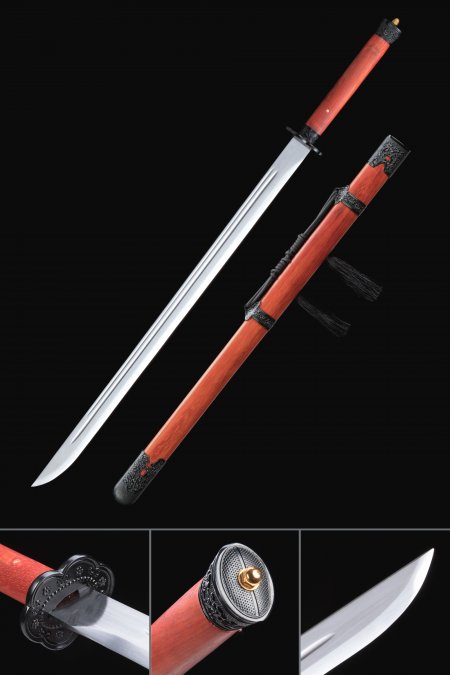
Chinese dao swords in this collection are hand-forged broadswords built in the oxtail dao tradition, using Damascus and folded Melaleuca steel clay-tempered to traditional standards. Each dao features a full-tang construction and the characteristic single-edged curve that made this style of sword a defining piece of Chinese martial history. Free shipping and a 30-day return policy are included with every order.
Related Collections
Frequently Asked Questions
What is the history and design significance of the oxtail dao sword shape?
How does a Chinese dao sword differ from a Japanese katana in construction and use?
What steel is used in the Chinese dao swords in this collection?
How should I store and care for a Chinese dao sword to preserve its finish?
Customer Reviews
Very excellent piece!Absolutely beautiful craftsmanship!Sturdy and reliable!Would highly recommend!
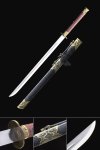 |
Handmade Spring Steel Straight Blade Chinese War Dao Broadsword With Black Scabbard |
Verry good Don't like how the tang looks and it's not that sharp but otherwise 5 star verry good
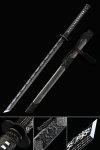 |
Chinese Dao Broadsword - Manganese Steel Black Blade With Dragon Scale Leather Scabbard 44 Inches |
The sword is absolutely beautiful. Super high quality! Would recommend to anyone.
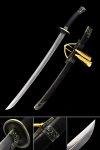 |
Oxtail Dao - Clay Tempered 1095 Carbon Steel Chinese Broadsword With Ebony Scabbard |
This blade is absolutely beautiful.I was completely blown away by the craftsmanship of this sword.Would highly recommend and is worth every penny.
|
Oxtail Dao - Clay Tempered 1095 Carbon Steel Chinese Broadsword With Ebony Scabbard |
I should have just bought this sword and nothing else for Christmas because once he opened his sword he was in love and nothing else mattered lol
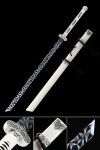 |
Chinese Dao Broadsword - Manganese Steel Blue Blade With Silver Scabbard & Geometric Etching 44 Inches |
Absolutely Outstanding Work! It looks even more beautiful in person. As for me, It was a bizarre Christmas gift.
The blade is pretty sharp and it's heavy which I wasn't really expect it to be though I like it very much. Though, I don't think it's that durable if you swing it (Slash) but it can still cut so be careful.
I think my only takeway from this is that, the scabbard was a bit worn out I suppose. The sew was kind of loose and inside was leaving crumbs of wood/dust on the blade (It sticked to it due to the oil). I guess that's to be expected since they had it in stock, probably one that's been there for some time. Additionally, the time of shipping takes quite an amount of time but eventually it still came. Just make your orders about 2 weeks and a half earlier from when you'd want to recieve it (if from the US) because that's how long it took for me.
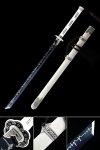 |
Handmade Chinese Dao Sword High Manganese Steel With Blue Blade And White Scabbard |
Awesome. Very sharp sword, looks just as advertised and so beautiful. It's a little heavy, but I got used to it immediately!
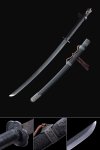 |
Chinese Dao Broadsword - Manganese Steel Full Tang With Floral Guard & Black Leather Scabbard 41 Inches |
Very nice quality. Arrived within 3 weeks, which was nice. Very happy
|
Oxtail Dao - Clay Tempered 1095 Carbon Steel Chinese Broadsword With Ebony Scabbard |