
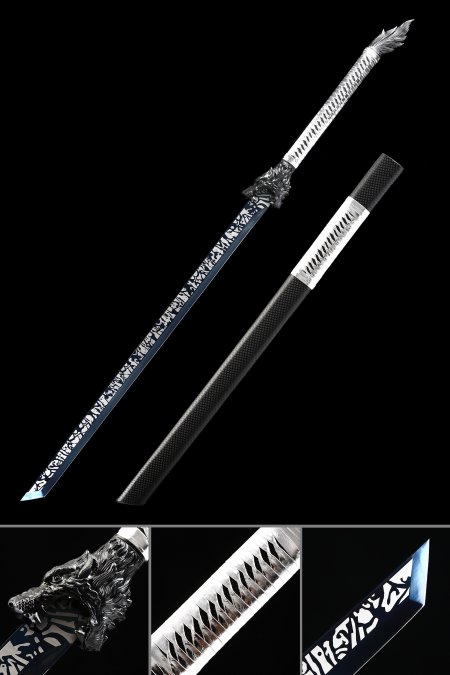
Dao
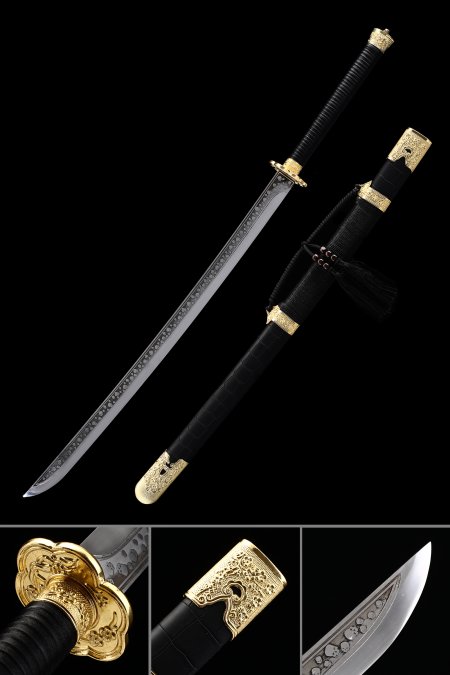
Shop our collection of dao swords - hand-forged Chinese dao single-edged curved blade collectibles spanning Han Dynasty saber forms, Kangxi chop sabers, Chinese broadswords, and dao formats across Manganese Steel, 1045 carbon steel, and Damascus steel. Dao collectibles represent the primary curved single-edged tradition of Chinese sword-making with full-tang construction throughout. Free US shipping and hassle-free returns included.
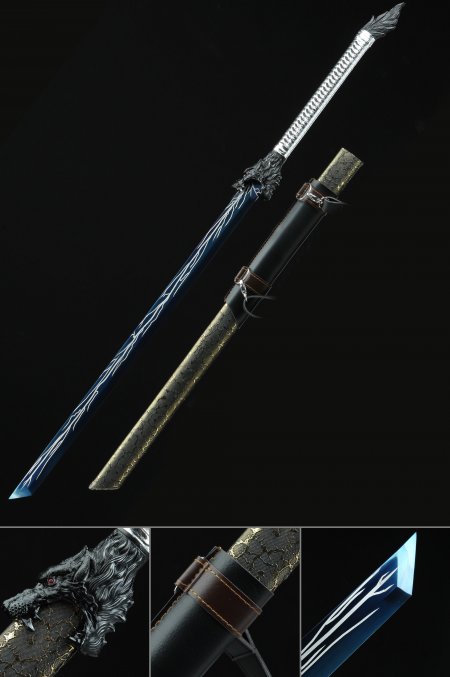
Free Shipping
229.00 USD
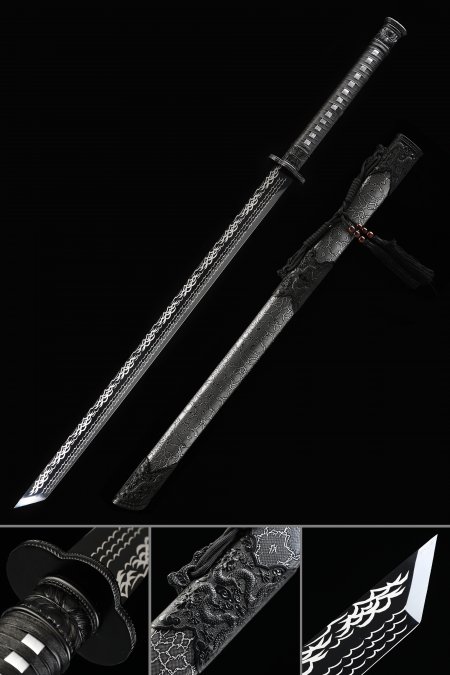
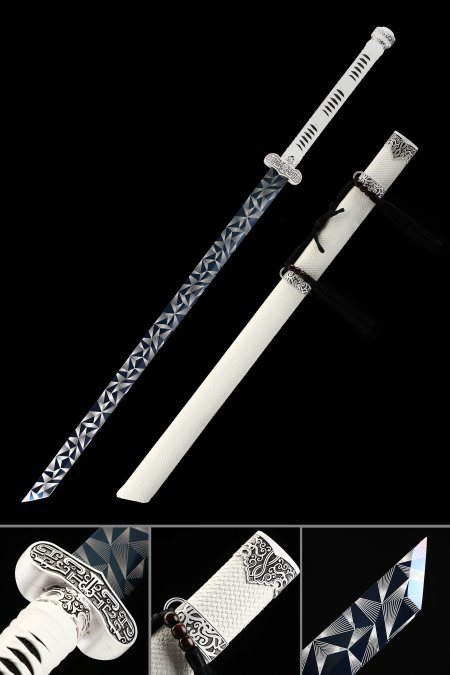
Free Shipping
229.00 USD
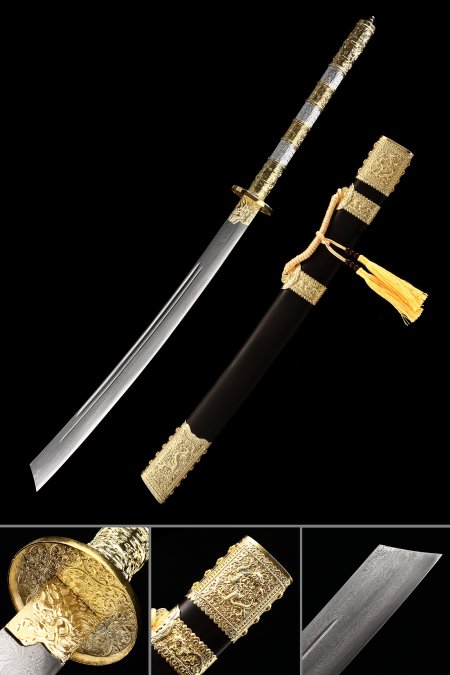
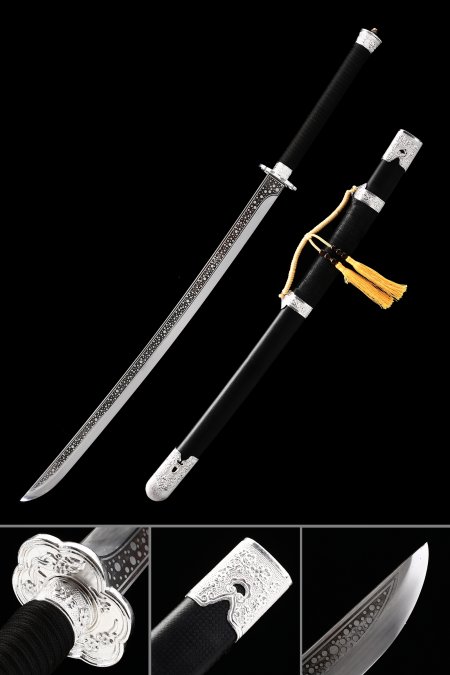
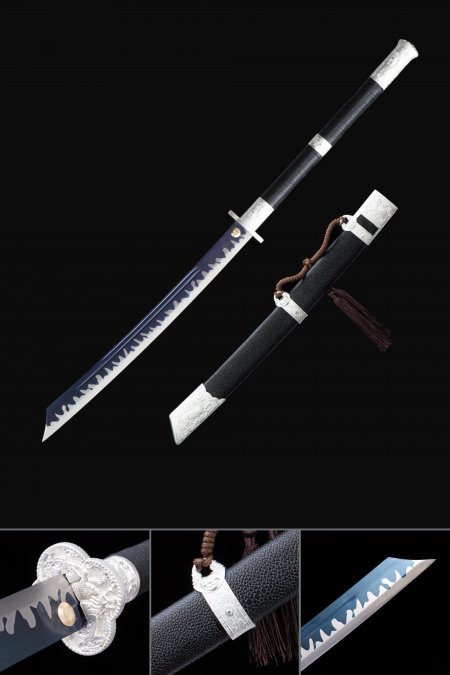
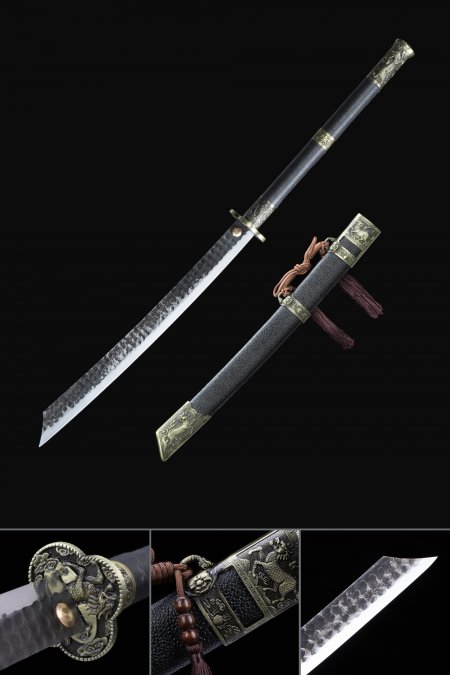
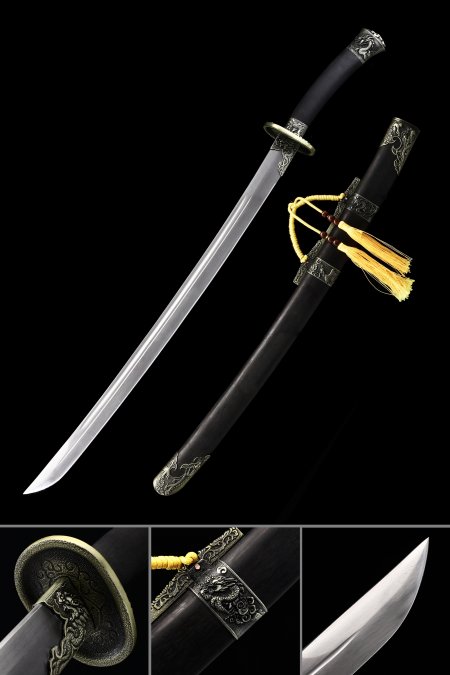
Free Shipping
289.00 USD
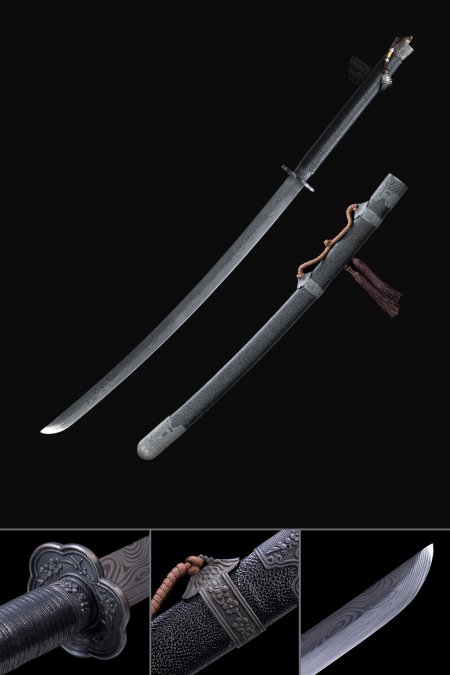
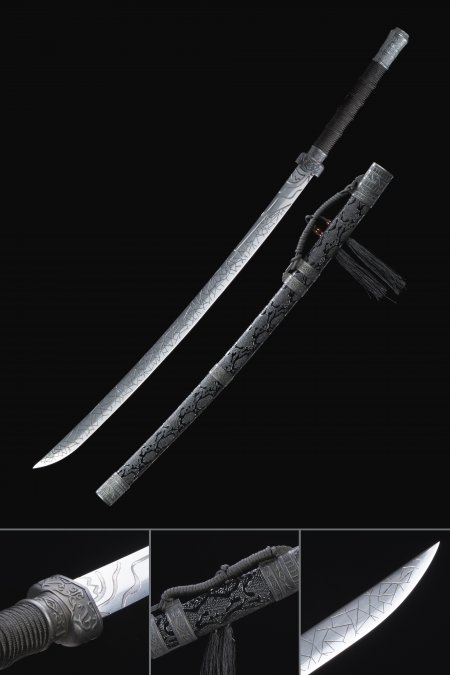
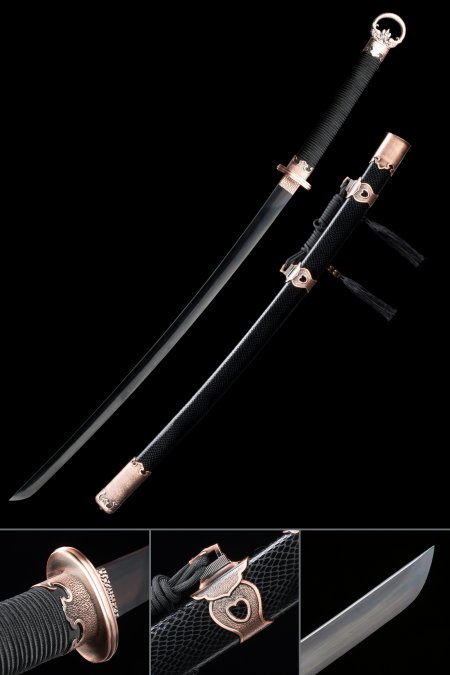
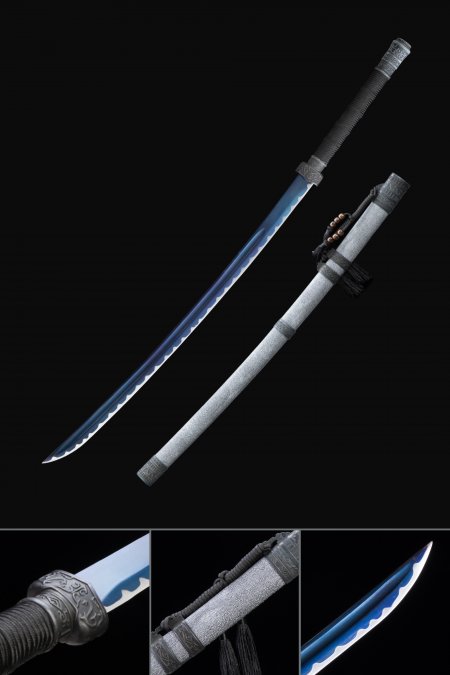
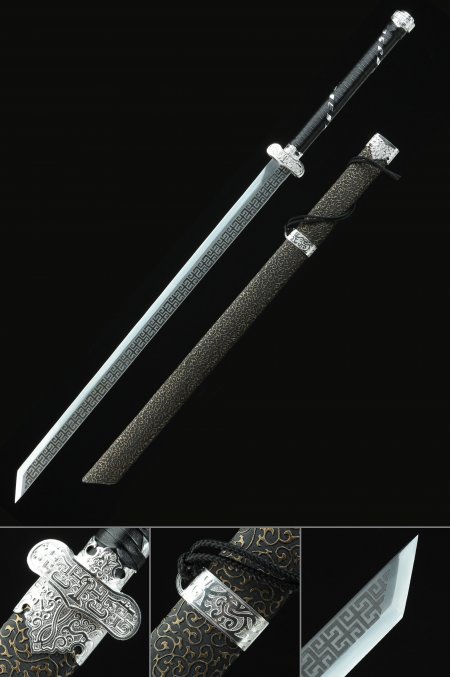
Free Shipping
219.00 USD
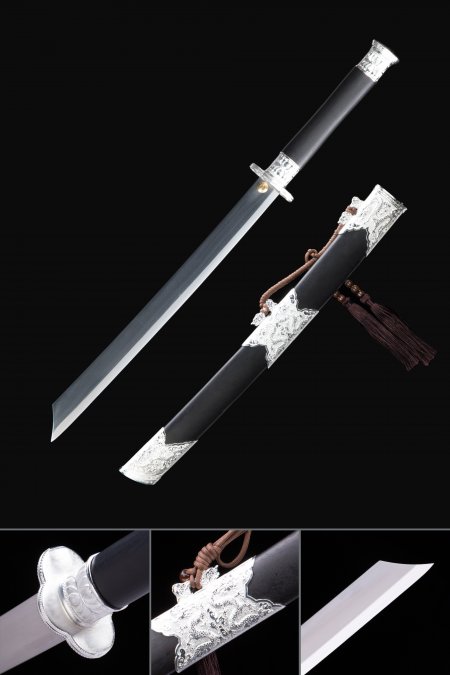
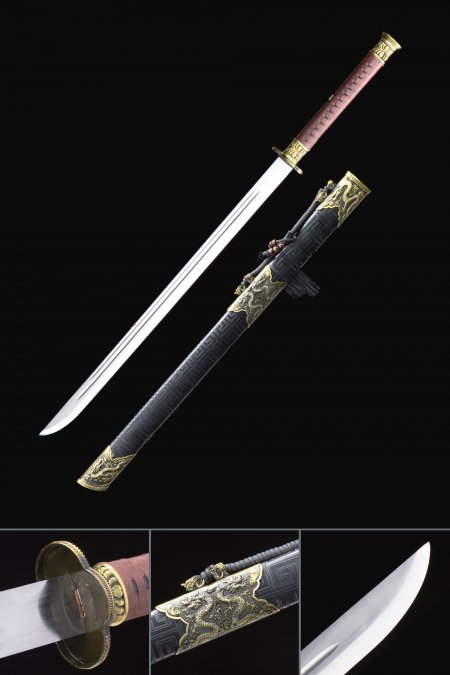
Free Shipping
199.00 USD
Free Shipping
199.00 USD
Free Shipping
1,079.00 USD
Related Collections
Frequently Asked Questions
What is a dao sword and what are its main historical forms?
A dao is the primary single-edged curved sword of the Chinese tradition - a blade with one sharpened edge on the outer curve, a reinforcing spine on the inner curve, and a curved blade profile that concentrates cutting force in the forward arc of a slashing movement. The dao tradition spans multiple distinct historical forms that developed across Chinese dynastic periods. The Han Dynasty dao is the earliest widely collected form, with relatively moderate curve and a broad blade profile appropriate to the infantry and cavalry roles it served. The Tang Dynasty saber developed a more pronounced curve and refined proportions associated with the cavalry saber tradition of one of China's most powerful dynasties. The Kangxi chop saber from the Qing period is a heavier, more robust form associated with the Manchu military tradition, with a characteristic thick spine and ring pommel. The dadao - great sword - is a longer, heavier dao form whose twentieth-century associations with Chinese resistance movements give it particular cultural significance. Each of these forms represents a distinct aesthetic and functional approach within the single-edged Chinese sword tradition, and each is immediately distinguishable by form from the others.
What distinguishes a Kangxi chop saber from other Chinese dao forms?
A Kangxi chop saber is distinguished from other Chinese dao forms by its heavier construction, more robust blade profile, and associations with the Qing dynasty military tradition of the Kangxi Emperor period. The Kangxi chop saber features a thicker spine than most other dao forms, a more pronounced widening toward the blade tip, and a generally heavier overall construction appropriate to the chopping movements that give the form its name. The ring pommel and the characteristic Qing dynasty fitting style are also identifying features. Compared to the more elegant Han Dynasty dao or the slender Tang Dynasty saber, the Kangxi chop saber reads as a more directly utilitarian blade - a sword whose design priorities favor cutting power over refined elegance. The Kangxi chop saber's heavier proportions create a display presence of considerable mass and martial directness that lighter dao forms do not achieve. For collectors interested in the Qing dynasty military tradition, the Kangxi chop saber is one of the most historically specific and visually distinctive options in the Chinese sword collecting category.
How do I maintain a Chinese dao sword?
Maintaining a Chinese dao sword requires consistent attention to the blade steel and the fitting components that define its traditional Chinese construction. For the high-carbon steel blade, the standard maintenance routine applies: after every handling session, wipe the full blade surface with a soft lint-free cloth to remove fingerprints and moisture, then apply a thin protective coat of camellia oil or quality mineral oil and buff away excess. High-carbon steel in any grade will develop surface oxidation if unprotected from moisture and skin oils, and regular oiling prevents this. For Manganese Steel dao, the grade's hard surface is more resistant to corrosion than softer carbon grades, but still benefits from regular oiling. The ring pommel should be checked periodically for looseness - if it develops movement, the attachment hardware should be inspected and tightened. The scabbard's wooden body should be kept in a stable-humidity environment to prevent swelling or cracking. Clean the scabbard mouth piece and drag with a soft dry cloth to remove dust and prevent oxidation on the metal fittings.
How does a Chinese dao display alongside a Japanese katana?
A Chinese dao and a Japanese katana display as complementary pieces that represent two of the world's great single-edged curved blade traditions while being immediately distinguishable from each other. The most visible differences in display are the blade geometry, the ring pommel, and the overall fitting character. The dao's blade typically widens toward the tip and has a more pronounced mid-section mass, while the katana has a more consistent taper to its kissaki tip. The dao's ring pommel is immediately recognizable as distinctly Chinese in a way that the katana's pommel is not. The Chinese fitting system - disc or oval guard, bamboo-knot or wrapped handle without the katana's ito system - is visually distinct at any display distance. Together, a dao and a katana create a display that visually communicates the breadth of Asian sword culture: the shared single-edged curved blade form across two entirely different design traditions. Standard katana-format wall brackets accommodate most dao sizes, and positioning the dao and katana at the same wall level creates an immediate visual comparison that collectors and visitors both appreciate.
Customer Reviews
David Edward Self
Tennessee, United States
Very excellent piece!Absolutely beautiful craftsmanship!Sturdy and reliable!Would highly recommend!
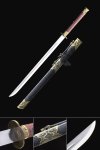 |
Handmade Spring Steel Straight Blade Chinese War Dao Broadsword With Black Scabbard |
Anthony Troublefield
Kentucky, United States
Verry good Don't like how the tang looks and it's not that sharp but otherwise 5 star verry good
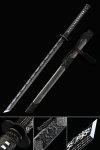 |
Chinese Dao Broadsword - Manganese Steel Black Blade With Dragon Scale Leather Scabbard 44 Inches |
Adam Ernst
New York, United States
The sword is absolutely beautiful. Super high quality! Would recommend to anyone.
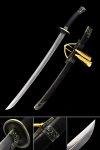 |
Oxtail Dao - Clay Tempered 1095 Carbon Steel Chinese Broadsword With Ebony Scabbard |
Tiffany Hollingshead
Arkansas, United States
It's a little heavy, but definitely nice. Very beautiful sword. Shipping was really fast and packaged very well.
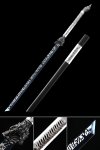 |
Handmade Chinese Dao Sword Tang Dynasty Full Tang With Blue Blade |
Jacky Huang
New York, United States
really clean sword, the end of the hilt is a bit scuffed but besides that really nice overall.
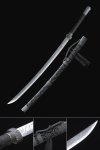 |
Chinese Dao Broadsword - Manganese Steel Full Tang With Textured Black Scabbard & Alloy Fittings |
David Edward Self
Tennessee, United States
This blade is absolutely beautiful.I was completely blown away by the craftsmanship of this sword.Would highly recommend and is worth every penny.
|
Oxtail Dao - Clay Tempered 1095 Carbon Steel Chinese Broadsword With Ebony Scabbard |
April Brown
Virginia, United States
I should have just bought this sword and nothing else for Christmas because once he opened his sword he was in love and nothing else mattered lol
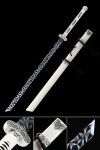 |
Chinese Dao Broadsword - Manganese Steel Blue Blade With Silver Scabbard & Geometric Etching 44 Inches |
Seth Ramirez
New York, United States
Absolutely Outstanding Work! It looks even more beautiful in person. As for me, It was a bizarre Christmas gift.
The blade is pretty sharp and it's heavy which I wasn't really expect it to be though I like it very much. Though, I don't think it's that durable if you swing it (Slash) but it can still cut so be careful.
I think my only takeway from this is that, the scabbard was a bit worn out I suppose. The sew was kind of loose and inside was leaving crumbs of wood/dust on the blade (It sticked to it due to the oil). I guess that's to be expected since they had it in stock, probably one that's been there for some time. Additionally, the time of shipping takes quite an amount of time but eventually it still came. Just make your orders about 2 weeks and a half earlier from when you'd want to recieve it (if from the US) because that's how long it took for me.
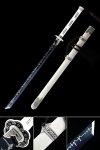 |
Handmade Chinese Dao Sword High Manganese Steel With Blue Blade And White Scabbard |