Han Dao

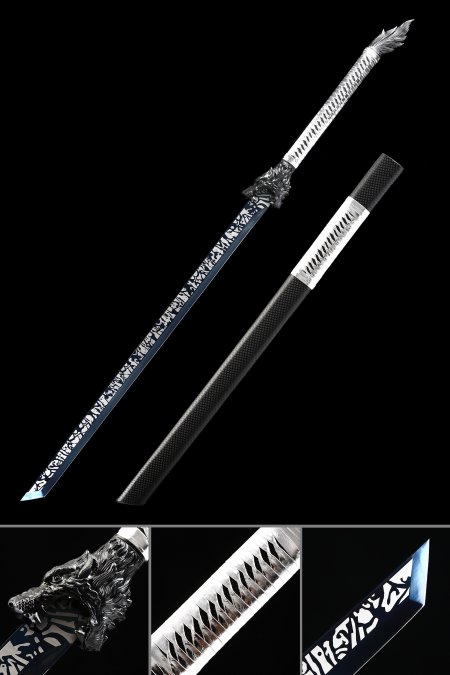
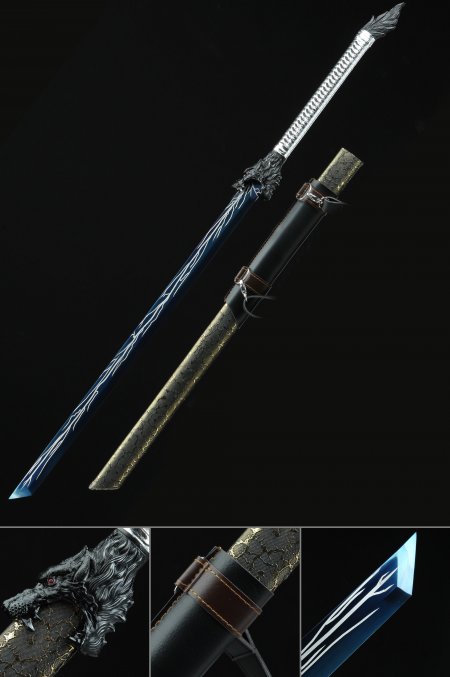
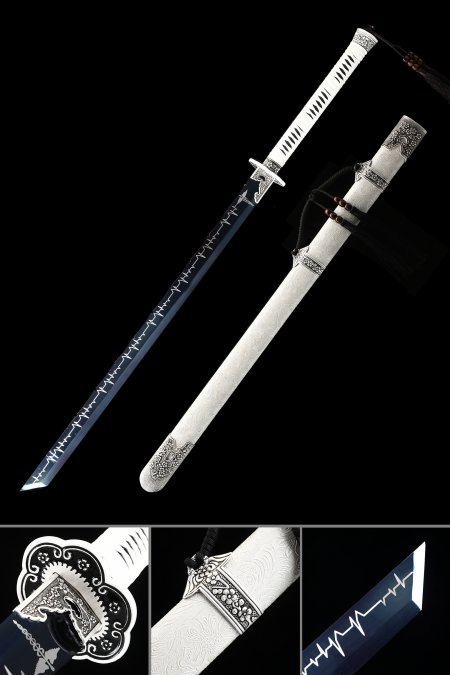
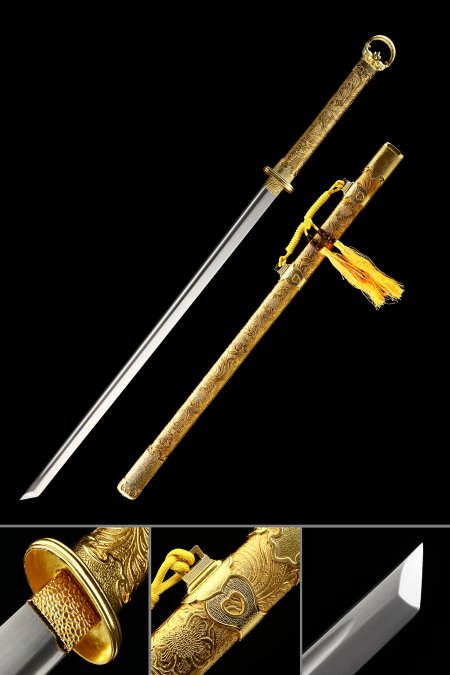
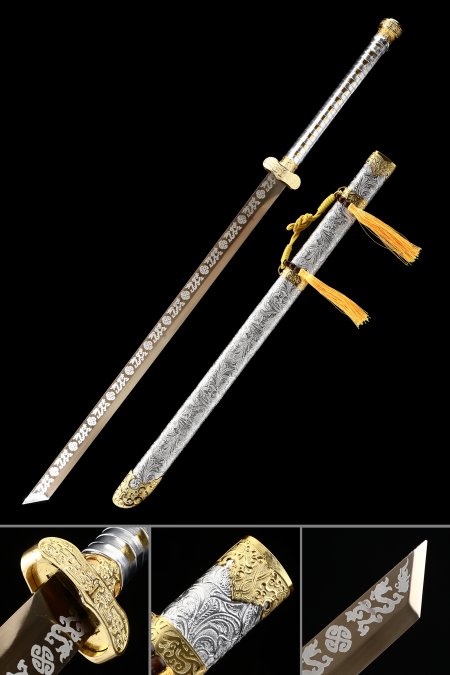
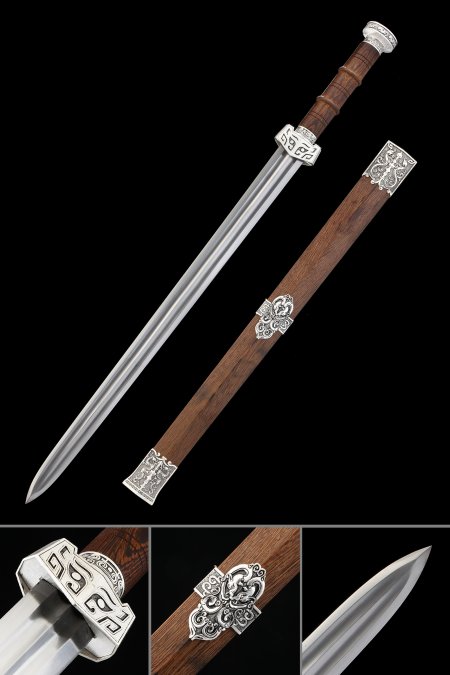
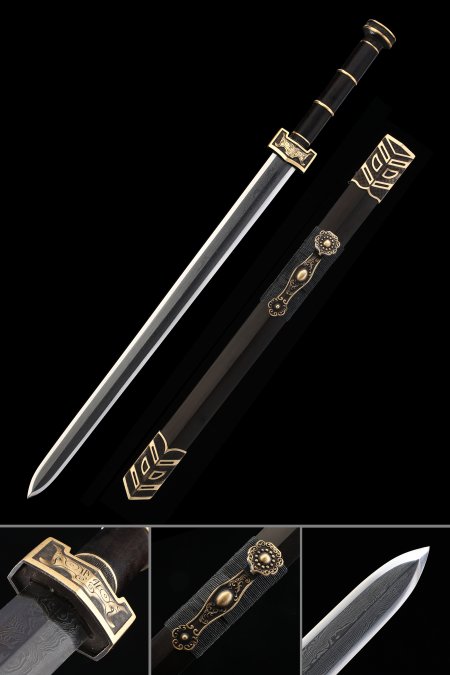
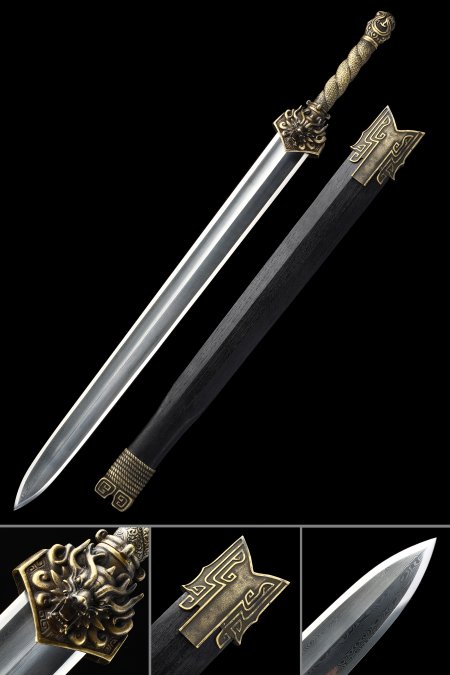
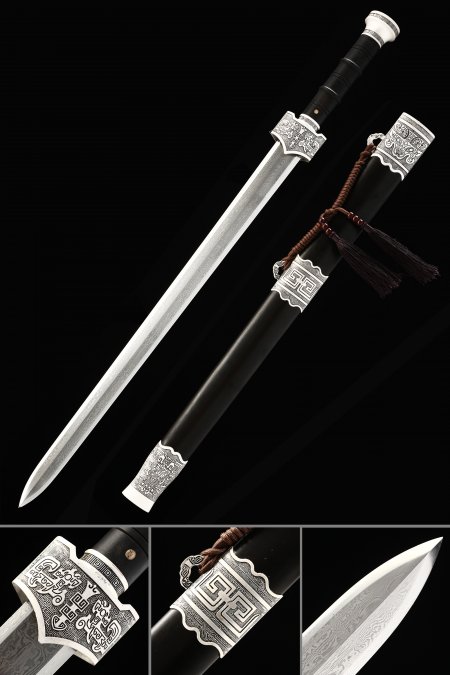
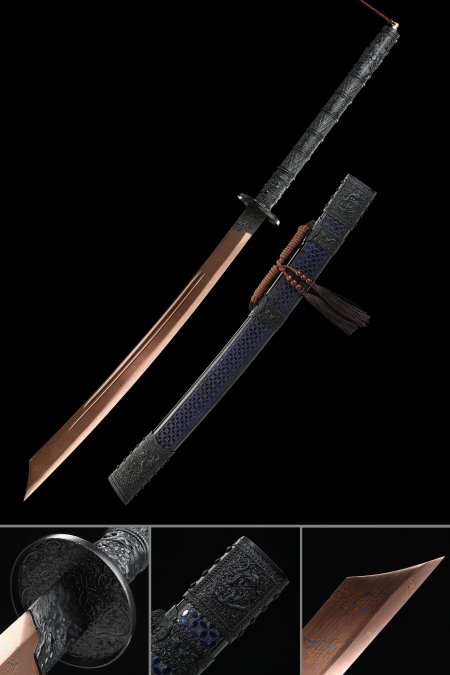
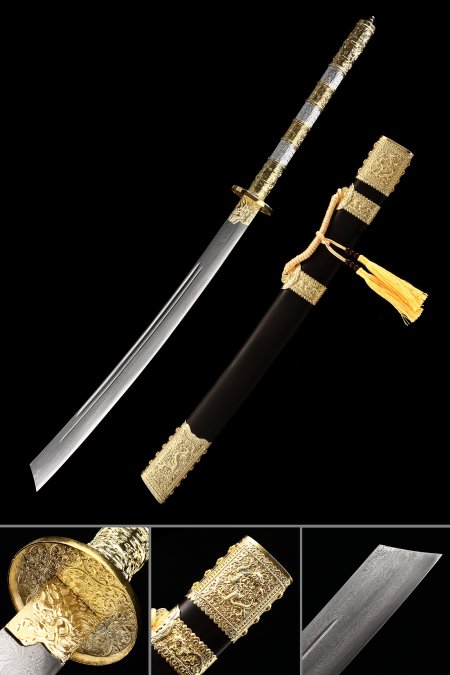
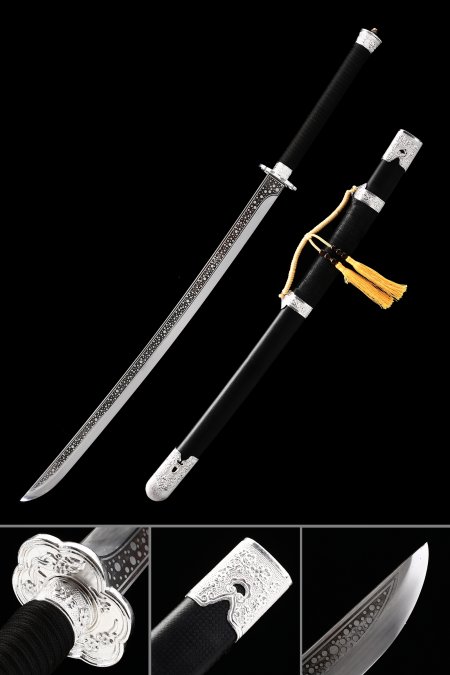
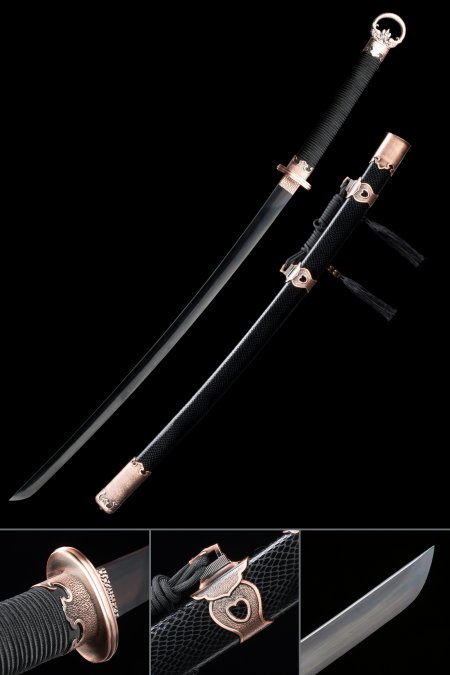
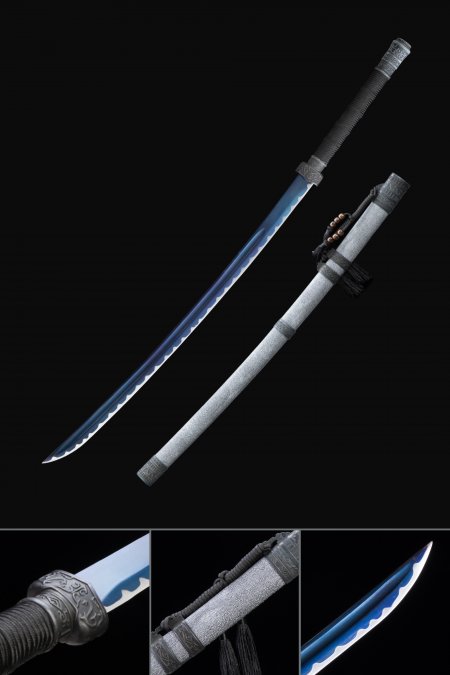
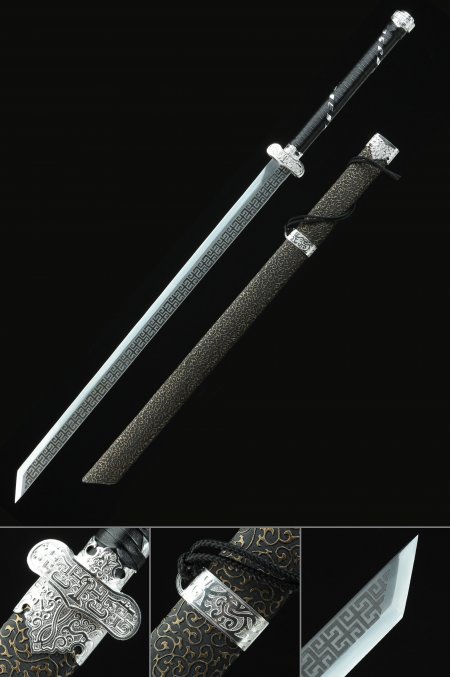
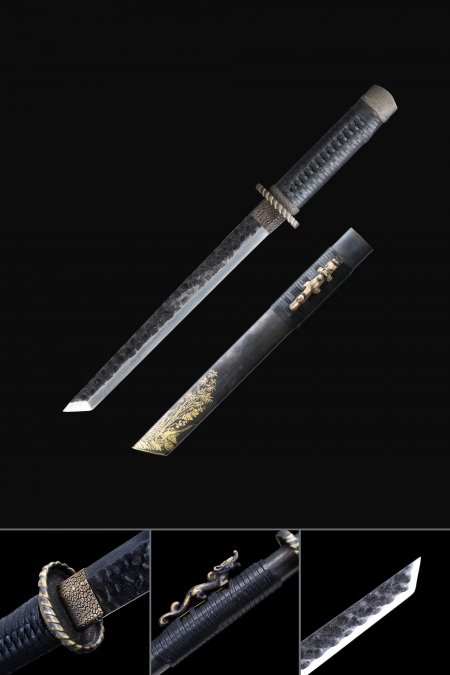
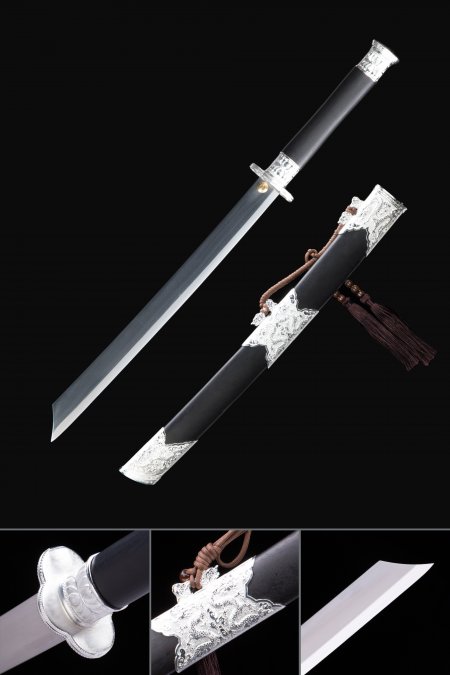
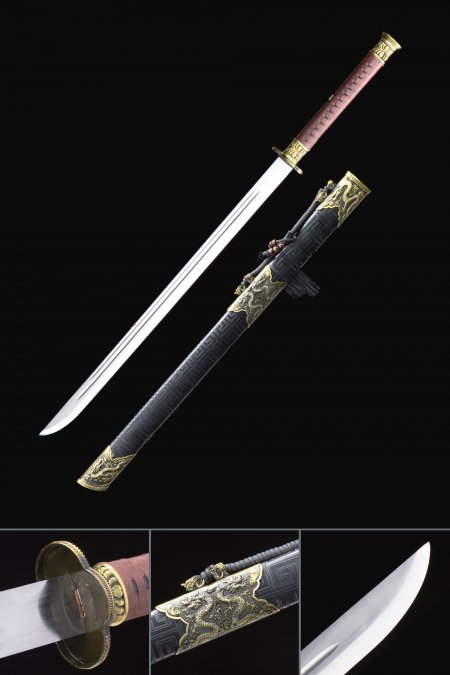
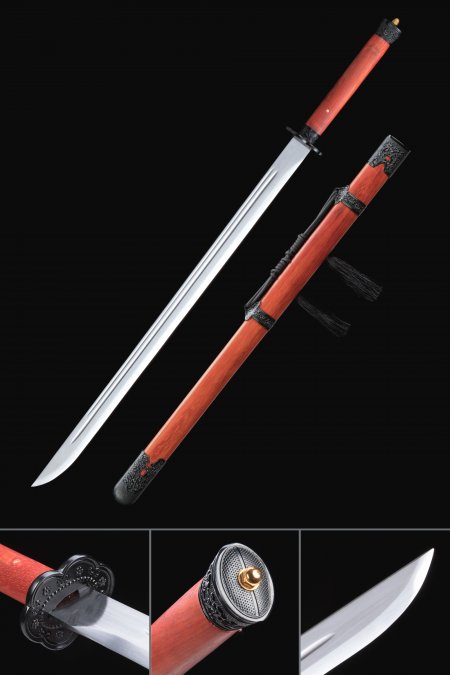
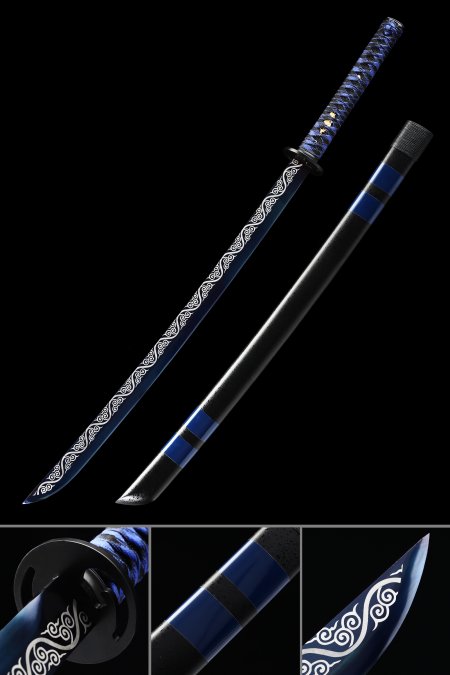
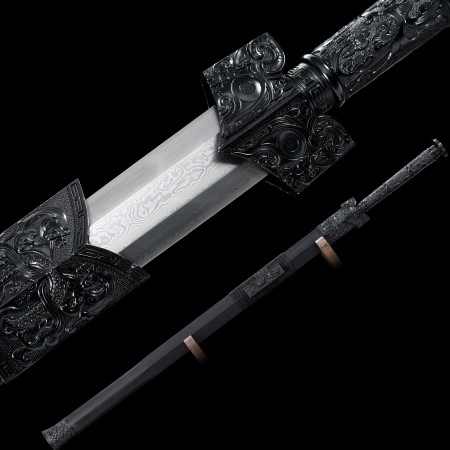
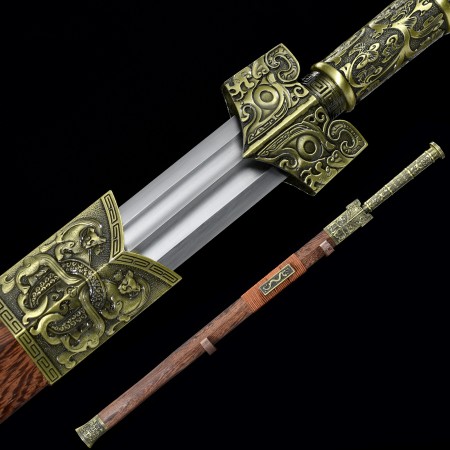
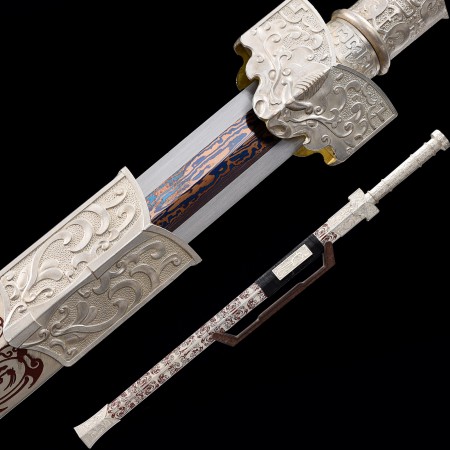
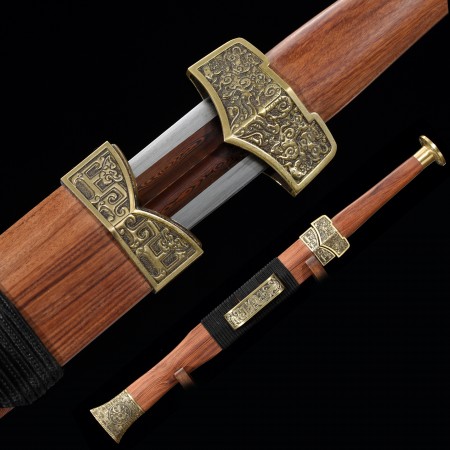
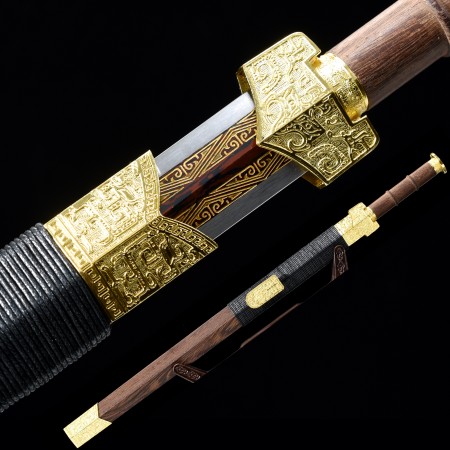
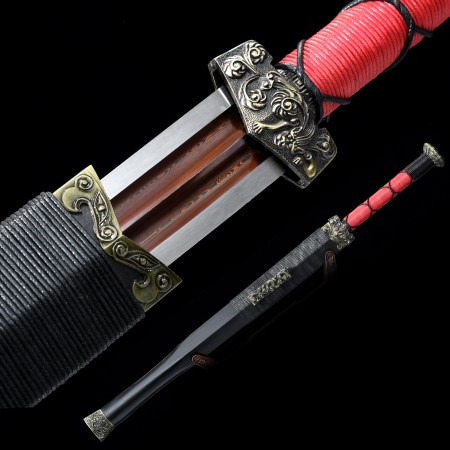
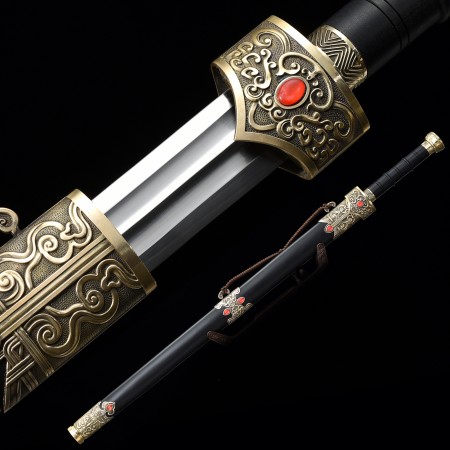
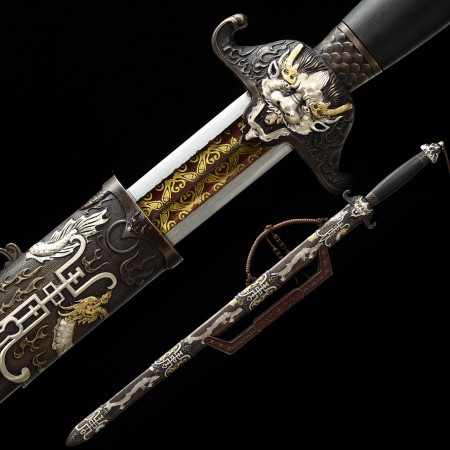
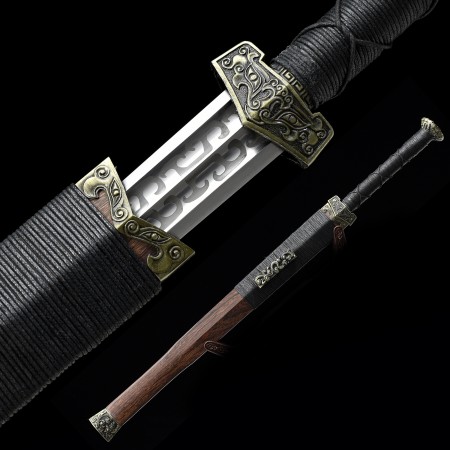
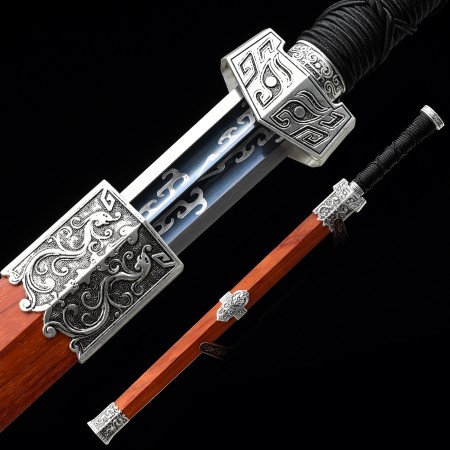
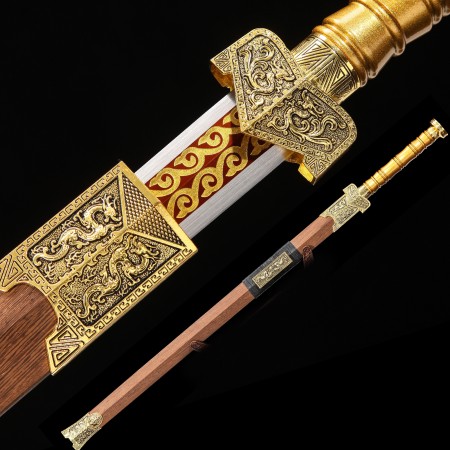
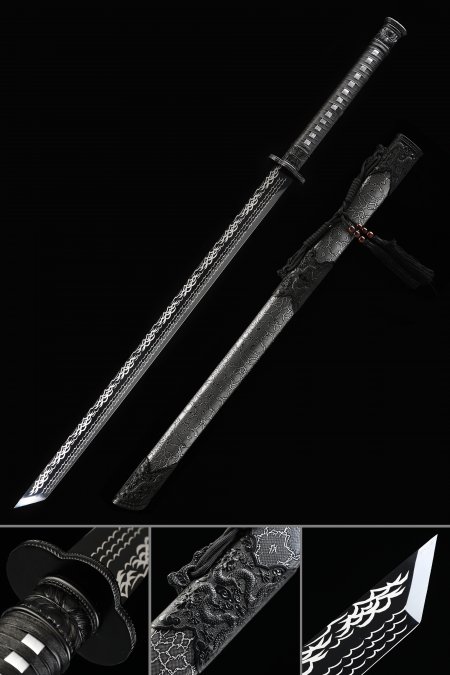
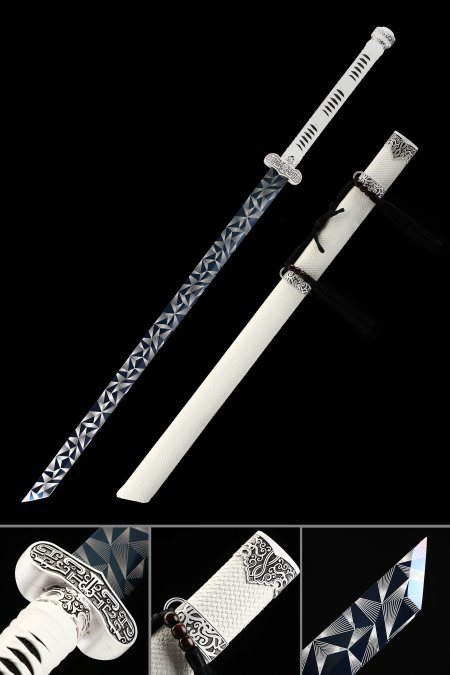
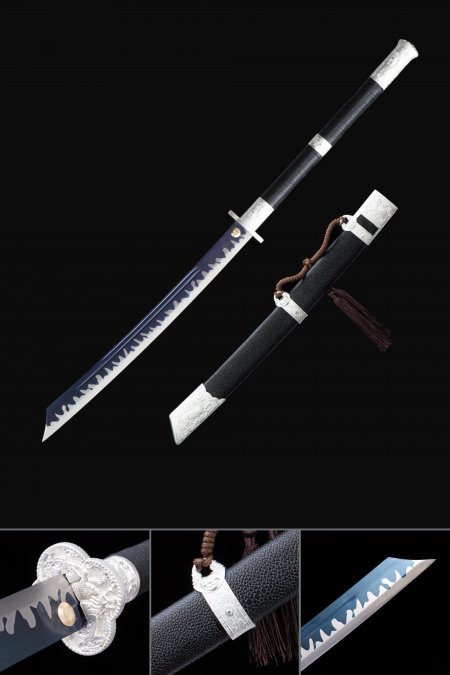
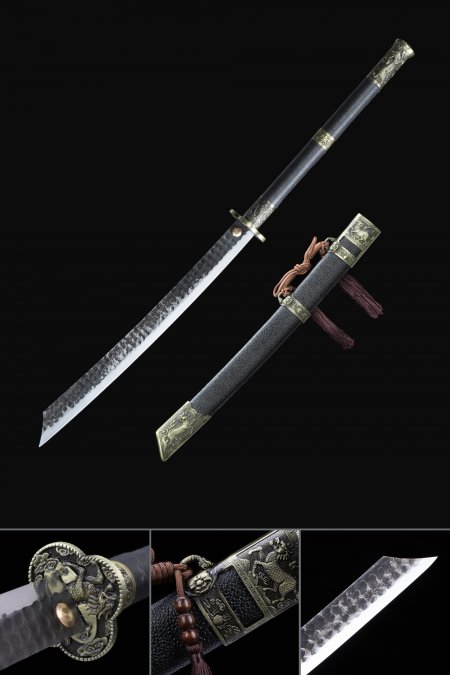
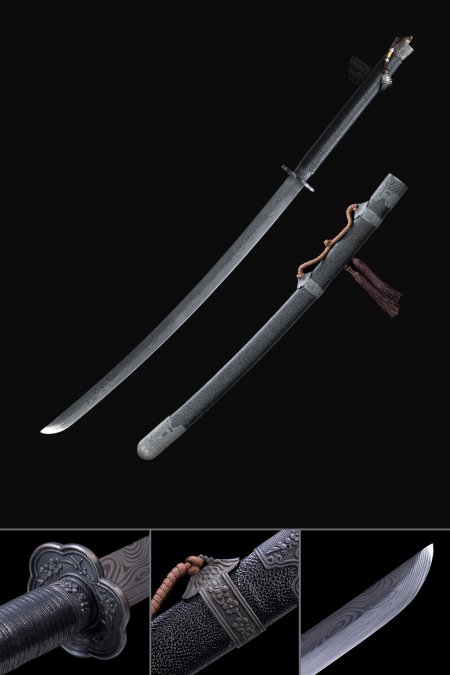
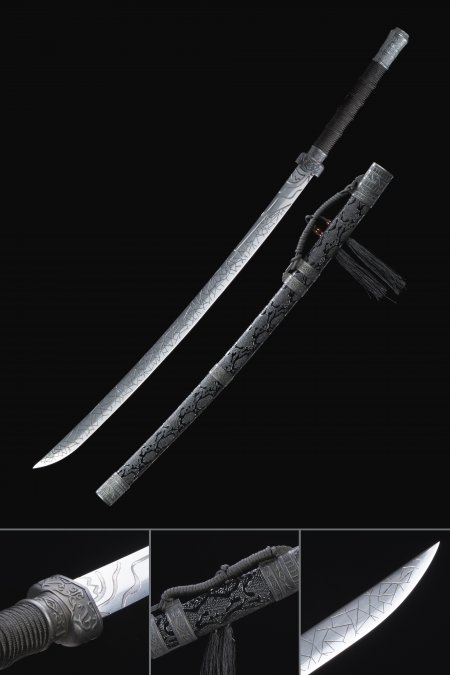
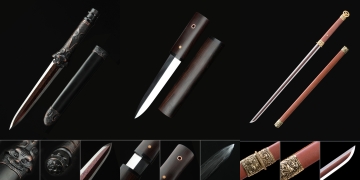
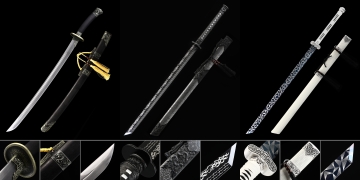
Han dao swords in this collection are handcrafted Chinese single-edged broadswords in the Han Dynasty tradition, forged from Damascus and Melaleuca folded steel with clay-tempered construction and full-tang builds. These are the heavy, practical swords of ancient Chinese martial history - the oxtail dao and related forms that defined Chinese infantry swordsmanship. Free shipping and a 30-day return policy are included.
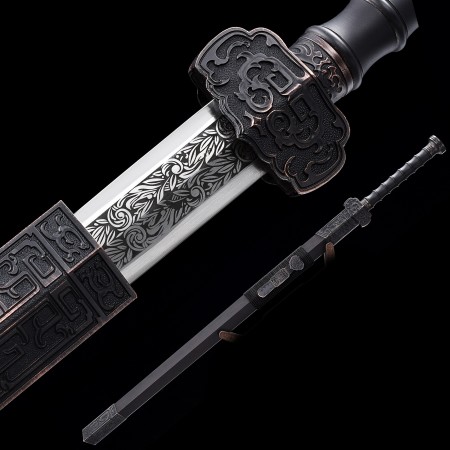
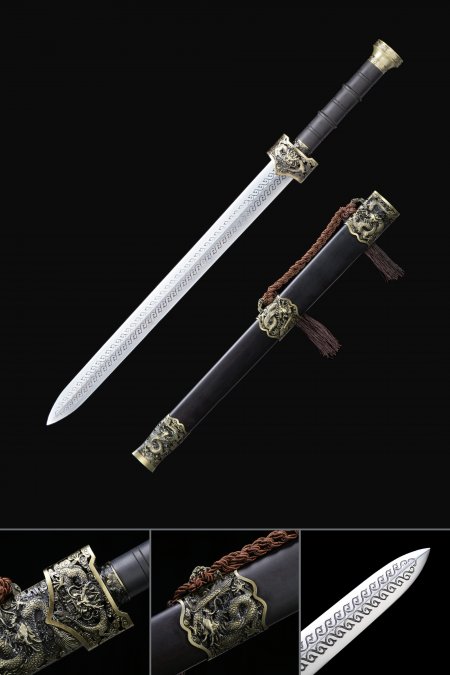
Showing 98 Products

Related Collections

Kwan Dao2 items


7 Reviews

Kung Fu Kwan Dao25 items


20 Reviews

Frequently Asked Questions

What distinguishes a han dao from a jian in Chinese sword tradition?
The han dao and jian represent the two main branches of the classical Chinese sword tradition, and the distinction between them is fundamental. The jian is a double-edged straight sword - symmetrical in cross-section, equally sharp on both sides, and designed for the balanced thrusting and drawing cut technique of the Chinese straight sword tradition. The dao is a single-edged sword - one edge is the cutting edge, the other side is the back, and the blade is typically curved to some degree. This asymmetry in the dao's cross-section allows the blade to be made heavier along the back without affecting the edge geometry, producing a more robust cutting instrument than a double-edged blade of equivalent weight. Historically, the dao was more common in military use because its single-edged construction is more forgiving to produce consistently, more robust in field conditions, and delivers more cutting power for its weight than a double-edged sword. The jian's greater technical demands in production and use made it the sword of trained practitioners rather than the general military. The han dao specifically refers to the single-edged sword forms associated with the Han Dynasty period, which established the dao's historical and cultural significance in Chinese martial culture.
How does Melaleuca folded steel construction affect the dao's performance and appearance?
Melaleuca folded steel, also called qian ceng gang or thousand-layer steel, is made by forge-welding layers of different steel alloys and repeatedly folding and drawing out the billet - the same fundamental production approach used in Japanese tamahagane and in pattern-welded Damascus steel. This process refines the steel's grain structure and creates a layered surface character that becomes visible when the blade is polished or acid-etched. For a han dao, the Melaleuca construction produces several meaningful qualities. The refined grain structure of the folded steel provides a combination of edge capability and toughness that a simple mono-steel blade achieves less naturally - the repeated folding works impurities out of the steel and refines the distribution of carbon throughout the billet. The visual grain character makes each blade individual: the specific pattern of layers visible on the polished surface is determined by the exact working process of that particular billet, and no two Melaleuca-steel blades are identical. Clay tempering applied to Melaleuca steel produces a differential hardness profile similar to Japanese clay-tempered swords, with a harder edge zone and tougher spine.
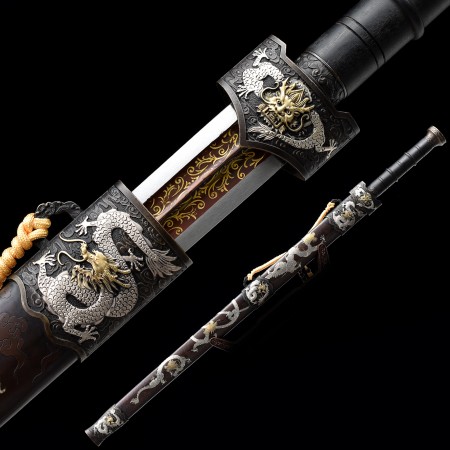
Is a han dao appropriate for a display collection focused on Japanese swords?
A han dao is an excellent addition to a Japanese sword display precisely because of the contrast it creates with the Japanese swords around it. The visual language of the han dao - ring pommel, disc or cross guard, single-edged curved blade with Chinese fittings - is distinctly different from the Japanese katana's tsuba, wrapped handle, and lacquered saya, making the two sword traditions immediately distinguishable in a mixed display. For collectors who are interested in East Asian martial history broadly rather than exclusively Japanese, adding one or two Chinese swords to a Japanese collection creates a comparative context that makes both traditions more interesting - you see the similarities and differences in how two sword cultures solved the same design problems. The display convention is the same for both: horizontal, edge up, handle to one side. A standard Japanese sword stand holds a Chinese dao in the same orientation without any modification. The visual interest of mixing the two traditions is an advantage that a collector with only Japanese swords cannot create.
What is the oxtail dao form and why is it the most recognized Chinese dao style?
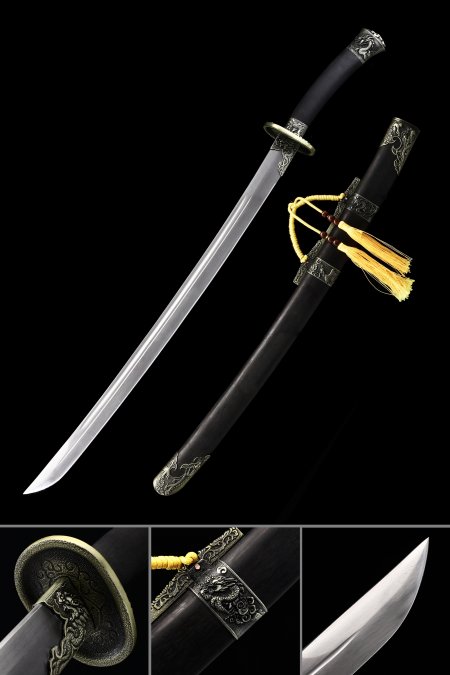
The oxtail dao gets its name from the characteristic shape of its blade tip - the blade widens significantly toward the tip, creating a silhouette that resembles an oxtail in cross-section when viewed from the side. This widening serves a functional purpose: a heavier tip concentrates more mass at the point of the cut, increasing the dao's cutting power in the forward portion of the stroke where most of the work is done. The widened tip is also a visual signature that makes the oxtail dao immediately recognizable among Chinese sword forms - no other major sword type has this specific blade profile. The oxtail dao became prominent in the Qing Dynasty period and was widely used in Chinese martial arts practice, where it became one of the primary broadsword forms taught in traditional Chinese martial systems. Its visual distinctiveness and its association with Chinese martial arts training made it the most commonly depicted dao in Chinese martial arts media and documentation, which is why it is the most recognized Chinese dao form internationally. For collectors, the oxtail dao's distinctive profile creates a strong visual statement in any display context.

Customer Reviews

Christian V Gomez Texas, United States

Shipping was lightning quick! However, the fit and finish aren't perfect, the center ornament on the scabbard is loose, the sword doesn't sheath well, and the ornaments on the hilt look rushed. At a distance, it looks fantastic which is not a bad thing but overall, It was good, not great but good
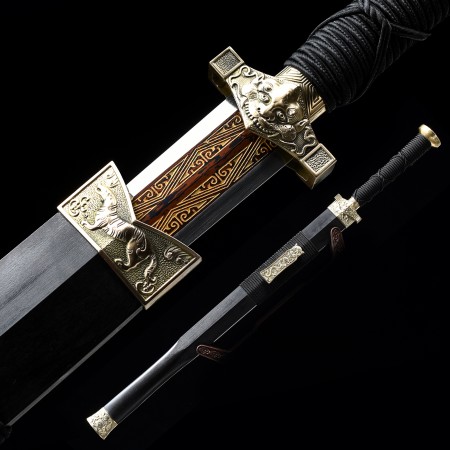
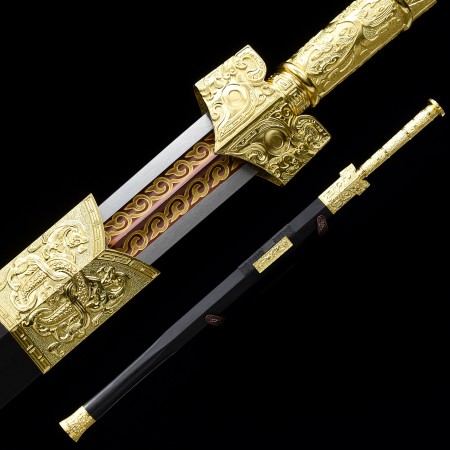
Han Dynasty Jian - Handmade 1095 High Carbon Steel Double Edged Chinese Straight Sword Han Dynasty Jian - Handmade 1095 High Carbon Steel Double Edged Chinese Straight Sword
Malcolm Nicholson North Carolina, United States

Every sword is better than the next. I am consistently impressed with the quality of Truekatana. Their colored blades are absolutely gorgeous, and the steel-grade appears to be exactly what they claim it is.r
Shipping was also very fast and well-packed.r
r
Handmade Chinese Straight Double Edged Sword High Manganese Steel Han Dynasty With Brown Scabbard: r
The "fishscale" engraved Jian is a work of art. Perfectly balanced and handsome redwood, I can see why they tout this model as something of a flagship.r
r
Handmade Chokuto Ninjato And Tanto Sword Set With Blue Blade:r
The blades are the selling point here. They are a lovely deep-blue with a slight reddish purple gradient in the light, with a striking pattern down the spine. The pattern is adhered very well to the surface. The grips and fittings are a bit on the cheap-side but they are designed for "minimalist, tactical use" so they may just what some people are looking for. The blades are still full tang, as evidenced by the great balance point.r
r
Handmade Japanese Katana Sword With Golden Blade And Brown Scabbard:r
This is a hidden gem. I feel like it resembles a "Dao" in many ways, but the blade does appear to have a traditional katana-style taper. The use of leather and the bronze-like highlights on the scabbard are stunning. The golden blade is a subtle hue, not overpowering, giving it a very classy appearance.r
r
All of these swords feel rock-solid in your hand. Highly recommended all around

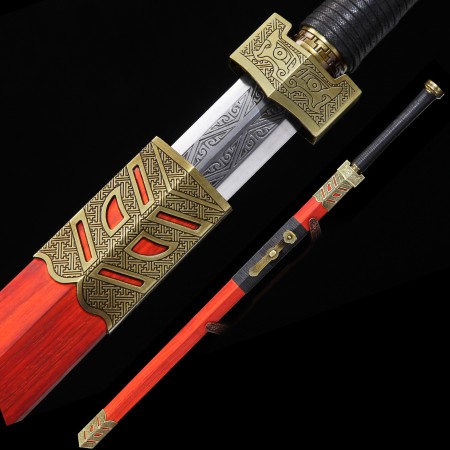
Han Dynasty Jian Sword - 1045 Carbon Steel with Wenge and Rosewood Scabbard in Bronze Alloy Fittings Han Dynasty Jian Sword - 1045 Carbon Steel with Wenge and Rosewood Scabbard in Bronze Alloy Fittings