What makes melaleuca steel visually distinct from other folded steels?
Updated Mar 2026
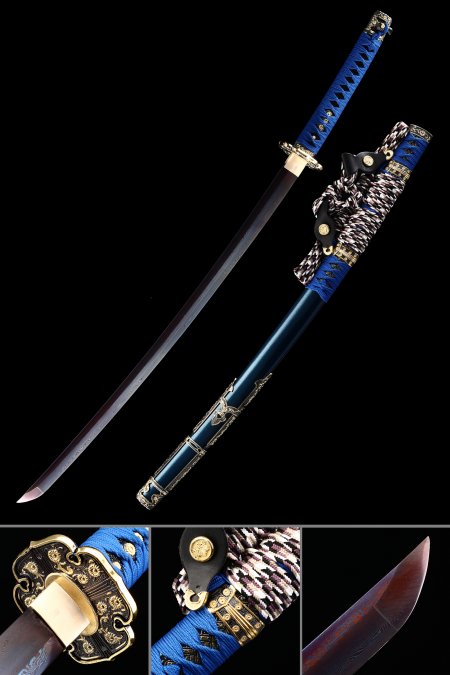
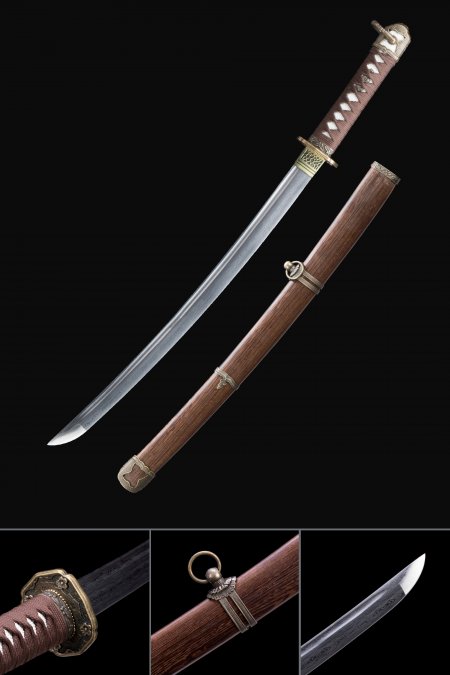
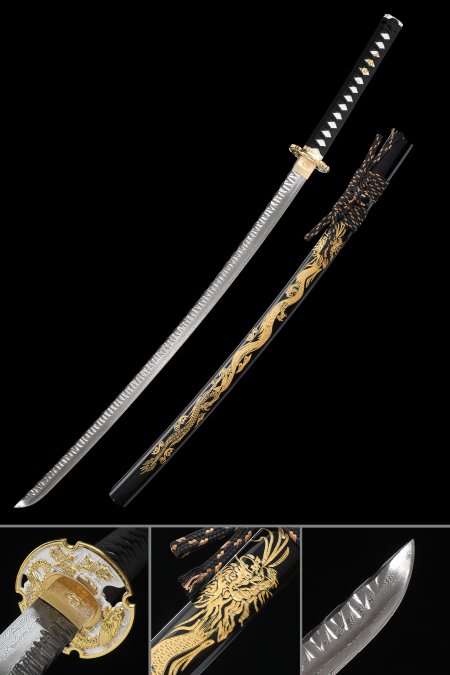
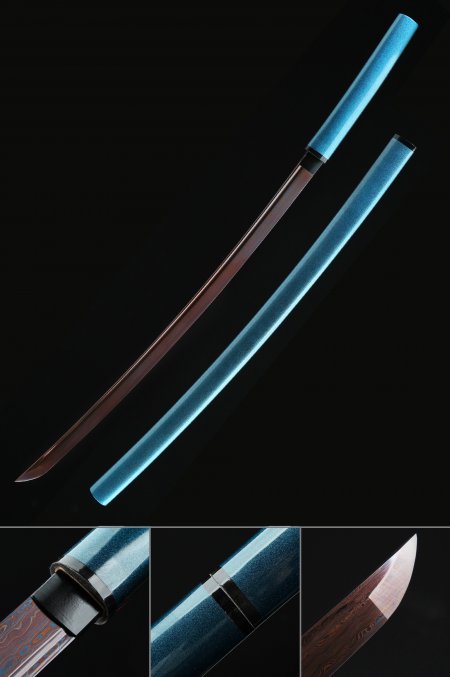
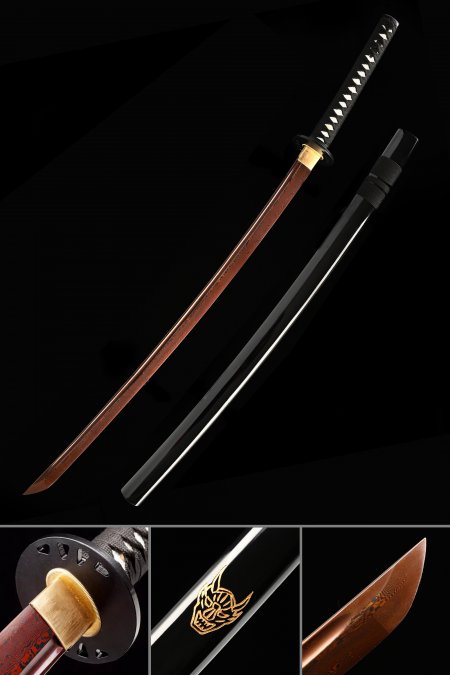
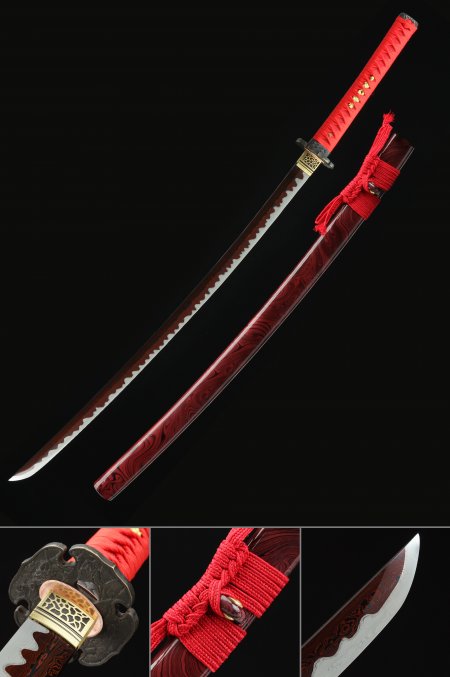
Melaleuca steel gets its name from the layered, grain-like patterns that emerge during the folding process — patterns that visually resemble the bark texture of the melaleuca tree. Unlike Damascus steel, which typically displays sharper, more geometric flow lines, melaleuca folding tends to produce softer, wave-like bands that shift in tone depending on the viewing angle and light source. Each blade's surface pattern is unique and unrepeatable, which is a primary reason collectors seek it out. The pattern is revealed through acid etching after forging and grinding, bringing the steel's internal layer structure to the surface as a permanent decorative feature.