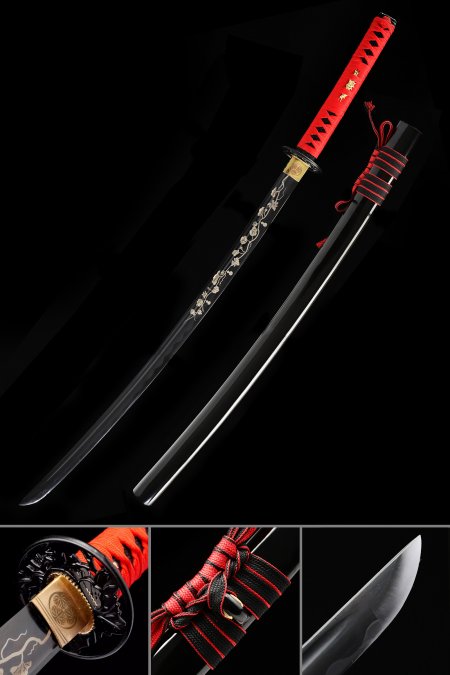
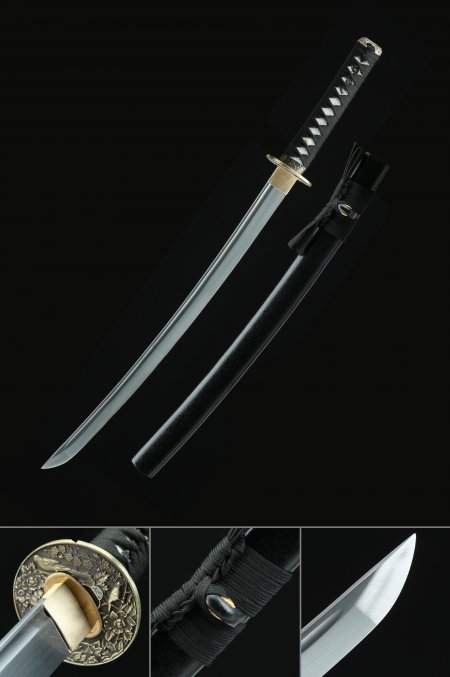
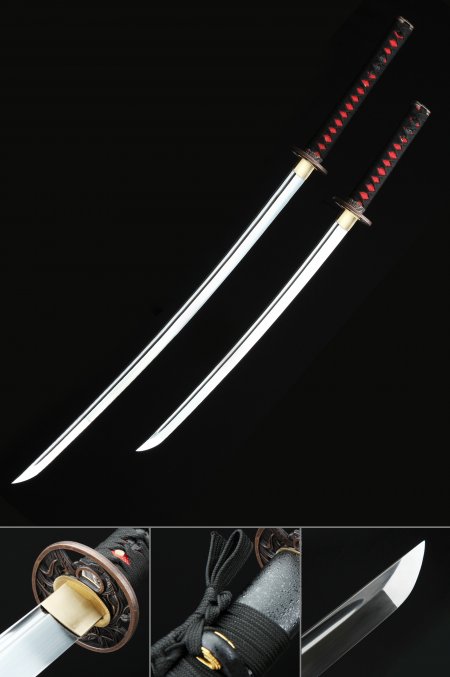
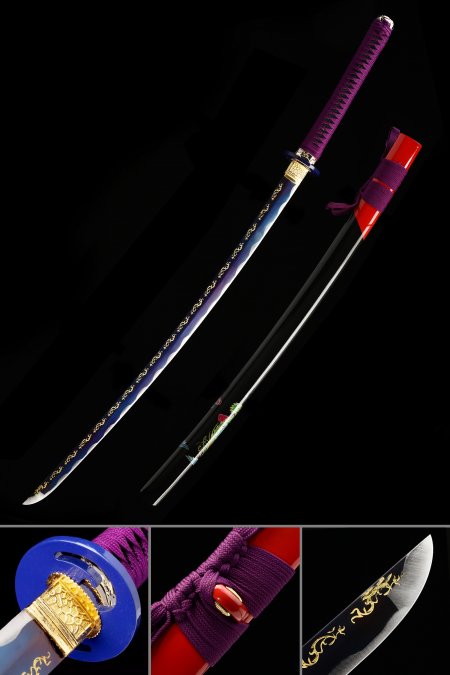
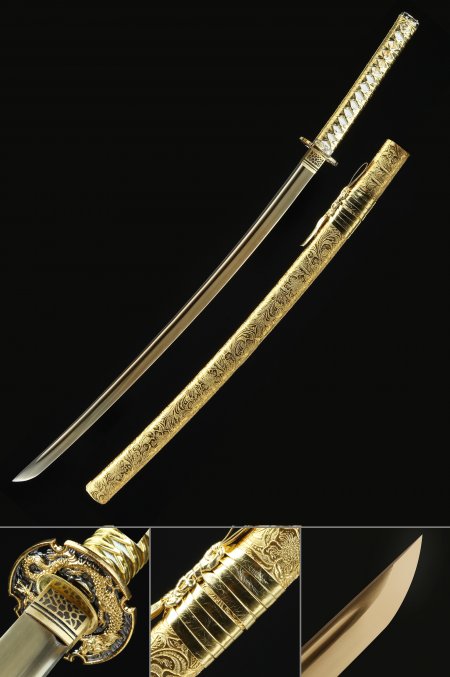
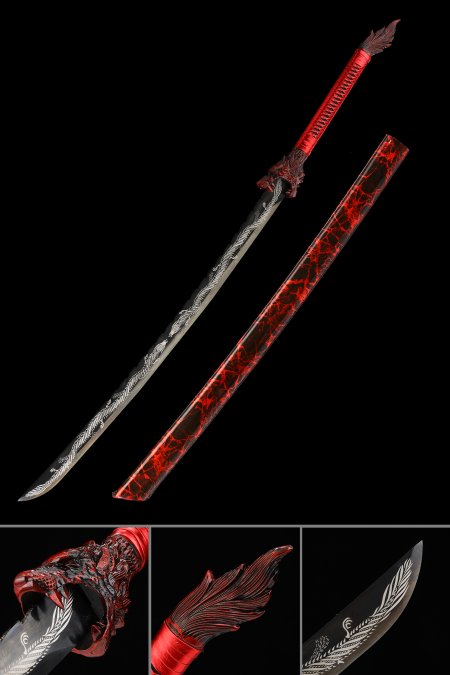
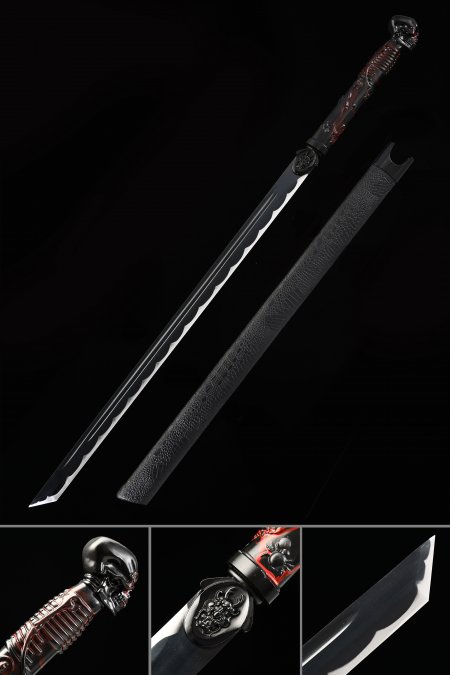
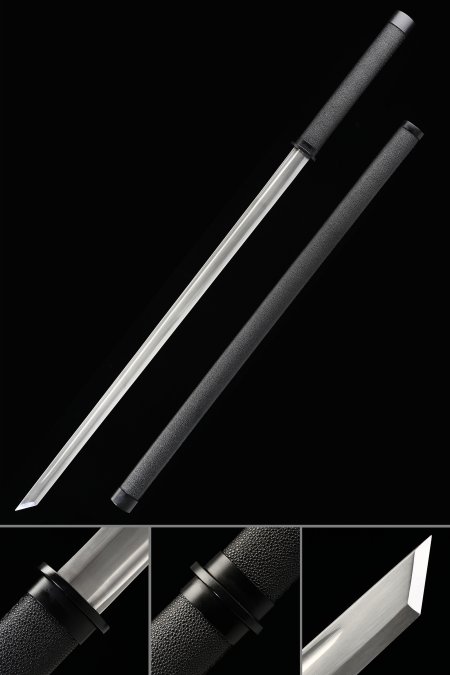
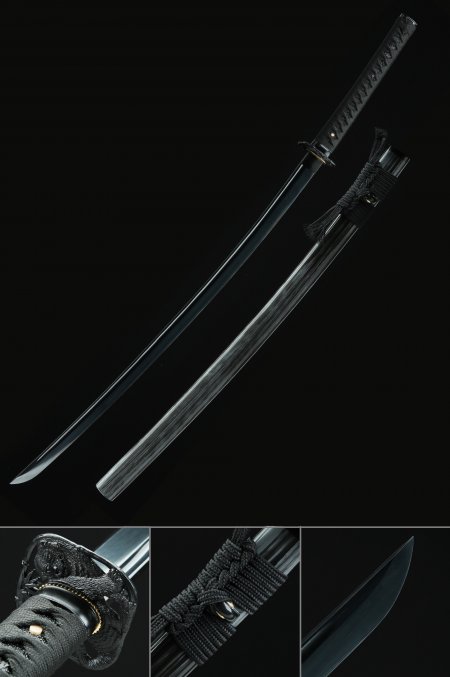
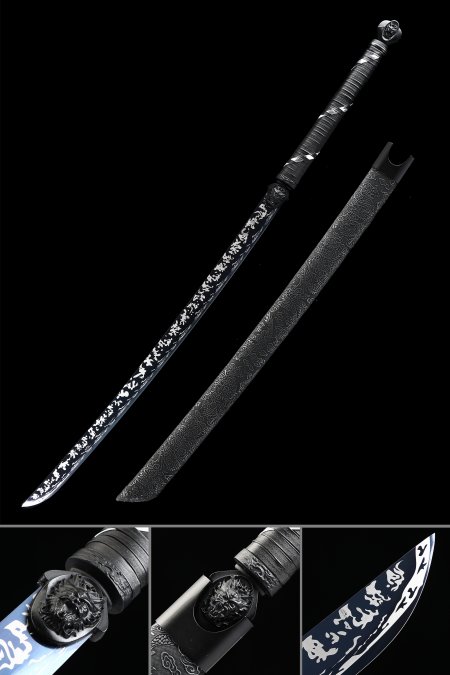
How does clay tempering affect the blade in these katanas?

 Updated Mar 2026

Clay tempering, or tsuchioki, is a traditional heat treatment method in which a clay mixture is applied unevenly along the blade before the final quench. The coated spine cools slowly, remaining relatively soft and resilient, while the exposed edge cools rapidly, developing a harder crystalline structure called martensite. The boundary between these two zones produces the hamon - the visible temper line that runs along the blade's length. In manganese steel blades especially, this process yields a hamon with a distinctive, natural appearance that cannot be replicated by simple acid etching. It is one of the most reliable indicators of authentic traditional construction in a collectible katana.
Popular Products

20% OFFsekiro sword
219.00 USD
269.00 USD
20% OFFjapanese sword
129.00 USD
159.00 USD
20% OFFkatana sword
159.00 USD
199.00 USD
15% OFFwakizashi sword
139.00 USD
169.00 USD
20% OFFkatana set
249.00 USD
309.00 USD
15% OFFsamurai sword
179.00 USD
209.00 USD
15% OFFgolden katana
169.00 USD
199.00 USD
20% OFFred katana
179.00 USD
219.00 USD
15% OFFninja sword
159.00 USD
189.00 USD
15% OFFninja sword
149.00 USD
179.00 USD
15% OFFblack blade katana
179.00 USD
209.00 USD
15% OFFmodern katana
179.00 USD
209.00 USD
20% OFFsekiro sword
219.00 USD
269.00 USD
20% OFFjapanese sword
129.00 USD
159.00 USD
20% OFFkatana sword
159.00 USD
199.00 USD
15% OFFwakizashi sword
139.00 USD
169.00 USD
20% OFFkatana set
249.00 USD
309.00 USD
15% OFFsamurai sword
179.00 USD
209.00 USD
15% OFFgolden katana
169.00 USD
199.00 USD
20% OFFred katana
179.00 USD
219.00 USD
15% OFFninja sword
159.00 USD
189.00 USD
15% OFFninja sword
149.00 USD
179.00 USD
15% OFFblack blade katana
179.00 USD
209.00 USD
15% OFFmodern katana
179.00 USD
209.00 USD

Explore Our Collections