What visual and practical differences should collectors expect between straight ninjato and curved k
Updated Feb 2026
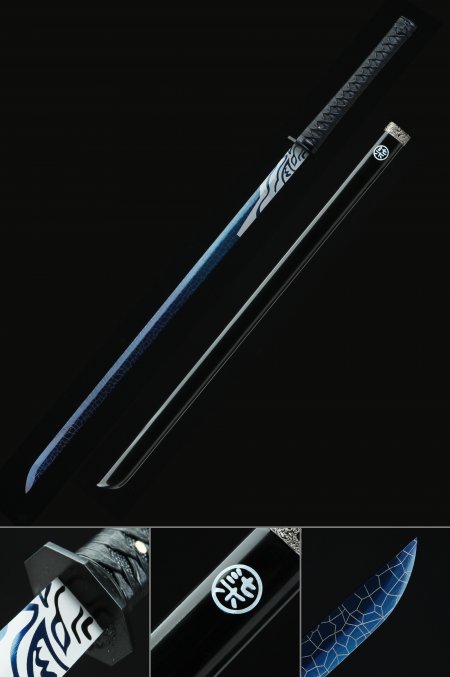
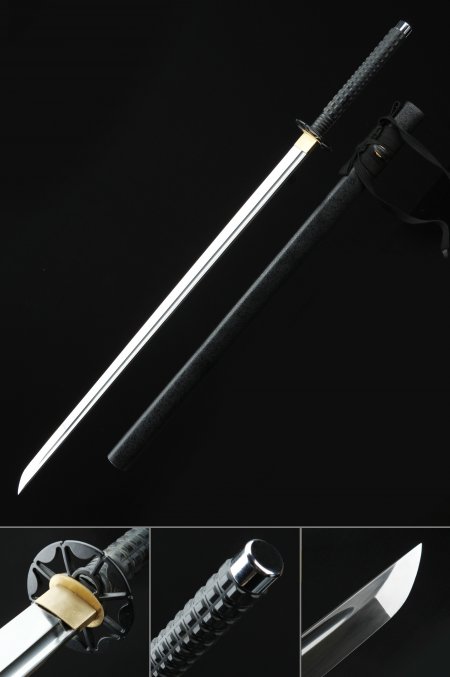
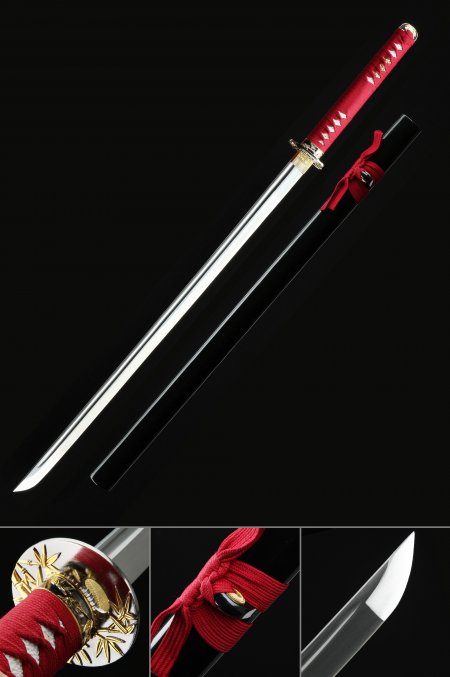
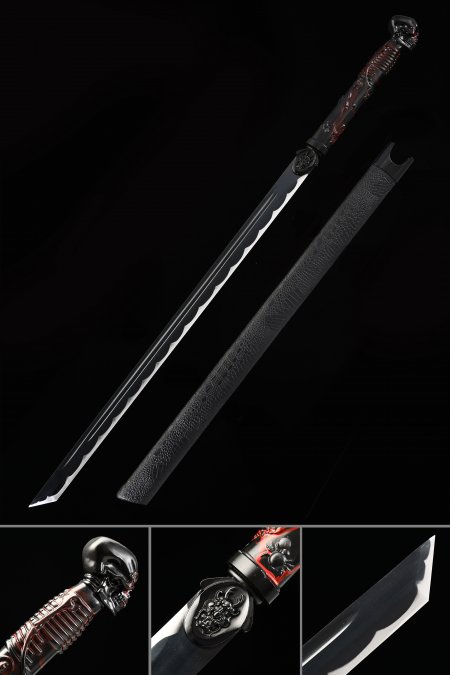
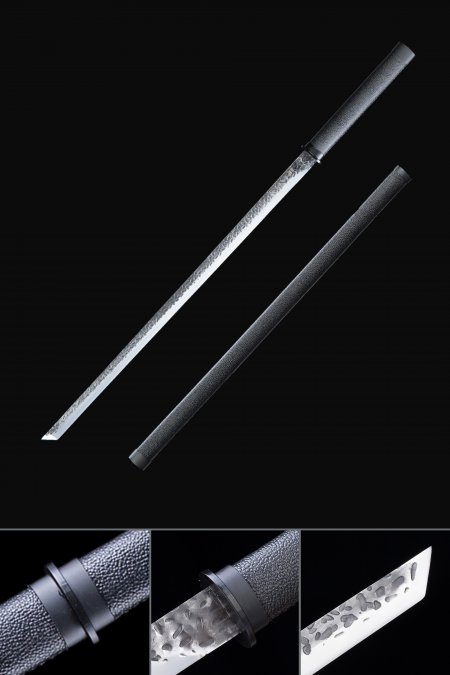
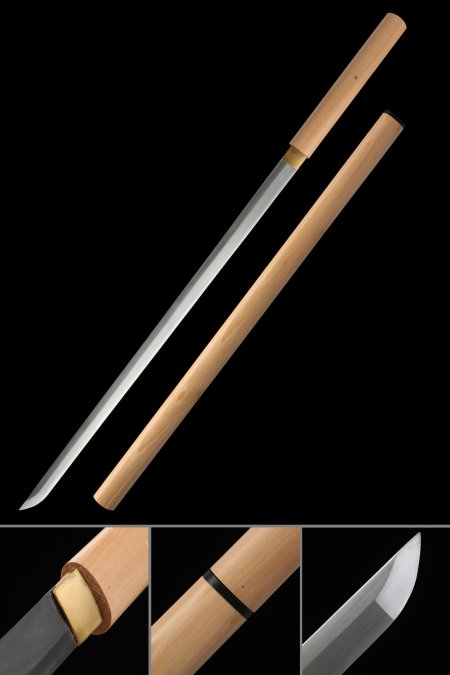
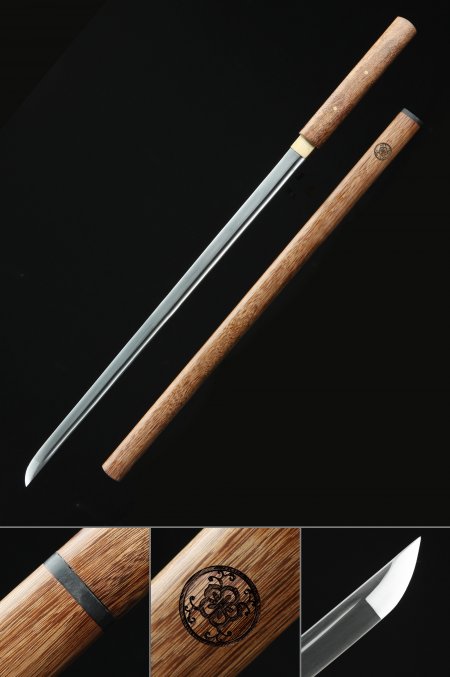
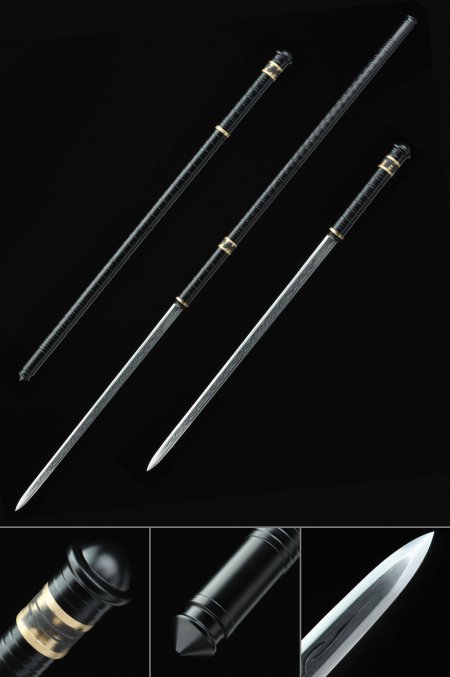
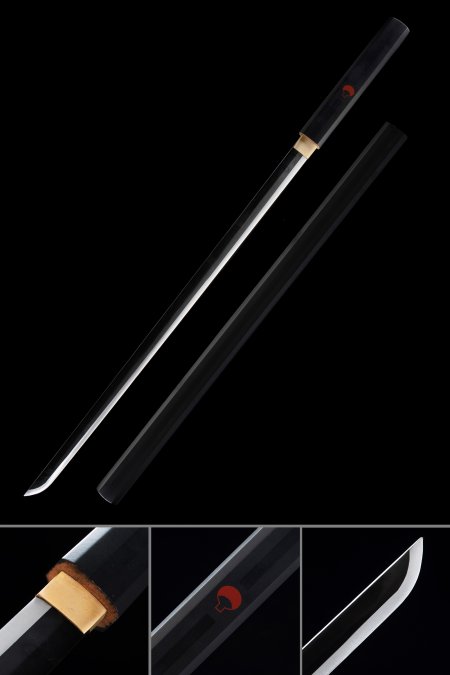
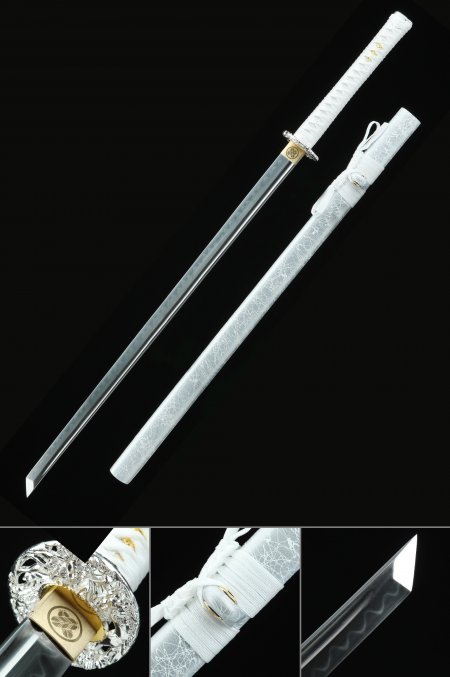
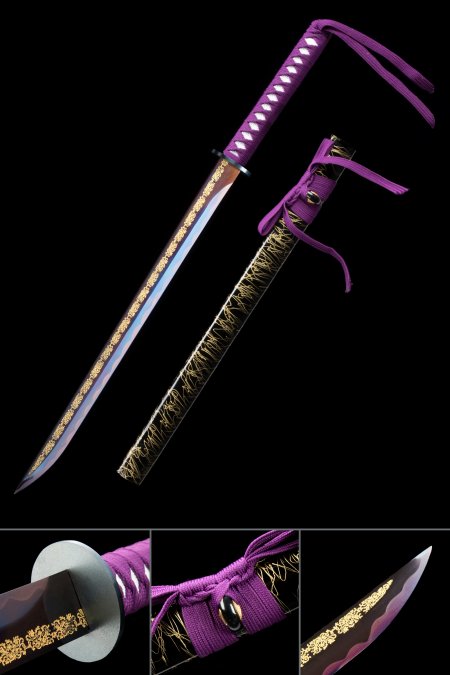
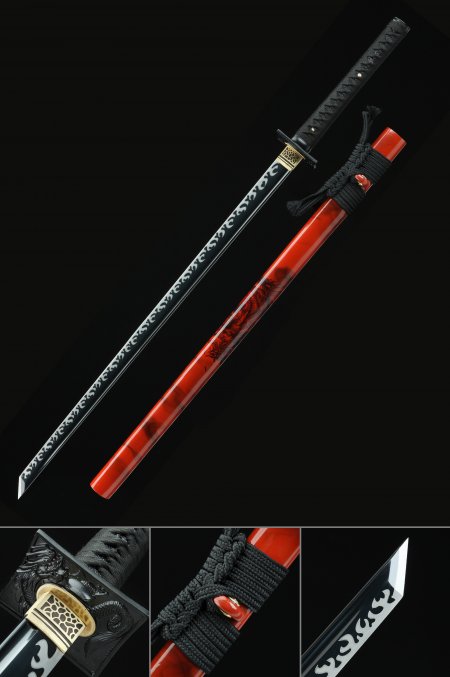
The visual differences are immediately apparent and create distinctly different display characters. A curved katana on a horizontal stand produces a graceful arc that draws the eye along a flowing path from handle to tip — the visual language is organic, natural, and dynamic, similar to a river’s curve or a branch’s bend. A straight ninjato on the same stand creates a precise horizontal line that reads as architectural, deliberate, and static — more akin to a steel beam or a geometric design element. This difference extends to wall mounting: curved katana create visual movement across the wall surface, while straight ninjato create bold graphic lines that interact with the wall’s own geometry. Practically, straight blades are easier to display because they rest evenly on horizontal supports without the slight droop that curved blades produce, and they fit more predictably into display cases because their dimensions are uniform along the blade length. The most sophisticated displays leverage both profiles for contrast — placing straight and curved blades in proximity creates a visual conversation about geometry, tradition, and design philosophy that enriches the entire collection.