What specific authentication criteria distinguish genuine Japanese tanto from mass-produced alternat
Updated Feb 2026
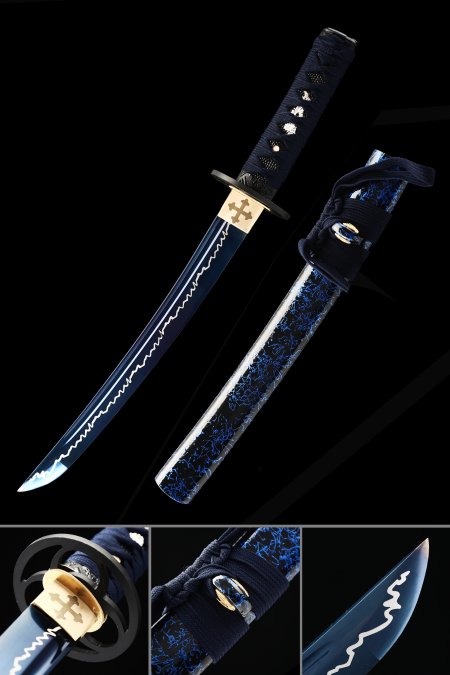
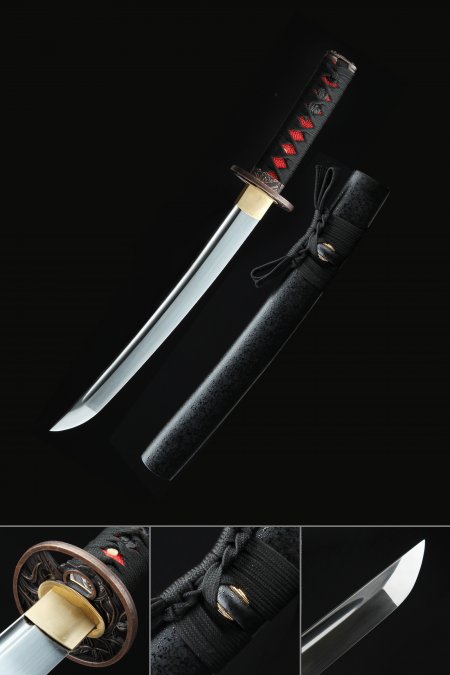
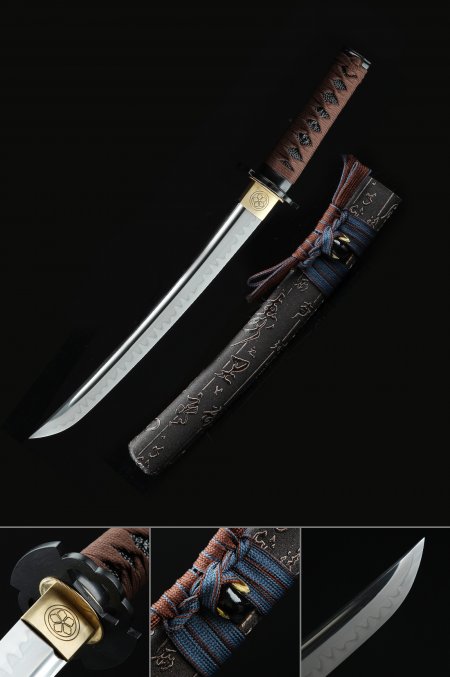
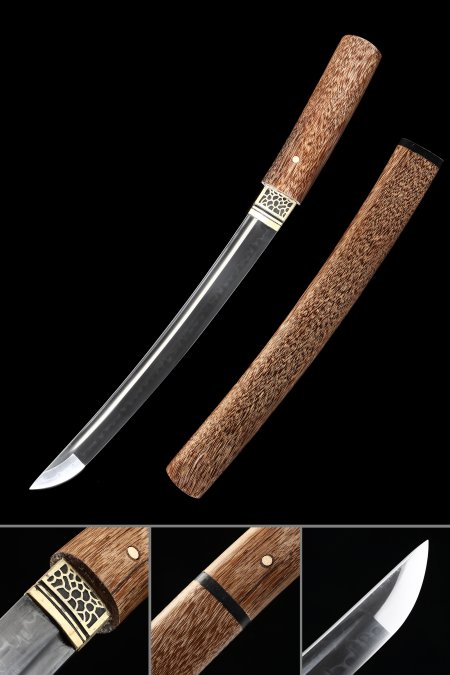
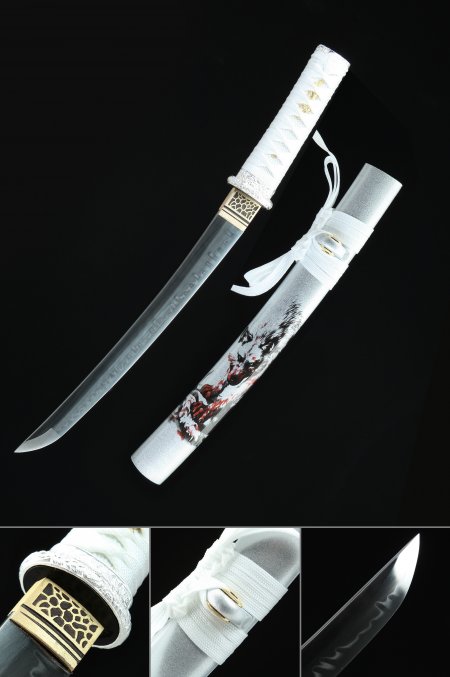
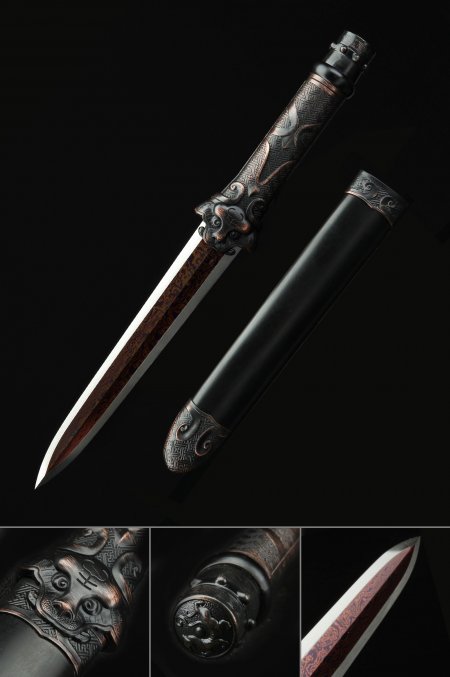
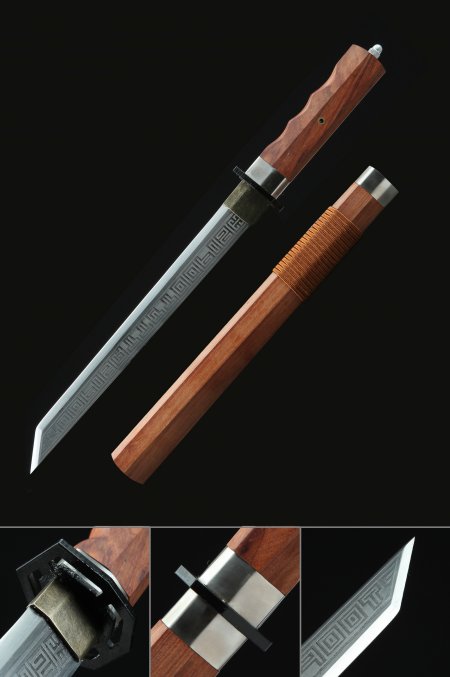
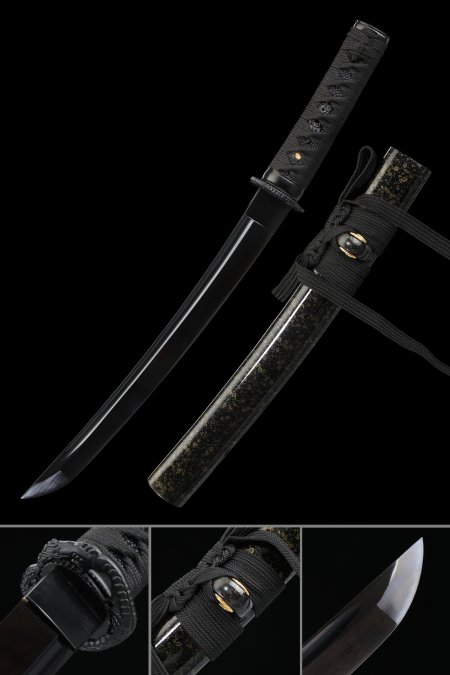
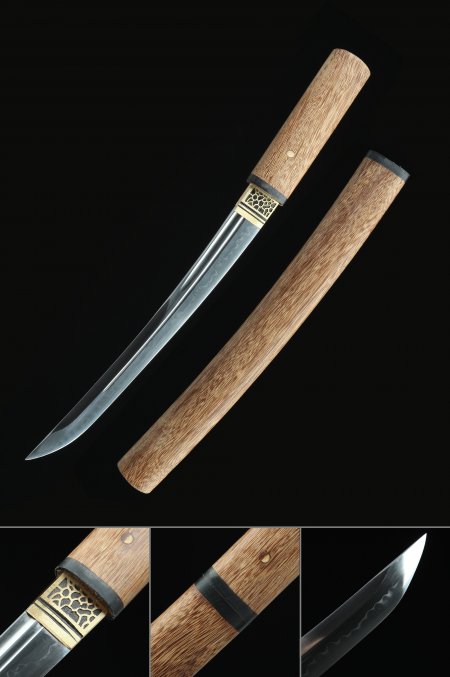
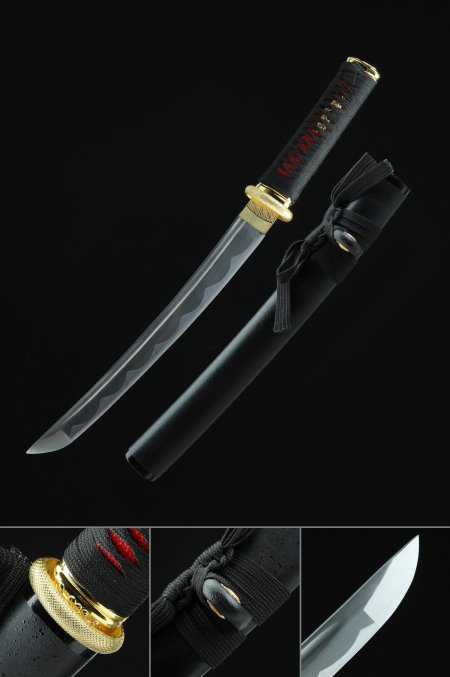
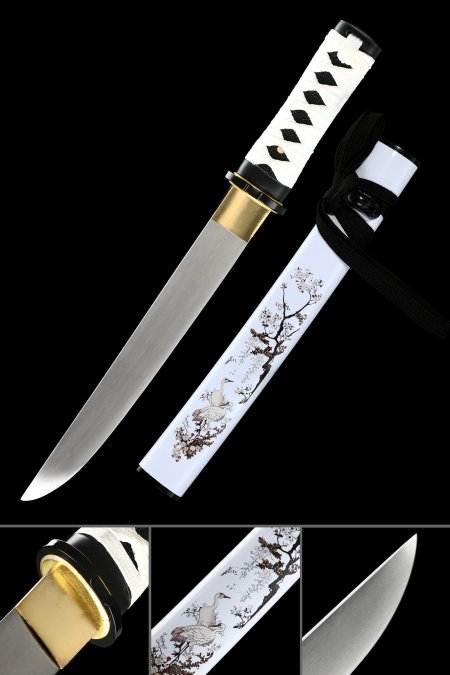
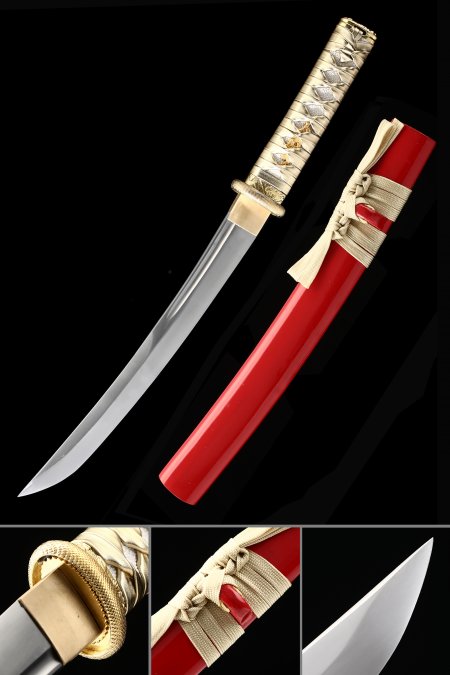
Genuine Japanese tanto are authenticated across multiple dimensions that mass production cannot replicate. First, the blade must be individually forge-shaped, meaning a smith heated the steel and hammered it into form rather than cutting it from sheet stock. This leaves subtle geometric irregularities and surface character that machine production cannot reproduce. Second, the tang must extend fully through the handle, secured with a mekugi pin through a drilled hole — a construction method that provides structural integrity and allows disassembly for maintenance. Third, the handle wrapping must use traditional materials: genuine ray skin underneath with silk or cotton cord wrapped in established patterns like tsumami-maki or katate-maki. Finally, the fittings — tsuba guard, habaki collar, fuchi and kashira end caps — should be individually cast or forged rather than stamped, with visible hand-finishing marks that confirm artisan production.