How is a hamon temper line created on a tanto blade?

 Updated Feb 2026

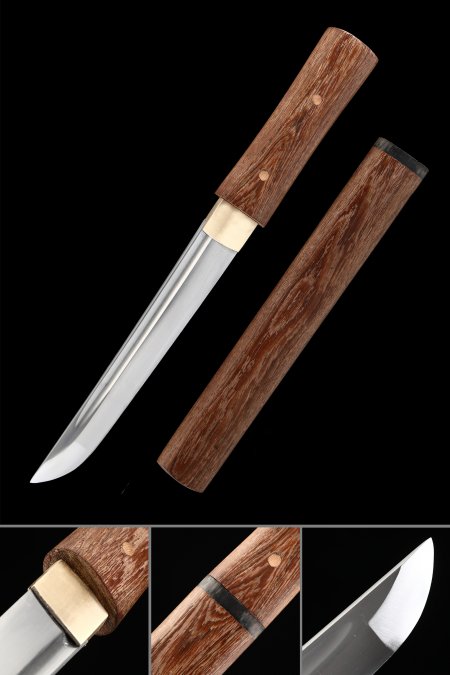
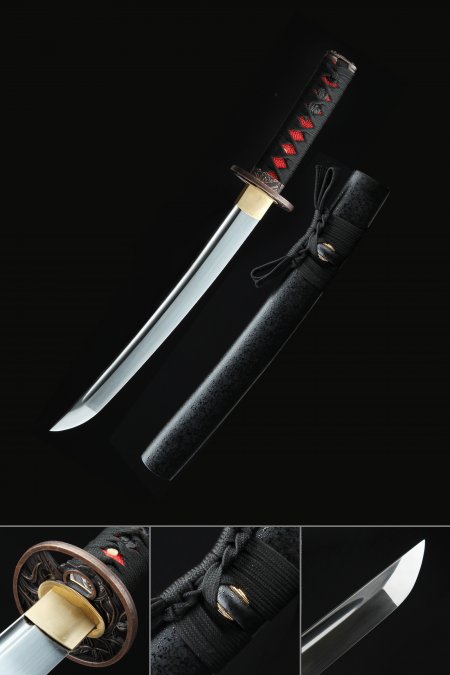
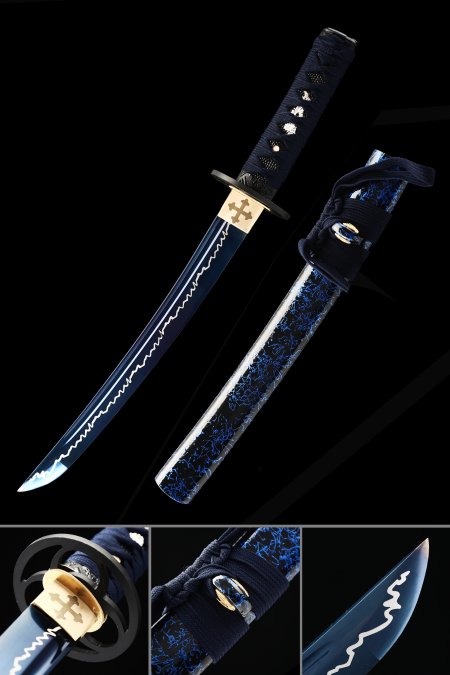
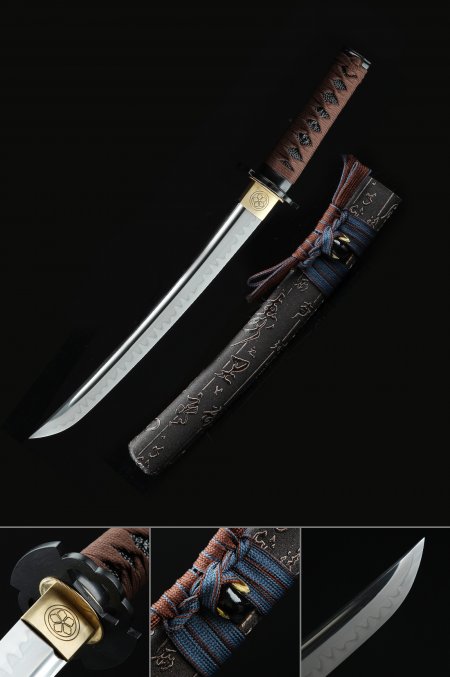
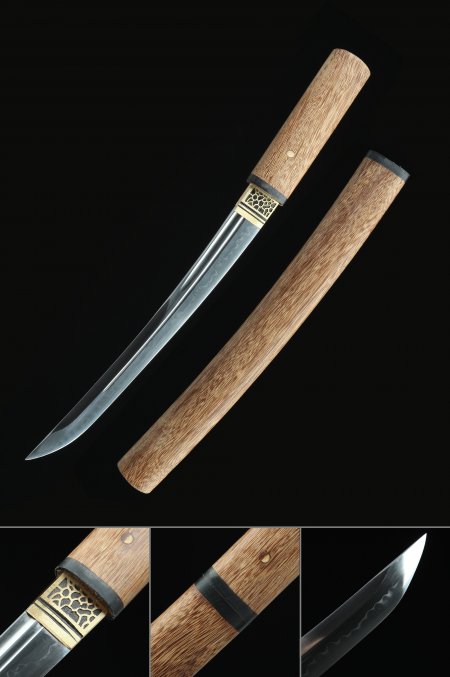
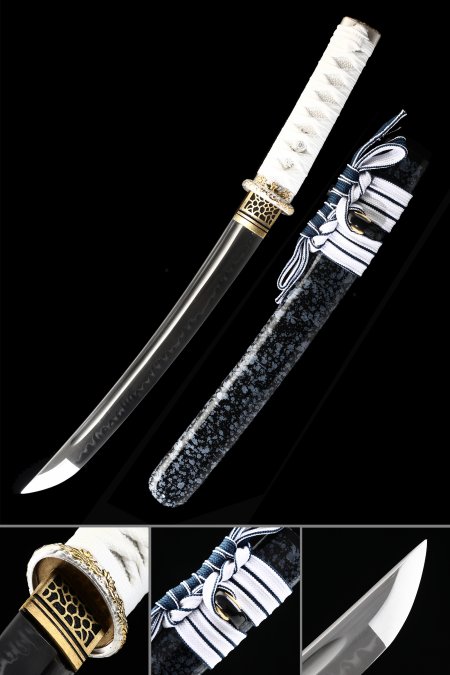
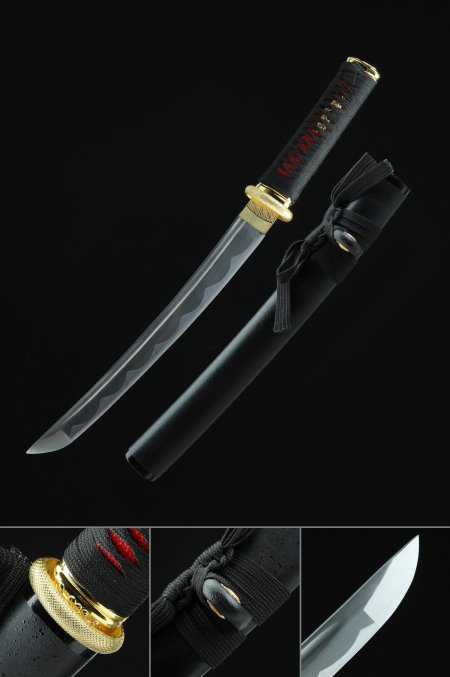
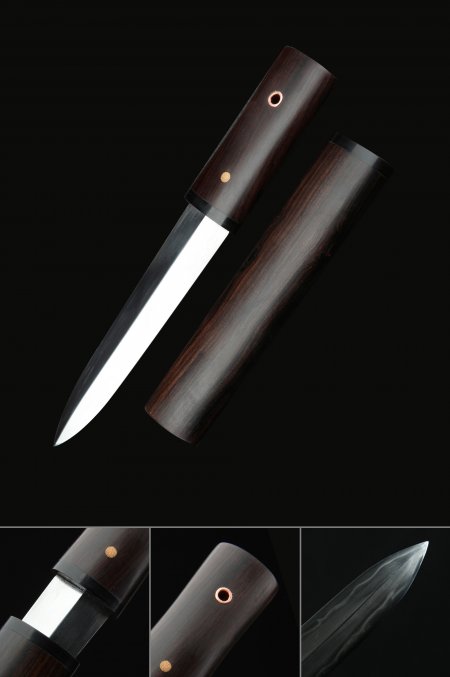
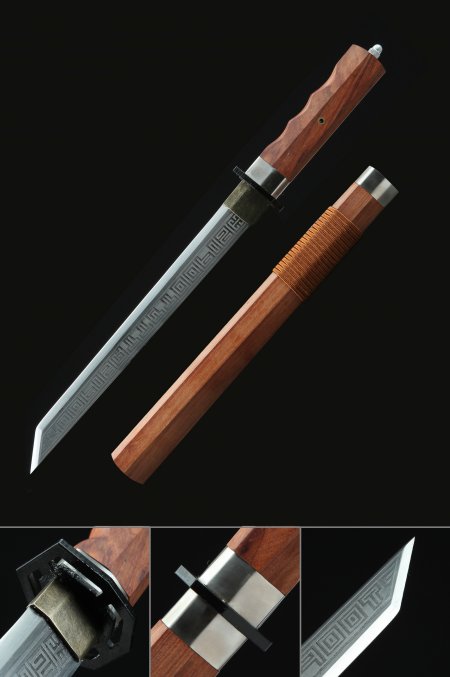
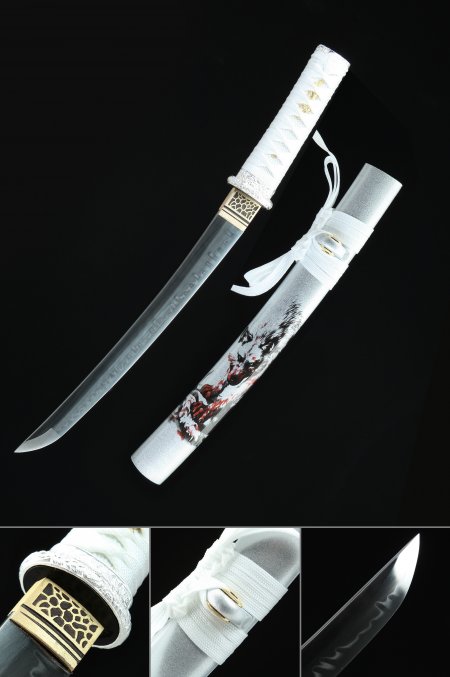
A hamon is produced through a traditional process called differential clay tempering. Before heat treatment, the smith applies a layer of clay to the blade — thinner along the cutting edge and thicker along the spine. When the blade is heated and quenched in water, the thinly coated edge cools rapidly and becomes extremely hard, while the thicker clay insulates the spine, allowing it to cool more slowly and remain relatively tough and flexible. The boundary between these two zones of hardness is the hamon, visible as a wavy or patterned line along the blade. The specific shape of the hamon — whether it appears as gentle waves (notare), clove-shaped peaks (choji), or straight lines (suguha) — reflects the smith's technique and style. A genuine hamon is a hallmark of traditional forging and one of the most valued visual features on a collectible tanto.
Popular Products

15% OFFtanto
149.00 USD
179.00 USD
15% OFFtanto sword
149.00 USD
179.00 USD
20% OFFaikuchi tanto
139.00 USD
169.00 USD
15% OFFtanto sword
109.00 USD
129.00 USD
15% OFFtanto sword
139.00 USD
169.00 USD
15% OFFtanto sword
179.00 USD
209.00 USD
15% OFFshirasaya tanto
149.00 USD
179.00 USD
20% OFFshort katana
139.00 USD
179.00 USD
15% OFFtanto sword
89.00 USD
109.00 USD
15% OFFdouble edge tanto
159.00 USD
189.00 USD
15% OFFdouble edge tanto
189.00 USD
219.00 USD
15% OFFhamidashi tanto
149.00 USD
179.00 USD
15% OFFtanto
149.00 USD
179.00 USD
15% OFFtanto sword
149.00 USD
179.00 USD
20% OFFaikuchi tanto
139.00 USD
169.00 USD
15% OFFtanto sword
109.00 USD
129.00 USD
15% OFFtanto sword
139.00 USD
169.00 USD
15% OFFtanto sword
179.00 USD
209.00 USD
15% OFFshirasaya tanto
149.00 USD
179.00 USD
20% OFFshort katana
139.00 USD
179.00 USD
15% OFFtanto sword
89.00 USD
109.00 USD
15% OFFdouble edge tanto
159.00 USD
189.00 USD
15% OFFdouble edge tanto
189.00 USD
219.00 USD
15% OFFhamidashi tanto
149.00 USD
179.00 USD

Explore Our Collections