How does differential clay tempering affect a 1095 tanto blade?

 Updated Feb 2026

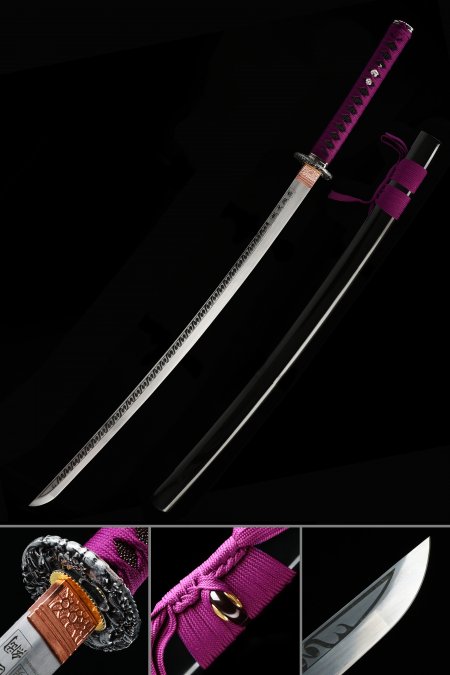
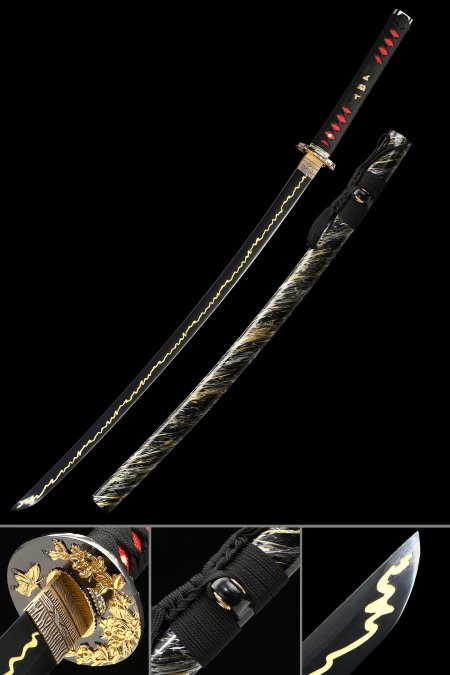
Differential clay tempering is a traditional technique where the smith coats the blade with clay of varying thickness before quenching. The cutting edge receives a thin layer, causing it to cool rapidly and harden to a high degree, while the spine is insulated by thicker clay and cools more slowly, remaining relatively tough and resilient. On 1095 steel, this process produces a particularly dramatic result because the high carbon content amplifies the hardness difference between the edge and spine zones. The visible boundary between these zones is the hamon temper line, which appears as a distinct pattern along the blade. Common hamon styles include suguha (straight), notare (gentle waves), and choji (clove-shaped peaks), each reflecting the smith’s individual technique.
Popular Products

20% OFFsamurai sword
179.00 USD
219.00 USD
15% OFFzatoichi sword
189.00 USD
219.00 USD
15% OFFblack katana
189.00 USD
219.00 USD
20% OFFblack katana
169.00 USD
209.00 USD
20% OFFsekiro's katana
229.00 USD
289.00 USD
15% OFFwhite wakizashi
179.00 USD
209.00 USD
20% OFFww2 katana
219.00 USD
279.00 USD
15% OFFtachi sword
199.00 USD
229.00 USD
15% OFFjapanese katana
249.00 USD
299.00 USD
30% OFF1095 steel katana
149.00 USD
209.00 USD
15% OFFpurple and black katana
159.00 USD
189.00 USD
30% OFF1095 steel katana
159.00 USD
229.00 USD
20% OFFsamurai sword
179.00 USD
219.00 USD
15% OFFzatoichi sword
189.00 USD
219.00 USD
15% OFFblack katana
189.00 USD
219.00 USD
20% OFFblack katana
169.00 USD
209.00 USD
20% OFFsekiro's katana
229.00 USD
289.00 USD
15% OFFwhite wakizashi
179.00 USD
209.00 USD
20% OFFww2 katana
219.00 USD
279.00 USD
15% OFFtachi sword
199.00 USD
229.00 USD
15% OFFjapanese katana
249.00 USD
299.00 USD
30% OFF1095 steel katana
149.00 USD
209.00 USD
15% OFFpurple and black katana
159.00 USD
189.00 USD
30% OFF1095 steel katana
159.00 USD
229.00 USD

Explore Our Collections