Why is 1095 carbon steel particularly well suited for a Han Dynasty jian?
Updated Feb 2026
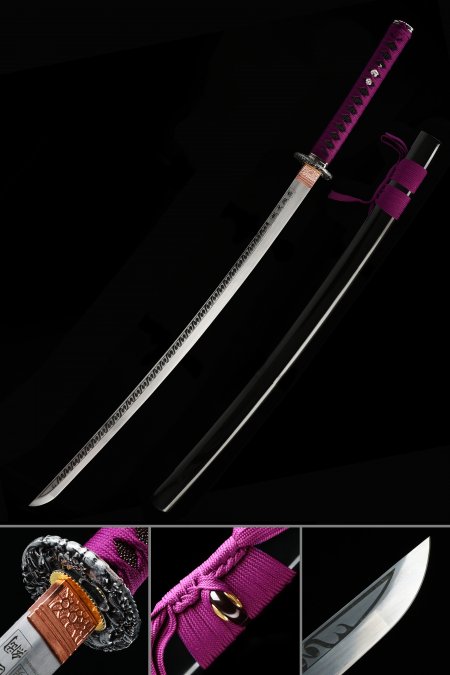
1095 spring steel has a carbon content of approximately 0.95%, which places it at the higher end of the carbon steel range commonly used in sword production. This carbon level allows the steel to achieve high hardness during quenching, producing an edge that holds well under repeated contact. The spring steel designation adds a specific toughness requirement: 1095 spring steel can flex under stress and return to true rather than taking a permanent set or cracking, which suits the double-edged jian form where both edges are active and the blade must handle forces from multiple directions. When clay-tempered, 1095 produces a clear, visible hamon that adds both visual interest and evidence of the differential hardening process. For a Han Dynasty jian specifically, the combination of hardness, toughness, and the visual character of a genuine temper line creates a blade that is true to the historical form in both performance characteristics and appearance.