Is every Damascus sword blade truly unique, or is the pattern controlled?
Updated Feb 2026
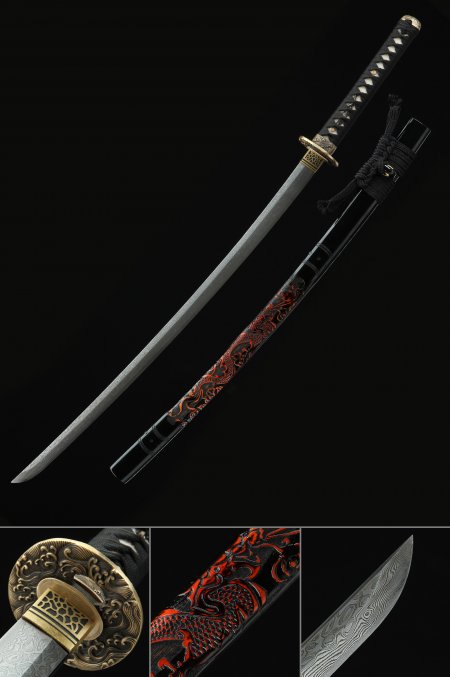
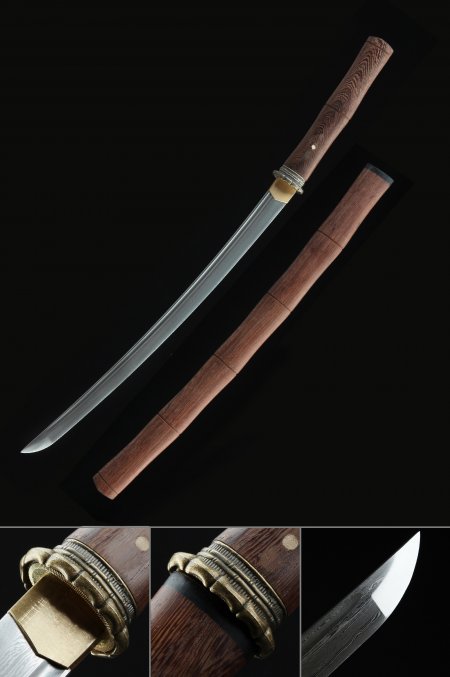
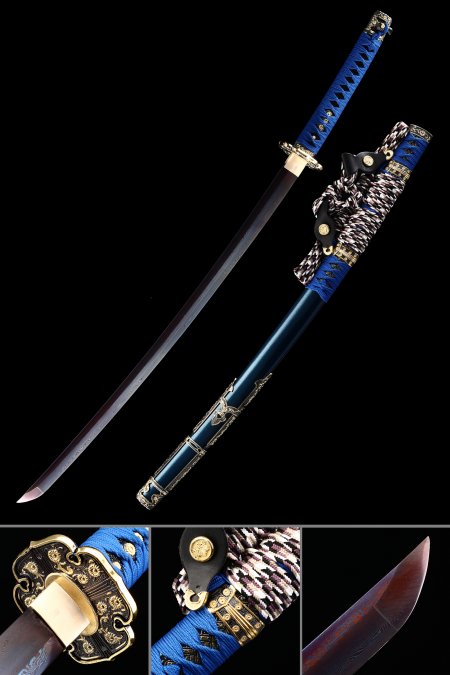
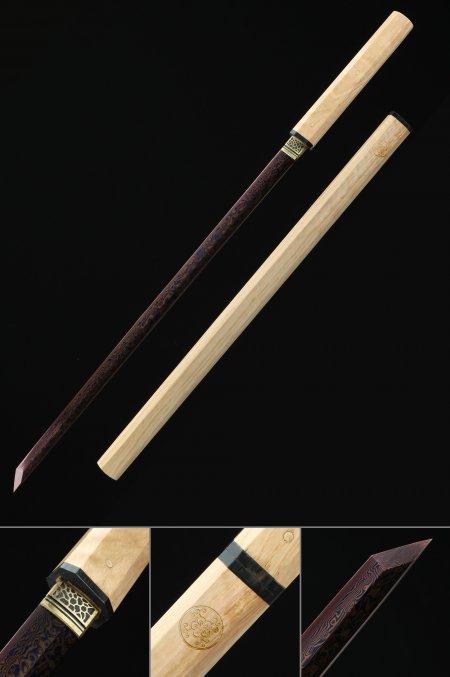
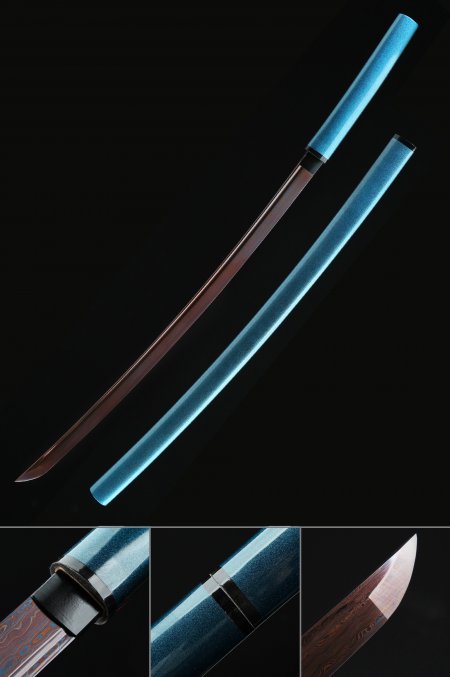
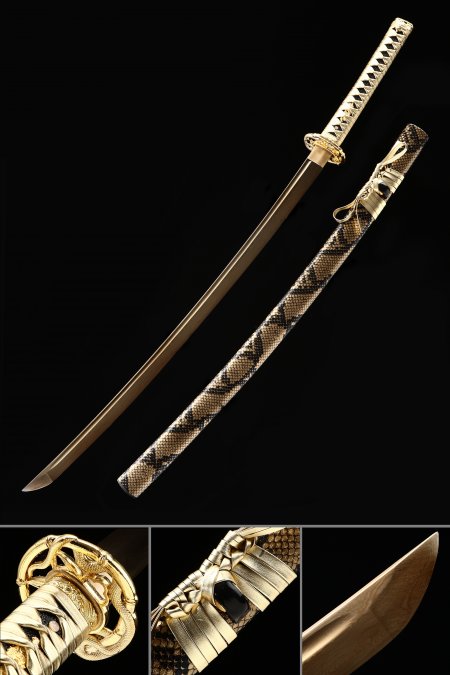
Every Damascus sword blade produced through hand forging has a genuinely unique surface pattern because the grain is determined by the specific physical working of each individual billet. The smith controls the general character of the Damascus pattern - whether the grain runs in parallel lines, tight swirls, random waves, or other configurations - by choosing how to fold and manipulate the billet during working. But within that general character, the exact placement, curvature, and density of the grain lines is determined by the specific material behavior of that billet under that smith's hammer on that day. Two billets of identical alloy composition, folded in identical patterns by the same smith, will produce different grain results because the physical dynamics of metalworking at small scales cannot be exactly replicated. This is why Damascus collectors examine each blade individually rather than selecting by model number - the specific grain pattern is part of what makes a particular blade worth selecting. The blade you examine is the blade you receive, and its grain pattern is specific to that object.