What makes a tactical katana different from a traditional Japanese katana?
Updated Feb 2026
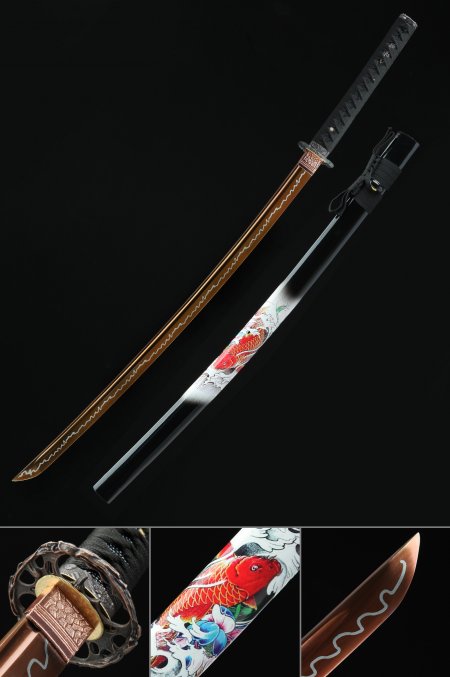
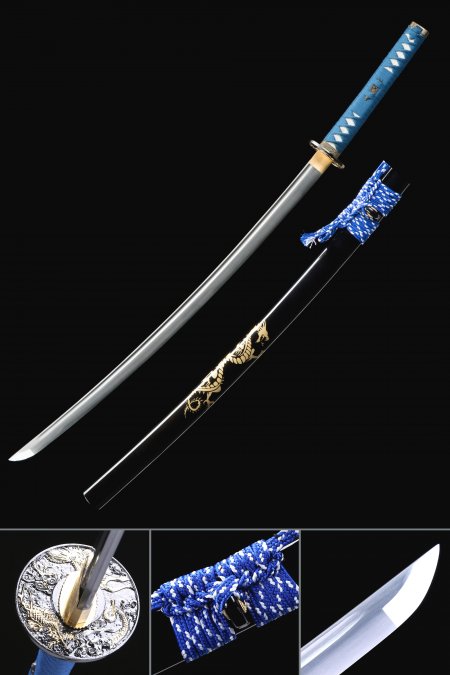
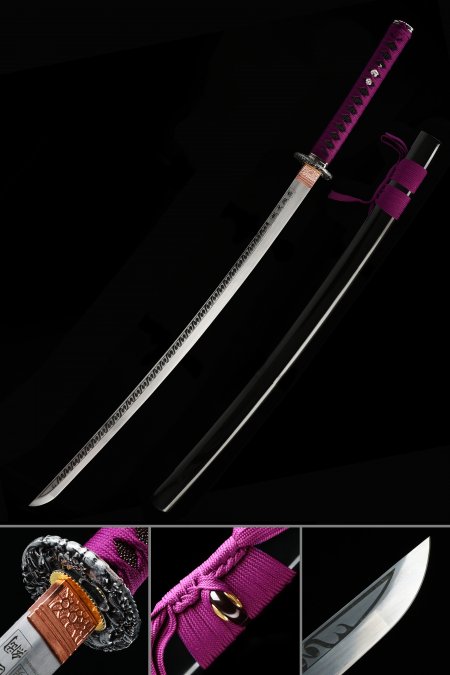
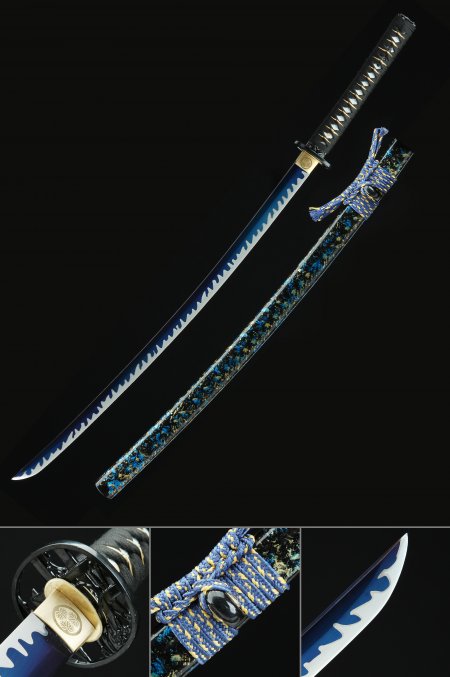
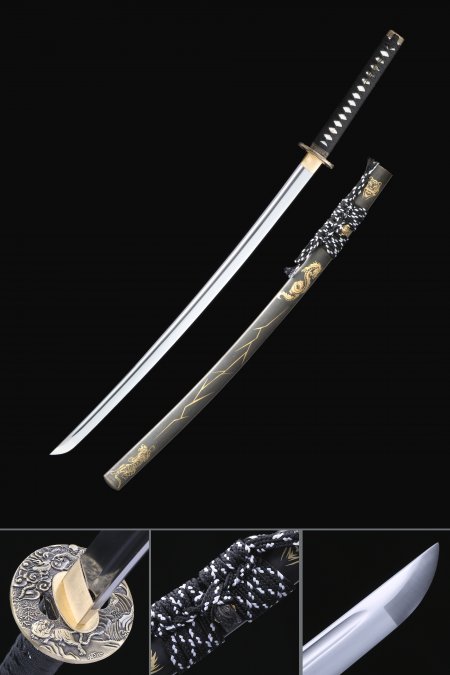
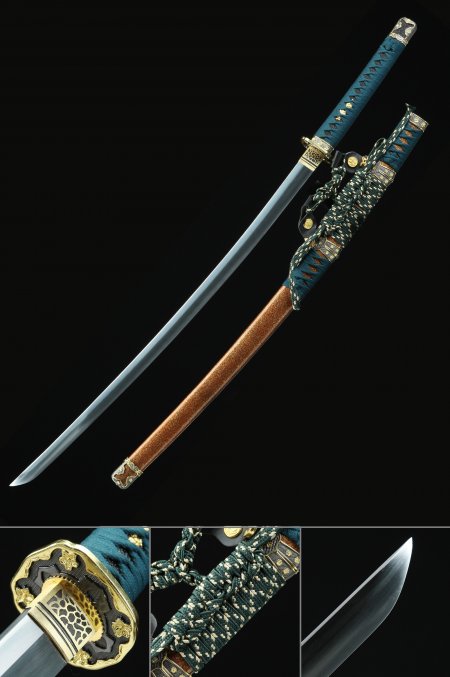
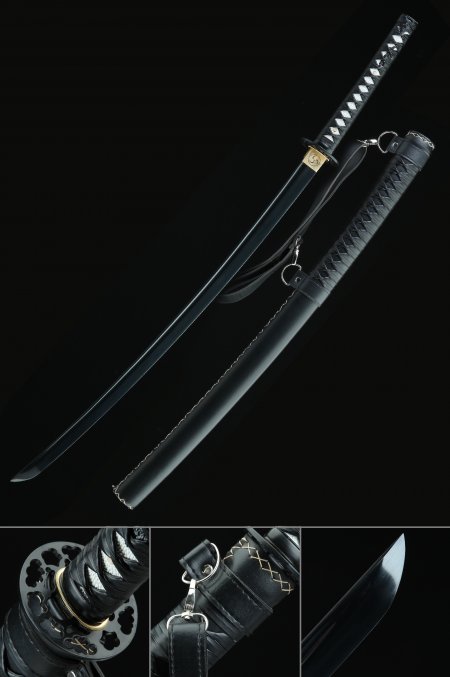
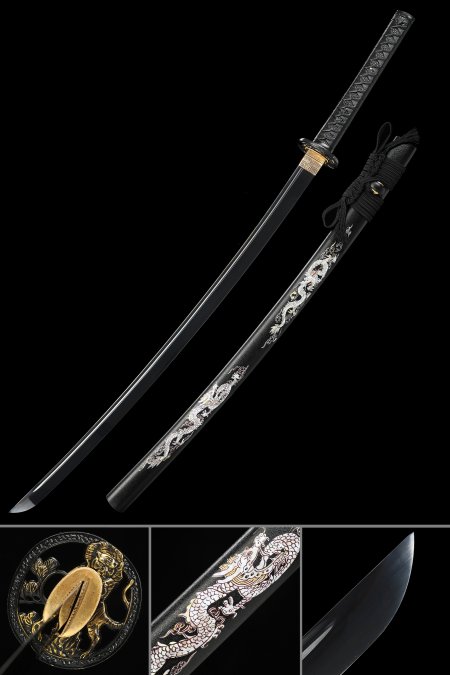
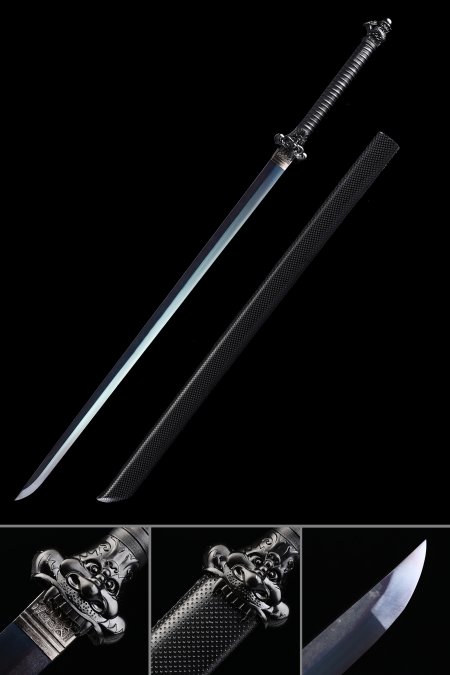
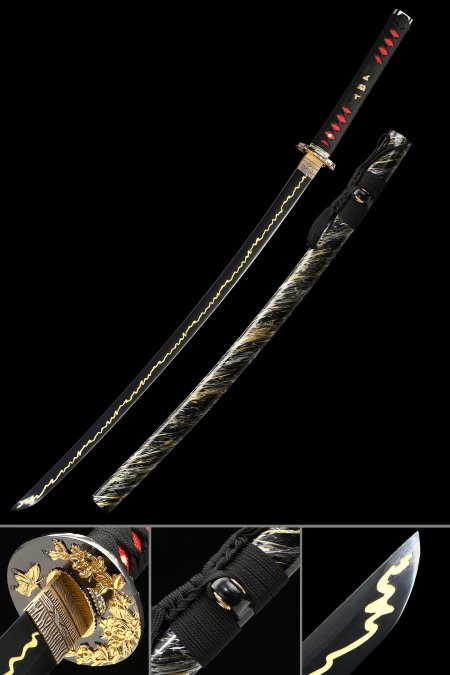
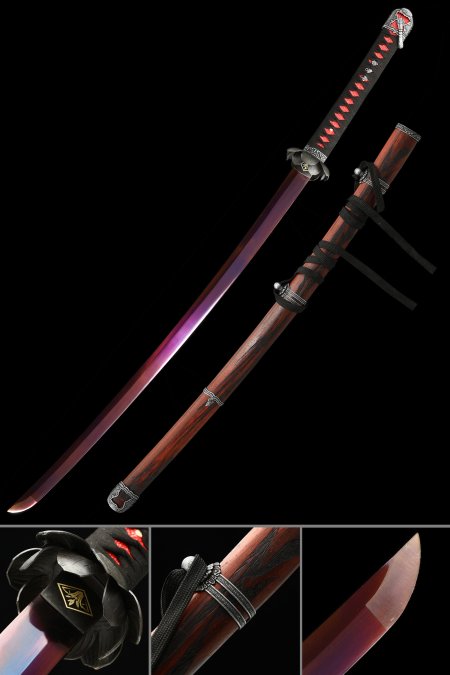
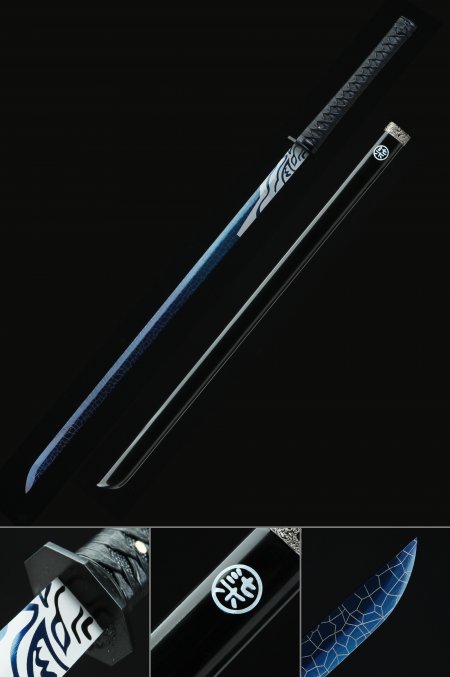
A tactical katana uses the same fundamental geometry as a traditional Japanese katana - the curved single-edged blade, the two-handed handle length, the full-tang construction that runs the steel through the complete handle - while applying a contemporary aesthetic treatment to the presentation. The differences are primarily in the surface finishing and fittings rather than the blade itself. Where a traditional katana uses ito cord wrapped over same ray skin on the handle, a tactical katana uses leather wrapping or a cord wrap in black. Where a traditional katana uses a decoratively finished tsuba and polished metal fittings, a tactical katana uses minimalist or matte-finished fittings. The saya is typically black or dark, and the overall color scheme is darker and more austere than the traditional presentation. The blade underneath these presentation differences is made from the same materials - 1095 carbon steel and spring steel in this collection - and goes through the same forging, heat treatment, and tempering process as any other sword in the catalog. The tactical aesthetic is a surface layer; the real sword construction is identical.