What is the significance of clay tempering in Chinese war sword construction?
Updated Feb 2026
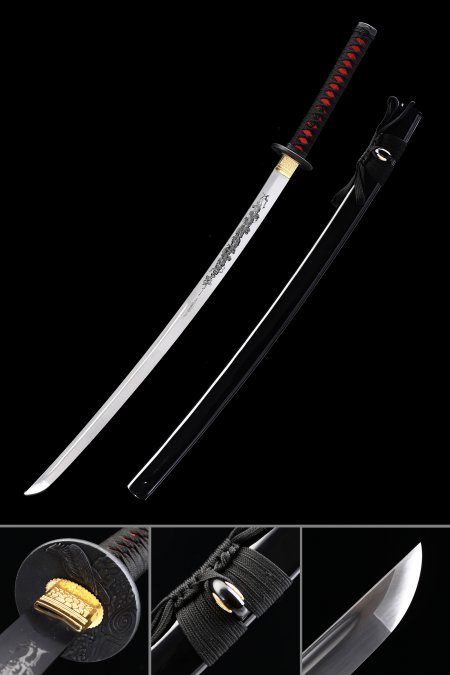
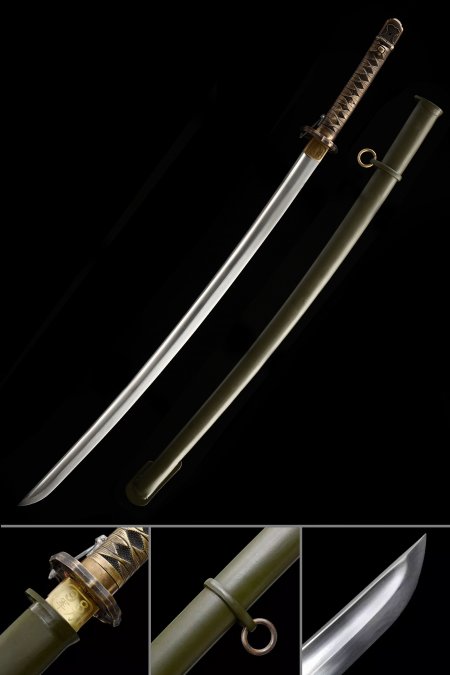
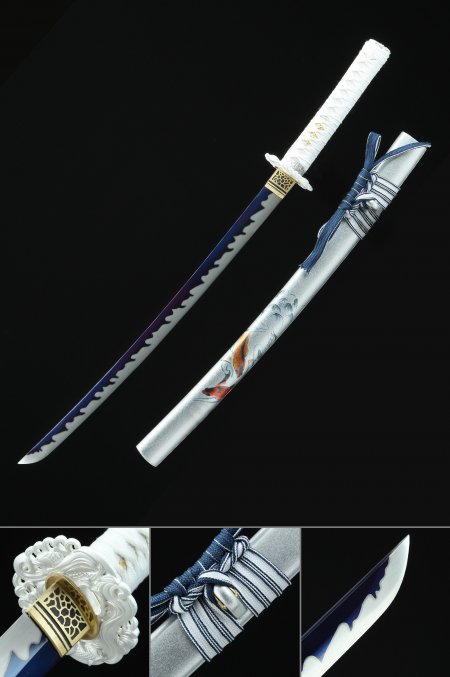
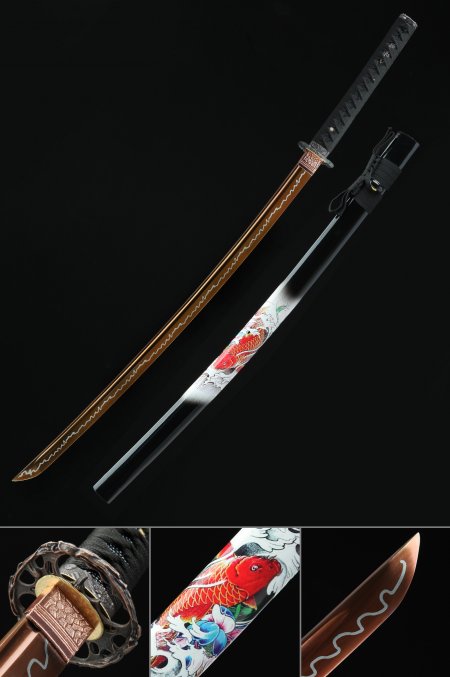
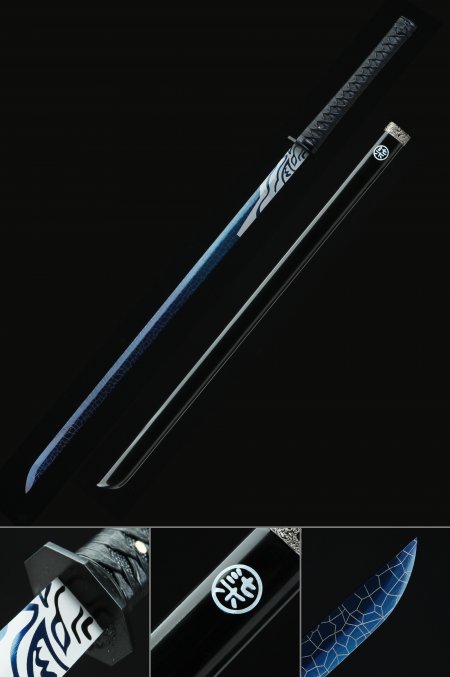
Clay tempering is a heat treatment technique that produces a blade with differential hardness - harder at the cutting edge and tougher at the spine - by insulating the spine with a clay coating before quenching. During the quenching step, the clay-insulated spine cools more slowly than the uncoated edge, producing two different microstructures in the same blade: a hard, fine-grained martensite at the edge and a tougher, less brittle structure at the spine. This differential hardness is the ideal combination for a fighting sword: the hard edge holds a sharp profile and resists deformation under cutting stress, while the tough spine absorbs impact without cracking or breaking. The boundary between these two zones is where the hamon forms - the visible temper line along the blade edge that is among the most prized visual details in Asian sword collecting. While primarily associated with Japanese sword making in Western collecting culture, clay tempering was also practiced in Chinese sword-making traditions, and the 1095 clay-tempered pieces in this collection carry this historical technique as part of their construction authenticity.