What is the wakizashi's role in the traditional Japanese daisho pairing?
Updated Feb 2026
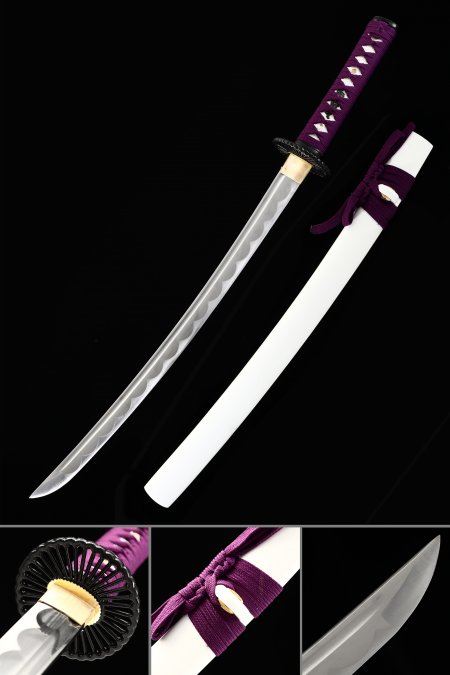
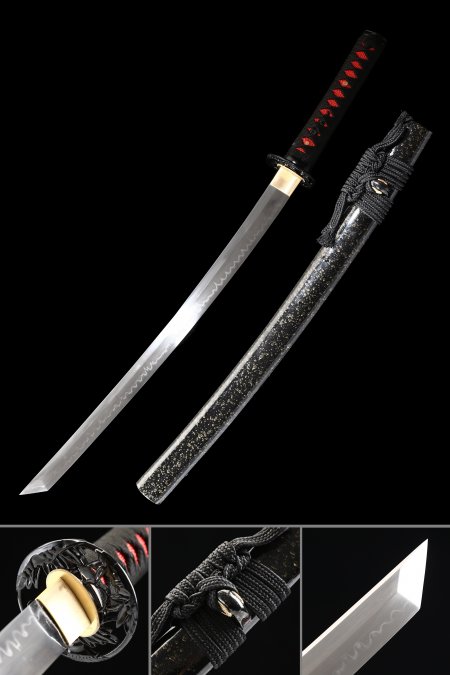
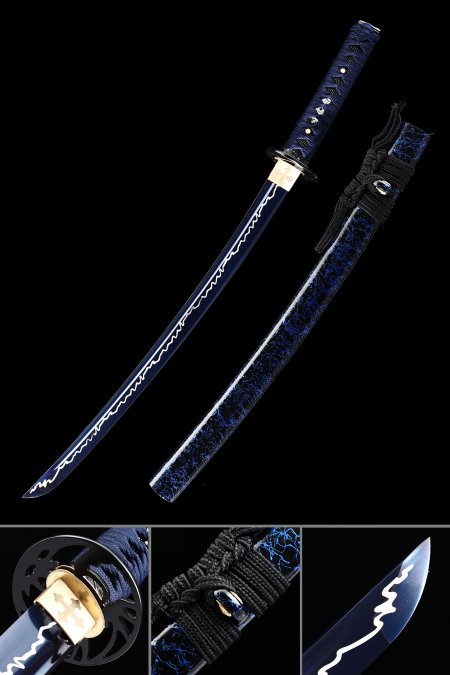
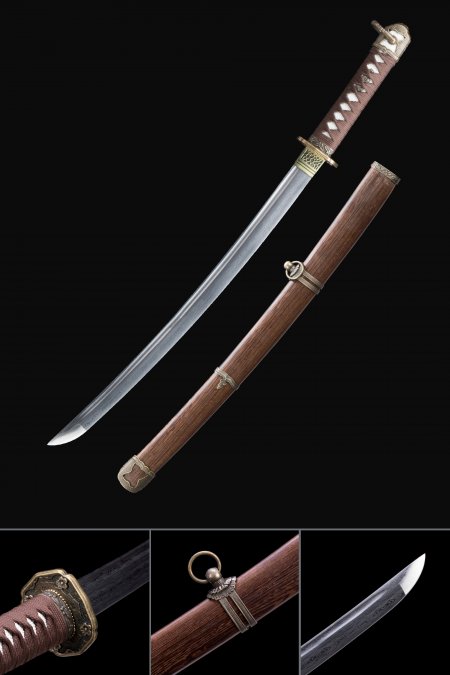
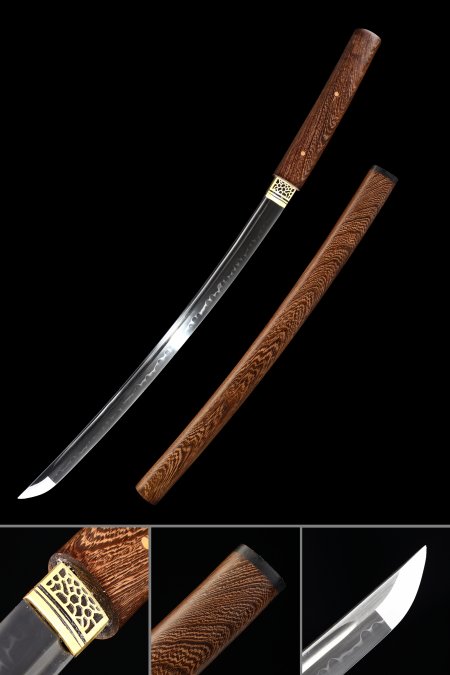
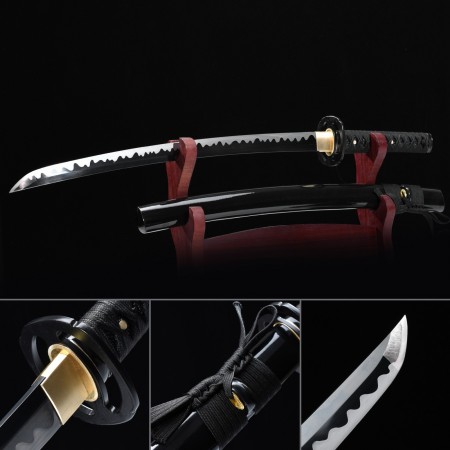
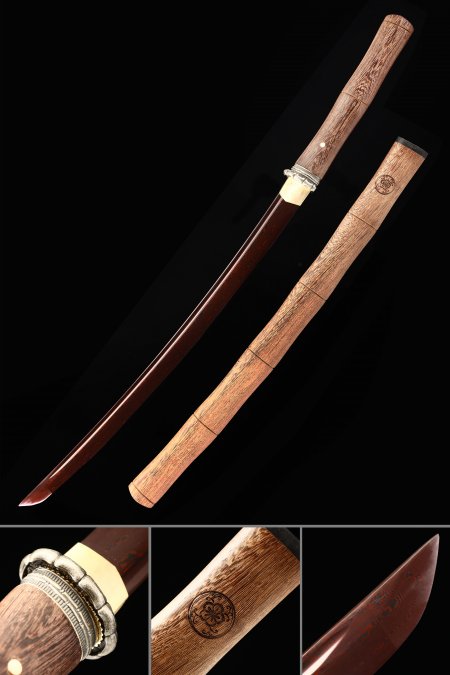
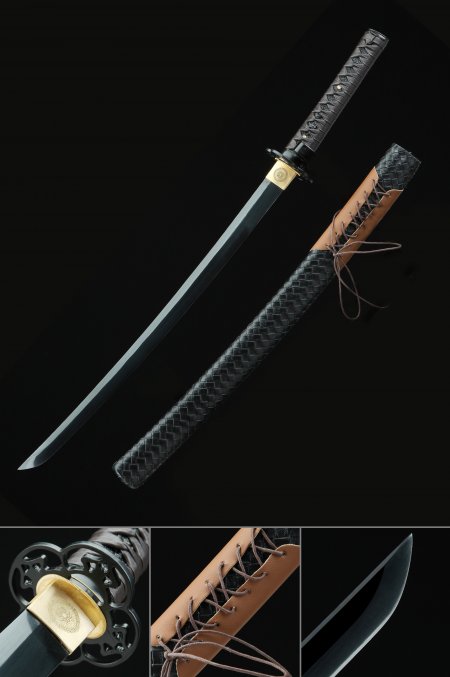
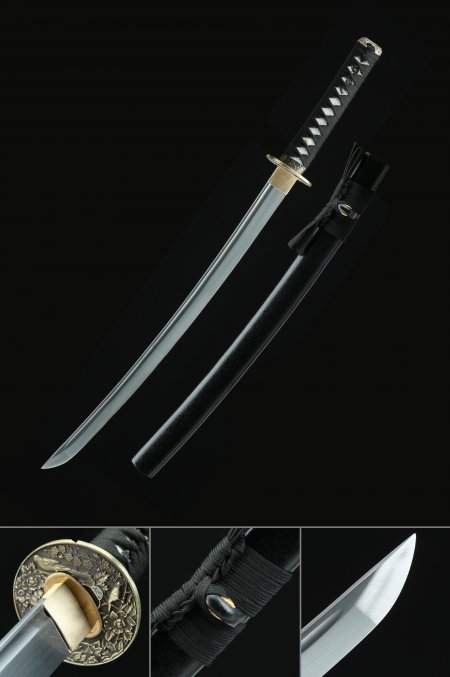
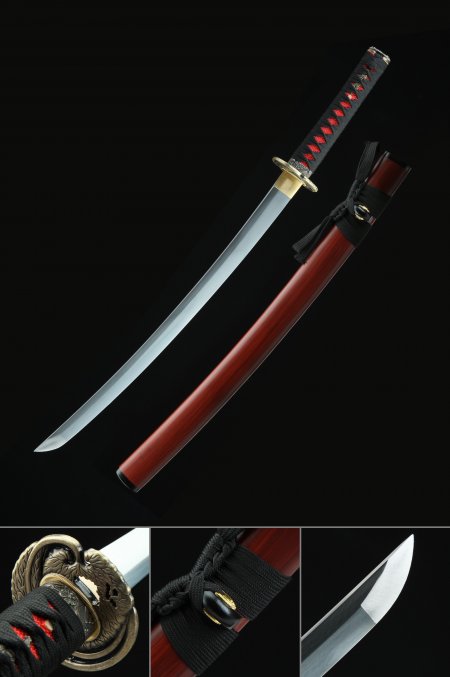
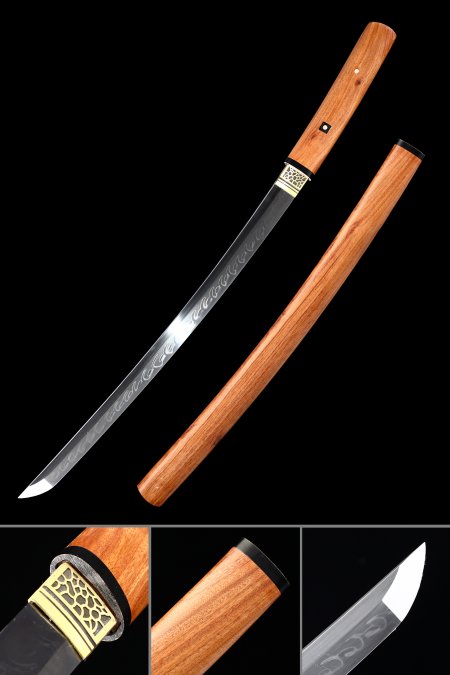
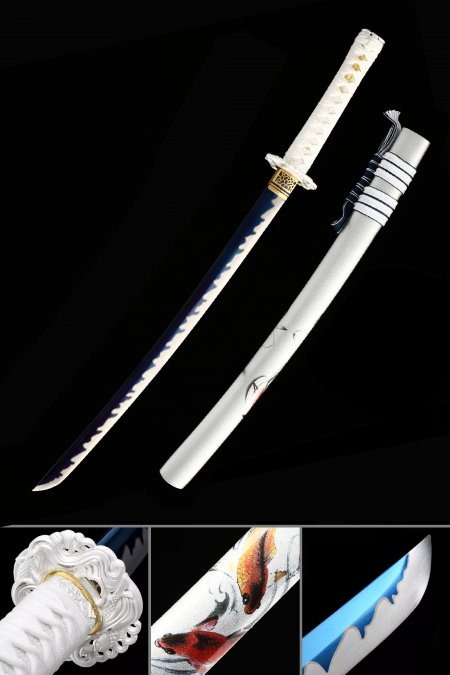
The wakizashi is the shorter blade of the traditional Japanese daisho - the paired katana and wakizashi set that was the exclusive right and identifying mark of the samurai class during the Edo period under Tokugawa rule. The daisho translates roughly as big-small pair: the katana is the daisho, the big sword, while the wakizashi is the shoto, the small sword. In practical terms, the wakizashi served several functions that the longer katana could not. Indoors - in castles, residences, and formal settings - the long katana was left at the entrance or in a dedicated rack, but the wakizashi was retained by the samurai as the always-available companion blade. The wakizashi's shorter format allowed use in confined indoor spaces. In battle, the wakizashi served as a backup blade if the primary katana was lost or damaged. In the formal social context of Edo-period Japan, wearing both katana and wakizashi simultaneously - the daisho - was the legal right exclusively of the samurai class, making the pairing as much a social and legal marker as a practical military configuration.