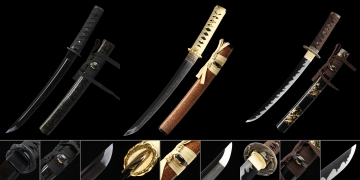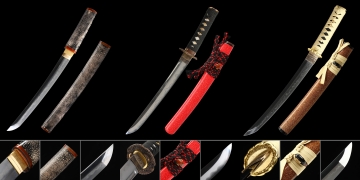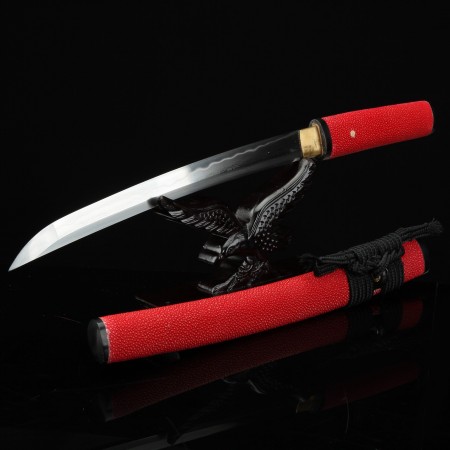
Black Sageo Tanto

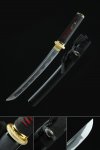
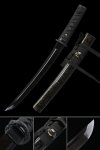
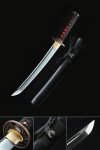
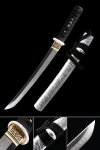
A black sageo tanto brings together disciplined Japanese aesthetics and meticulous handcraft in a compact, display-worthy form. Each piece in this collection features a precisely wrapped sageo cord in deep black, complementing lacquered sayas, full-tang blades, and hand-fitted fittings that reward close inspection. Whether adding to a curated display or selecting a meaningful gift for a fellow enthusiast, these tantos are crafted to be admired. Enjoy free shipping on your order, plus hassle-free returns for complete peace of mind.
Showing 49 Products

Related Collections

Black Steel Katana74 items


768 Reviews

Black Dragon Katana13 items


Reviews

Black Blade Tanto10 items


15 Reviews

Black Rayskin Saya Tanto14 items


13 Reviews

Frequently Asked Questions

What does the sageo cord actually do on a tanto?
The sageo is the braided cord threaded through the kurigata — the small knob on the side of the saya (scabbard). Historically, it was used to tie the saya to an obi sash, keeping the tanto secure while worn. On a collectible tanto today, it serves as a finishing detail that completes the koshirae's overall aesthetic. A black sageo in particular creates a unified, formal tone when paired with dark lacquer sayas and matching fittings. The material, braid pattern, and length of the sageo all contribute to the visual balance of the piece, making it one of those small details that separates a thoughtfully assembled tanto from a generic reproduction.
How does T10 clay-tempered steel differ from 1045 carbon steel in a tanto?
The core difference lies in carbon content and the tempering process. 1045 carbon steel contains approximately 0.45% carbon and is through-hardened, producing a uniform, durable blade that holds up well for display and test cutting. T10 steel carries a higher carbon content — closer to 1.0% — and in clay-tempered versions, a layer of clay is applied to the spine before quenching. This causes the edge to cool faster than the spine, creating a real hamon: the visible transition line between hard edge and softer spine that is one of the most prized visual characteristics in Japanese-style swords. No two hamon are identical, making each T10 tanto genuinely one of a kind. For collectors prioritizing visual distinction and authentic production technique, T10 clay-tempered is a meaningful step up.
Are Damascus steel tantos folded by hand, and does it affect the blade?
Damascus steel tantos are produced by layering and forge-welding multiple steel billets together, then repeatedly folding and drawing out the material. This process creates the flowing, wave-like grain patterns visible across the blade's flat — a surface quality that is entirely unique to each piece and impossible to replicate exactly. The folding does refine the steel's grain structure, but for display-focused collectors, the primary value is aesthetic: a Damascus tanto is a visually dramatic object. When paired with a black sageo, dark koshirae, and a fitted lacquer saya, the patterned blade surface provides striking contrast. These tantos are collectibles first, and the handcraft involved in their production is part of what makes them worth displaying.
How should I store and maintain a tanto on display?
For long-term display, keep the tanto in its saya when not being inspected — the saya protects the blade from airborne moisture and accidental contact. Apply a thin coat of choji oil or a neutral mineral oil to the blade every few months, or more frequently in humid climates, to prevent surface oxidation. Use a soft, lint-free cloth to apply and remove the oil. Avoid displaying the tanto in direct sunlight, which can fade lacquer finishes and dry out handle materials like ito wrap and samegawa over time. If the display space is prone to humidity swings, consider a display case with a small silica gel packet to stabilize the environment. Never store the blade in a leather enclosure long-term, as leather retains moisture.
Is a black sageo tanto a good gift for a Japanese sword collector?
It is one of the more thoughtful options in this category, precisely because a tanto's compact size makes it easy to display in spaces where a full-length katana would be impractical. For a collector who already owns longer blades, a tanto with a carefully matched black koshirae — black sageo, lacquer saya, coordinated tsuba — can serve as a complement to an existing display rather than competing for space. Steel choice matters as a gift consideration: T10 clay-tempered tantos with a real hamon carry more visual prestige for a knowledgeable collector, while 1045 carbon steel options offer a cleaner, more accessible starting point. Including details about the steel type and fittings when gifting shows an understanding of what collectors actually value.

Customer Reviews