Cherry Blossom Blade Katana

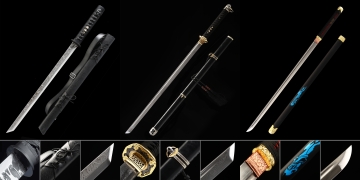
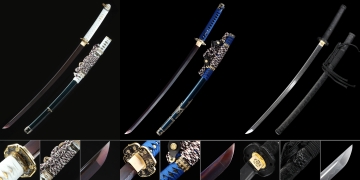
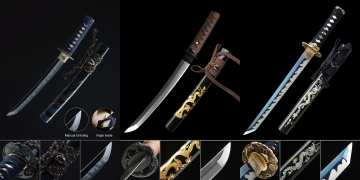
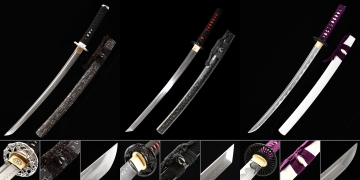
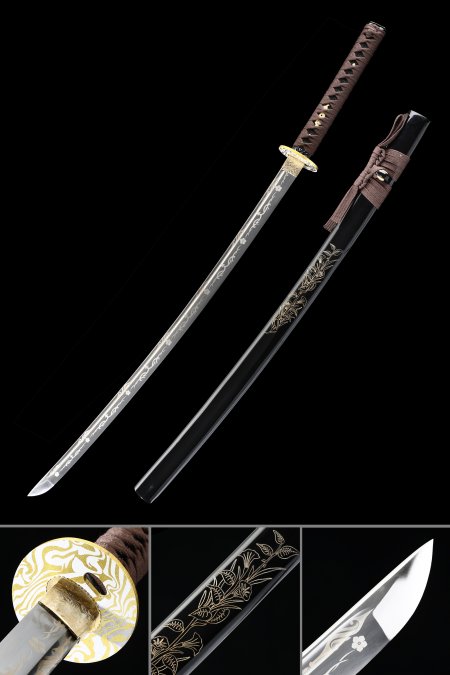
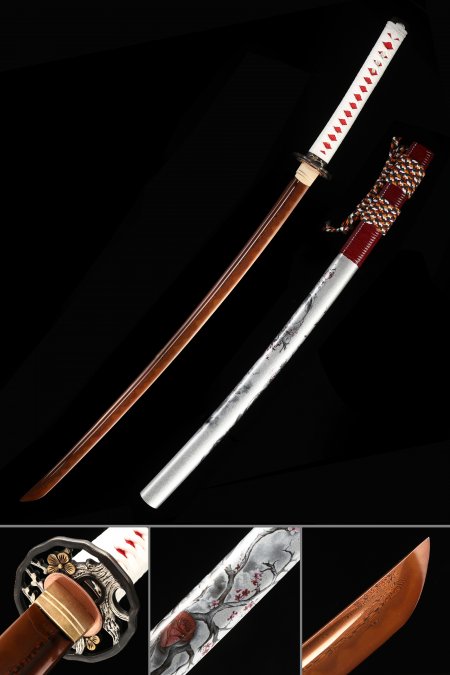
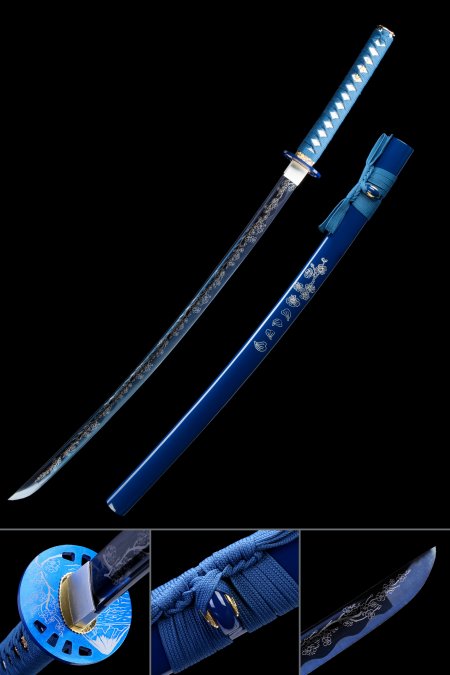
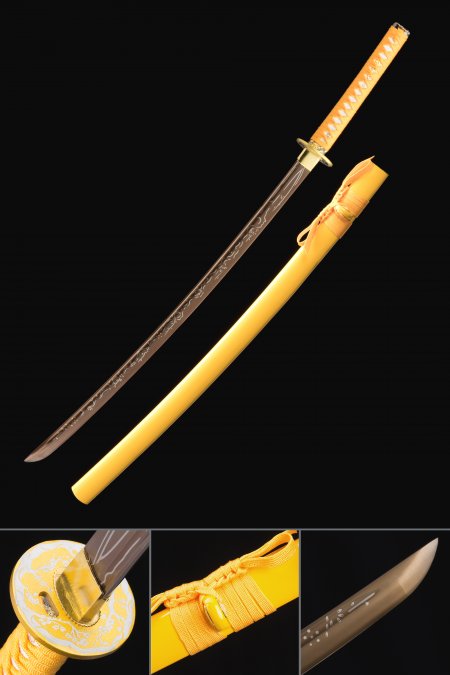
Cherry blossom motifs have graced Japanese swords for centuries, symbolizing the fleeting beauty and quiet dignity that define classical aesthetics. Each katana in this collection features hand-engraved sakura patterns on the blade or saya, paired with premium lacquerwork and intricately cast tsuba designs. Materials range from 1045 carbon steel to layered Damascus and manganese steel, offering collectors a spectrum of craftsmanship and visual character. Enjoy free shipping on every order, backed by our hassle-free return policy.
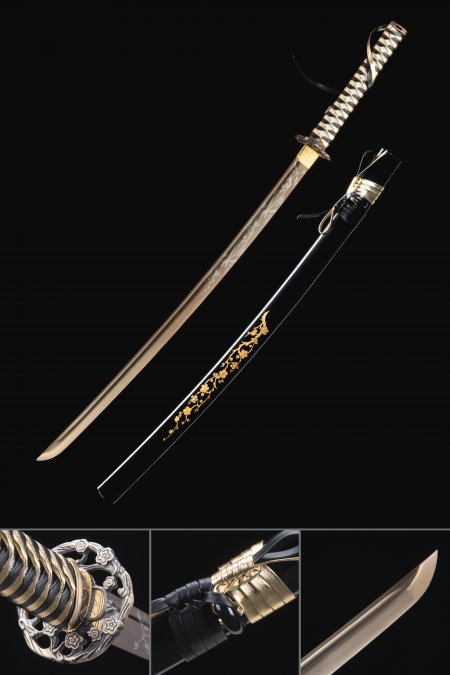
Showing 7 Products

Frequently Asked Questions

What steel types are used in cherry blossom katana?
This collection spans three distinct steel types, each offering different visual and structural qualities. 1045 carbon steel provides a bright, smooth surface that engravers prefer for fine floral detail work — the lines stay crisp and the polish holds well over time. Manganese steel has a slightly darker, denser appearance and accepts engraving with excellent contrast, making sakura motifs appear almost etched against the metal. Damascus steel is the most visually complex option: its folded-layer patterns create a natural flowing grain that gives engraved cherry blossoms an almost illustrative quality. For display collectors, Damascus pieces tend to draw the most attention in a room, while 1045 carbon steel pieces offer a cleaner, more traditional look. Manganese sits between the two — subtle and refined. The right choice depends on whether you prefer understated elegance or expressive visual drama in your display.
How are the sakura engravings applied to the blade?
The cherry blossom engravings on these katana are cut directly into the blade surface by hand, a process that requires the metal to be shaped and polished to a specific finish before any engraving begins. The engraver uses hardened tools to trace and deepen each petal, branch, and line, working along the flat or fuller (the groove running lengthwise on some blades) where the metal offers the most stable surface. This is distinct from acid etching or printed overlays, which are common in lower-cost decorative swords. Hand-engraved motifs have visible depth and slight dimensional variation that catches light differently depending on the angle of viewing — an effect that makes a displayed piece genuinely dynamic. On Damascus steel blades, the engraving interacts with the underlying fold pattern in ways that are unique to each individual piece, since no two Damascus billets have identical layering.
How should I care for a lacquered saya long-term?
Piano lacquer and standard lacquer saya require slightly different care from the blade itself. The lacquer surface should never be cleaned with solvent-based products — even mild alcohols can dull or cloud the finish over time. For dust, a soft dry microfiber cloth is sufficient for routine wiping. Avoid placing the saya in direct sunlight for extended periods, as UV exposure causes lacquer to yellow or crack, particularly on black and olive finishes. Humidity is the larger concern: high moisture environments can cause the wooden core beneath the lacquer to expand, which stresses the lacquer layer and may cause hairline cracking. Storing the sword in a display case with a silica gel packet nearby is a simple and effective solution for most home environments. The blade itself should be lightly oiled every two to three months with camellia or mineral oil to prevent surface oxidation, applied with a soft cloth and wiped to an even, thin layer.
Are these katana appropriate as display gifts?
Cherry blossom katana make particularly strong gifts for collectors who appreciate Japanese aesthetic tradition or decorative ironwork. The sakura motif carries genuine cultural weight — it appears throughout classical Japanese art, poetry, and ceremony — which gives these pieces a narrative depth beyond their visual appeal. For a first-time collector, a 1045 carbon steel piece with a matching lacquer saya and coordinated tsuba offers an accessible entry point that still looks impressive mounted on a wall. For a more experienced collector, a Damascus steel piece with layered blade patterning and a chrysanthemum tsuba provides something more visually complex and conversation-worthy. Each sword arrives as a complete assembly — blade, handle, and saya — so no additional components are needed. If you are purchasing as a gift, consider the recipient’s existing display aesthetic: black lacquer saya suits darker, modern interiors, while gold or olive finishes pair well with warmer wood tones.
What makes the WWII-style replica in this collection distinct?
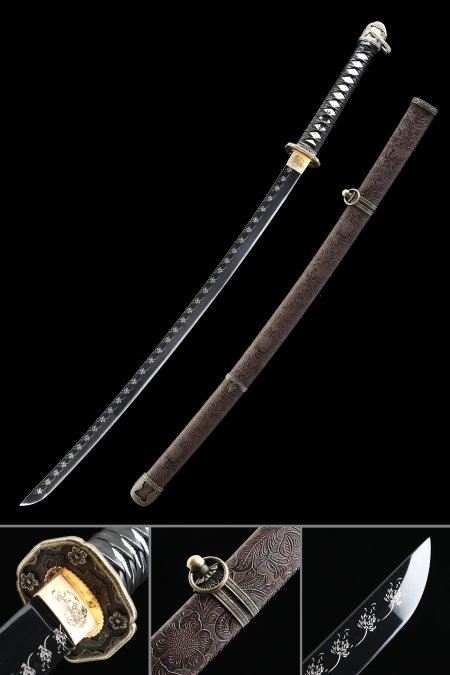
The Type 98 Shin Gunto replica in this collection references the standard-issue officer’s sword adopted by the Imperial Japanese Army in 1938. The Type 98 design is distinguished by its military-style mounts — including a distinct tsuka shape, regulated ito wrapping pattern, and metal-fitted saya — which differ significantly from classical feudal-era katana furniture. The version here is crafted in manganese steel with floral engravings on a brown saya, which blends the military silhouette with the decorative sakura aesthetic of this collection. For collectors interested in 20th-century Japanese military history, this piece offers a different reference point than traditional samurai-period swords. It is produced as a collectible replica and is not a restored or original military artifact. The historical accuracy of the external furniture profile makes it a useful display reference for those studying Japanese military aesthetics alongside broader Japanese sword history.

Customer Reviews