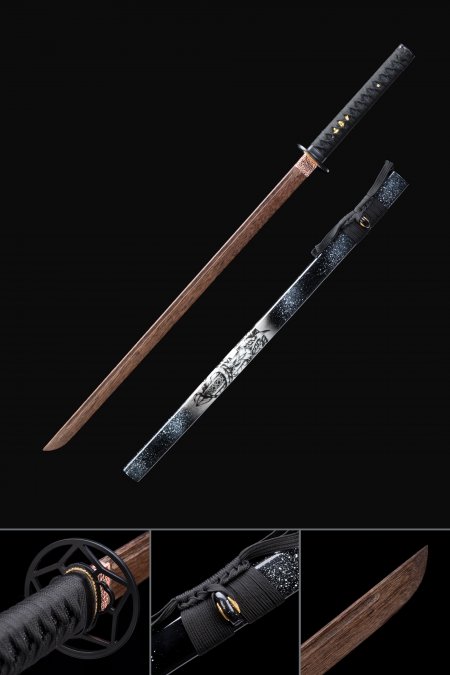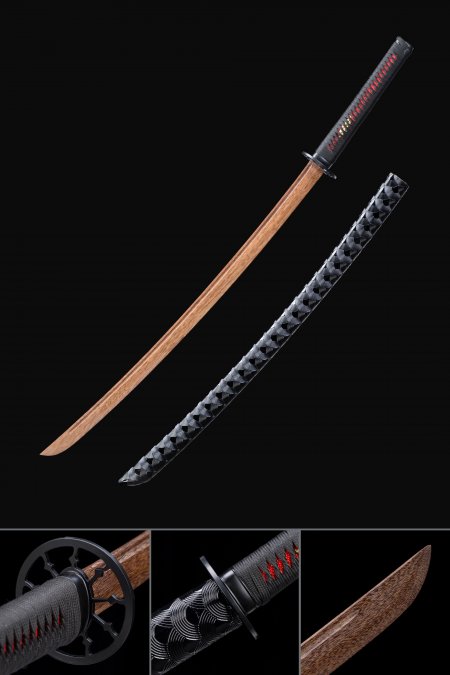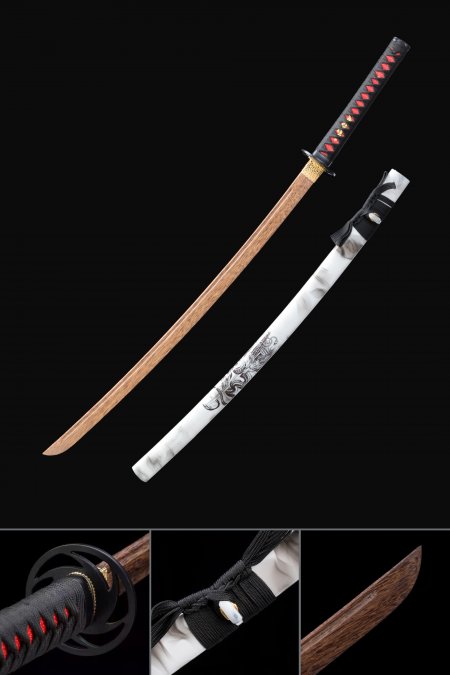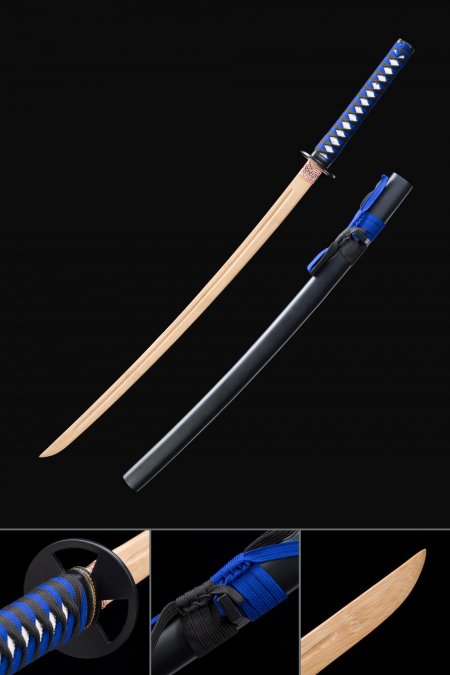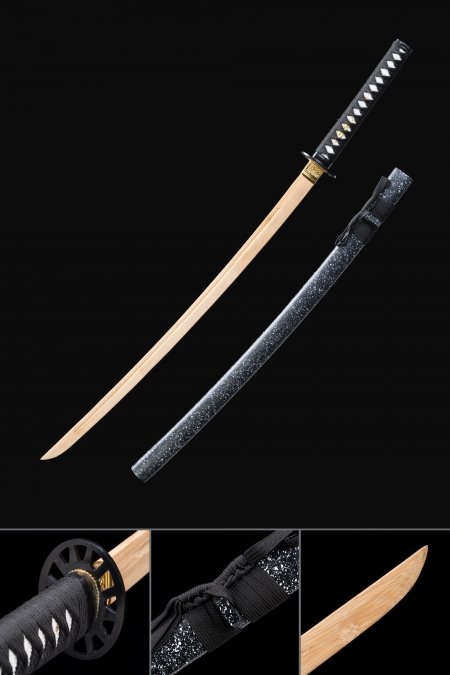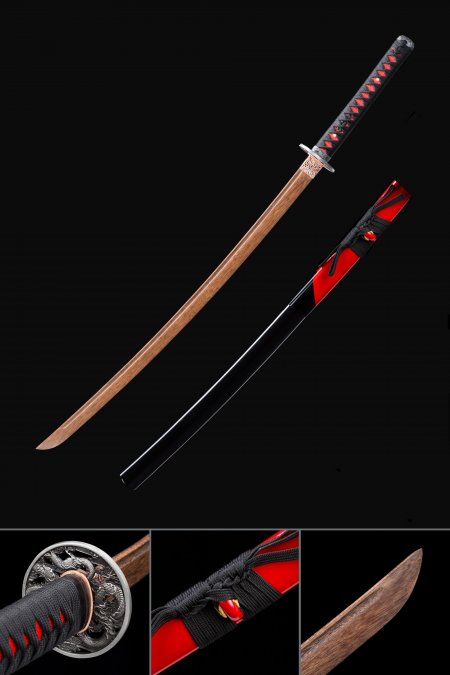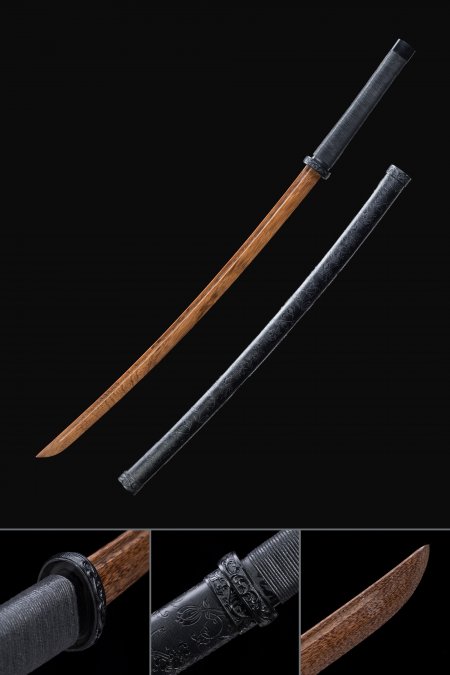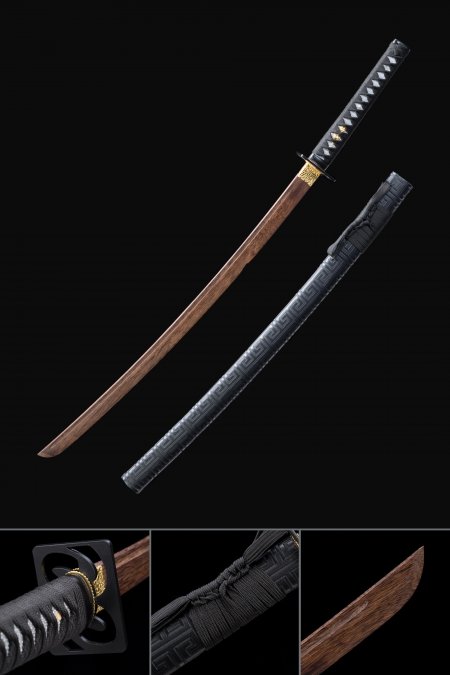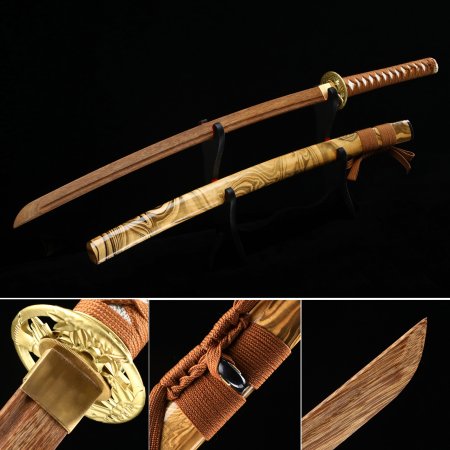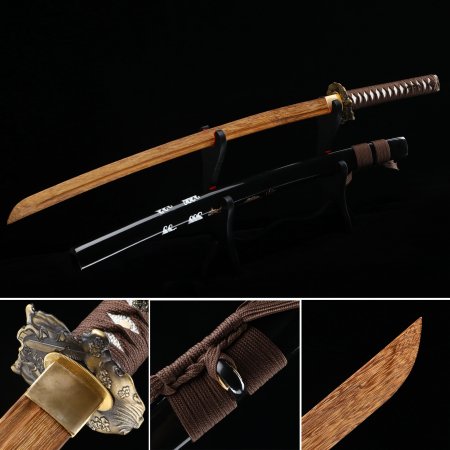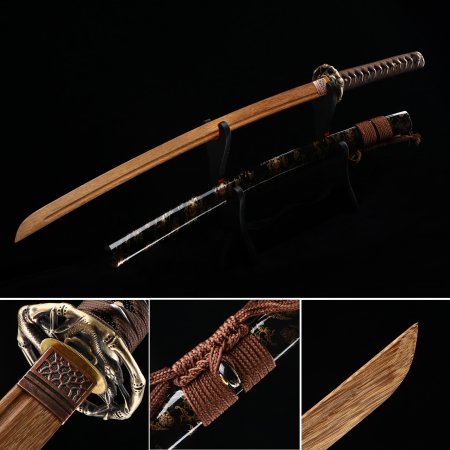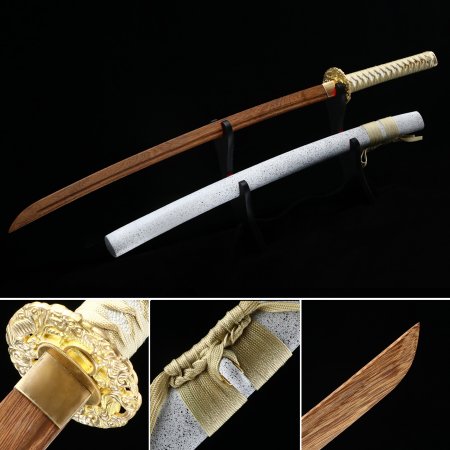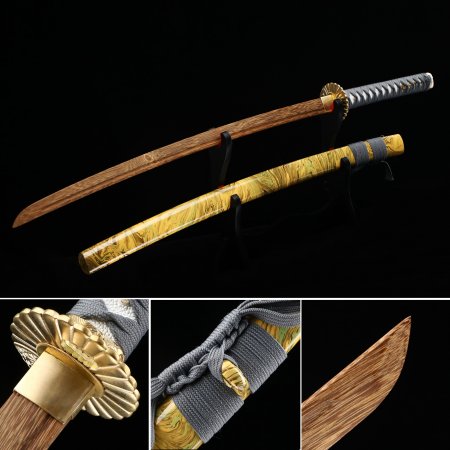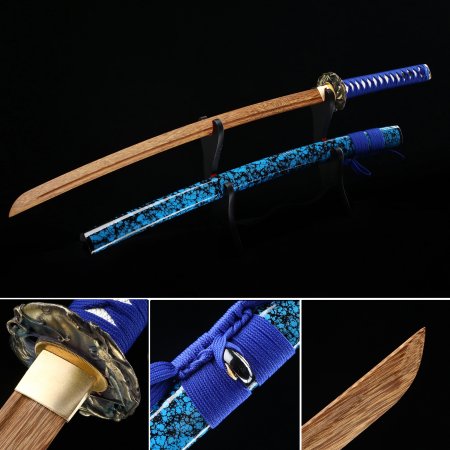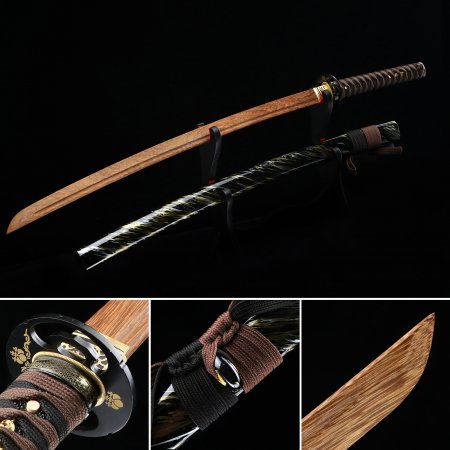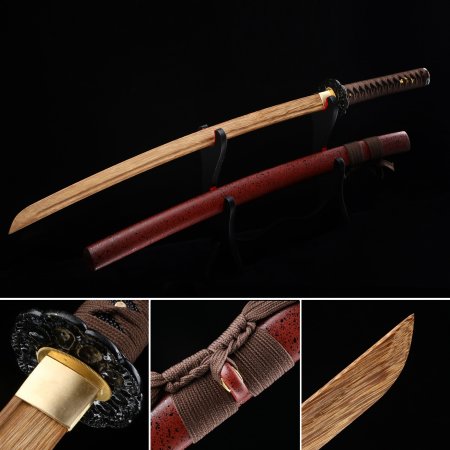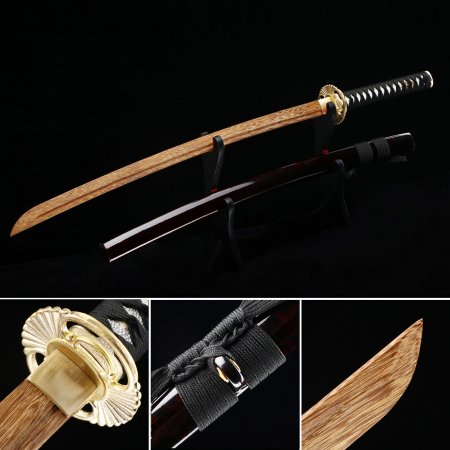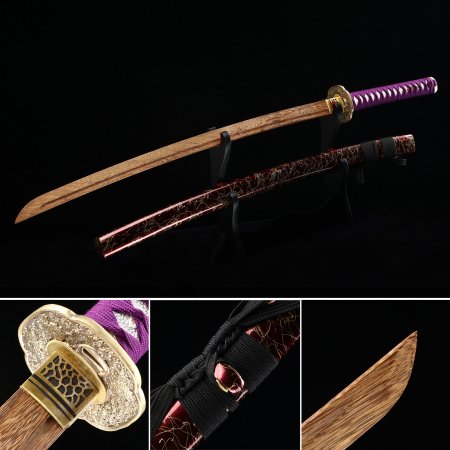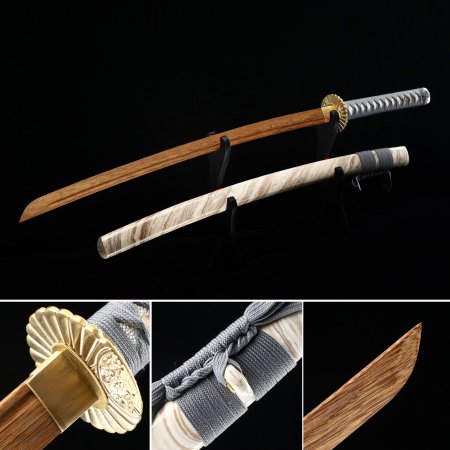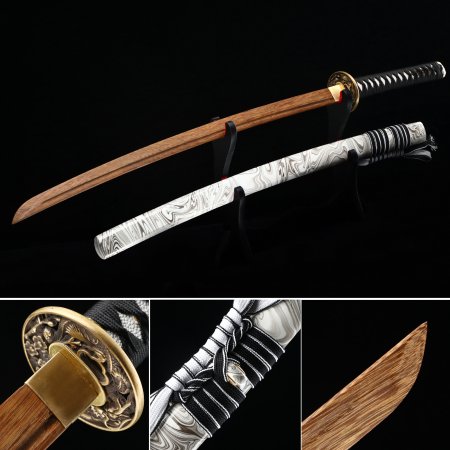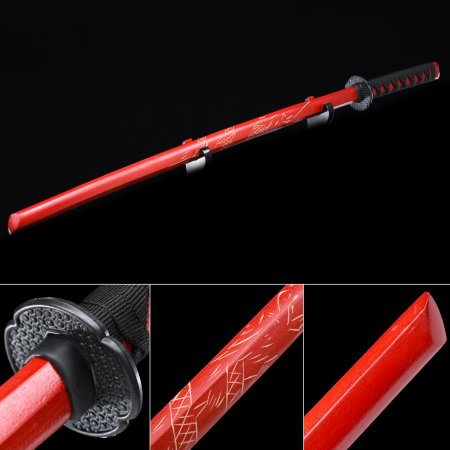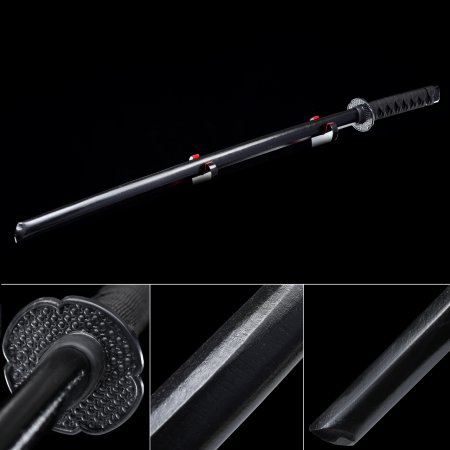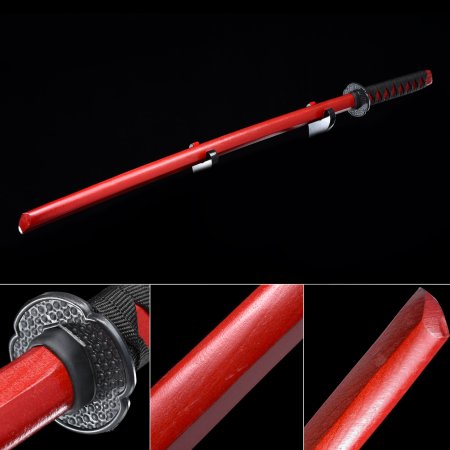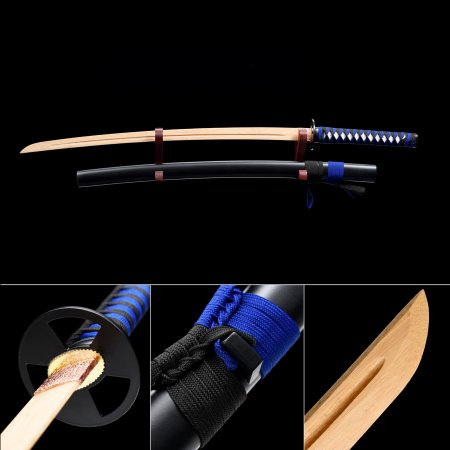
Chinese Training Sword

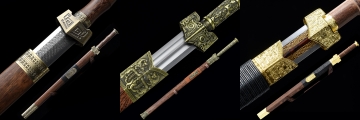
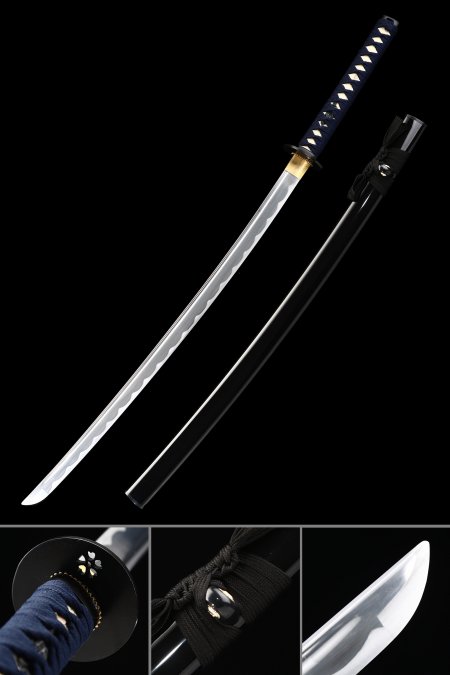
Browse our collection of Chinese training swords - hand-forged Chinese blade collectibles suitable for display and forms practice, featuring Han Dynasty jian straight swords and dao broadswords in Manganese Steel, 1095 carbon steel, and Damascus steel with full-tang construction and authentic Chinese sword fittings. Each piece combines genuine material quality with the balanced proportions appropriate to display and traditional forms study. Free US shipping and hassle-free returns included.
Showing 117 Products

Related Collections

Ancient Chinese Steel Swords128 items


1624 Reviews

Han Dynasty Sword73 items


57 Reviews

Frequently Asked Questions

What Chinese sword forms are suitable as display collectibles and for forms practice?
The main Chinese sword forms suitable for both display and traditional forms practice are the jian and the dao. The jian is the double-edged straight sword that is the primary practice blade in many Chinese martial arts systems including tai chi and wushu. Its balanced straight profile, with equal edge geometry on both sides, makes it well suited to the precise forms work that Chinese sword practice emphasizes. The dao is the single-edged curved sword - the Chinese broadsword whose heavier blade and curved cutting geometry give it a very different handling character from the jian. Dao forms are practiced in many Chinese martial arts systems and emphasize the cutting and slashing movements that the dao's curved blade facilitates. Both forms are represented in this collection with full-tang Manganese Steel and 1095 carbon steel construction appropriate to both display quality and active handling. For display purposes, both forms create visually compelling pieces that read immediately as distinctly Chinese blade forms.
What steel grades are used in Chinese training swords?
Chinese training swords in this collection use high-carbon steel grades appropriate to both display quality and the demands of active handling. Manganese Steel is the primary grade: its exceptional surface hardness and consistent finish quality make it well suited to the clean geometric profiles of Chinese jian and dao forms, and its hardness provides the structural integrity appropriate to active use. 1095 carbon steel is used in premium pieces with its high carbon content of approximately 0.95% providing significant blade hardness and surface quality. Damascus steel training swords are available in both jian and dao forms, combining fold-forged layered patterning with the Chinese blade profiles. Full-tang construction is standard across all grades, with the blade steel running from tip through the complete handle body. All grades are high-carbon rather than stainless, confirming proper heat treatment appropriate to a serious collectible rather than a display-only decorative piece.
What is the difference between a jian and a dao in Chinese sword training?
The jian and dao represent two fundamentally different approaches to Chinese sword design and training, with different blade geometries, handling characters, and associated martial techniques. The jian is a double-edged straight sword - both edges are sharpened, and the blade has no curve. Jian training emphasizes precise, controlled movements that exploit the straight blade's equal capability in both cutting directions, and the jian's lighter, more balanced profile makes it well suited to the fluid, circular movements of tai chi sword forms. The dao is a single-edged curved sword with a broader, heavier blade - only one edge is the primary cutting edge, and the blade's curve concentrates cutting power in the forward arc of a slashing movement. Dao training tends to emphasize more powerful, direct movements that use the blade's weight and curve to generate cutting force. In display terms, the two forms create very different visual impressions: the jian's straight symmetrical profile reads as elegant and precise, while the dao's curved asymmetrical silhouette reads as powerful and dynamic.
How do I maintain a Chinese training sword for long-term display and handling?
Maintaining a Chinese training sword for both long-term display quality and active handling requires consistent attention to the blade steel and the fitting components. For the high-carbon steel blade, the standard care routine applies regardless of how actively the sword is handled: wipe the full blade surface with a soft lint-free cloth after every use to remove moisture and skin oils, then apply a thin protective coat of camellia oil or mineral oil and buff away excess. This routine is particularly important for training swords because active handling introduces significantly more moisture and skin oils to the blade surface than display-only pieces receive. Inspect the handle assembly periodically - the mekugi retention pin, the handle binding, and the guard fit should all remain secure. If the handle feels loose, the mekugi pin may need to be replaced or tightened. For the scabbard, avoid impact contact and moisture exposure. Store in a low-humidity room and allow the blade to dry fully before resheathing if it has been used outdoors in humid conditions.

Customer Reviews