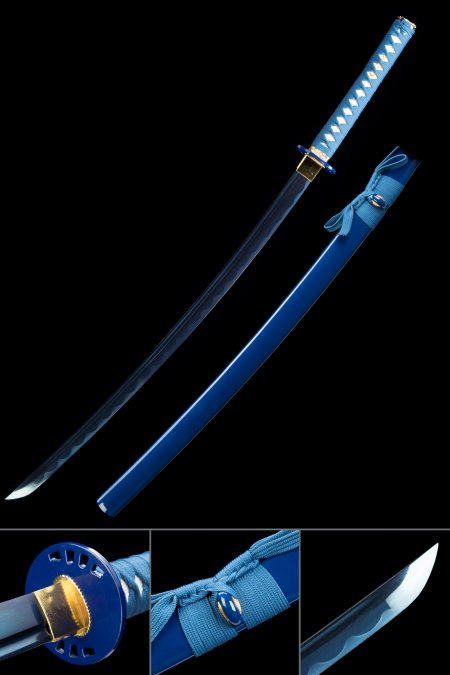
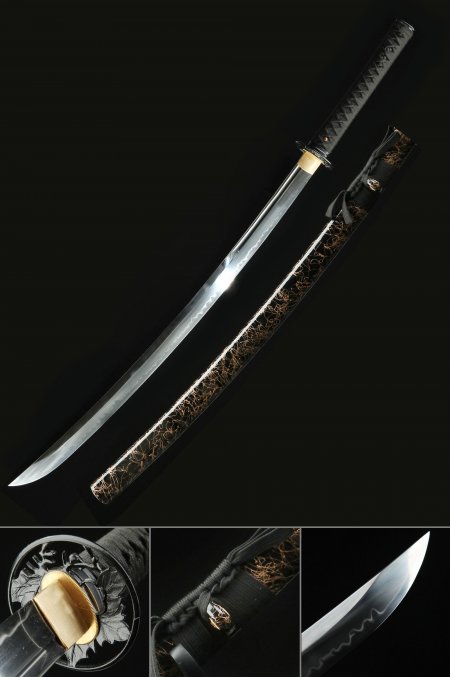
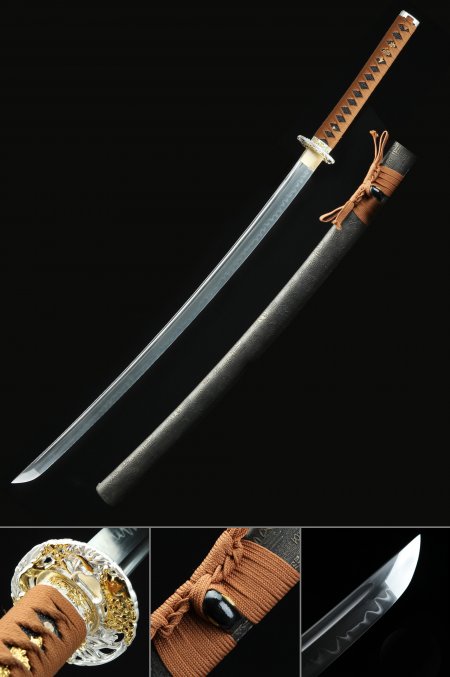
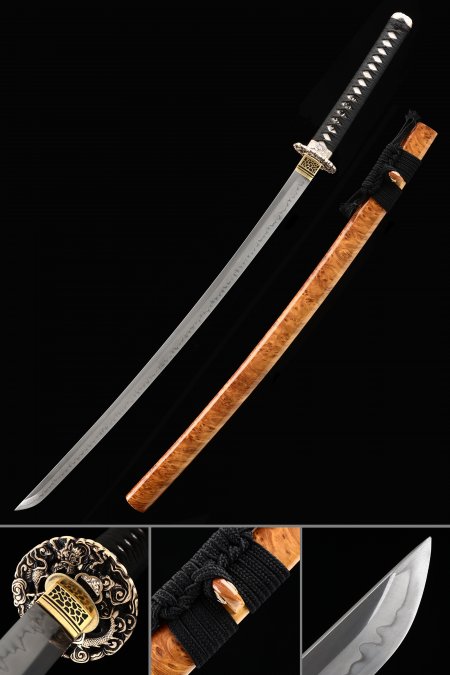
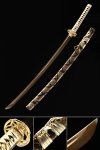
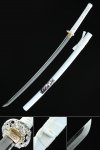
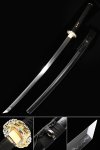
What steel grades are used in ancient Chinese steel sword collectibles?
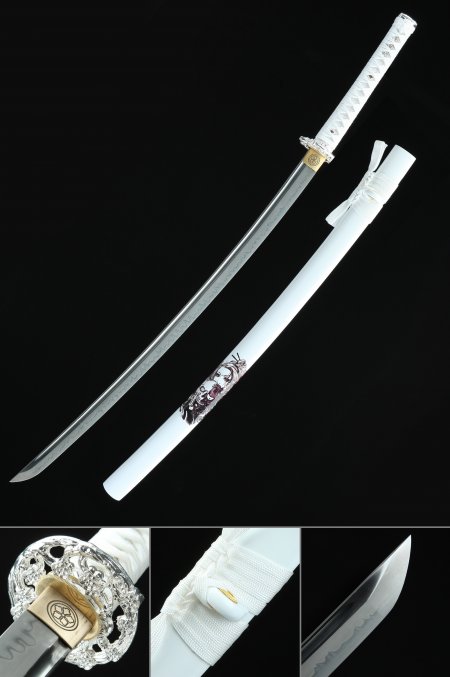
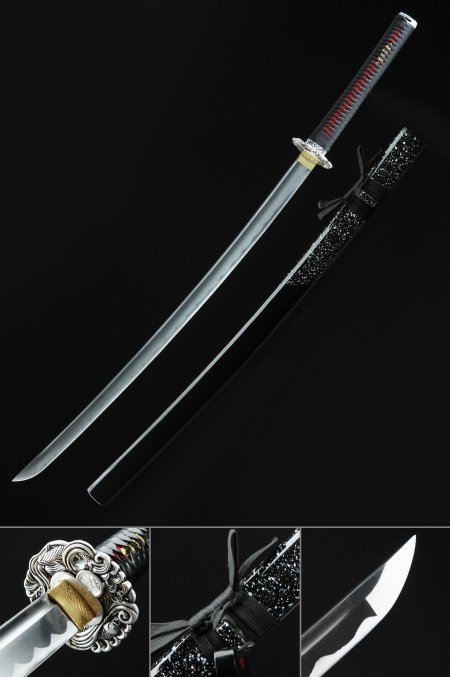
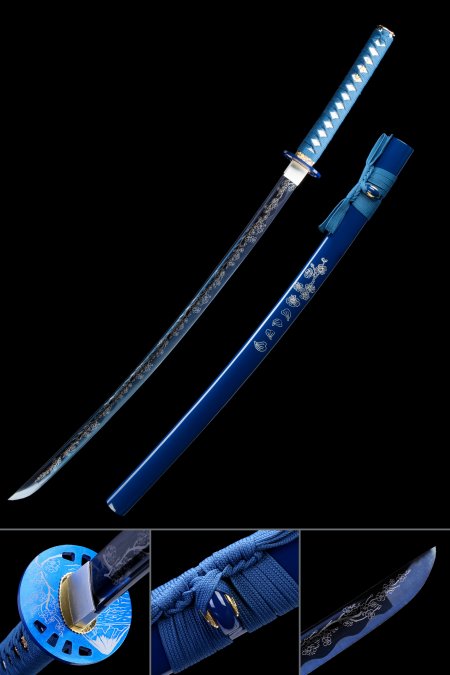
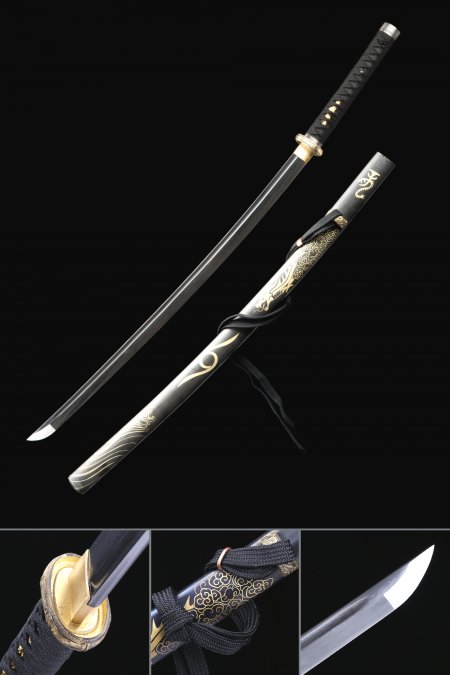
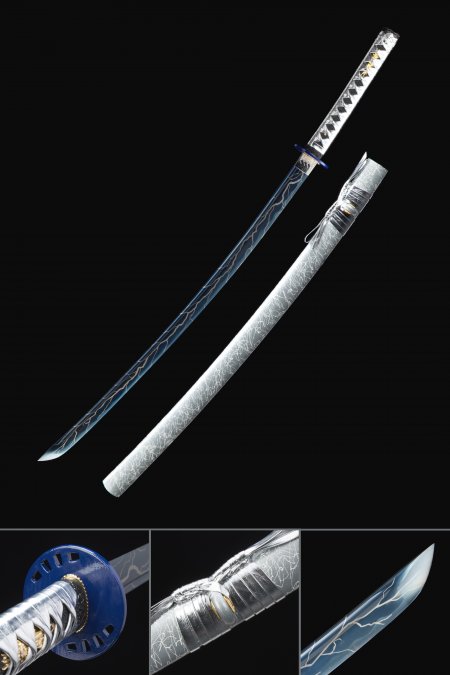
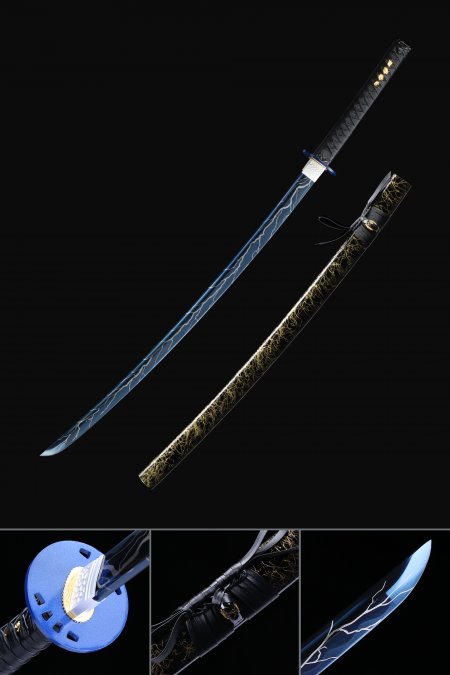
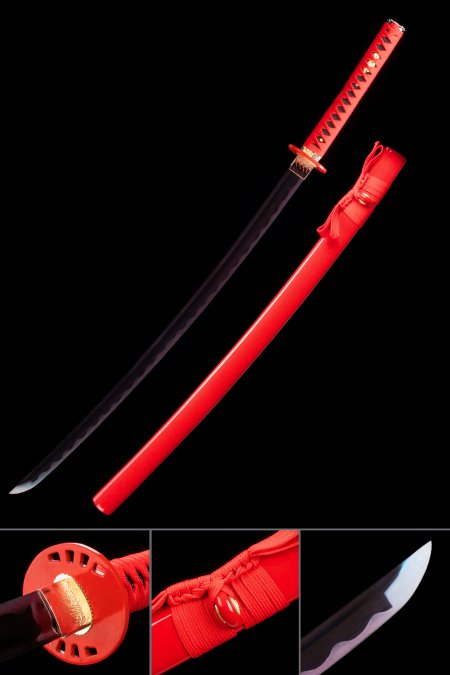
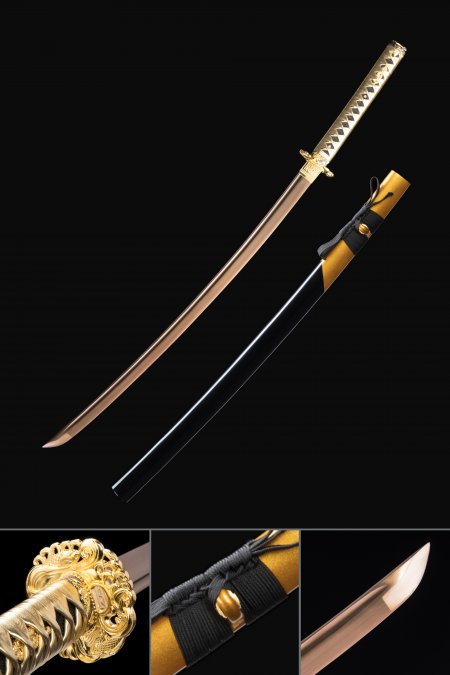
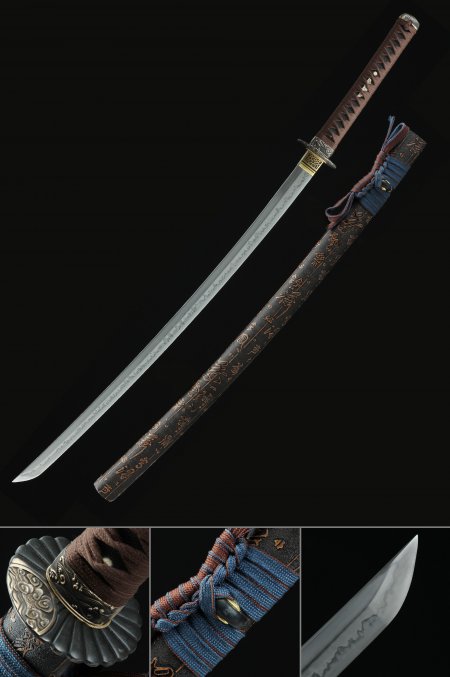
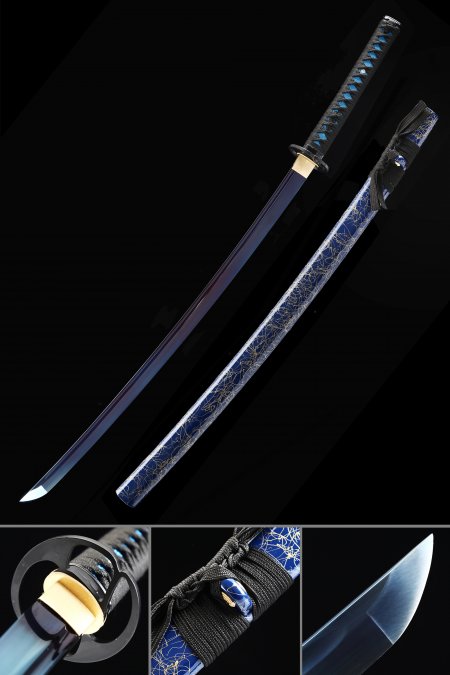
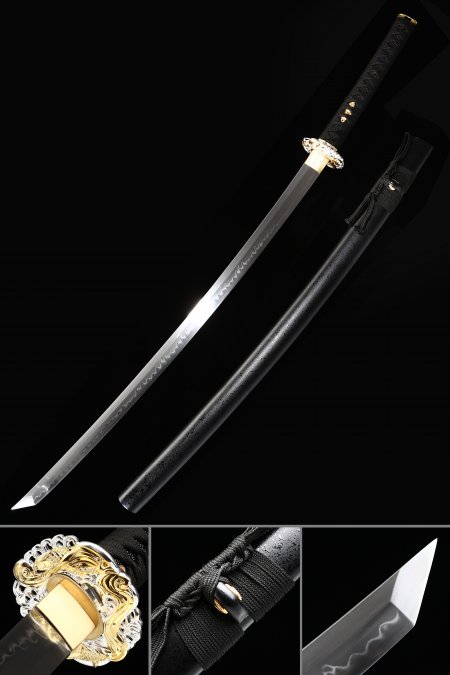
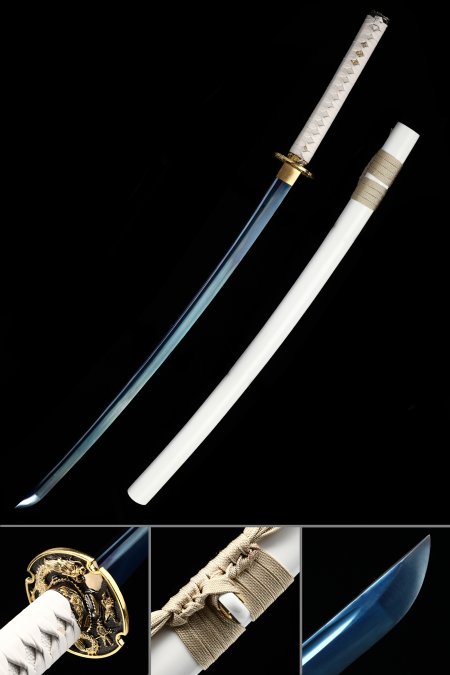
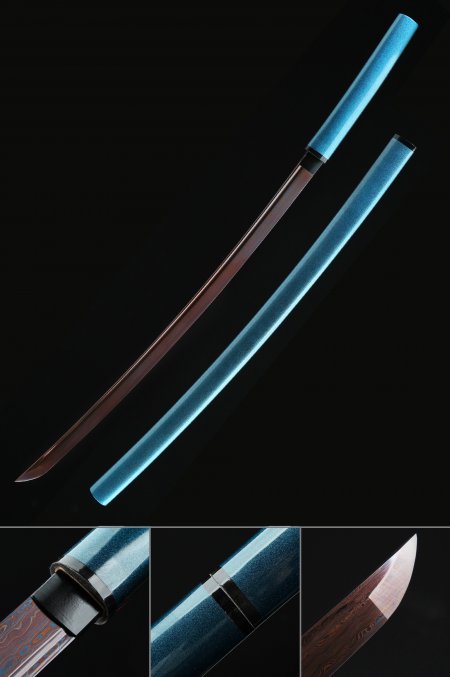
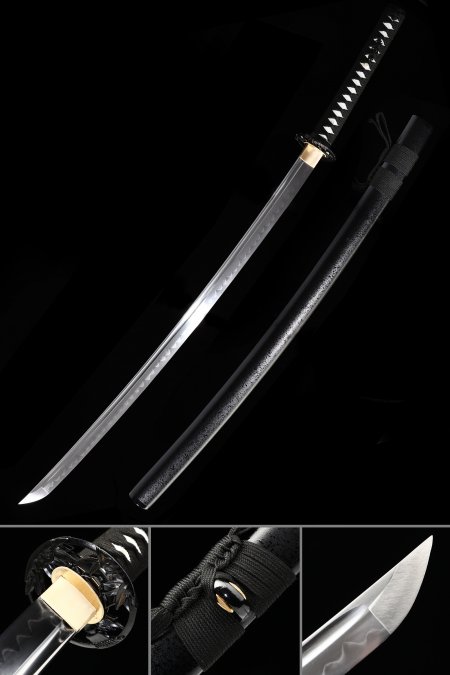
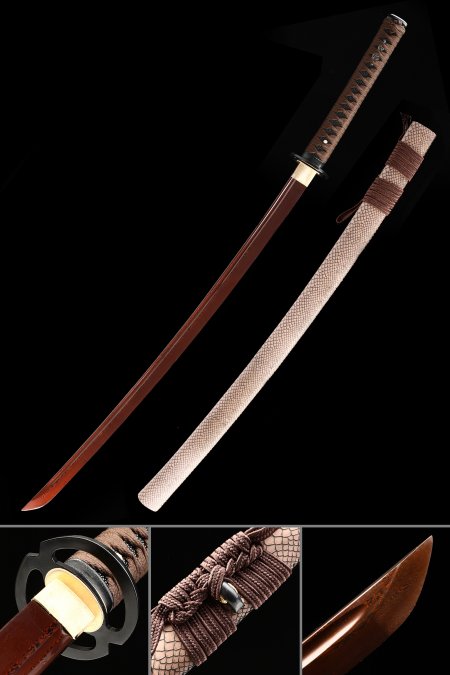
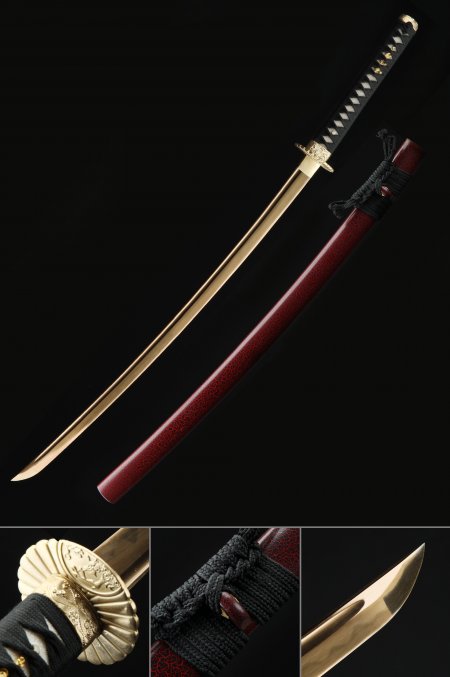
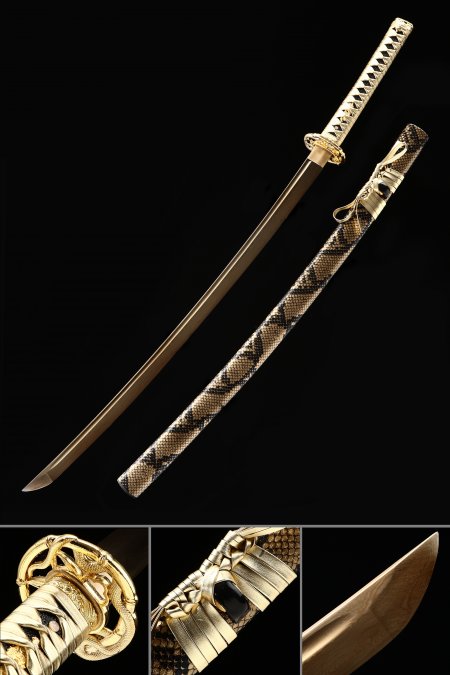
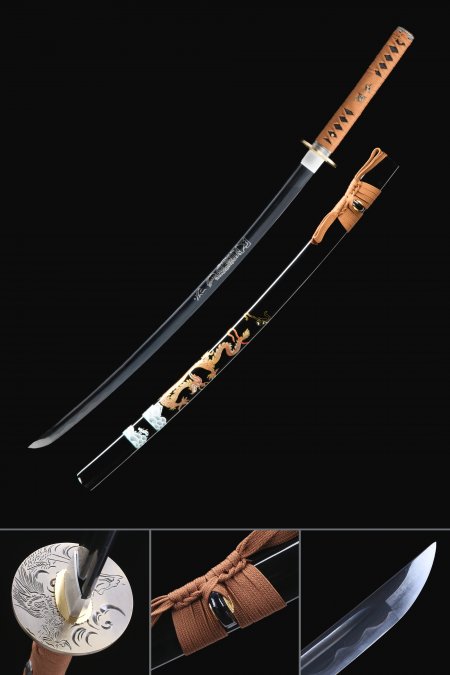
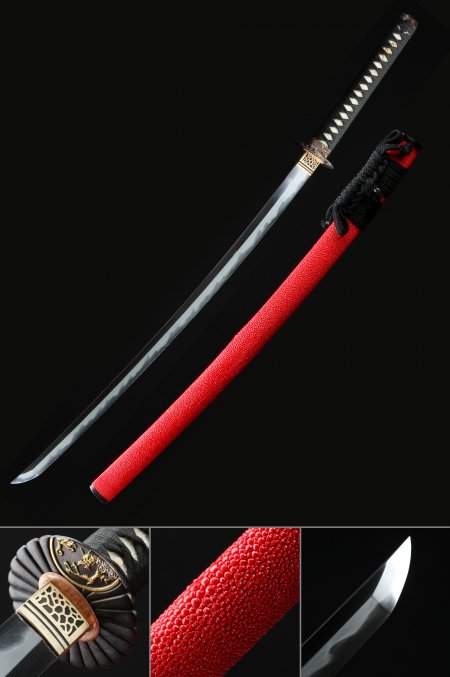
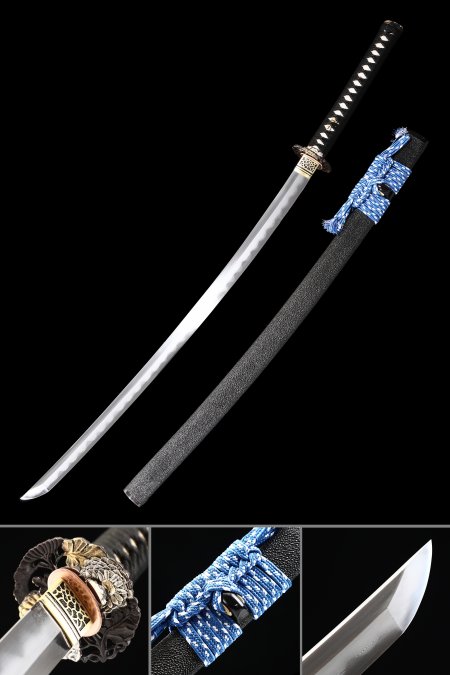
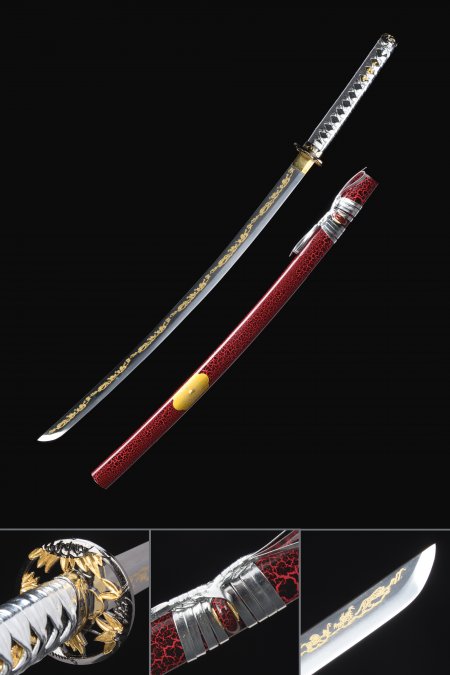
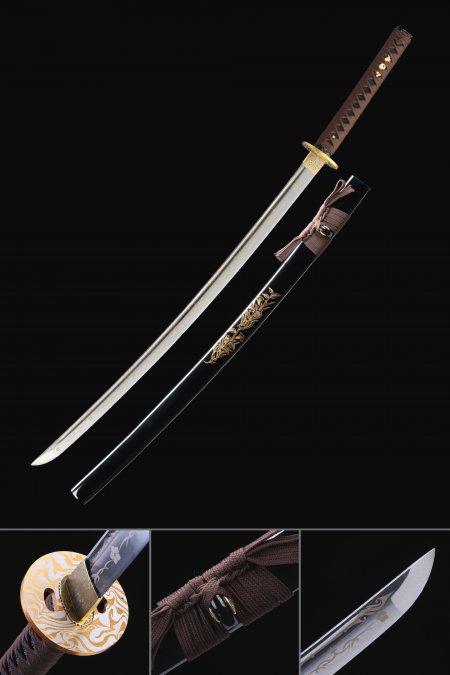
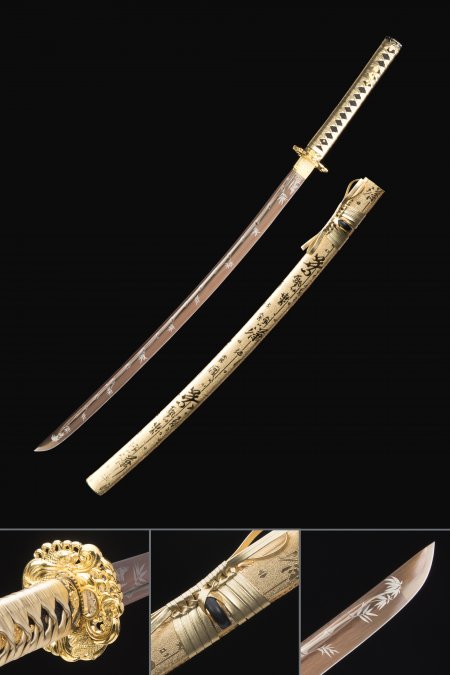
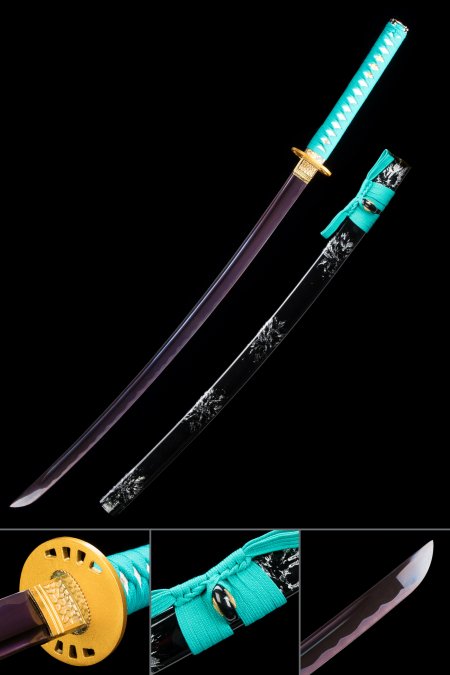
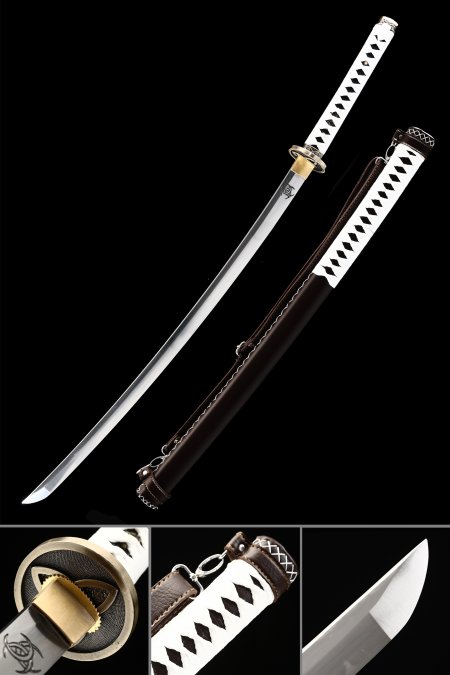
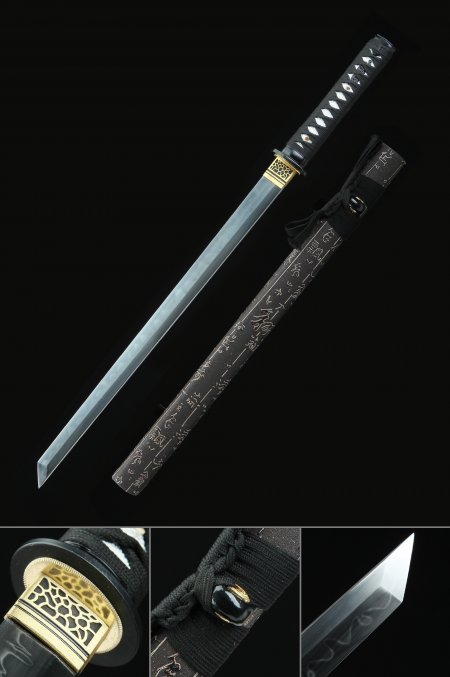
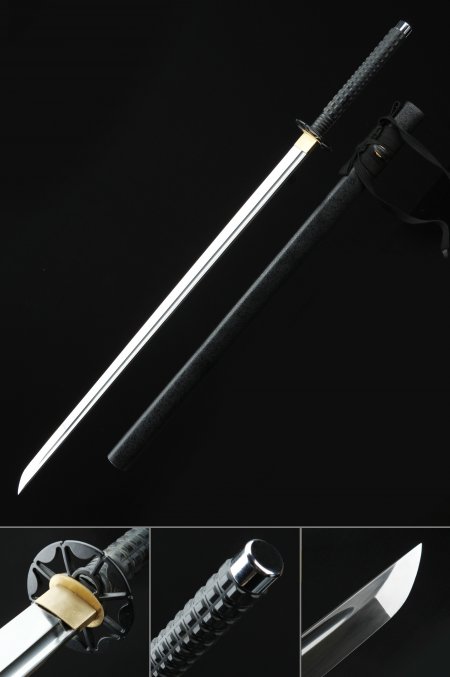
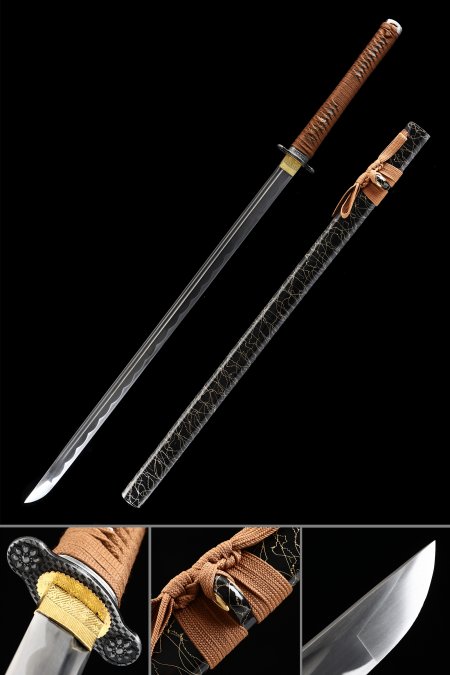
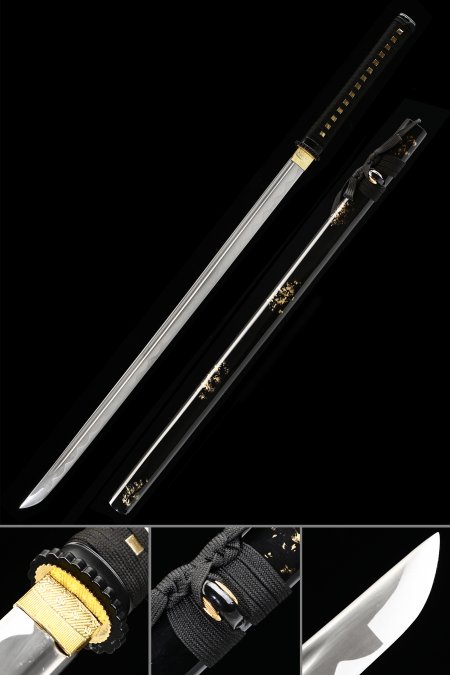
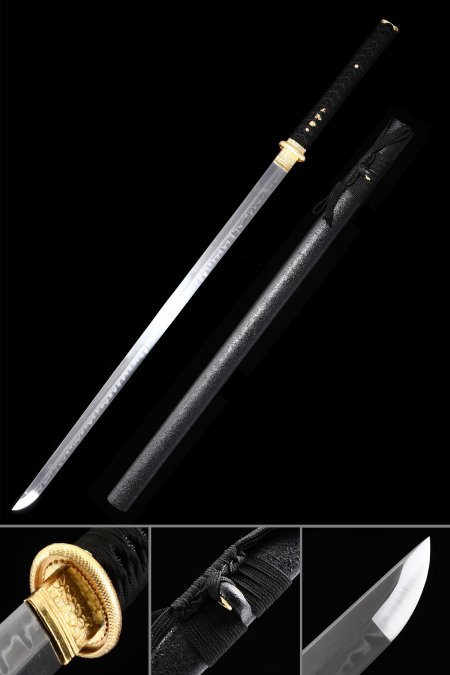
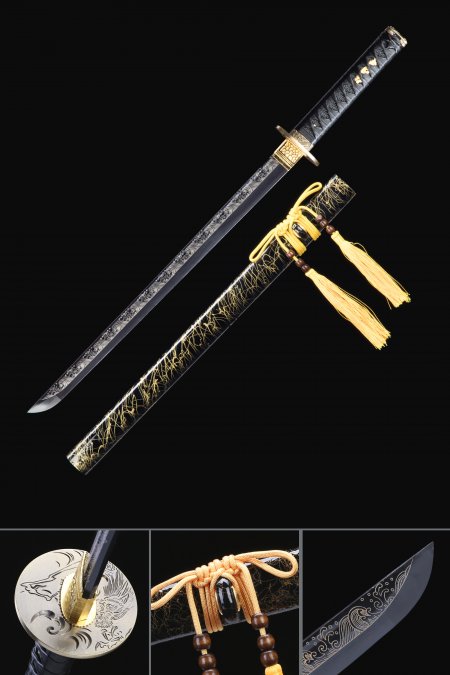
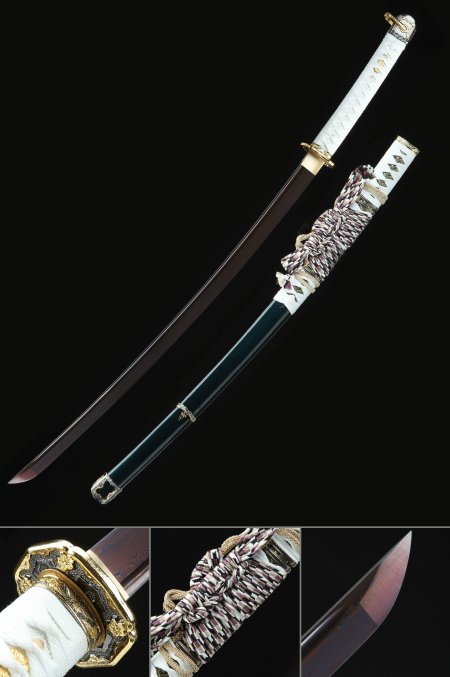
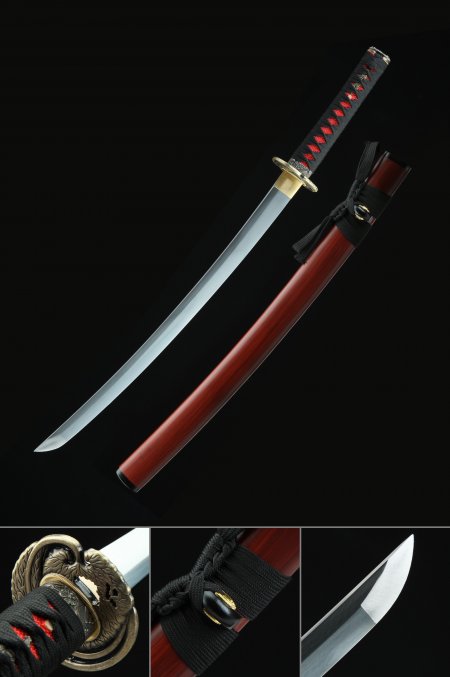
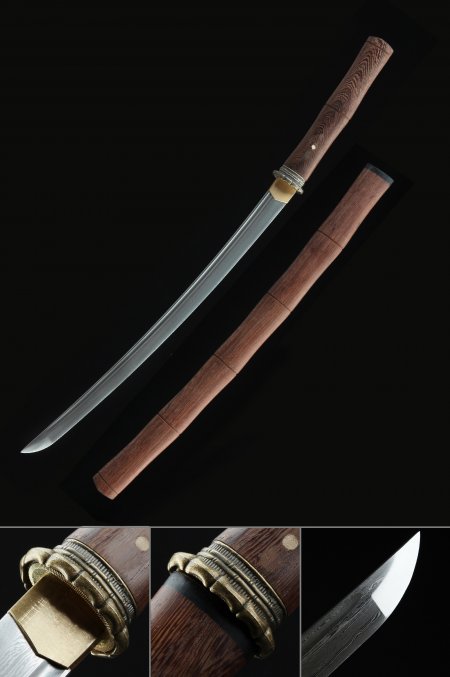
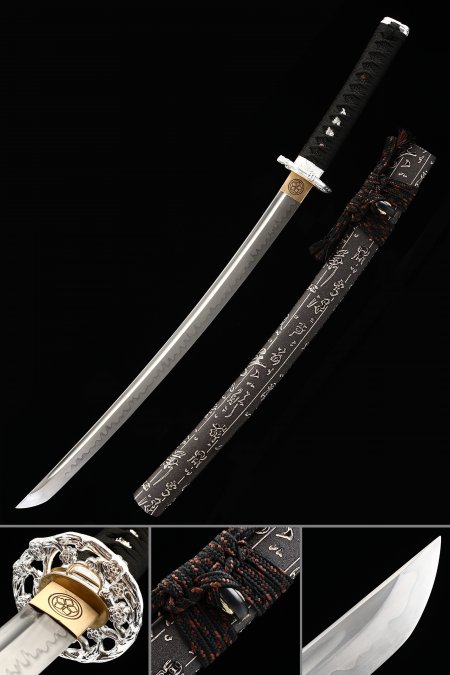
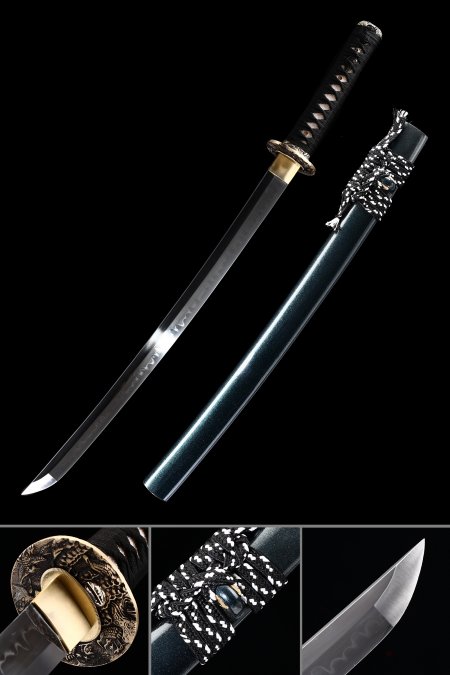
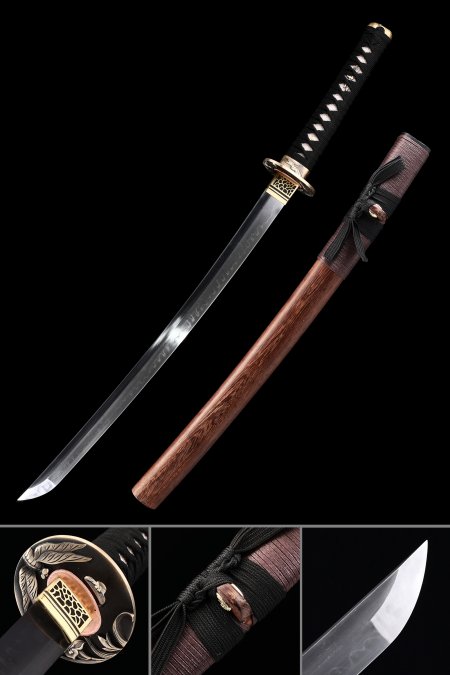
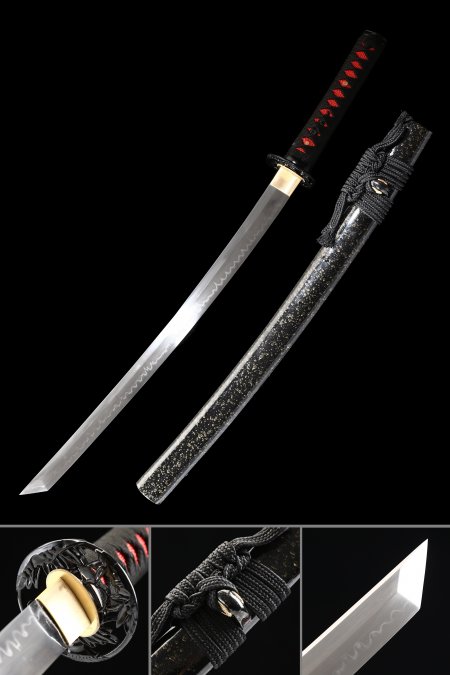
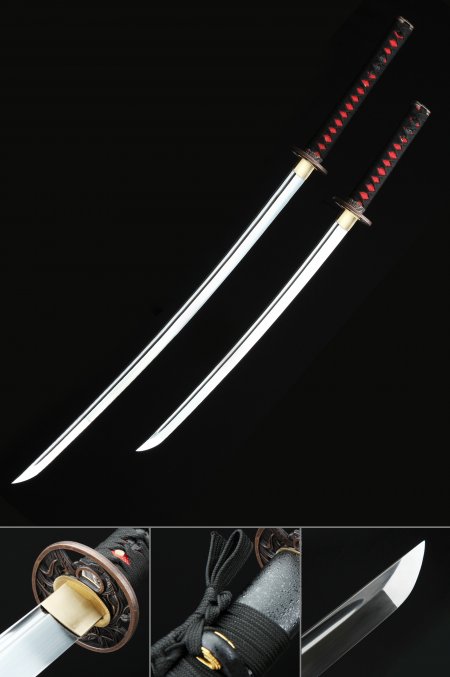
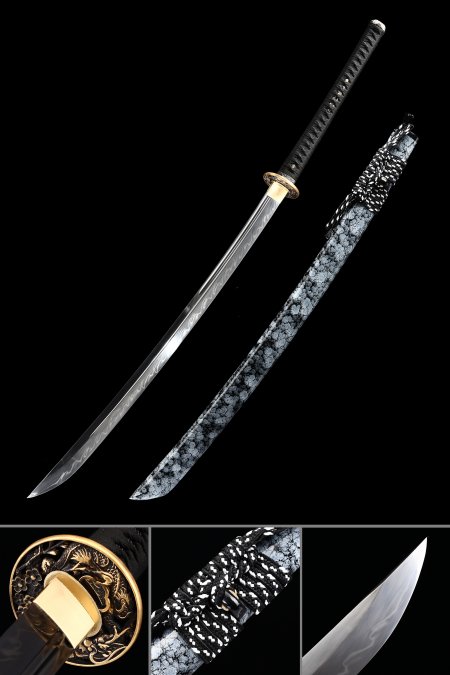
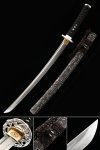
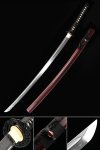
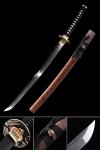
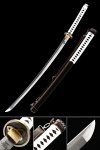
Ancient Chinese steel swords in this collection use the main high-carbon grades appropriate to quality historical sword collecting. Manganese Steel is the primary grade across the collection for its exceptional surface hardness and consistent finish quality well suited to the clean geometric profiles of Chinese jian and dao forms. The surface hardness of Manganese Steel also gives the finished blade a refined, consistent finish that complements traditional Chinese sword lacquer and fitting treatments. 1095 carbon steel with approximately 0.95% carbon content is used in premium jian pieces, providing significant blade hardness and excellent surface quality. 1045 carbon steel provides reliable full-tang construction at accessible price tiers. Damascus steel ancient Chinese swords combine fold-forged layered patterning - a technique with genuine historical roots in Chinese metallurgy - with the historical Chinese blade profiles. All grades are high-carbon rather than stainless, confirming proper heat treatment and genuine blade hardness distinguishing these from decorative alternatives.
How did ancient Chinese smiths develop steel-making techniques?
Ancient Chinese smiths developed steel-making capabilities independently of other civilizations and in many cases earlier than comparable advances elsewhere in the world. The Chinese cast iron tradition, which produced blast furnace technology by the 3rd century BCE, gave Chinese smiths access to high-carbon iron at a scale that other cultures could not match for centuries. From cast iron, Chinese smiths developed decarburization processes that allowed the controlled reduction of carbon content to produce workable steel of specific hardness grades. By the Han Dynasty period, Chinese steel production was sophisticated enough to produce the jian swords that were the prestige blades of the empire, with blade quality that required careful control of carbon content and heat treatment to achieve the combination of hardness and toughness needed for a sword blade. Pattern-welding and layered steel techniques - a form of Damascus production - are documented in Chinese sword-making texts from the first millennium CE, demonstrating that Chinese smiths independently developed the fold-forging approach that produced layered steel patterns in parallel with Middle Eastern Damascus traditions.
What is full-tang construction and why does it matter for ancient Chinese swords?
Full-tang construction means the blade steel extends from the tip through the complete handle body rather than ending at the guard where a separate handle is attached. In a full-tang ancient Chinese sword, you are handling a single continuous piece of steel from blade tip to the end of the handle, with the handle materials attached as scales or wrapping to the sides of the tang and secured by a pin or pommel. This construction gives the sword both structural integrity and the weight distribution that comes from steel running through the complete handle. Partial-tang or rat-tail tang construction - where only a narrow extension of the blade enters the handle - is structurally weaker and is typical of decorative replicas rather than serious collectibles. For ancient Chinese sword collecting, full-tang construction in high-carbon steel is the indicator that a piece meets the material standards appropriate to a genuine collectible. It confirms that the blade steel is the same material from tip to end, has been properly heat-treated, and that the handle assembly is attached to the blade with structural integrity rather than a minimal connection that could fail under normal handling.
How do I verify that an ancient Chinese sword is genuine high-carbon steel?
Verifying that an ancient Chinese sword uses genuine high-carbon steel involves several reliable indicators visible in both the product specifications and the physical blade. The product description should explicitly name the steel grade as Manganese Steel, 1095, 1045, Damascus, or another specific high-carbon grade - generic descriptions using 'stainless steel' or '440 stainless' indicate a chromium-rich grade that cannot be properly heat-treated and is inappropriate for serious collecting. Full-tang construction with a visible retention pin through the handle body confirms that the blade steel runs completely through the handle rather than attaching via a separate extension. High-carbon steel will develop surface oxidation if exposed to moisture without protective oil - if the blade requires regular oiling to prevent rust, it is almost certainly high-carbon. Stainless steel will not rust regardless of moisture exposure. The blade's weight is also an indicator: high-carbon steel ancient Chinese swords have appropriate weight for their blade dimensions, while decorative alternatives in lightweight alloys feel noticeably lighter than the dimensions would suggest for steel. All ancient Chinese steel swords in this collection use named high-carbon grades with full-tang construction.