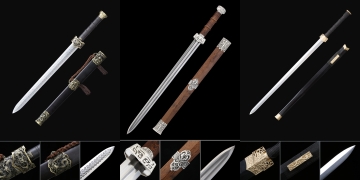
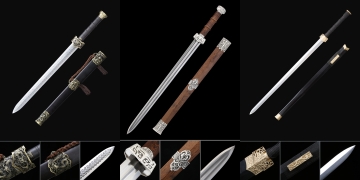
What ancient Chinese military sword forms are most historically significant?
The most historically significant ancient Chinese military sword forms are the jian and the dao, each dominant in different periods and military roles. The jian's military significance is concentrated in the Han Dynasty period, when it was the prestige blade of officers and the official sword of the imperial military establishment. Han Dynasty jian production was extensive and state-organized - archaeological excavations of Han period military sites have recovered large numbers of iron jian of consistent quality, demonstrating the scale and standardization of Han military sword production. The dao's military significance spans a longer period from the Tang Dynasty through the late imperial era - the dao's curved single-edged blade proved more effective than the jian for the cavalry and close-order infantry tactics that became dominant in Chinese military practice, and it gradually displaced the jian as the primary military sword while the jian retained its prestige role among officers and scholars. Both forms are directly connected to specific periods of Chinese military history where their use is documented in historical records.
How did ancient Chinese military sword quality compare to swords from other cultures?
Ancient Chinese military sword quality was among the highest in the pre-modern world, reflecting China's advanced metallurgical tradition and the state's investment in military equipment production. The Han Dynasty's iron and steel swords represented a significant technological advantage over contemporaneous cultures still producing bronze weapons - the Chinese transition to iron military swords was earlier and more comprehensive than equivalent transitions in most other major civilizations. The specific blade quality of Han Dynasty jian, documented through archaeological analysis of surviving examples, shows carbon content, grain structure, and heat treatment sophistication comparable to the finest sword-making of later periods in other cultures. Tang Dynasty military swords continued this tradition of state-organized quality production, with the Tang military establishing the equipment standards that influenced both later Chinese sword development and the early Japanese sword tradition. The Chinese military sword tradition's historical quality advantage came from the combination of advanced metallurgical knowledge, large-scale organized production, and the sustained state investment in military equipment that defined Chinese imperial military culture.
What role did the jian play in ancient Chinese military culture beyond its use as a sword?
The jian's role in ancient Chinese military culture extended far beyond its function as a fighting instrument, encompassing philosophical, status, and cultural dimensions that made it one of the most symbolically loaded objects in Chinese civilization. The jian was the sword of the educated officer class - the same class that practiced calligraphy, poetry, and Confucian philosophy alongside military study. Carrying a fine jian was a statement of cultivation and refinement that communicated the bearer's status as a member of the educated gentry who had mastered both the literary and martial arts considered appropriate to the gentleman class. The jian therefore sat at the intersection of Chinese martial and scholarly culture in a way that no other Chinese sword did - it was simultaneously a military instrument and a cultural marker. This dual identity gave the jian a philosophical dimension expressed in classical Chinese texts that describe the ideal jian practitioner as someone whose martial skill was inseparable from their moral cultivation and scholarly achievement. The cultural weight of the jian in this tradition is one of the reasons it remained significant long after the dao had replaced it as the primary military fighting sword.
How do I authenticate an ancient Chinese military sword collectible?
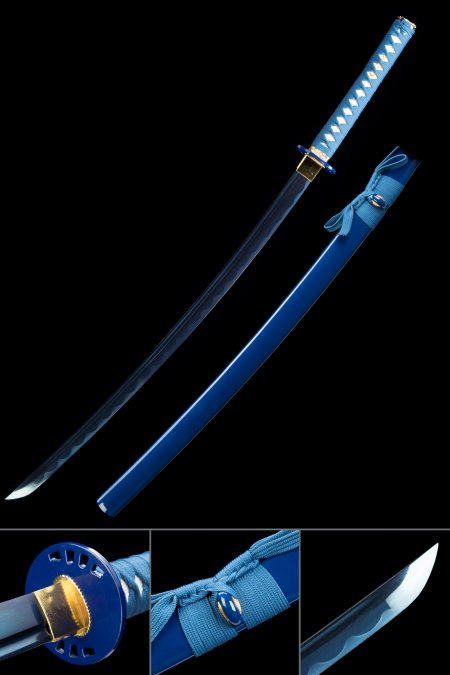
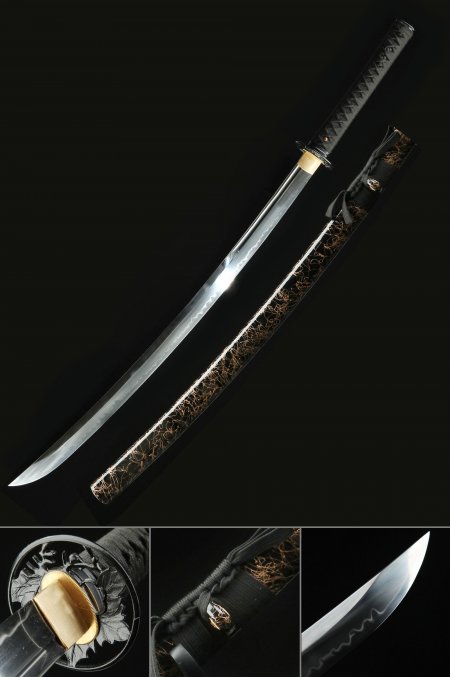
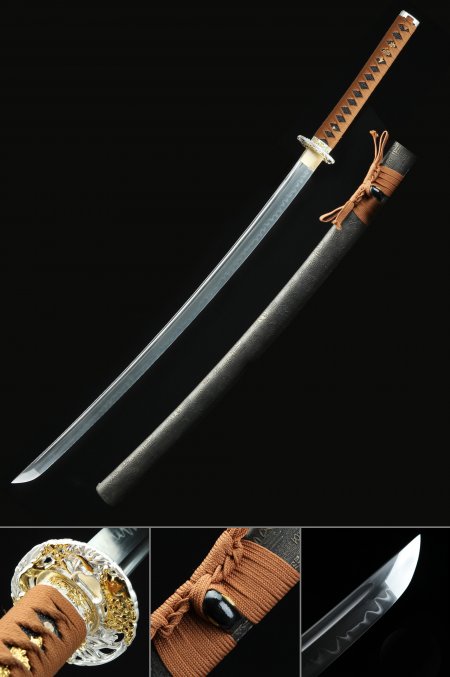
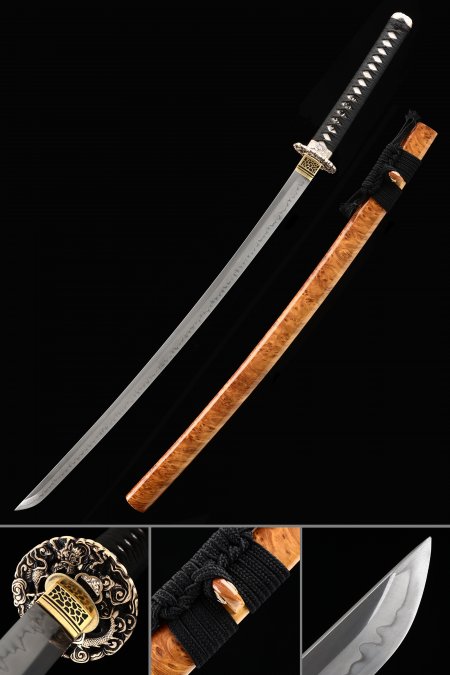
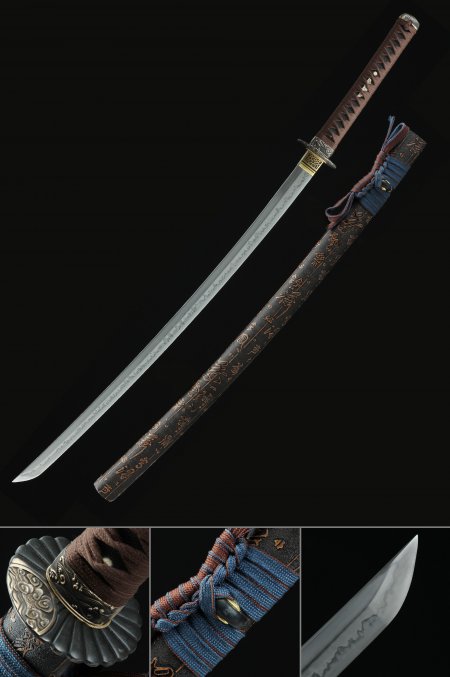
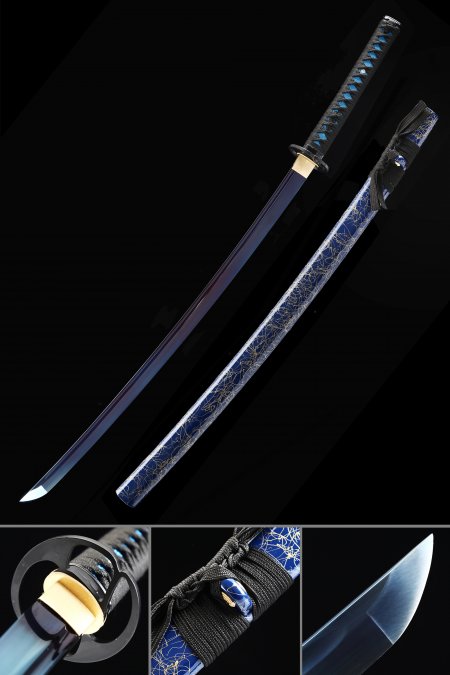
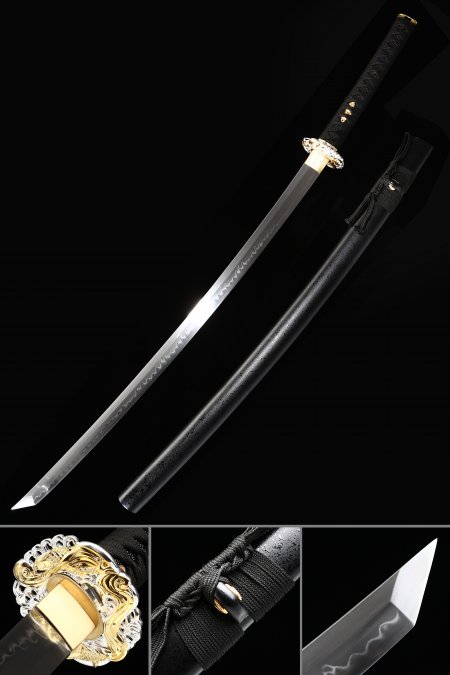
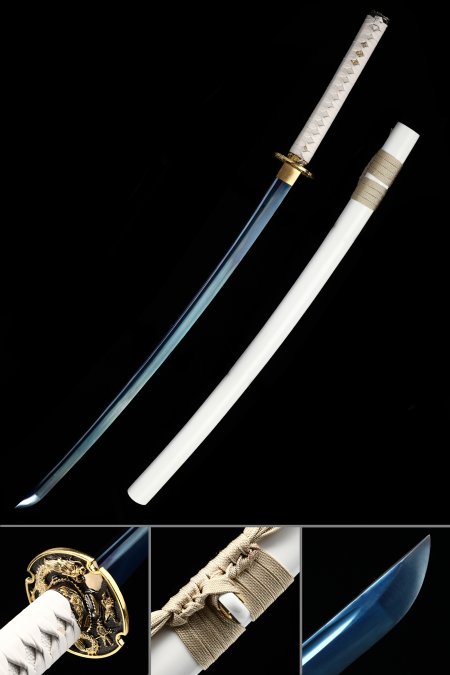
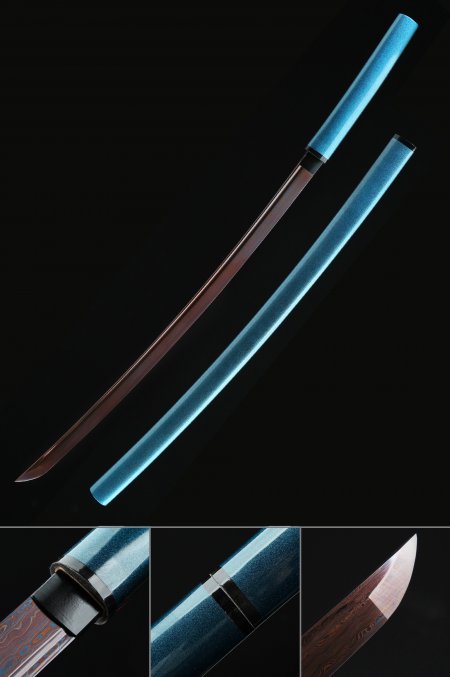
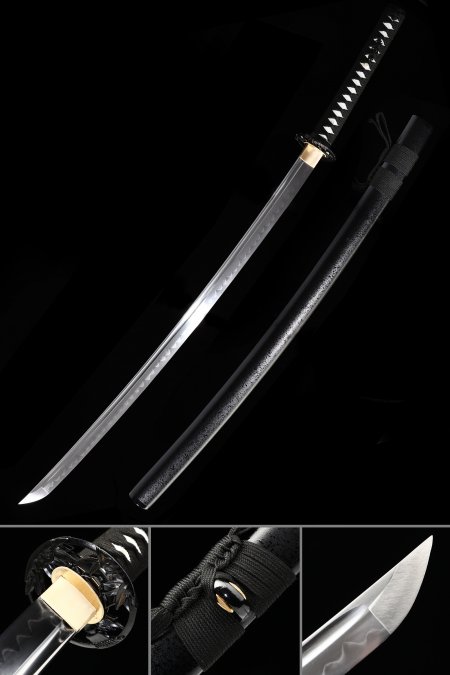
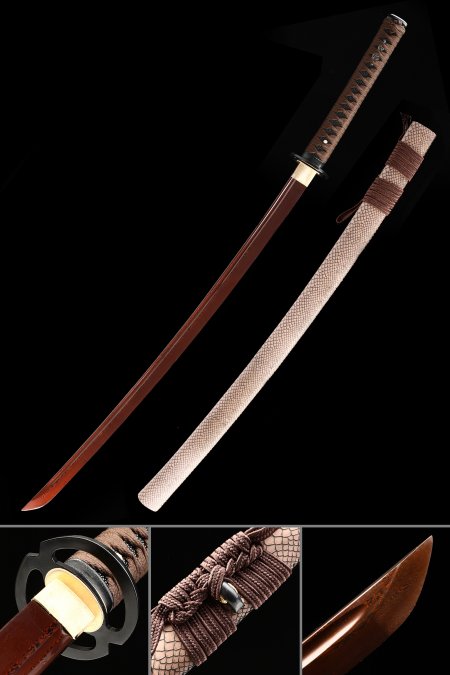
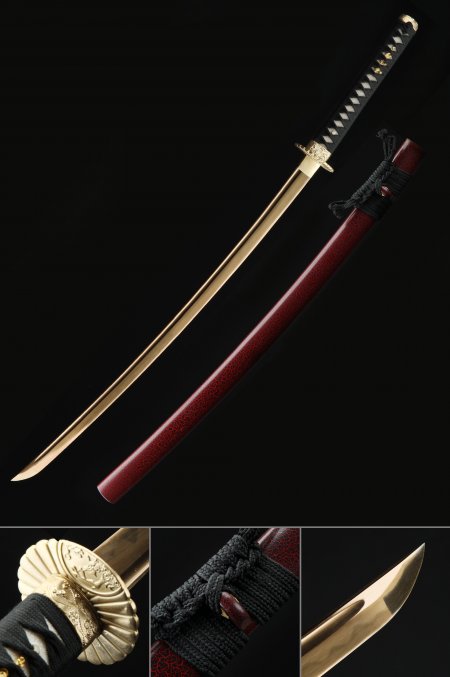
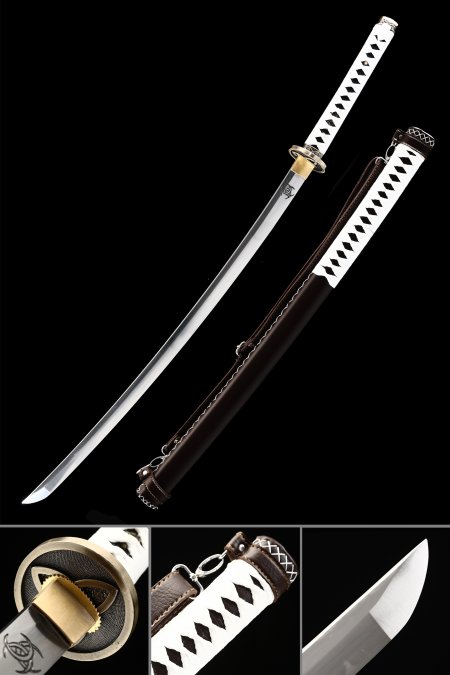
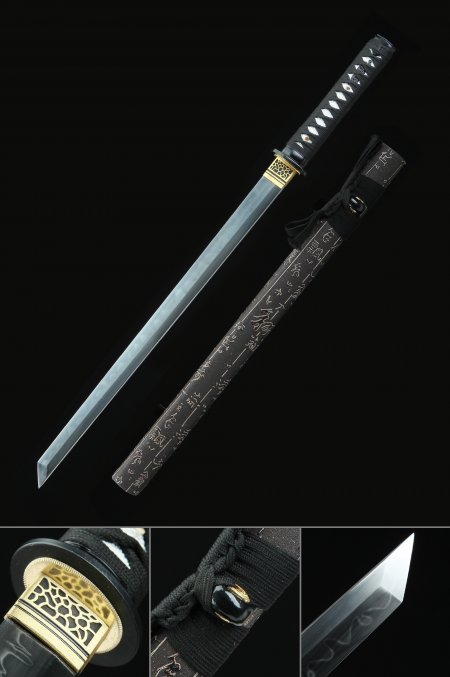
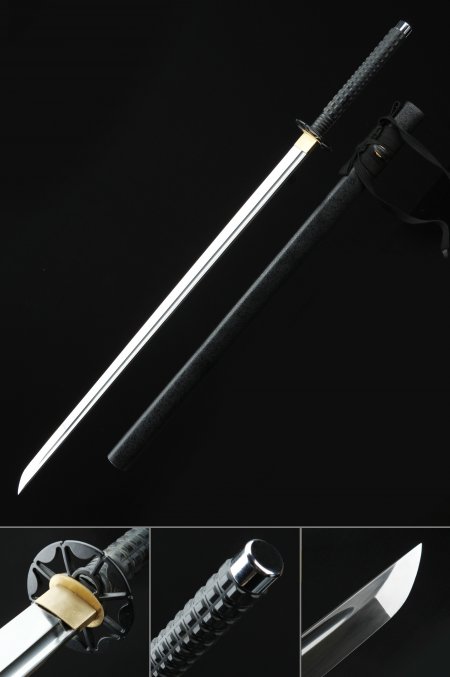
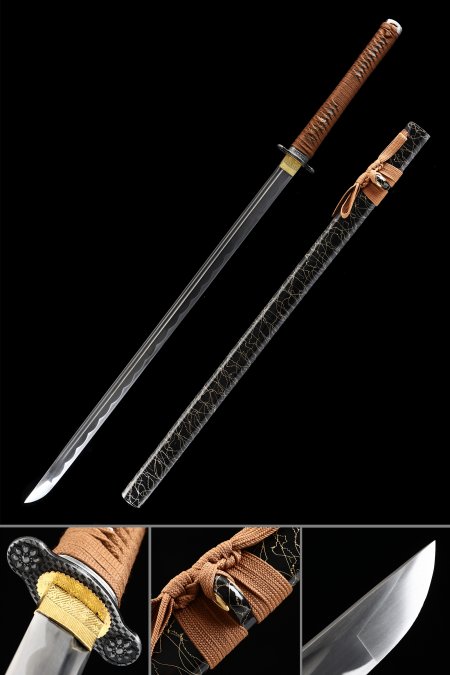
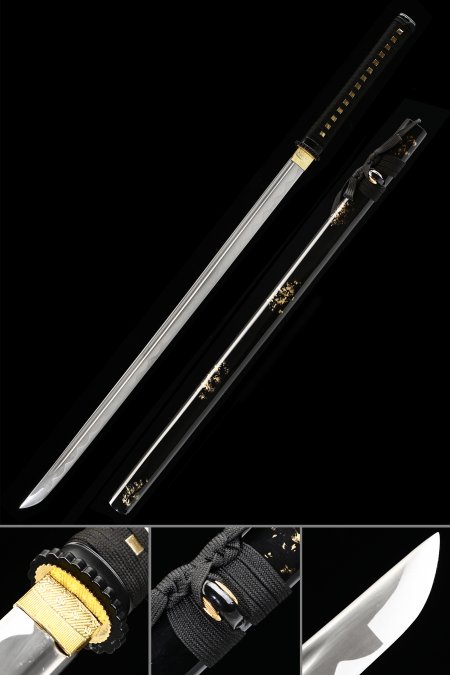
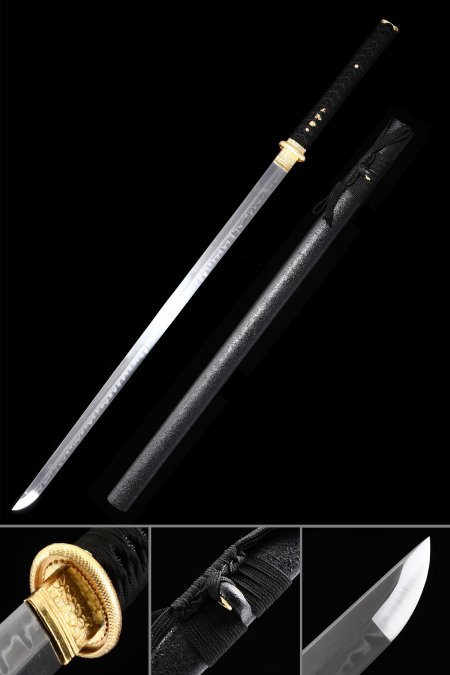
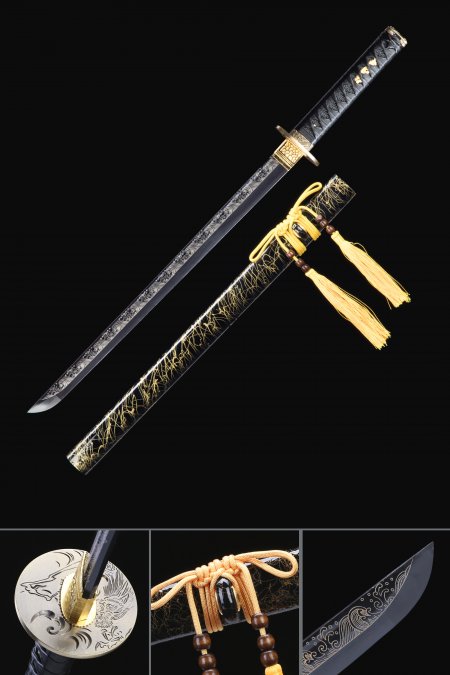
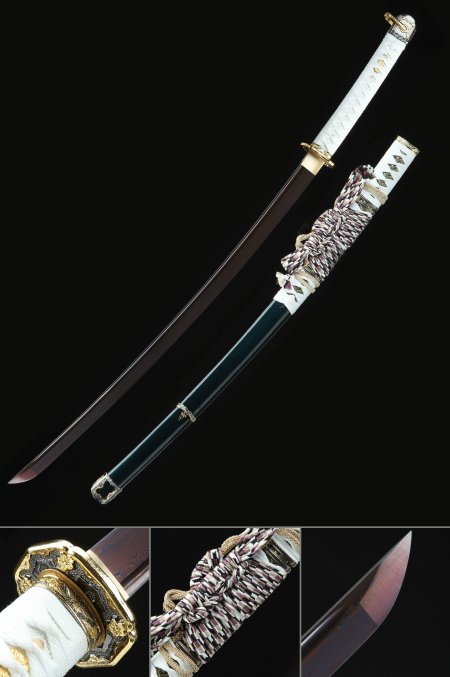
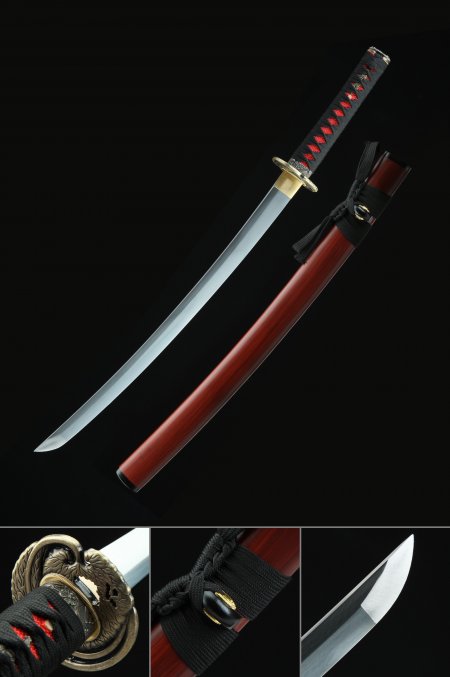
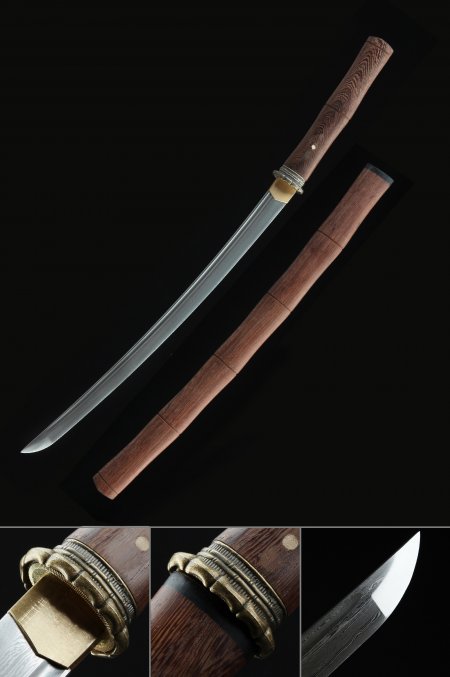
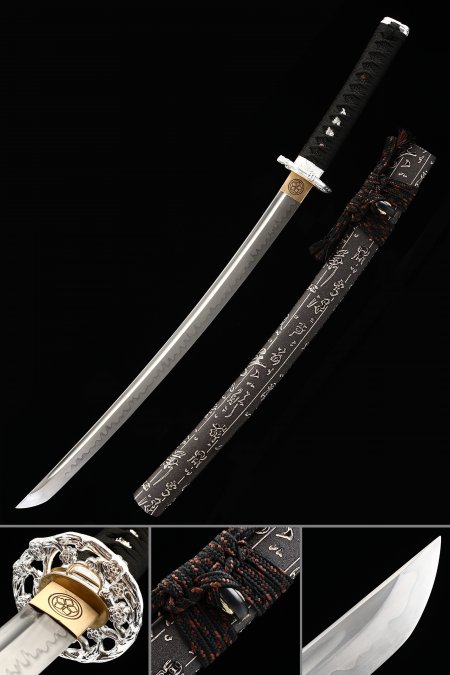
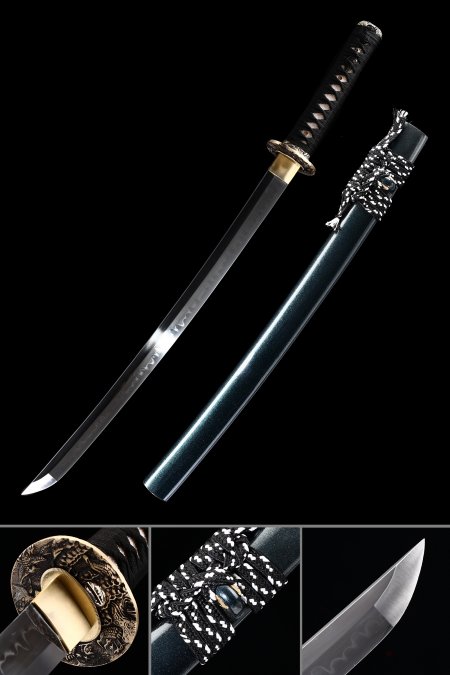
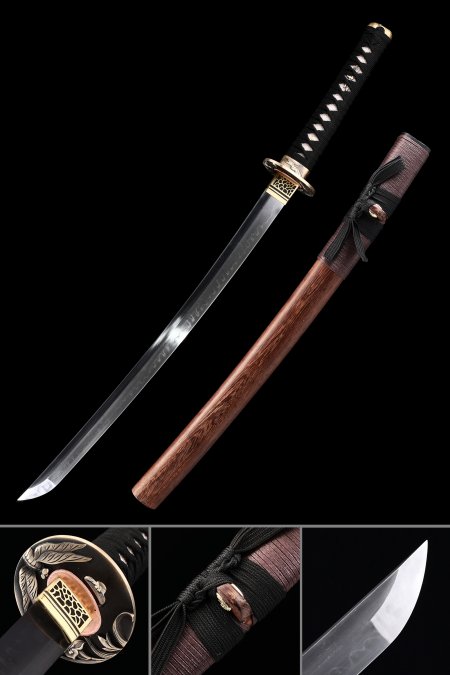
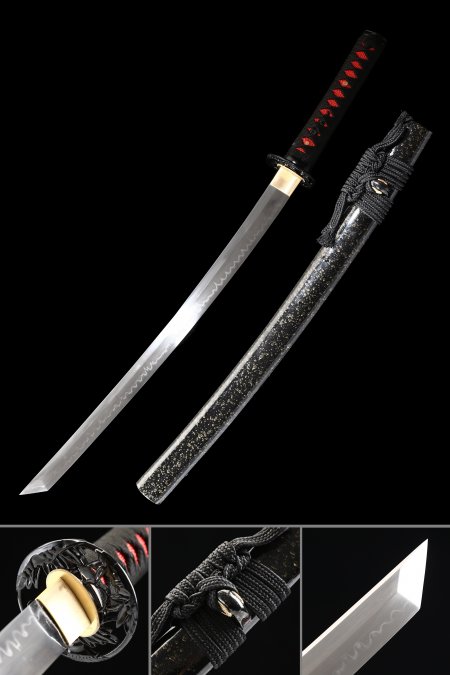
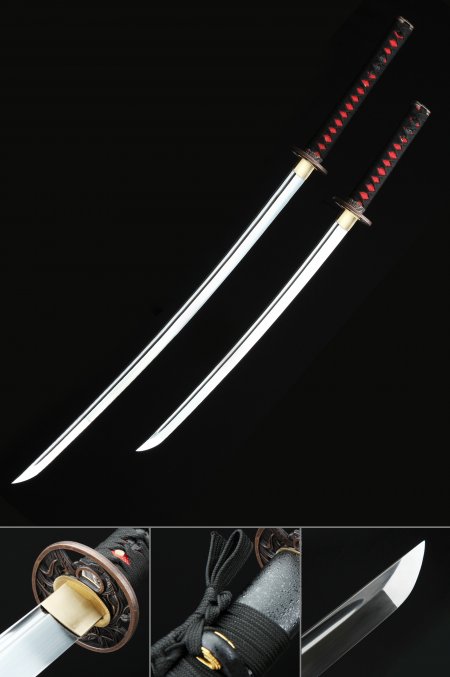
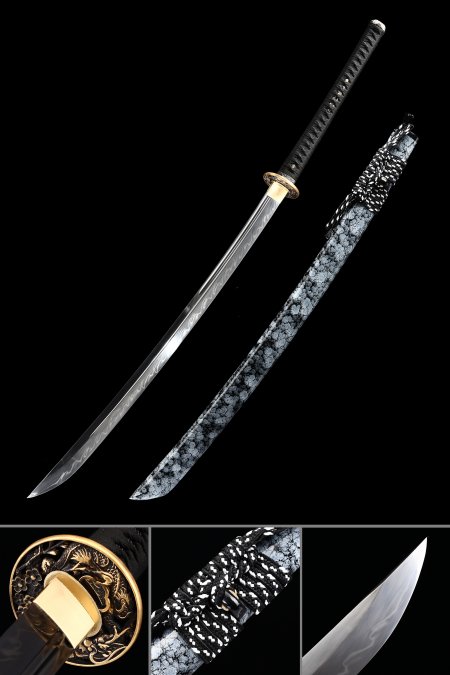
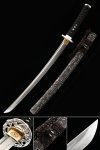
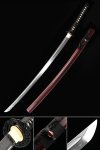
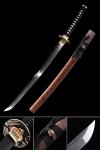
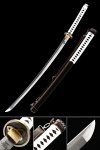
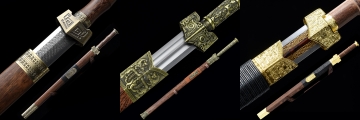
Authenticating an ancient Chinese military sword collectible as a genuine high-quality piece involves evaluating several material and construction indicators. Steel grade identification is the first step: the product description should explicitly name the blade material as Manganese Steel, 1095, 1045, or another named high-carbon grade. Stainless steel or unlabeled steel descriptions indicate lower-quality decorative alternatives. Full-tang construction should be confirmed: the blade steel running from tip through the complete handle body, with a visible retention pin or pommel securing the handle assembly. For claimed Damascus pieces, the layered patterns should be visible on the polished blade surface when drawn and examined under directed light - if no patterns are visible on a claimed Damascus blade, the material claim should be questioned. The sword's physical weight should feel appropriate to high-carbon steel of the stated dimensions - decorative alternatives using lightweight alloys feel noticeably lighter. The scabbard fit should be secure without rattling or excessive play. The fitting assembly should be properly aligned and securely attached throughout.