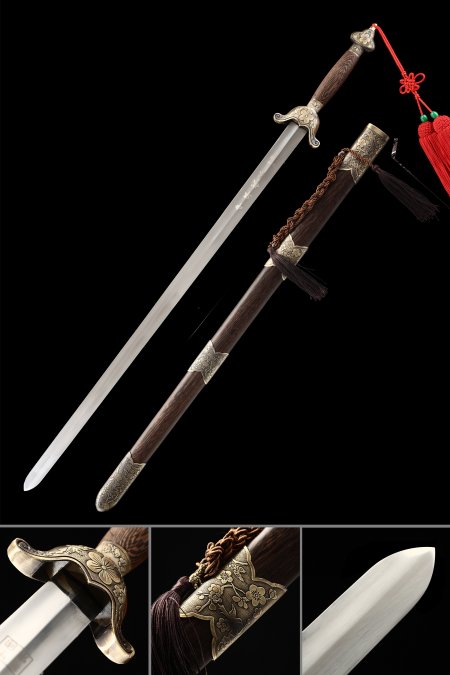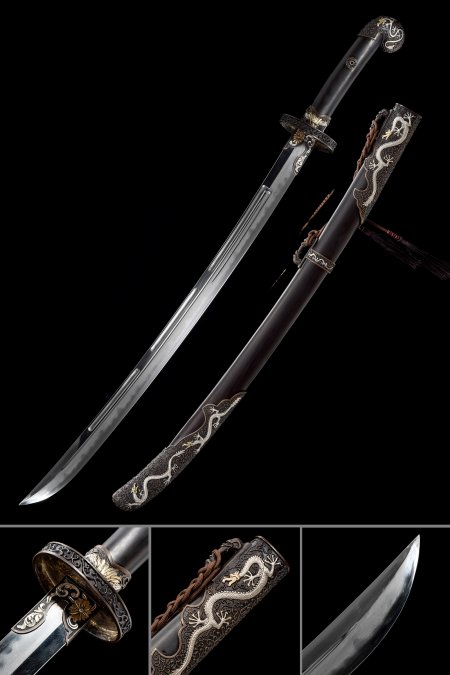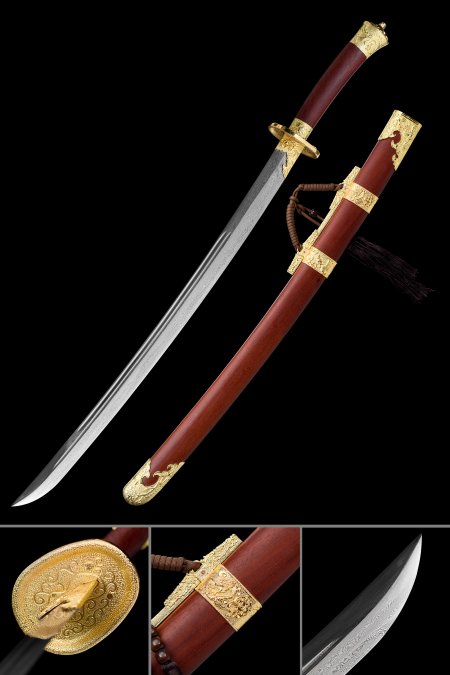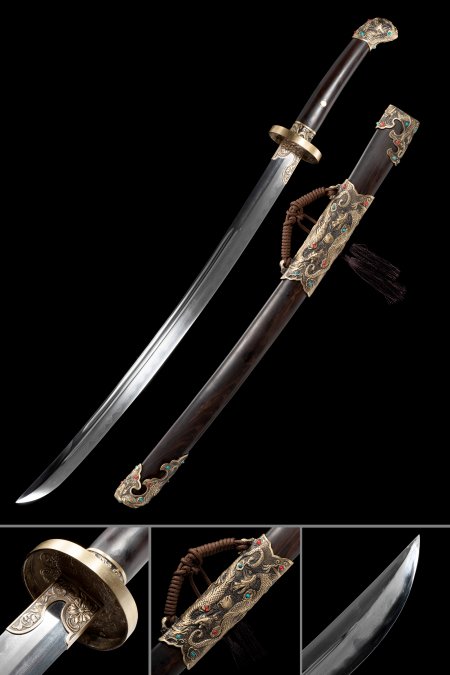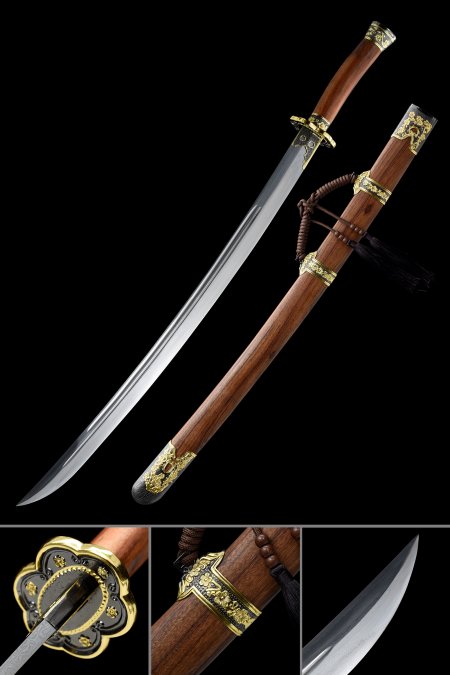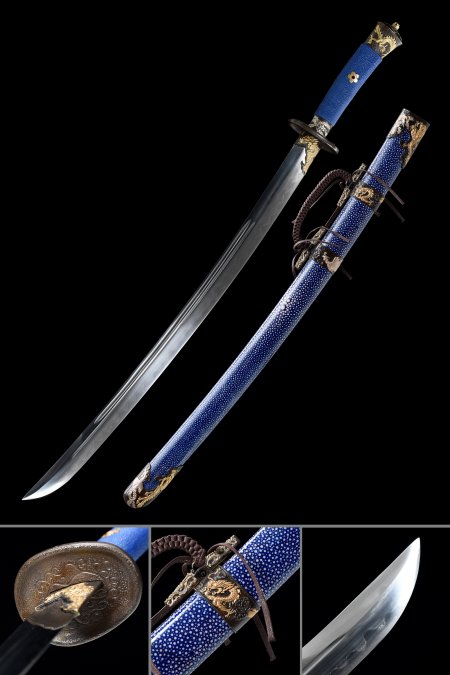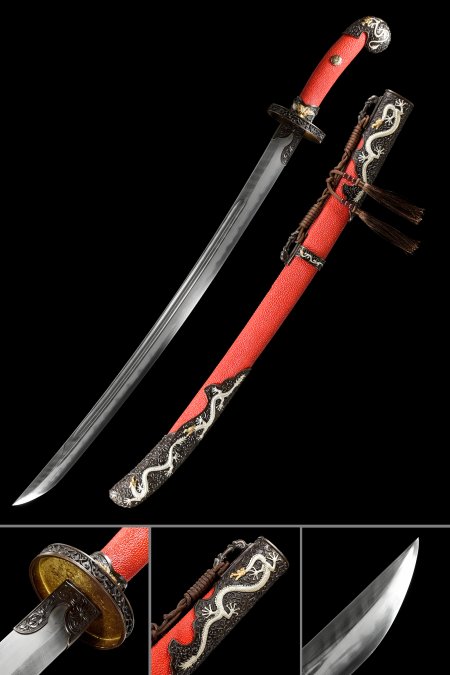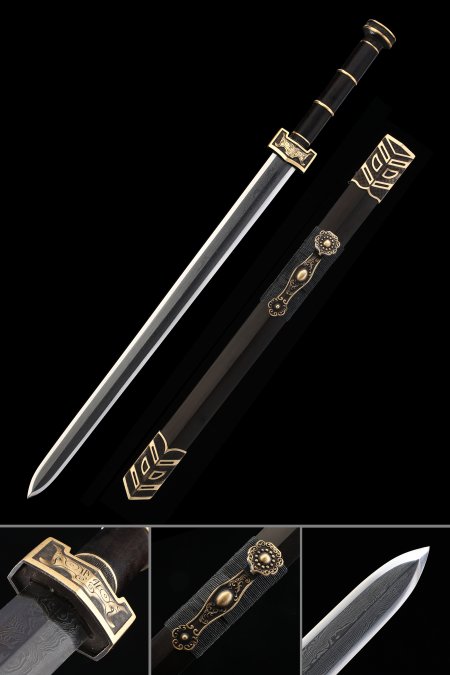
Famous Chinese Swords

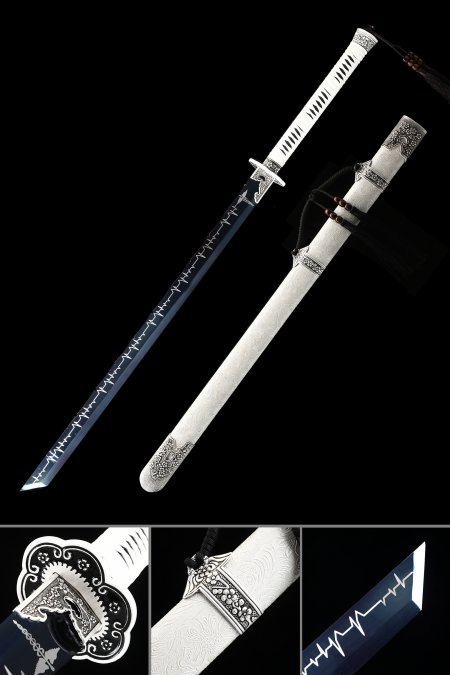
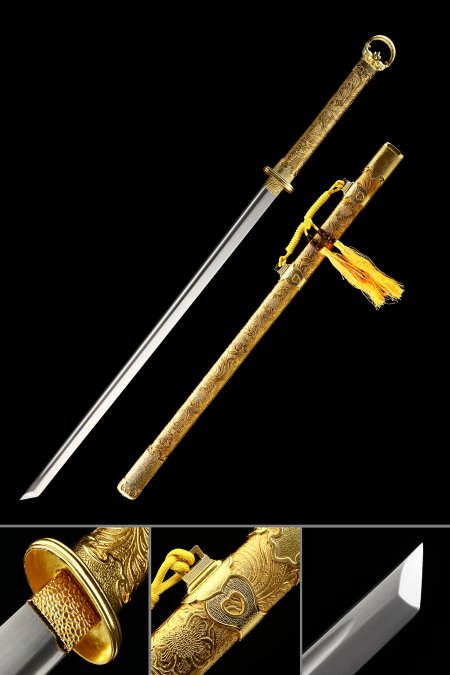
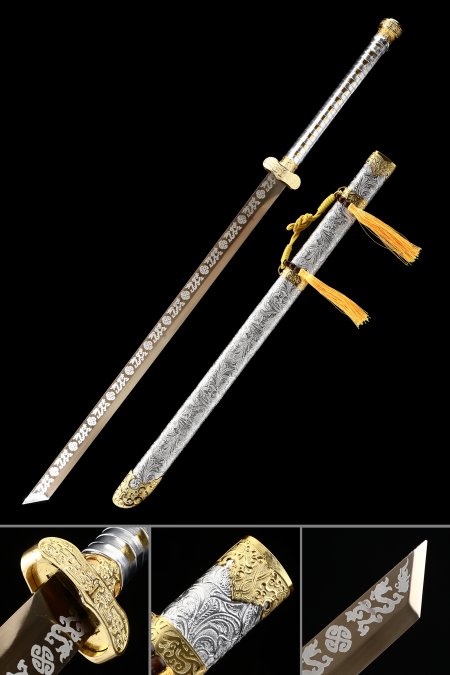
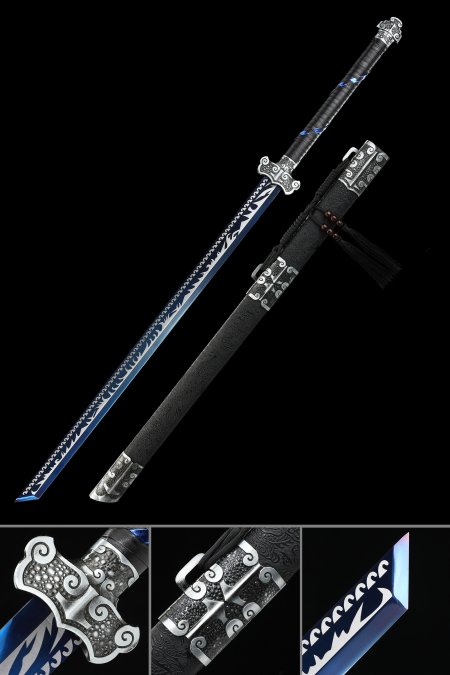
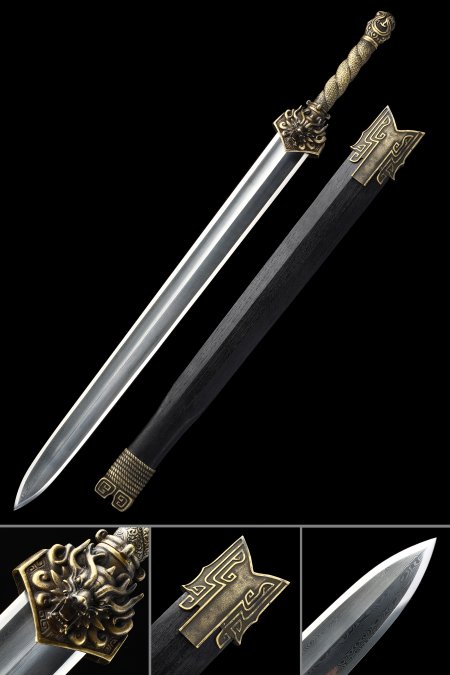
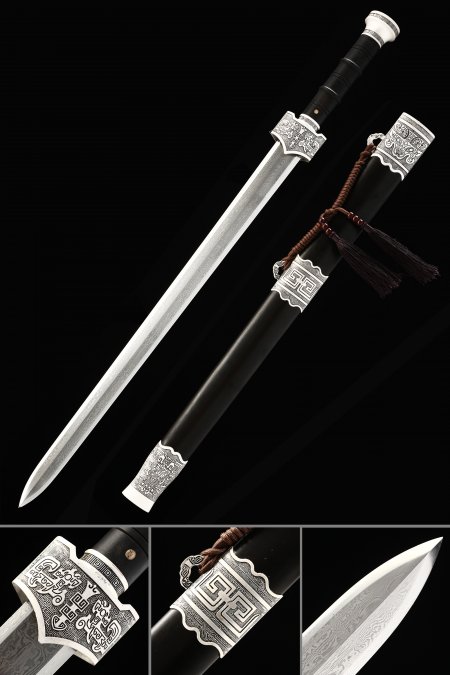
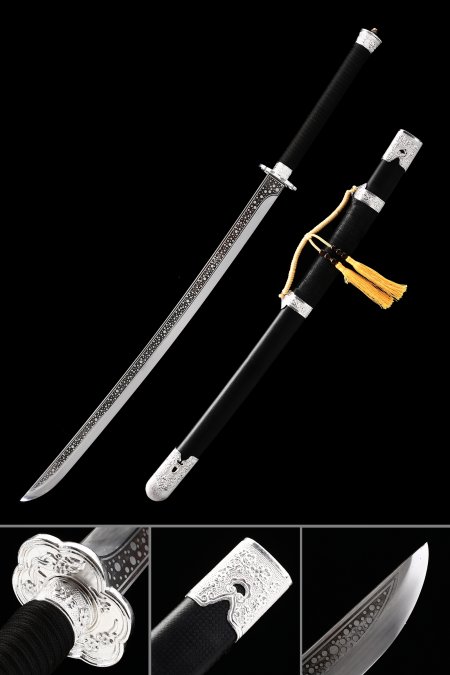
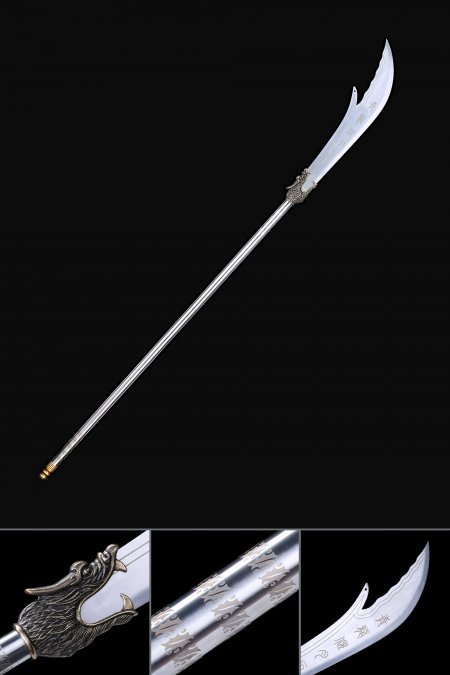
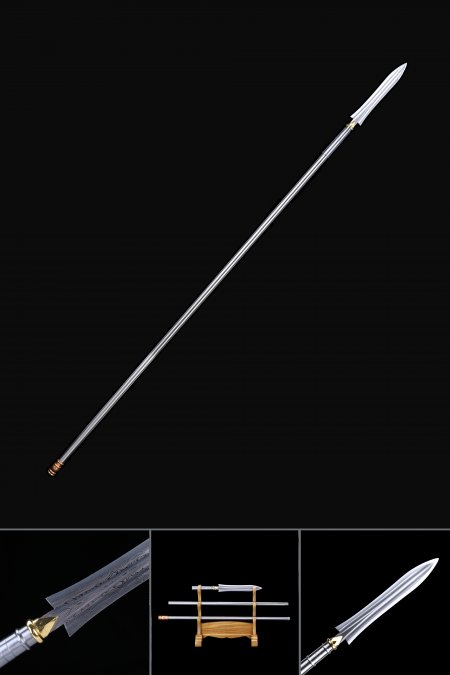
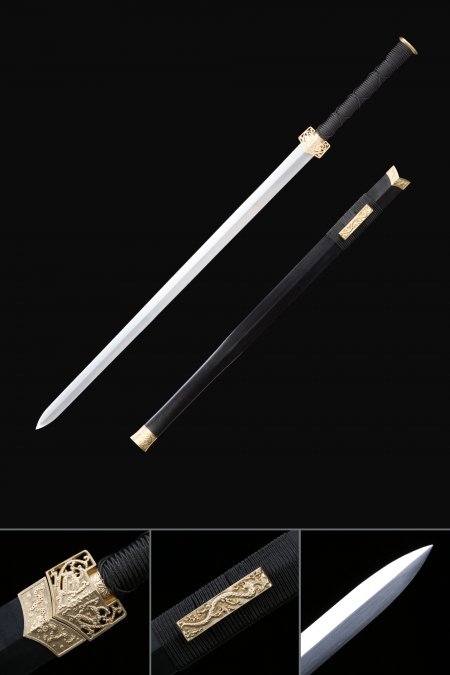
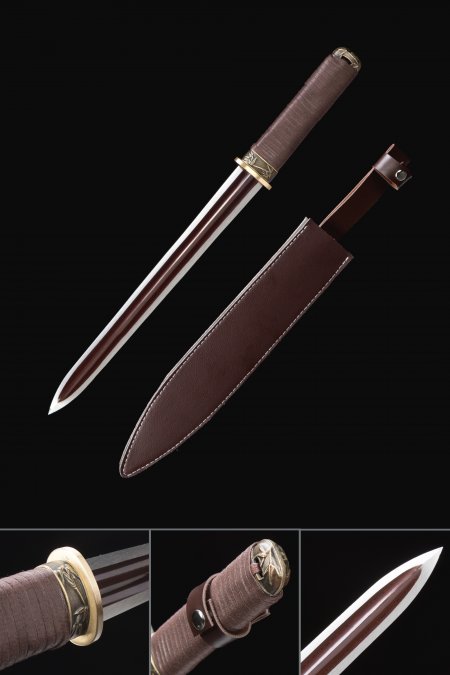
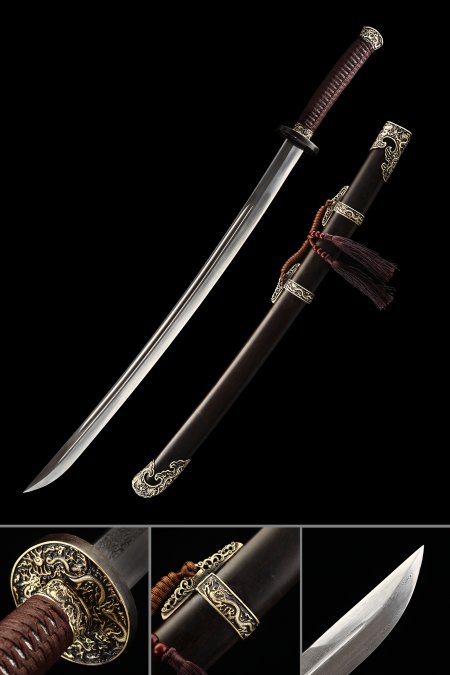
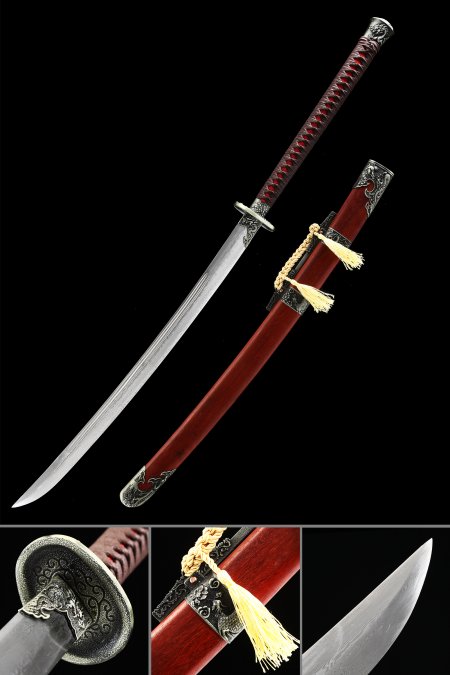
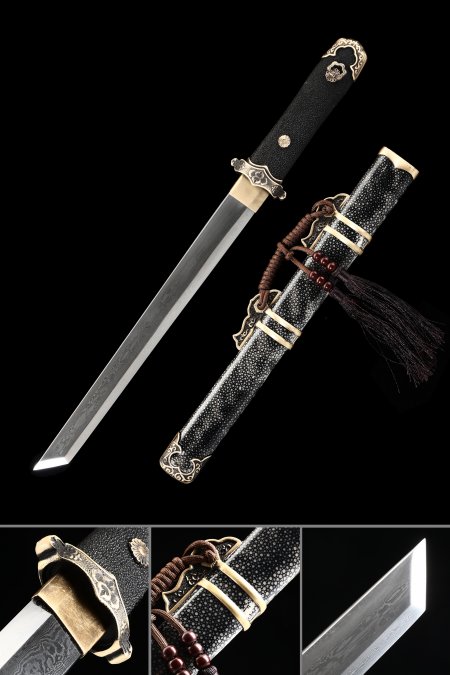
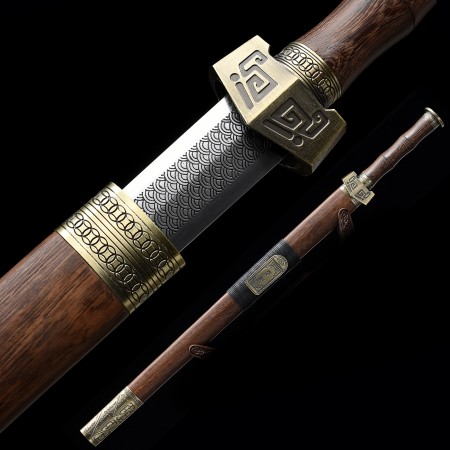
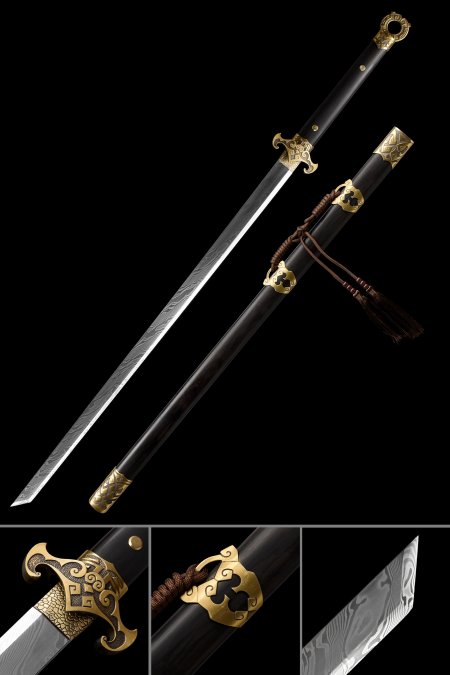
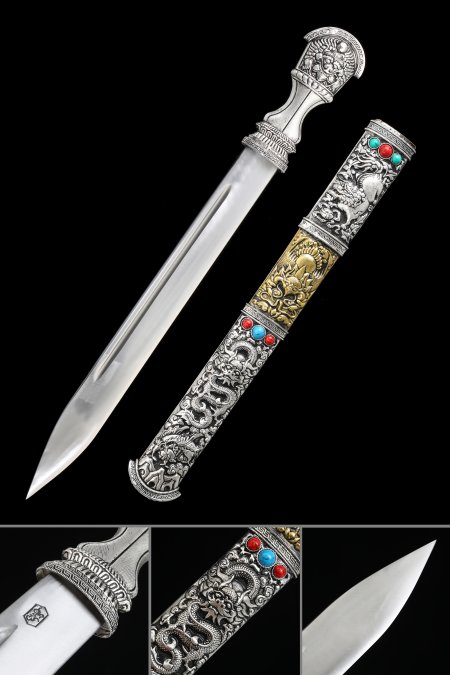
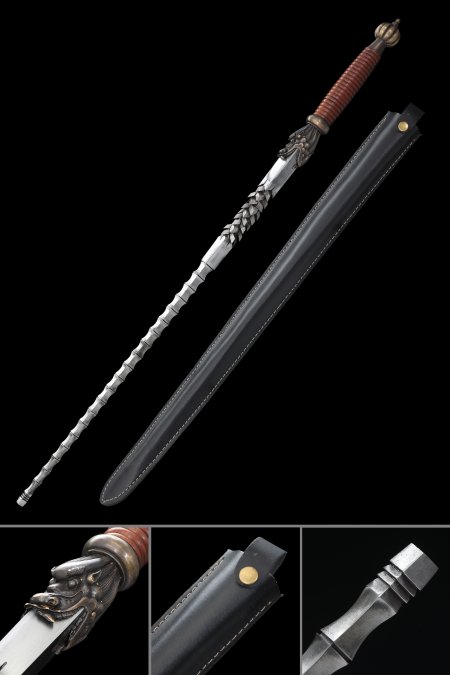
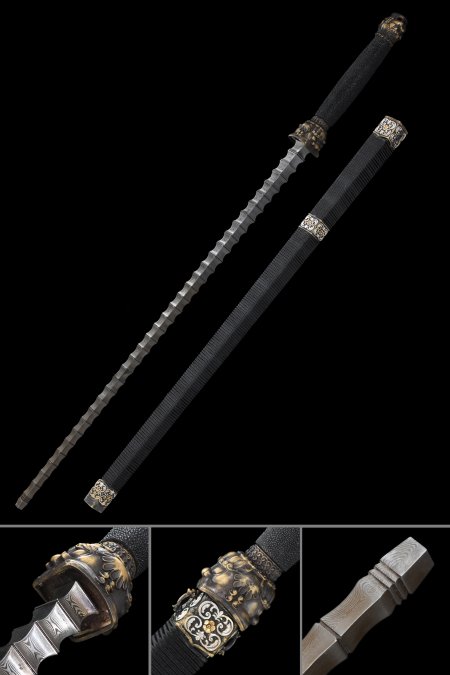
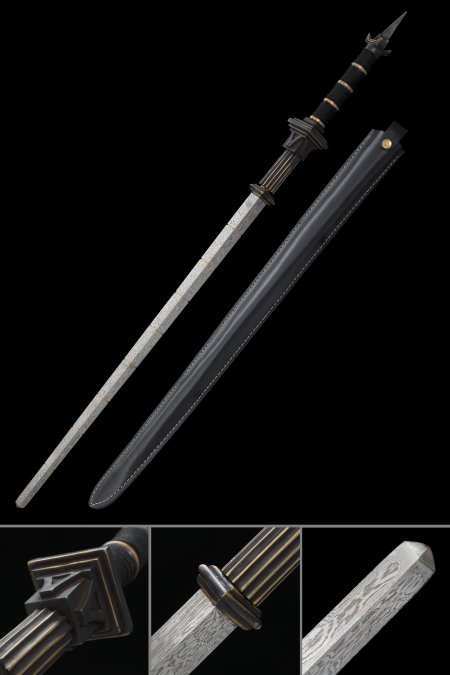
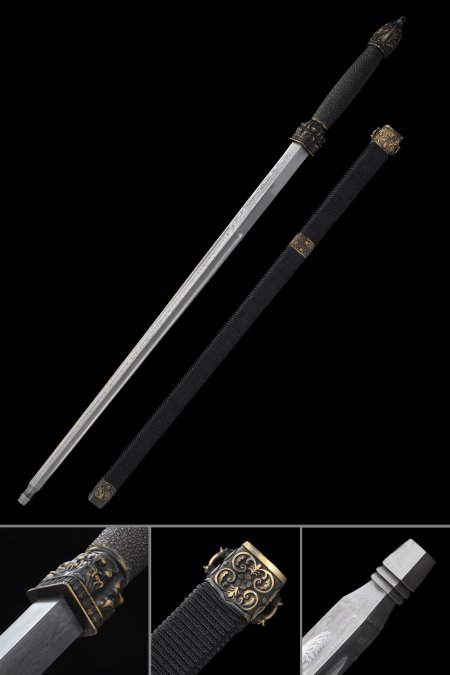
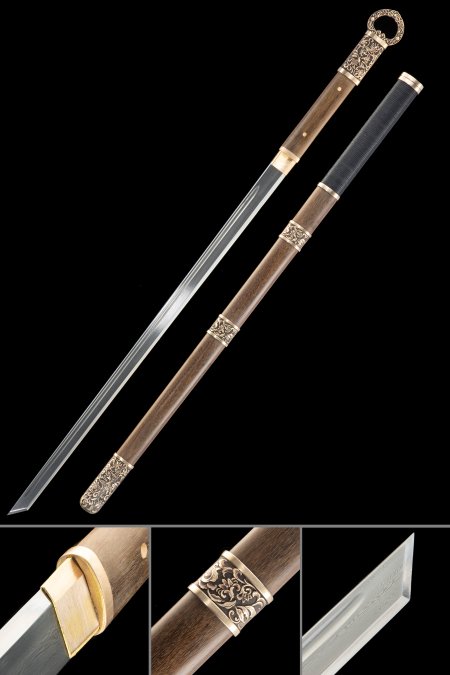
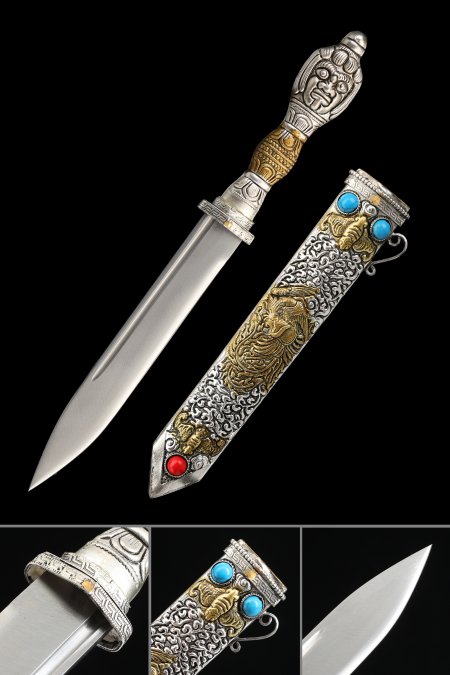
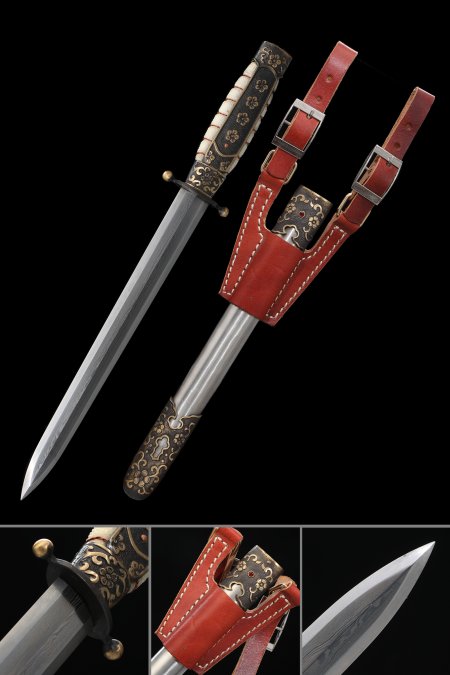
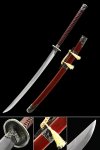
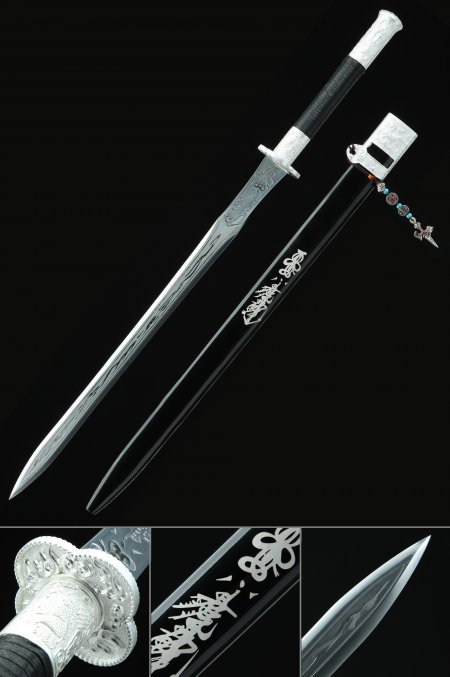
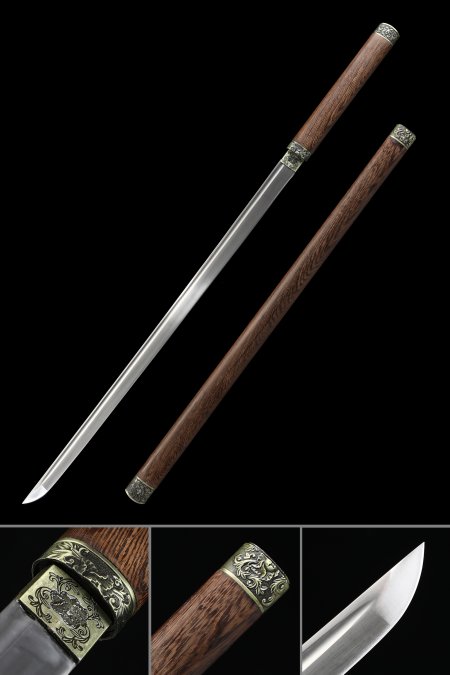
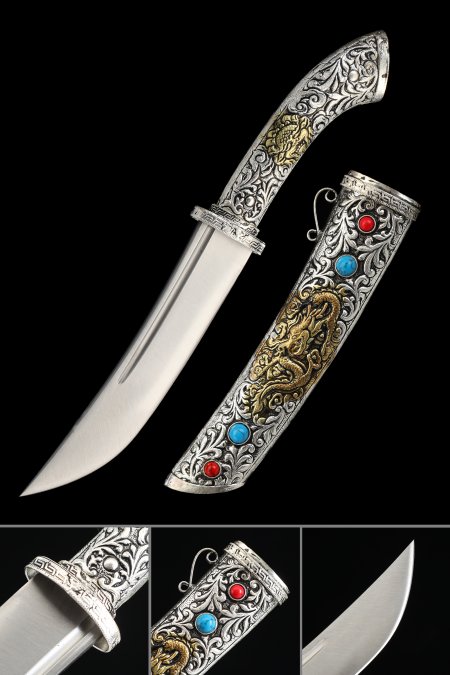
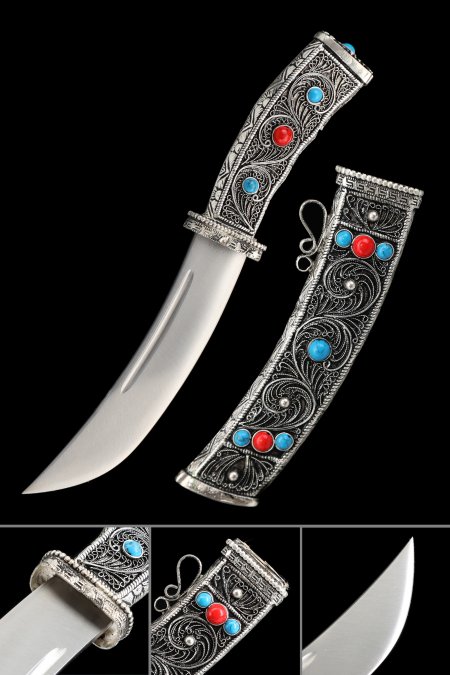
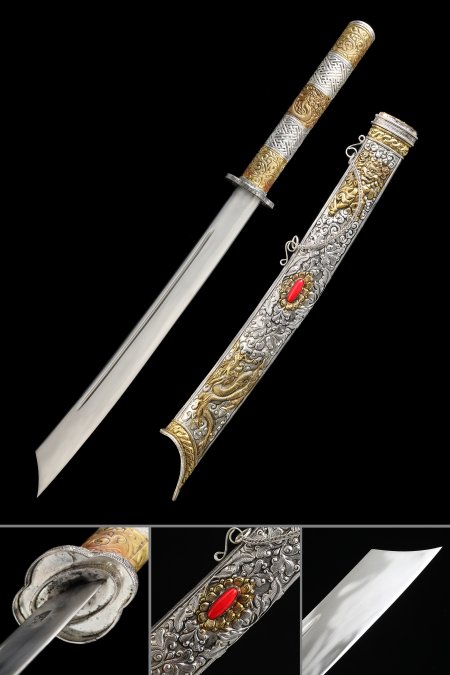
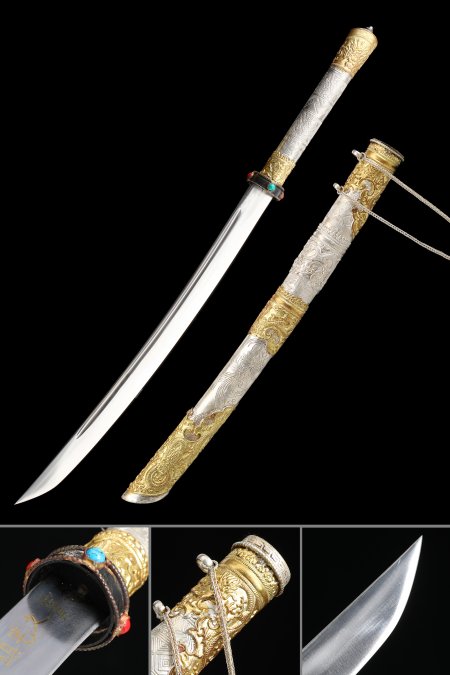
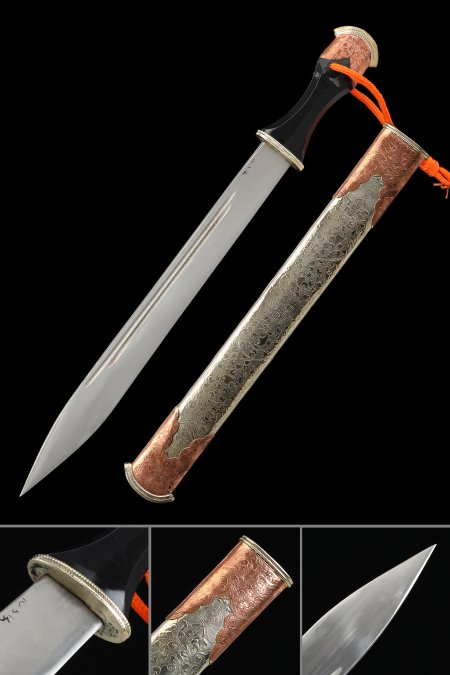
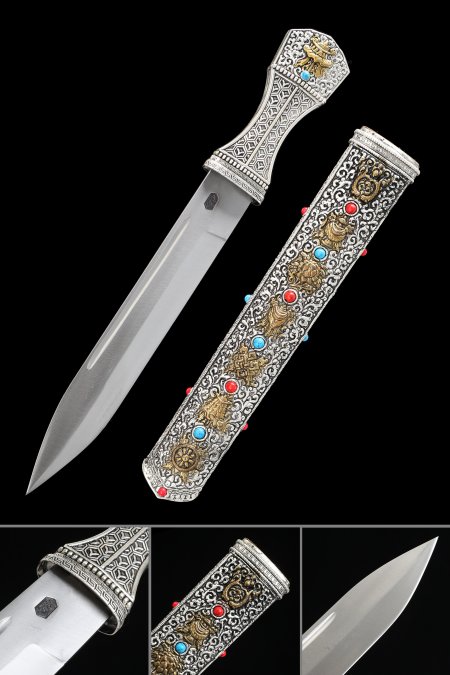
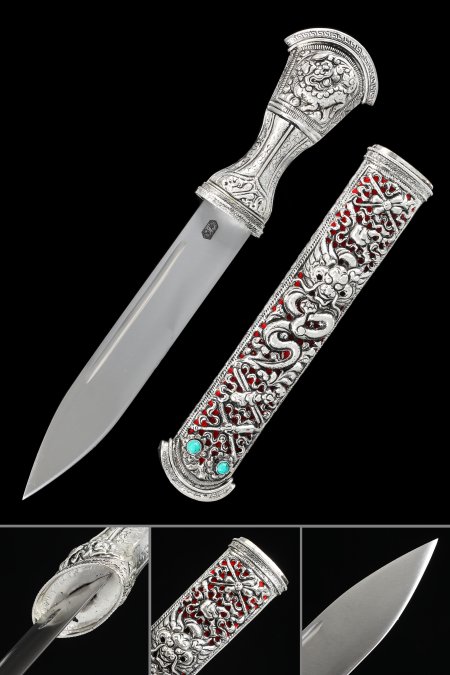
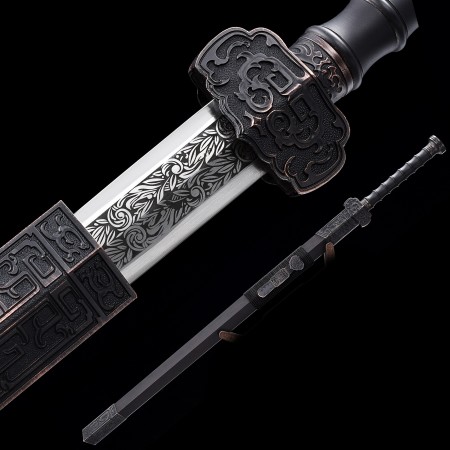
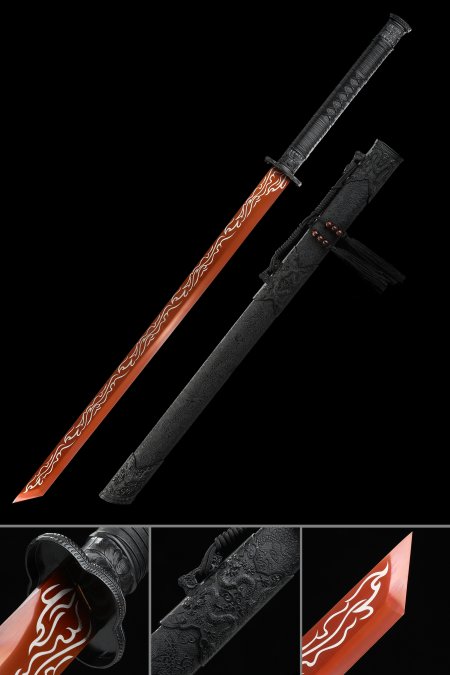
Explore our collection of famous Chinese swords - hand-forged replicas of legendary and historically significant Chinese blade forms, from the Han Dynasty jian to the iconic oxtail dao and the Monkey King's legendary staff. Each piece is crafted with full-tang high-carbon steel and authentic Chinese-style fittings, making these among the most narratively rich Chinese sword collectibles available. Free US shipping and hassle-free returns are included on every order.
Showing 127 Products

Related Collections

Chinese Spear Sword128 items


1632 Reviews

Chinese Pirate Sword128 items


105 Reviews

Chinese Han Dynasty Sword73 items


58 Reviews

Real Han Dynasty Swords15 items


5 Reviews

Frequently Asked Questions

What makes certain Chinese swords culturally famous or legendary?
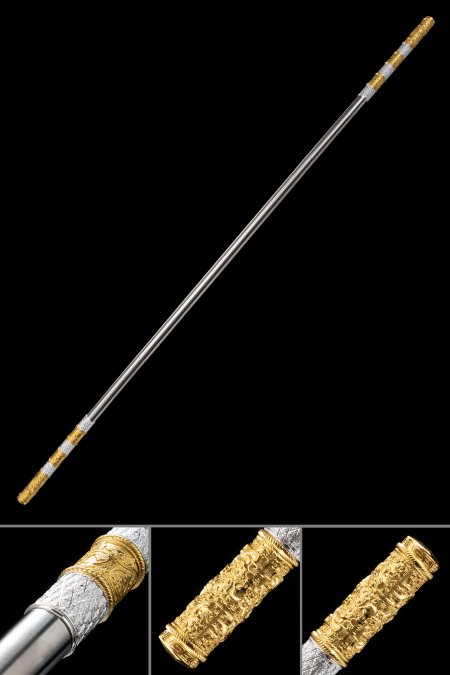
Chinese swords become culturally famous through association with historical events, legendary figures, classical literature, or specific cultural traditions that give them meaning beyond their physical form. The Han Dynasty jian became the most famous Chinese blade form through its association with the full range of Chinese cultural ideals - it was the sword of scholars who were also warriors, of Taoist immortals who practiced sword arts, of heroic figures in classical poetry and fiction. This association with the jian as the 'gentleman of weapons' gave it a cultural prestige that made it the reference point for Chinese sword culture across twenty centuries of literature and art. Specific famous swords in Chinese history include the legendary blades attributed to the mythical swordsmith Gan Jiang and Mo Ye, whose paired swords represent the dual nature of Chinese blade tradition. The Monkey King's Ruyi Jingu Bang - capable of shrinking to pin-size or expanding to fill the sky - is the most famous weapon in Chinese mythology and has generated an enormous cultural tradition of replicas and references from the Tang Dynasty to contemporary film and games.
What Chinese sword forms are included in the famous Chinese swords collection?
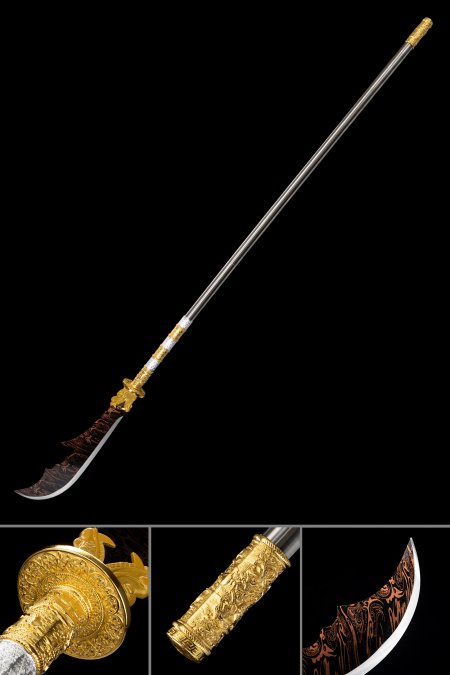
The famous Chinese swords collection includes the key blade forms that carry the greatest cultural significance in the Chinese tradition. The Han Dynasty jian in Manganese Steel and 1095 carbon steel represents the most culturally significant Chinese blade form - the double-edged straight sword associated with all the major categories of Chinese literary and martial heroism. The oxtail dao in 1095 clay-tempered steel represents the martial arts tradition's most iconic single-edged blade form, associated with wuxia heroes and martial arts schools across Chinese fiction and practice. The Monkey King's Ruyi Jingu Bang staff in gold-finished form is one of the most immediately recognizable mythological weapons in Asian culture, associated with Sun Wukong - the greatest warrior figure in Chinese literary tradition - and the Journey to the West story that has shaped Chinese popular culture for five centuries. Damascus steel Chinese sword pieces bring fold-forged layered patterning to the famous Chinese blade category. All pieces feature full-tang construction.
Is the Monkey King staff in this collection a sword or a pole weapon?
The Monkey King Ruyi Jingu Bang piece in this collection is a staff or pole weapon rather than a sword - it belongs to the Chinese pole weapon category rather than the jian or dao sword traditions. In the original Journey to the West narrative, the Ruyi Jingu Bang is a magical golden-banded iron pillar that originally served as a measuring rod in the Dragon King's sea palace before Sun Wukong claimed it as his weapon. The staff could transform at his will - shrinking to fit behind his ear or expanding to enormous size. In replica form, the Ruyi Jingu Bang is typically a golden-banded staff that references this mythological description. Despite being a pole weapon rather than a sword in the technical sense, it belongs in the famous Chinese weapons category as one of the most culturally significant weapons in Chinese mythology, and its inclusion in the famous Chinese swords collection reflects its importance in the broader Chinese blade and weapon collecting tradition. It is distinct from all the sword pieces in the collection but is a compelling companion piece for any Chinese blade display.
How should I display famous Chinese sword collectibles to convey their cultural significance?
Displaying famous Chinese sword collectibles effectively means creating a presentation that communicates the pieces' cultural weight alongside their visual quality. Contextual information - a brief description or historical note placed near the display - helps viewers understand what they are looking at and why it is significant, which is particularly important for pieces like the Han Dynasty jian whose cultural significance is not immediately obvious to viewers unfamiliar with Chinese history. The physical display should position the pieces at eye level where they are visible from the room's main viewing angle, with sufficient lighting to reveal the blade materials and any decorative details. A warm, quality display environment - wood shelving, warm lighting, natural material surfaces - complements the historical aesthetic of Chinese sword forms better than a stark modern setting. For a multi-piece famous Chinese swords display, arranging pieces by cultural category - legendary weapons together, historical dynasty forms together - creates a display with narrative structure that can be explained and appreciated as a unified collection rather than a random assortment of pieces.

Customer Reviews

Yassine Elhimer Texas, United States

Exceeded my expectations!r
I ordered the Monkey King Ruyi Jingu Bang and it arrived earlier than expected Customer service was very responsive and kept me informed throughout. The quality is outstanding it feels solid and has a great weight to it, perfect for training absolutely love it highly recommend TrueKatana to anyone looking for a high quality weapon will definitely be ordering again!
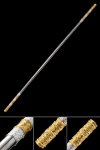
Monkey King Ruyi Jingu Bang - Stainless Steel Golden Cudgel From Journey to the West Monkey King Ruyi Jingu Bang - Stainless Steel Golden Cudgel From Journey to the West