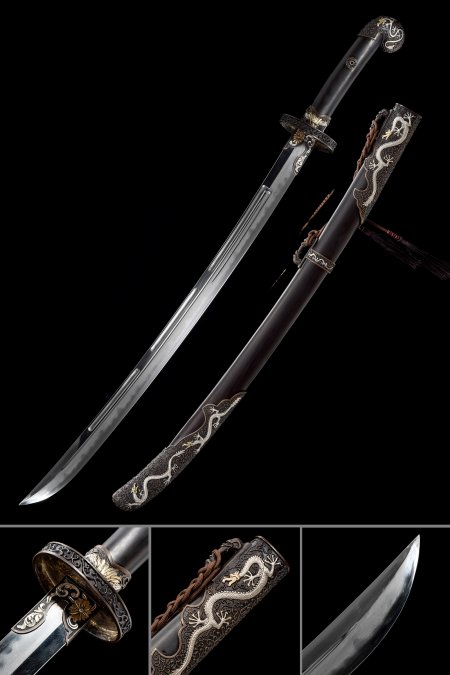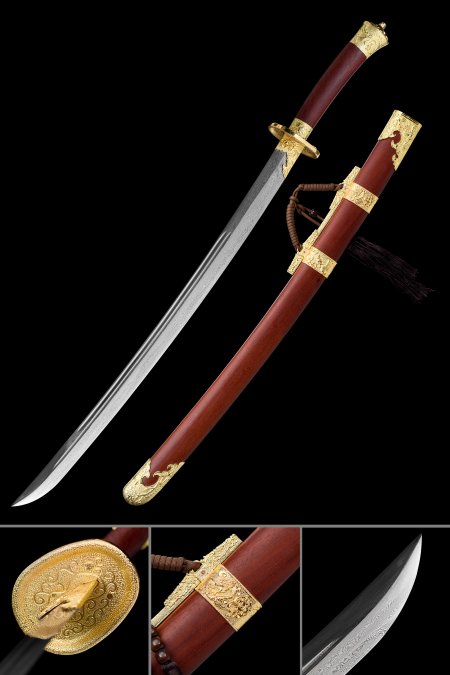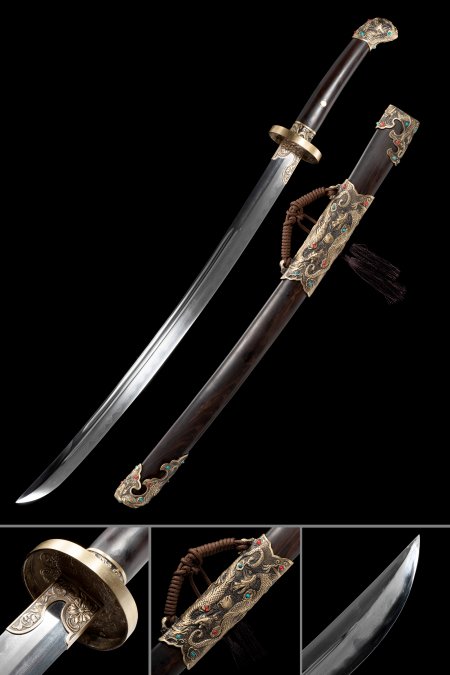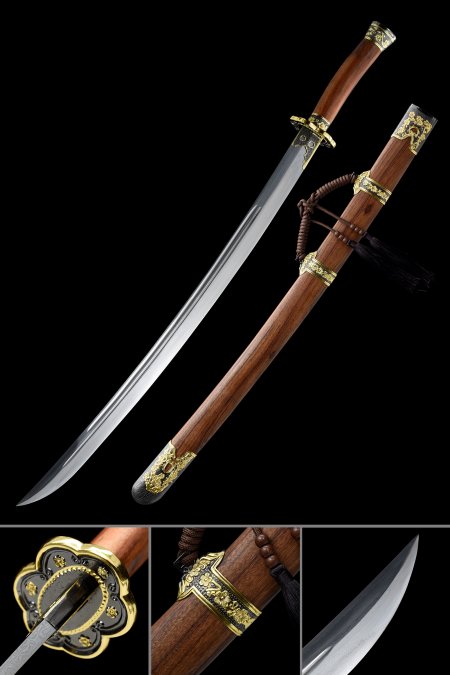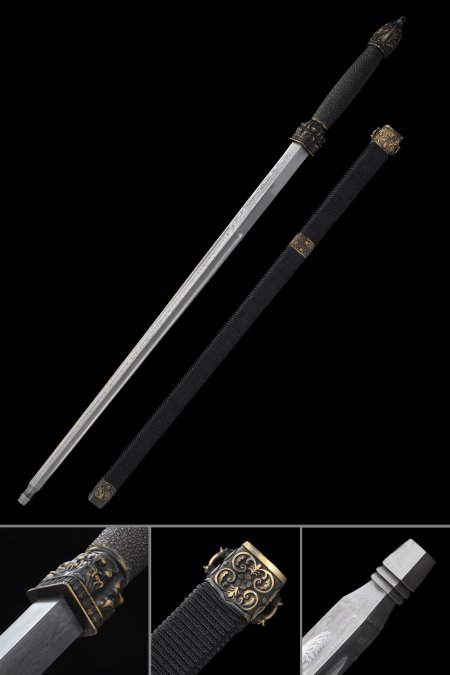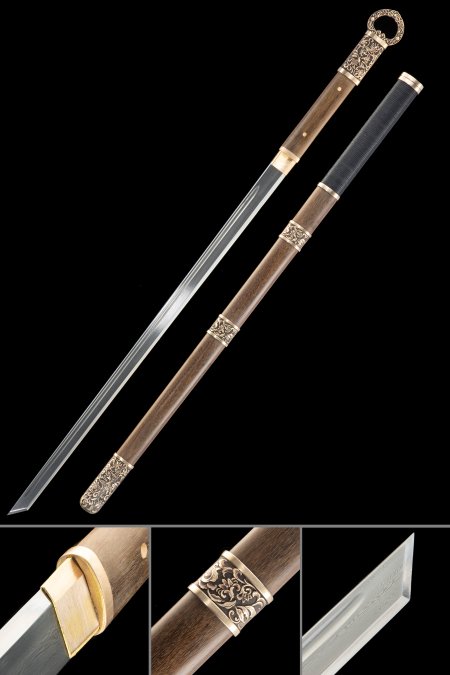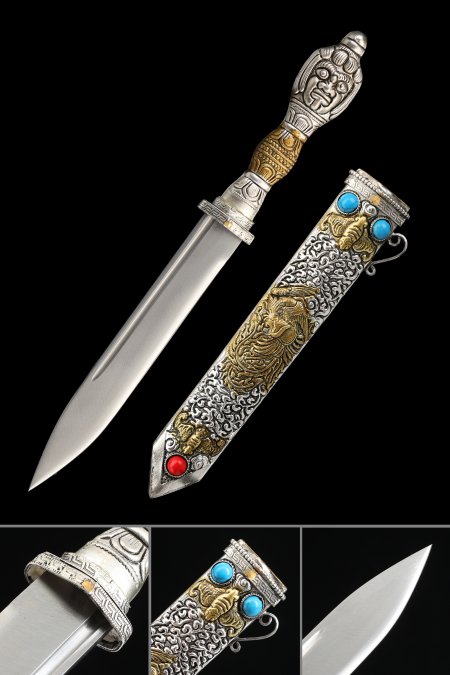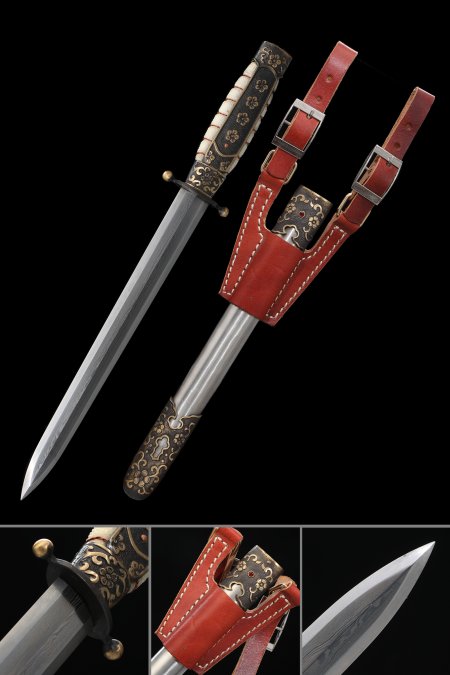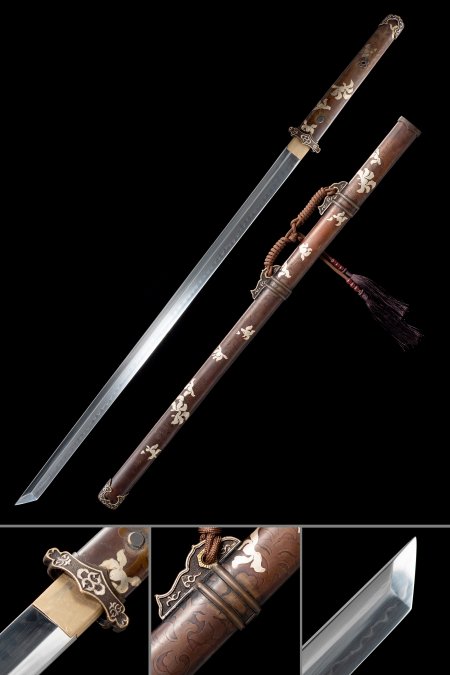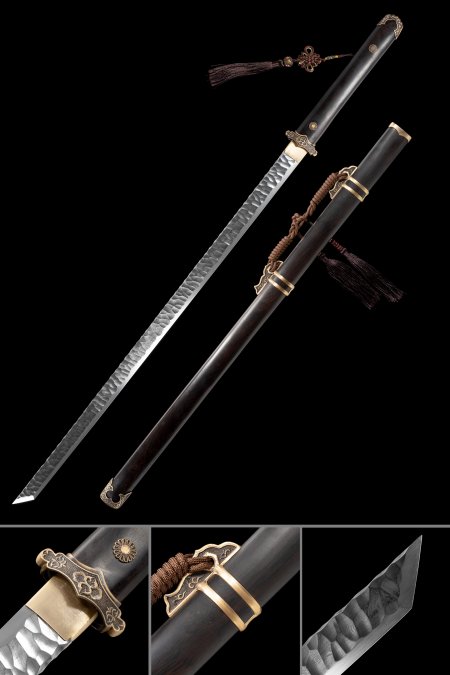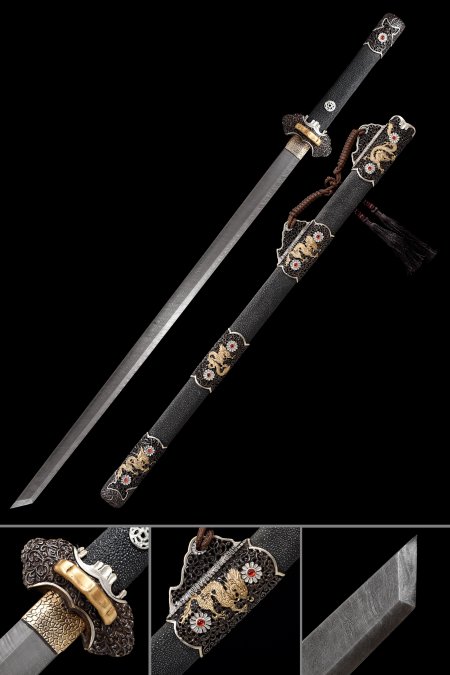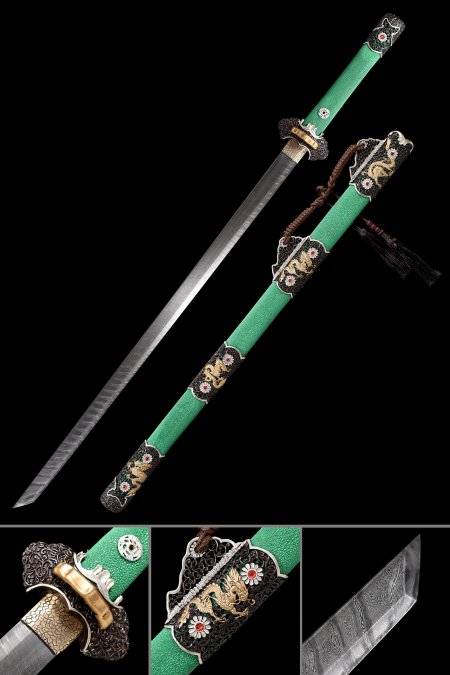
Forged Warrior Chinese War Sword

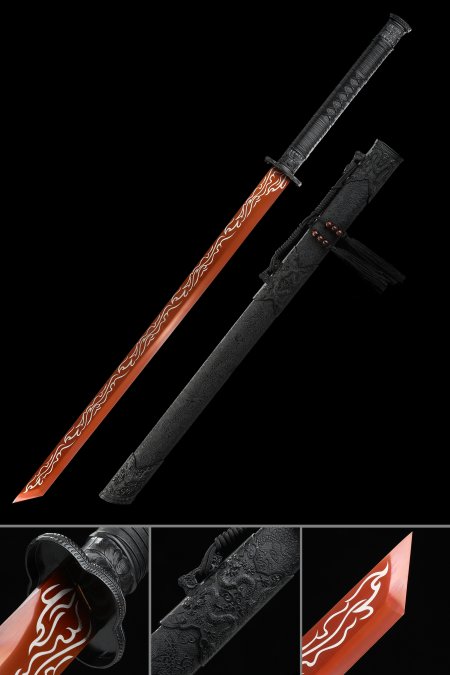
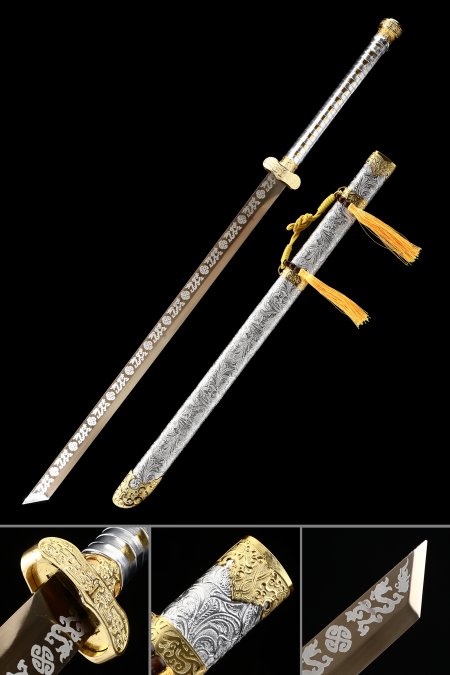
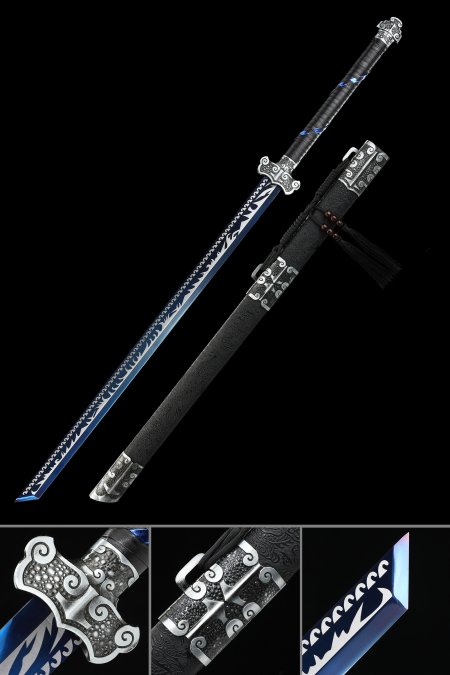
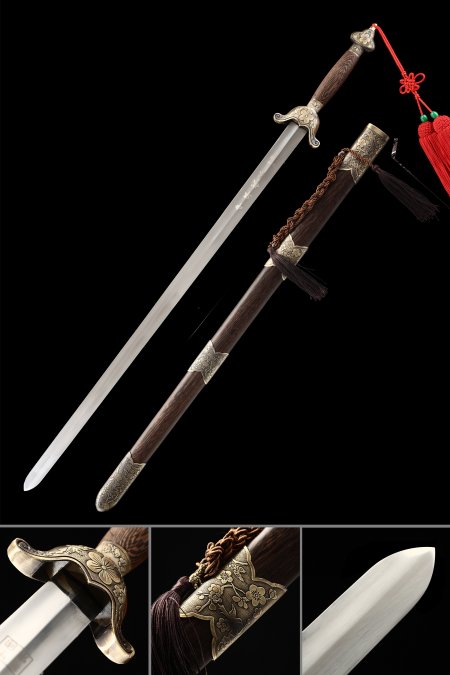
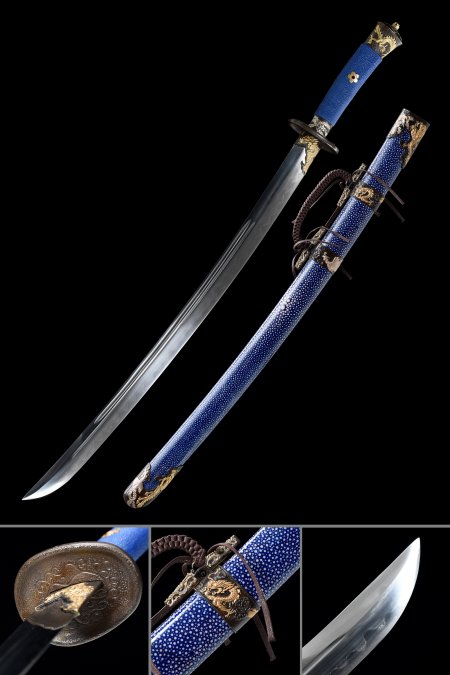
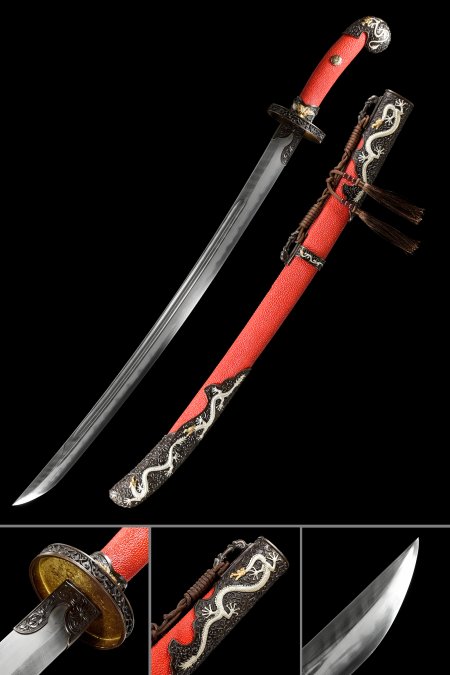
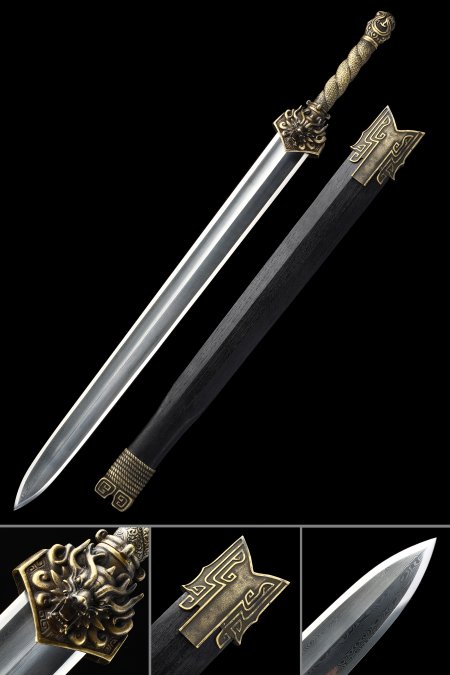
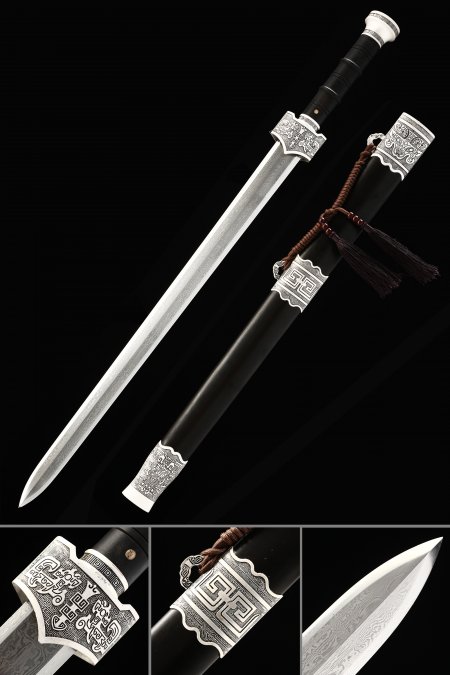
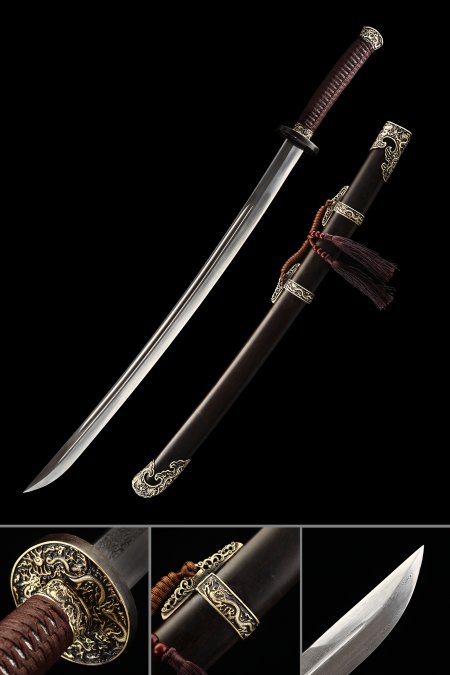
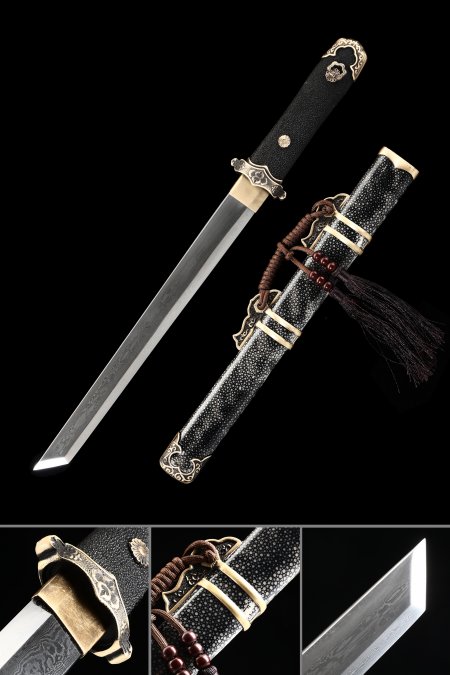
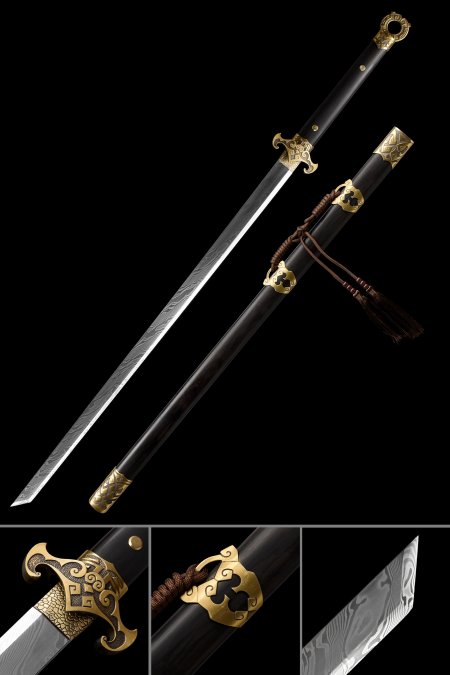
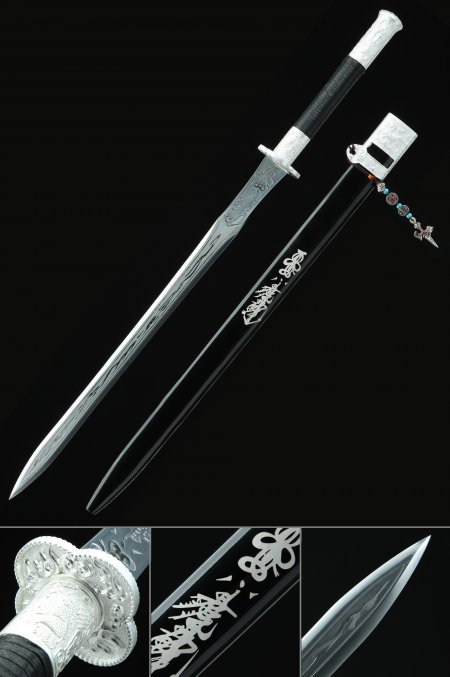
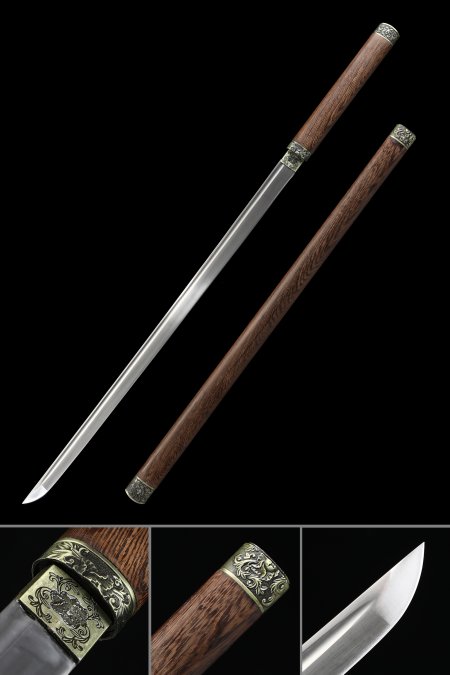
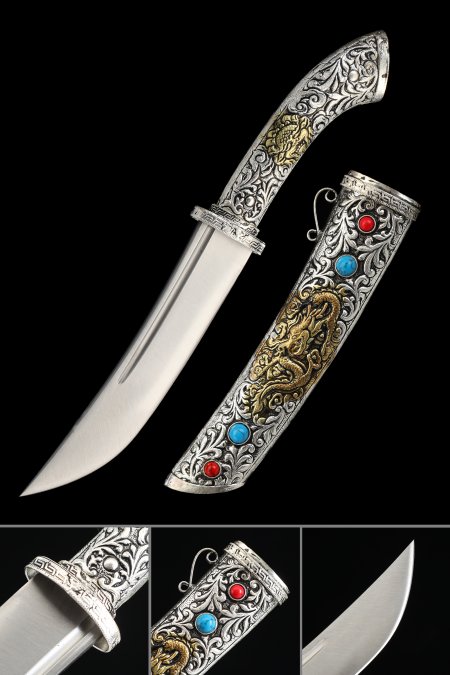
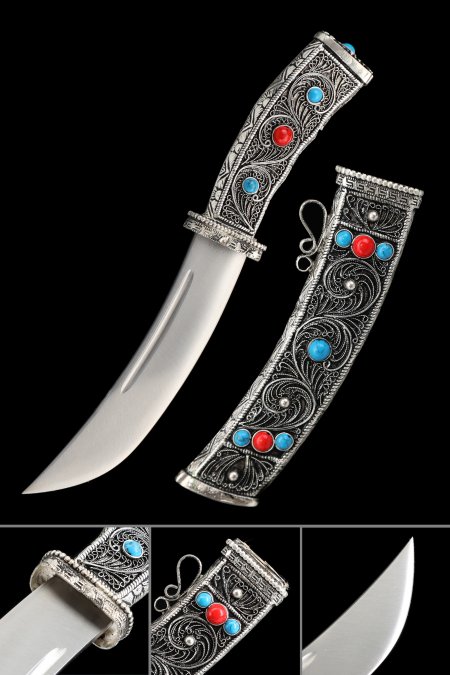
Shop our collection of forged warrior Chinese war swords - hand-forged Chinese jian and dao collectibles built to the construction standards that honor the fighting swords of Chinese military history, including 1095 clay-tempered oxtail dao, Han Dynasty jian, and Damascus steel war sword pieces. Every piece features full-tang high-carbon steel and authentic Chinese-style fittings appropriate to a serious warrior blade collectible. Free US shipping and hassle-free returns are included.
Showing 127 Products

Related Collections

Ancient Chinese Samurai Sword128 items


1018 Reviews

Chinese Two Handed Sword128 items


139 Reviews

Han Dynasty Sword73 items


58 Reviews

Han Dynasty Jian73 items


58 Reviews

Frequently Asked Questions

What made Chinese war swords effective historical military weapons?
Chinese war swords were designed around the specific military requirements of their era and region, and their effectiveness derived from several converging factors. The single-edged dao's most important military advantage was its robust cross-section: a single-edged blade can be made significantly thicker and heavier without adding unnecessary weight, because the mass is concentrated behind the edge rather than distributed symmetrically as in a double-edged blade. This thickness provided durability under battlefield conditions and allowed the dao to be used in powerful cutting strokes without risk of blade failure. The curved dao forms optimized cutting geometry for cavalry use - the curve allows the blade to maintain edge contact through a longer arc of the cutting stroke, extracting more cutting work from a single motion. The jian's double edge was valued in the formal military context for its flexibility in technique and its effectiveness in dueling and close-quarters situations. The two-handed war sword forms that developed in the Song and Ming periods maximized reach and cutting power for specialized infantry anti-cavalry roles.
What is the significance of clay tempering in Chinese war sword construction?
Clay tempering is a heat treatment technique that produces a blade with differential hardness - harder at the cutting edge and tougher at the spine - by insulating the spine with a clay coating before quenching. During the quenching step, the clay-insulated spine cools more slowly than the uncoated edge, producing two different microstructures in the same blade: a hard, fine-grained martensite at the edge and a tougher, less brittle structure at the spine. This differential hardness is the ideal combination for a fighting sword: the hard edge holds a sharp profile and resists deformation under cutting stress, while the tough spine absorbs impact without cracking or breaking. The boundary between these two zones is where the hamon forms - the visible temper line along the blade edge that is among the most prized visual details in Asian sword collecting. While primarily associated with Japanese sword making in Western collecting culture, clay tempering was also practiced in Chinese sword-making traditions, and the 1095 clay-tempered pieces in this collection carry this historical technique as part of their construction authenticity.
What distinguishes a warrior-grade Chinese sword from a decorative Chinese sword?
A warrior-grade Chinese sword collectible is distinguished from a decorative alternative by the materials and construction methods used throughout the piece. The most critical distinction is in the blade steel: a warrior-grade Chinese sword uses high-carbon steel - 1095, Manganese Steel, 1045, or Damascus - that can be properly forged and heat-treated to achieve genuine hardness appropriate to a quality blade collectible. Decorative alternatives frequently use stainless steel, which cannot be properly heat-treated and produces a blade that is soft, brittle, or both despite its attractive finish. Full-tang construction is the second critical distinction: a warrior-grade sword has the blade steel running from tip through the complete handle, secured by a retention pin, providing structural integrity that a partial-tang or adhesive-only handle cannot match. The quality and fit of the metal fittings is the third area of difference: on a warrior-grade piece, the guard, habaki-equivalent collar, and pommel are solid metal components fitted precisely, while decorative alternatives may use pot metal castings or plastic fittings coated to appear metallic.
What Chinese war sword forms are available in the forged warrior collection?
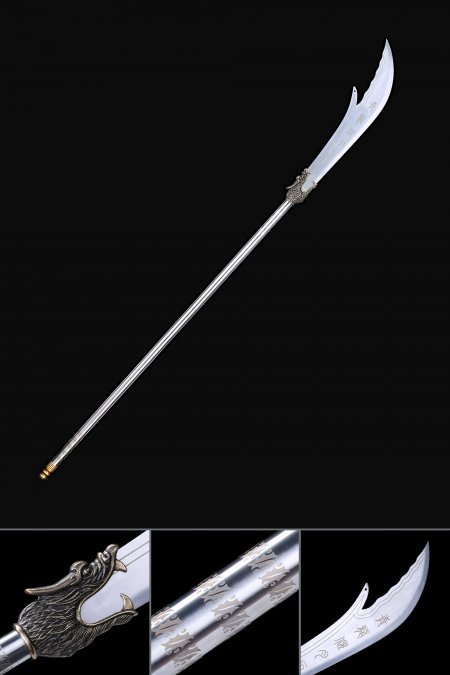
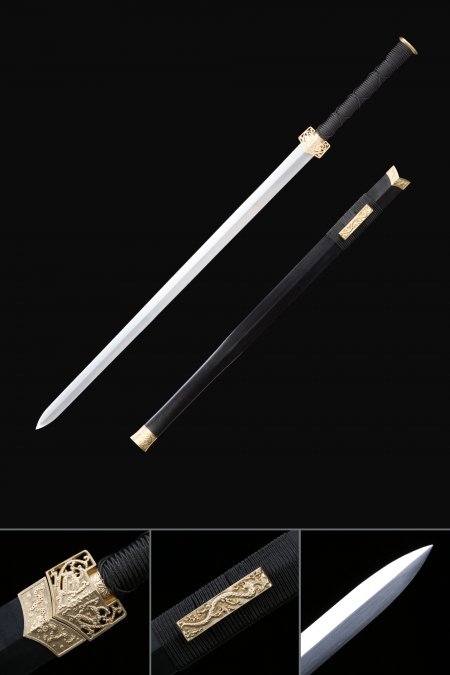
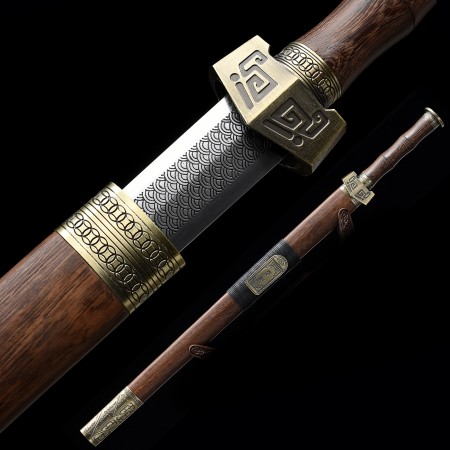
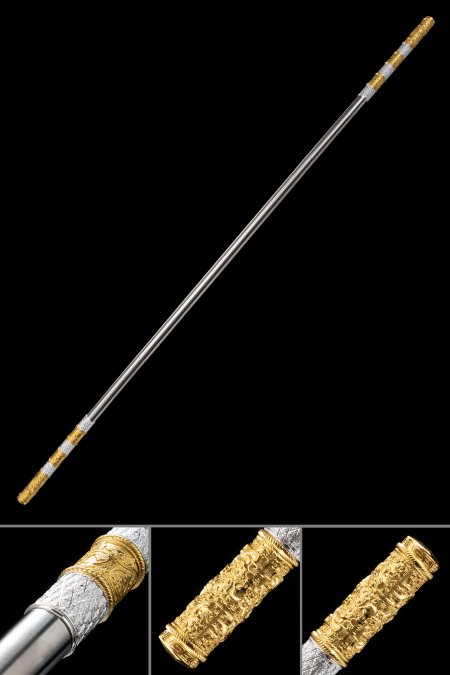
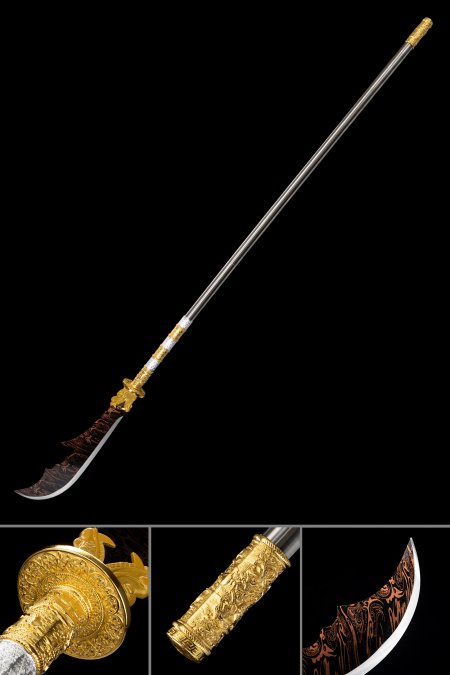
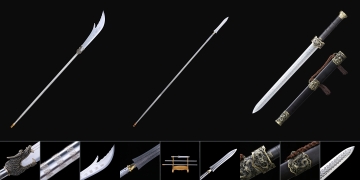
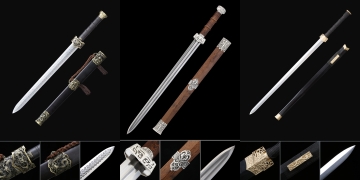
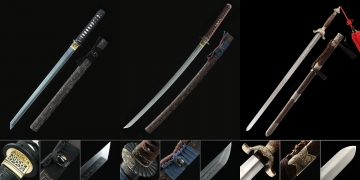
The forged warrior Chinese war sword collection includes the key forms from the Chinese military sword tradition. The oxtail dao is the most visually dramatic option: its widening blade creates a silhouette with immediate visual energy and historical authenticity, and the 1095 clay-tempered version in the collection delivers premium blade character with the potential for a visible temper effect along the curved edge. Han Dynasty jian pieces represent the straight double-edged long sword that was the elite military blade of China's first great imperial dynasty, available in Manganese Steel for exceptional surface hardness. Damascus steel Chinese war sword pieces combine the visual complexity of fold-forged layered patterning with the warrior aesthetic, creating pieces that reference the historical prestige of pattern-welded blades in Asian military traditions. The Monkey King Ruyi Jingu Bang staff piece represents a distinctive addition to the warrior collection - the legendary weapon of Sun Wukong from Journey to the West, the most famous warrior in Chinese literary tradition, in decorative form.

Customer Reviews

Yassine Elhimer Texas, United States

Exceeded my expectations!r
I ordered the Monkey King Ruyi Jingu Bang and it arrived earlier than expected Customer service was very responsive and kept me informed throughout. The quality is outstanding it feels solid and has a great weight to it, perfect for training absolutely love it highly recommend TrueKatana to anyone looking for a high quality weapon will definitely be ordering again!
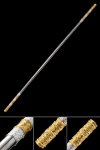
Monkey King Ruyi Jingu Bang - Stainless Steel Golden Cudgel From Journey to the West Monkey King Ruyi Jingu Bang - Stainless Steel Golden Cudgel From Journey to the West