Chinese Pirate Sword

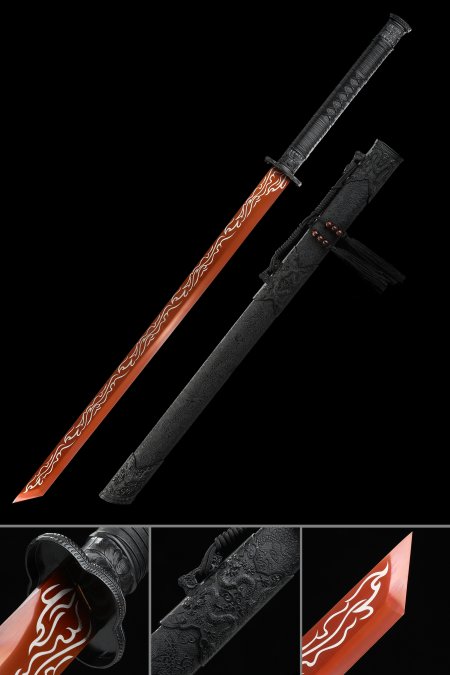
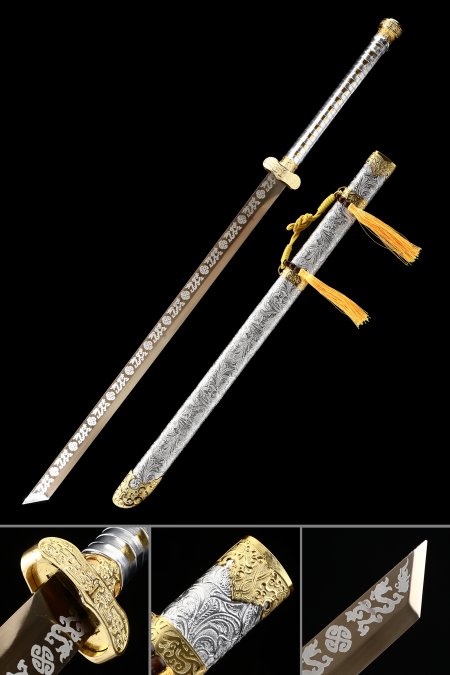
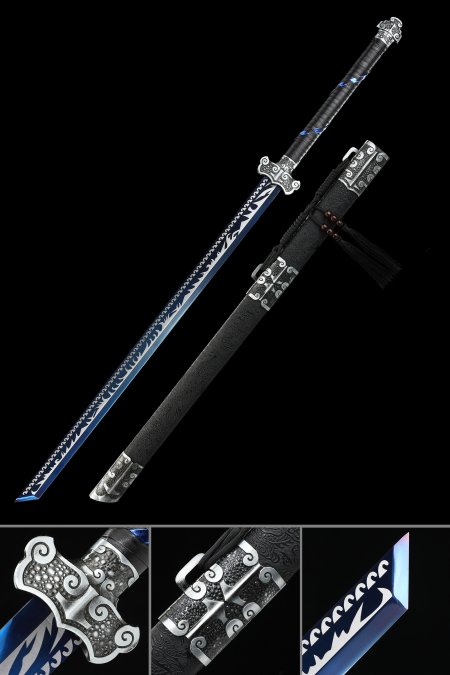
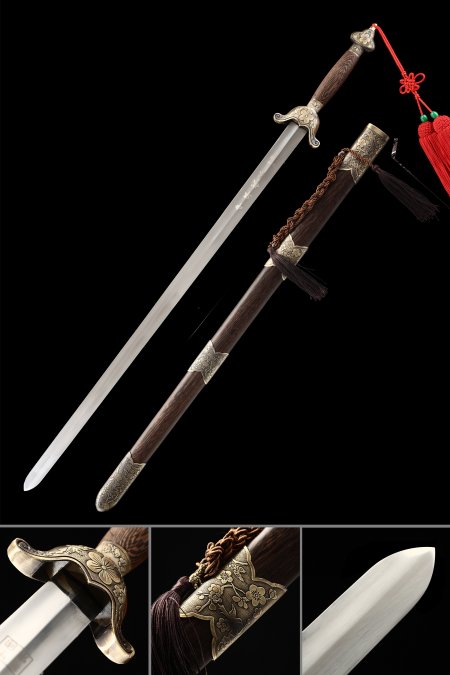
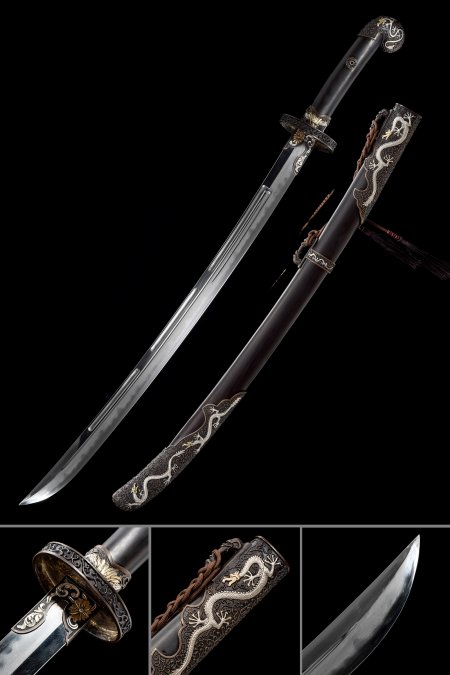
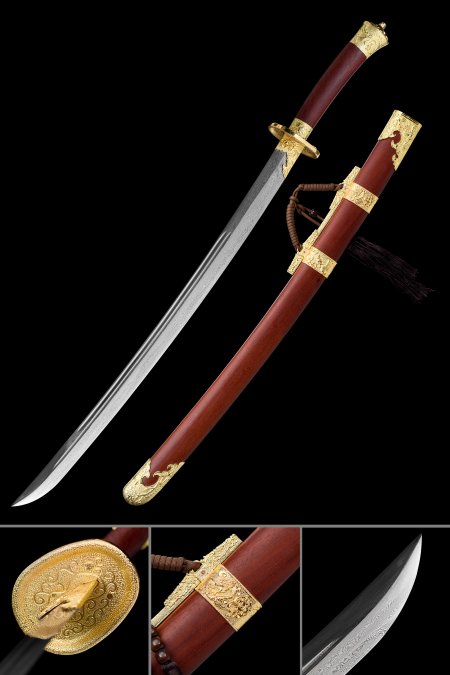
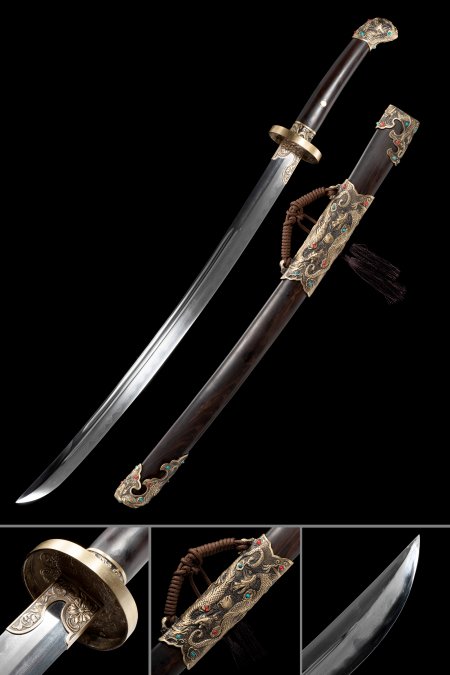
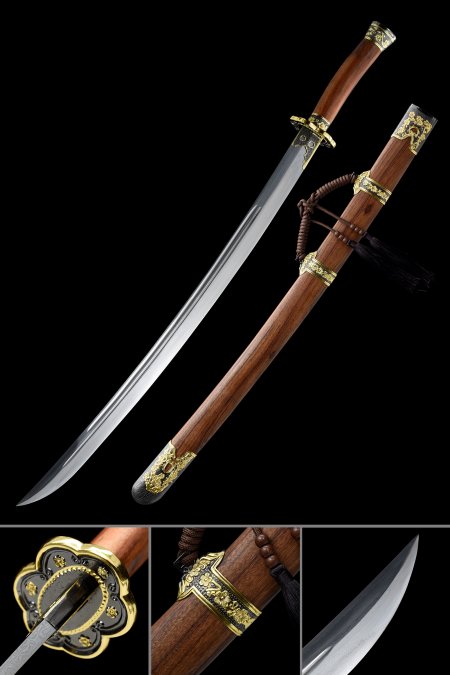
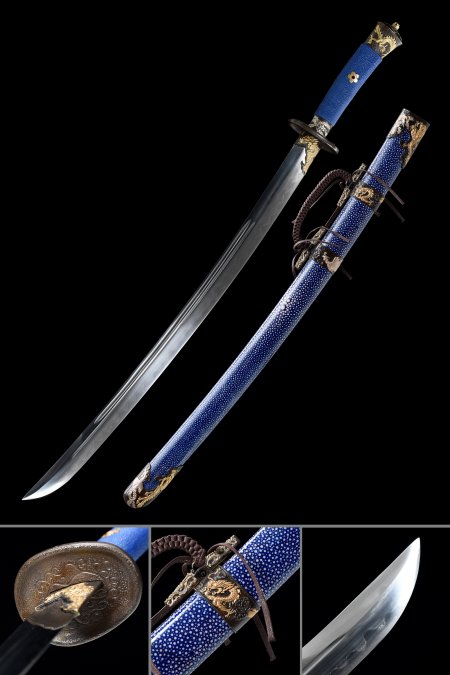
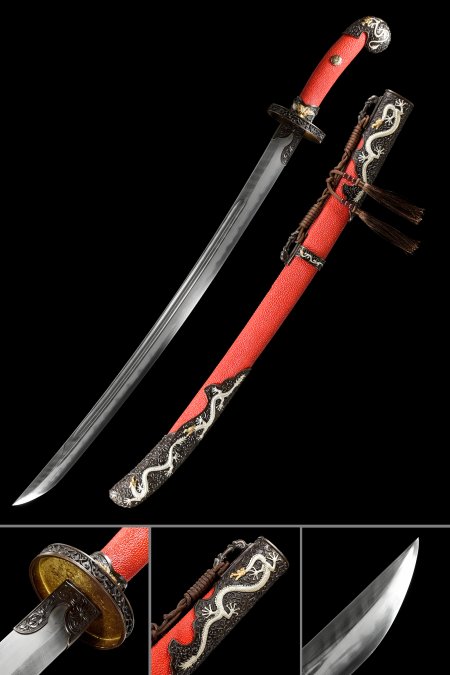
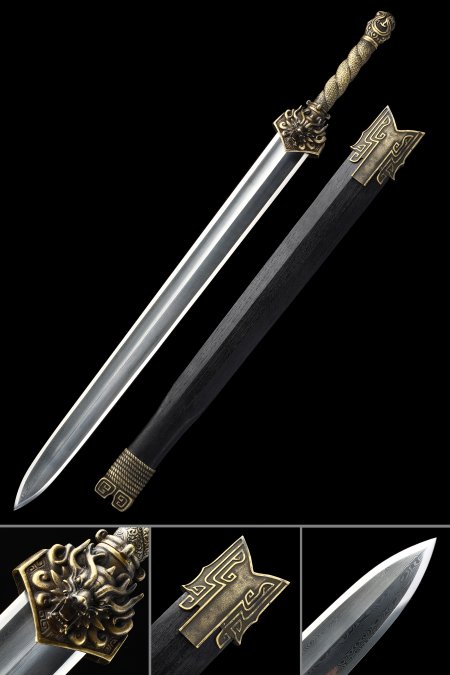
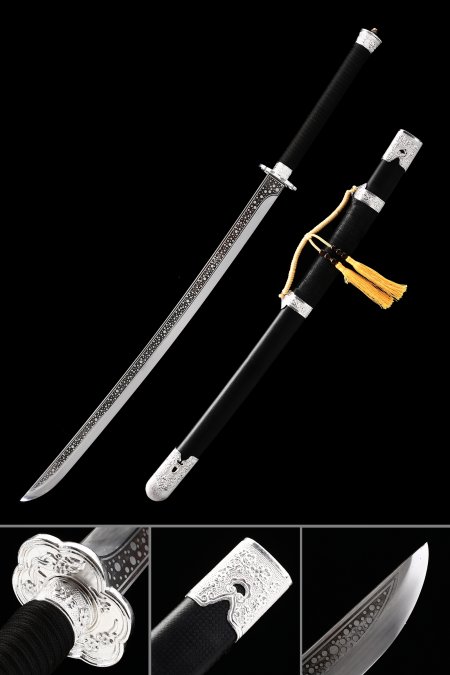
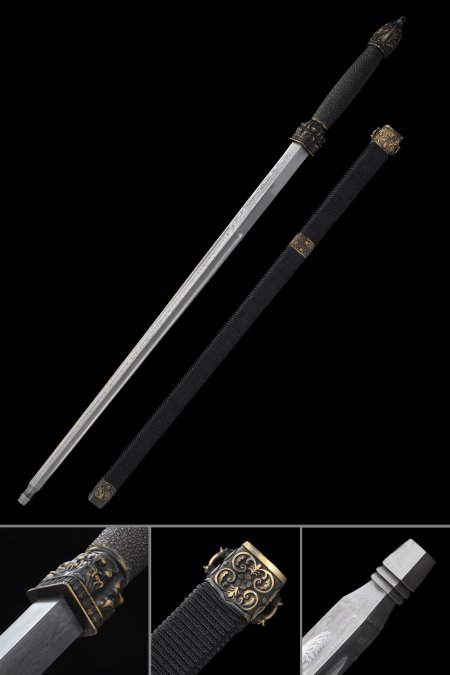
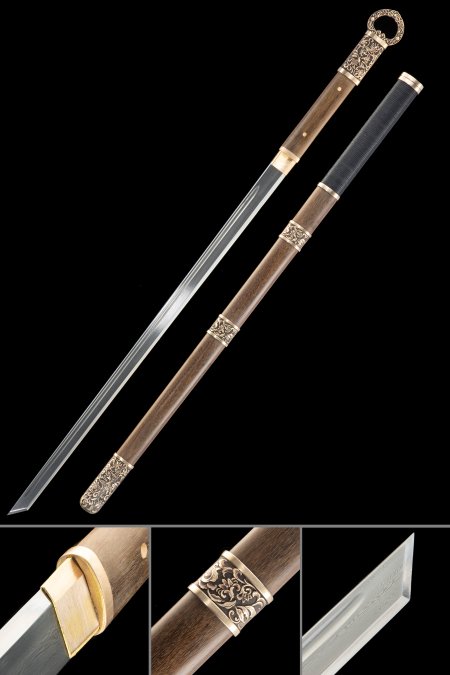
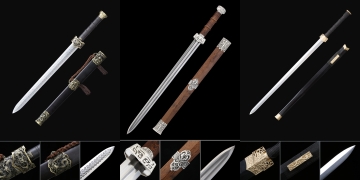
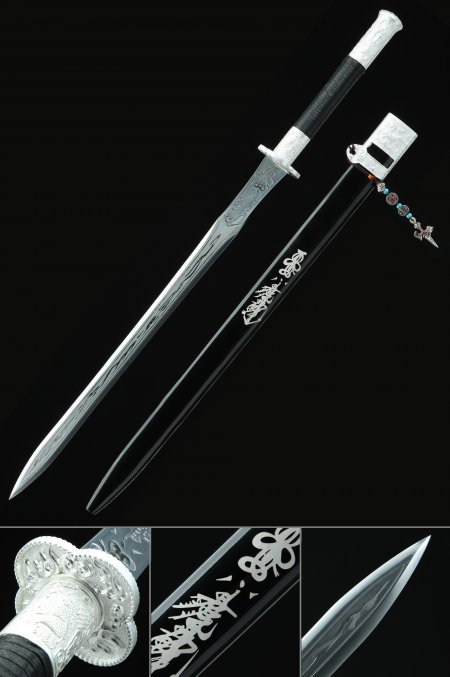
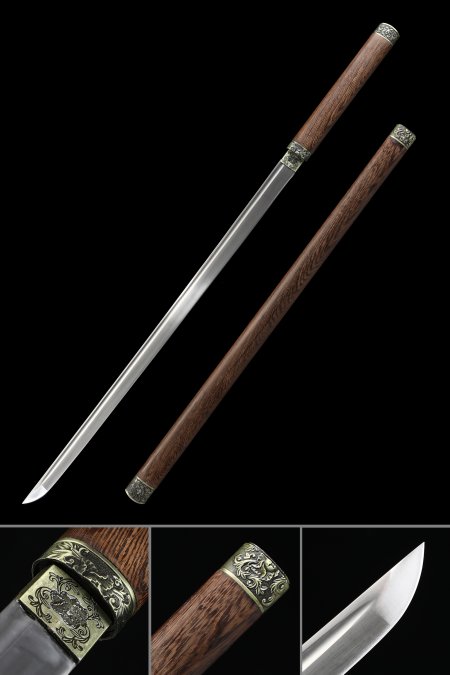
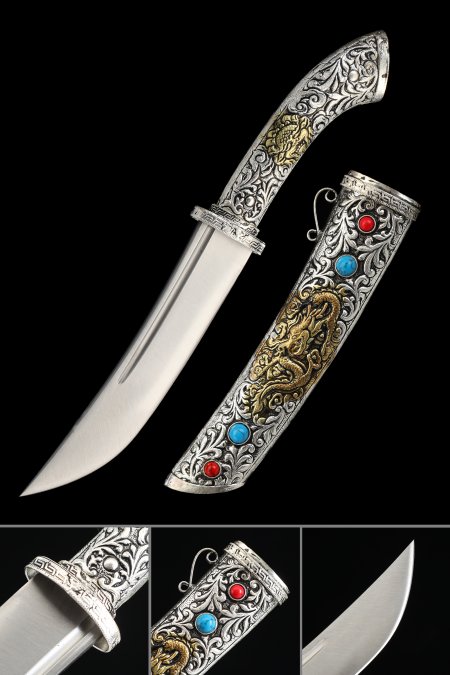
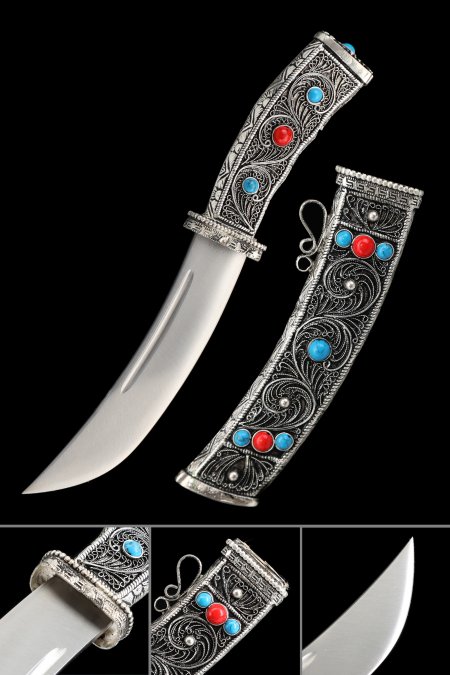
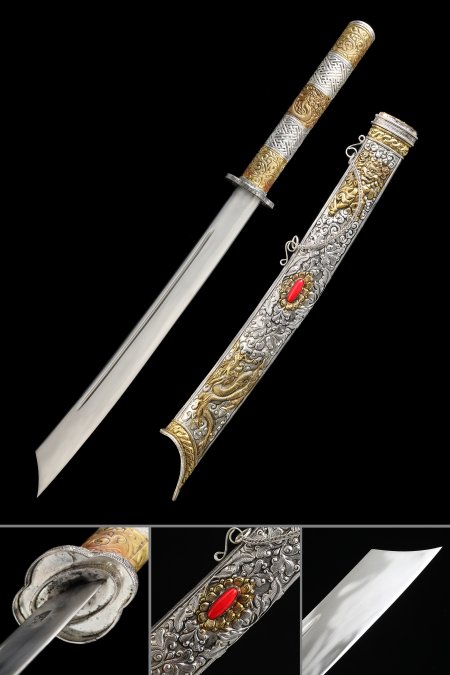
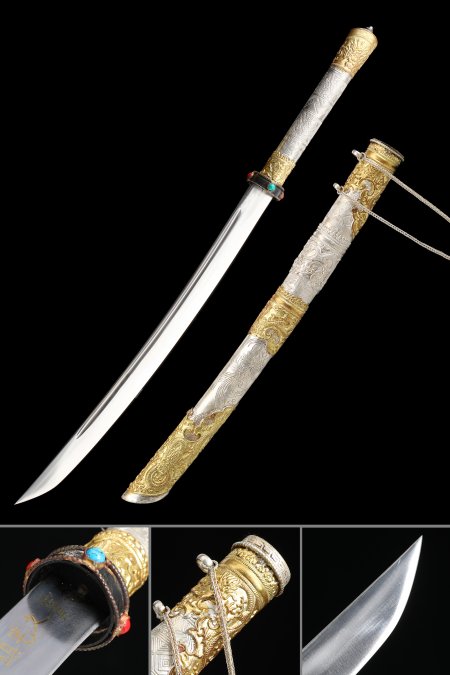
Browse our collection of Chinese pirate swords - hand-forged Chinese dao and saber collectibles referencing the maritime sword traditions of Chinese coastal history, featuring robust single-edged blade forms in Manganese Steel, Damascus, and 1095 carbon steel with scabbard and fitting aesthetics appropriate to the Chinese maritime sword tradition. Free US shipping and hassle-free returns are included on every order.
Showing 127 Products

Related Collections

Famous Chinese Swords128 items


112 Reviews

Chinese Heavy Sword128 items


92 Reviews

Chinese Han Dynasty Sword73 items


58 Reviews

Han Dynasty Sword73 items


58 Reviews

Frequently Asked Questions

What Chinese sword forms were associated with maritime and pirate use historically?
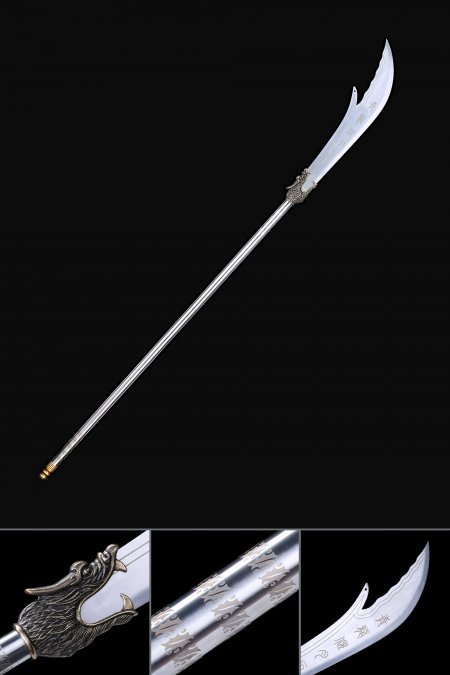
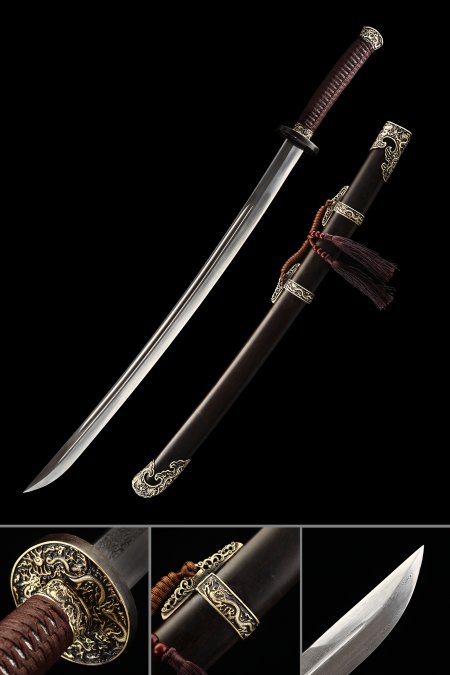
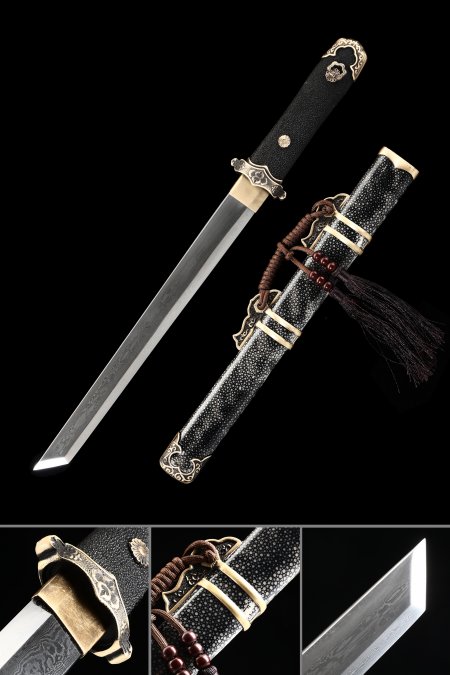
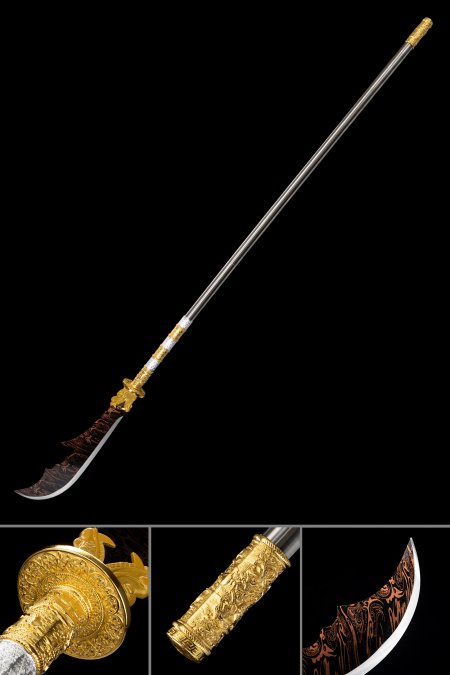
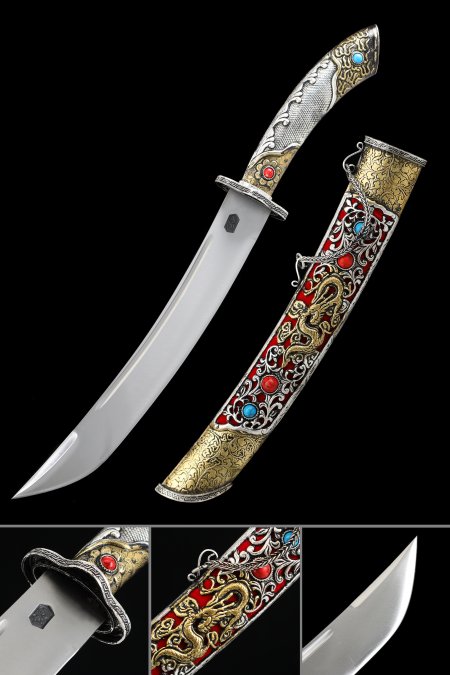
Chinese maritime blade traditions were dominated by practical dao and saber forms appropriate to the conditions and contexts of seafaring life. The single-edged dao was the preferred sword form for maritime use because its robust single-edge construction could withstand the impacts and environmental stresses of maritime environments better than the more refined double-edged jian. Specific dao forms associated with Chinese maritime and coastal use include the liuyedao leaf-blade saber, with its relatively simple and durable construction appropriate to working use rather than court display. Curved saber forms in the dao tradition were also common in maritime contexts, providing effective cutting capability with practical handle proportions suitable for use in the confined spaces of ship decks. The oxtail dao - with its widening, dramatically shaped blade - appears in Chinese martial arts and adventure fiction associated with coastal and maritime warrior figures, making it one of the most visually associated forms with the Chinese pirate sword aesthetic. Shorter blade forms also appear in maritime contexts, as the confined spaces of naval environments sometimes favored shorter, more maneuverable swords over full-length military saber forms.
What is the historical background of Chinese piracy and its sword culture?
Chinese maritime piracy has a history stretching back over a thousand years, with particular intensity during the Ming Dynasty (1368-1644 CE) period when wokou pirates - a term applied broadly to raiders of uncertain origins operating along China's coast and into Japan and Korea - created significant disruption to maritime trade throughout East Asia. The wokou period produced famous Chinese anti-pirate military figures including Qi Jiguang, whose innovative military methods for countering the pirates' effective sword techniques contributed to the development of Chinese military sword practice. During the Qing Dynasty, large-scale Chinese pirate organizations - including the fleet of the famous Zheng Yi Sao, who commanded hundreds of ships and tens of thousands of sailors in the early 19th century - represented the peak of Chinese maritime power outside the imperial framework. The sword traditions of these maritime cultures, while less formally documented than court and military traditions, were practical and effective, reflecting the demands of maritime life and naval combat. Contemporary Chinese pirate sword collectibles reference this history through blade forms and aesthetic choices that evoke the maritime context.
What makes a Chinese pirate sword aesthetically distinct from a court or military sword?
A Chinese pirate sword is distinguished from court and military Chinese sword forms primarily through its aesthetic - specifically, the choices of finish, fittings, and blade style that evoke maritime rather than court or military contexts. Court Chinese swords favor elaborate lacquered scabbards, precious metal fittings, and refined decorative motifs appropriate to the ceremonial environments where they were carried. Military Chinese swords favor practical construction with functional fittings, typically in darker finishes appropriate to field conditions. A pirate sword aesthetic draws from the military practical tradition but adds the weathered, rough-edged quality appropriate to maritime and outlaw contexts - darker scabbard finishes, simpler metal fittings, and robust blade cross-sections that prioritize durability. The specific dao and saber forms associated with Chinese maritime tradition - curved sabers, practical single-edge blades in natural wood and dark scabbards - create an immediately recognizable aesthetic that differs from the more refined court sword or the formally military sword in its visual character.
How should I display a Chinese pirate sword alongside other Chinese sword collectibles?
A Chinese pirate sword displays most effectively alongside other Chinese blade types when the arrangement creates meaningful contrast that highlights each piece's distinct character. The pirate sword's practical aesthetic - darker finishes, simpler fittings, robust blade forms - creates visual contrast when displayed next to a more formally refined court jian or a decoratively elaborate dragon sword. This contrast is not just visual but narrative: a display that includes both a formal court jian and a maritime dao pirate sword tells a story about the full social and cultural range of Chinese blade tradition, from the highest levels of imperial culture to the margins of society where pirates and maritime adventurers operated. For a single-piece display, the Chinese pirate sword displays effectively on a horizontal wall bracket in a room with warm natural materials - natural wood surfaces, earth tone walls - that complement the darker, more weathered aesthetic of maritime sword collecting. Direct lighting from above or the side will reveal the blade material quality and any decorative details on the fittings.
Customer Reviews

Yassine Elhimer Texas, United States

Exceeded my expectations!r
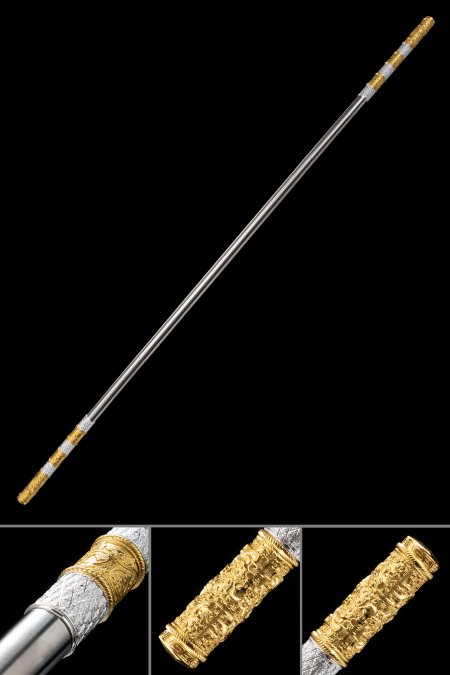
I ordered the Monkey King Ruyi Jingu Bang and it arrived earlier than expected Customer service was very responsive and kept me informed throughout. The quality is outstanding it feels solid and has a great weight to it, perfect for training absolutely love it highly recommend TrueKatana to anyone looking for a high quality weapon will definitely be ordering again!
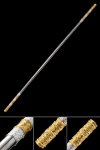
Monkey King Ruyi Jingu Bang - Stainless Steel Golden Cudgel From Journey to the West Monkey King Ruyi Jingu Bang - Stainless Steel Golden Cudgel From Journey to the West
Cart 0 Items

Your cart is empty