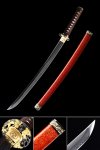
Dragon Saya Wakizashi

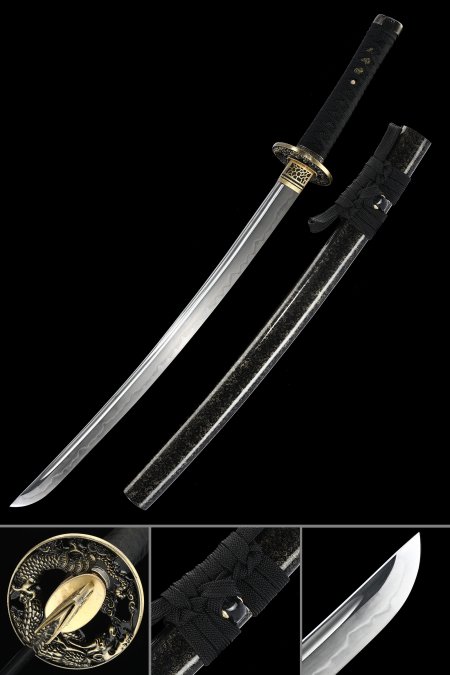
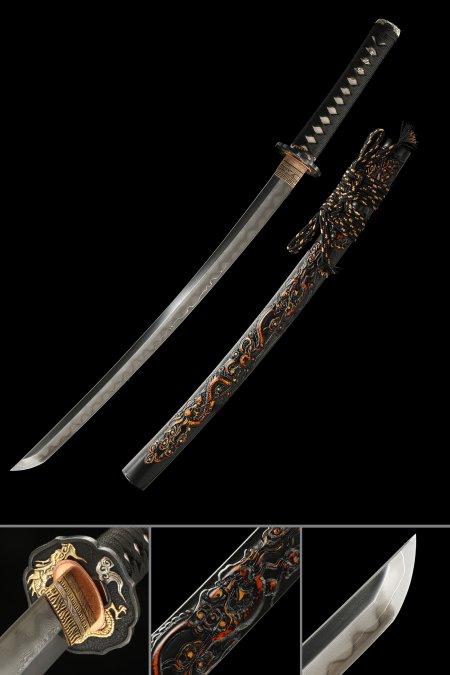
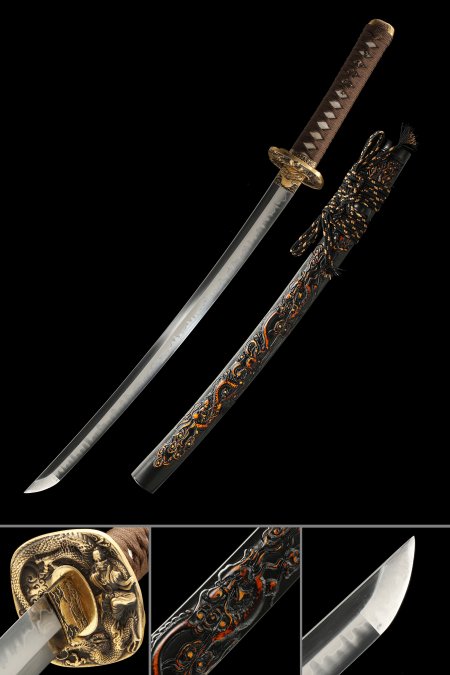
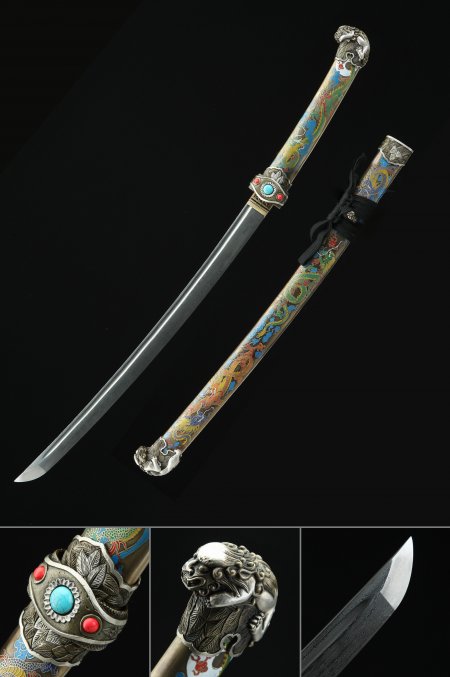
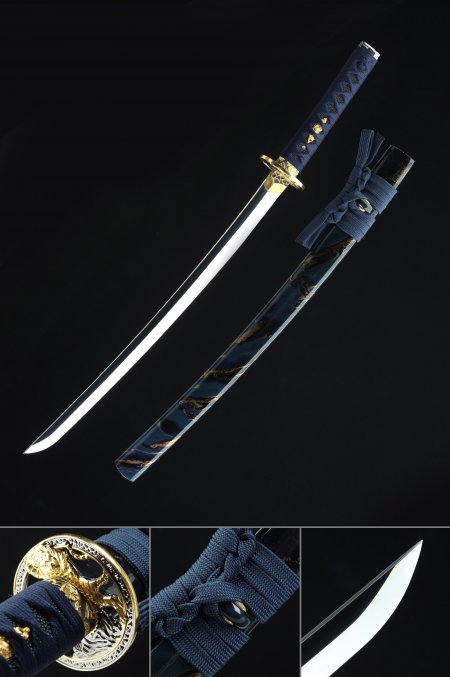
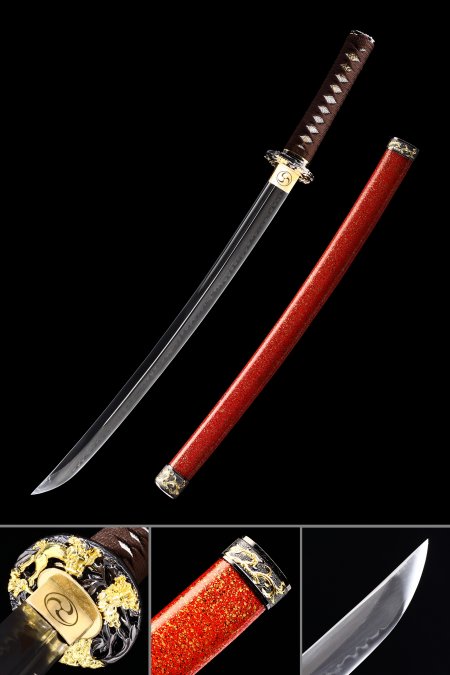
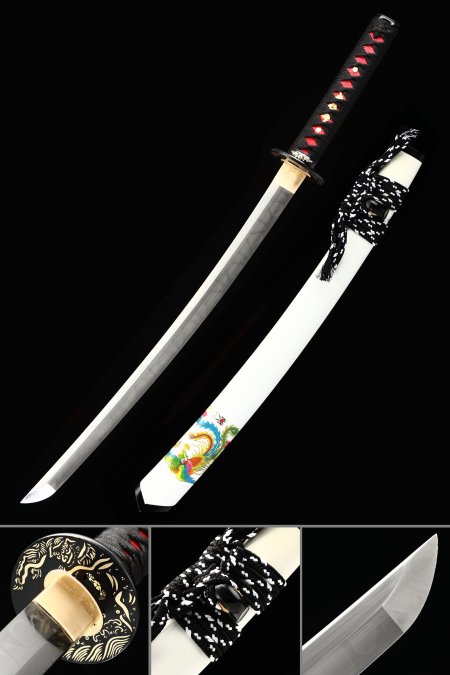
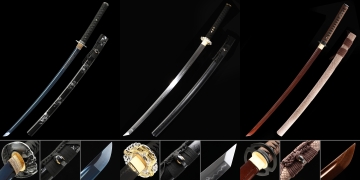
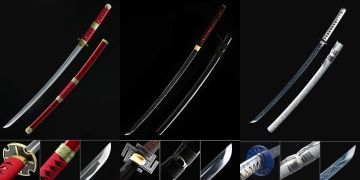
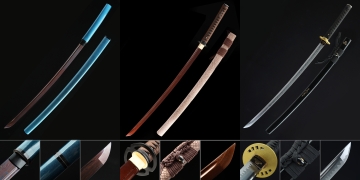
Dragon Saya Wakizashi blends the refined proportions of the traditional short sword with striking dragon-themed koshirae - lacquered saya with carved or relief dragon motifs, ornate tsuba, and richly wrapped tsuka that make each piece a genuine display centerpiece. Blades are hand-forged from T10 carbon steel or layered Damascus steel, many featuring a real clay-tempered hamon for authentic visual depth. Every piece ships free with hassle-free returns, so adding a statement collector's piece to your display has never been more straightforward.
Showing 9 Products

Frequently Asked Questions

What makes dragon saya different from standard lacquered scabbards?
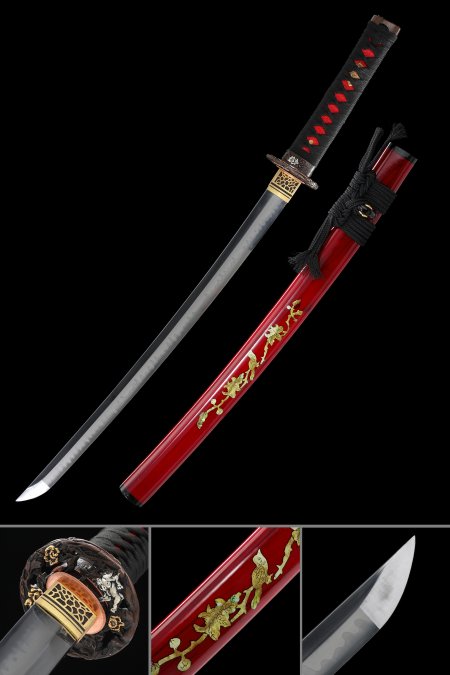
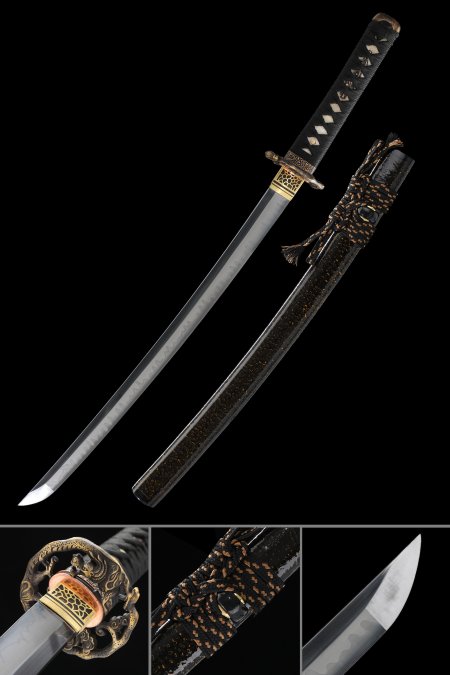
A standard lacquered saya is finished for durability and a clean appearance - typically a single color with minimal surface decoration. Dragon saya go significantly further: the lacquered hardwood shell incorporates hand-carved relief work, cast metal fittings, or deeply etched dragon imagery directly into the scabbard surface. The result is a saya that functions as a display object independent of the blade it houses. On the pieces in this collection, dragon motifs appear in raised or inlaid form along the length of the saya, with finish colors chosen to make the imagery pop - black saya with gold detailing, red lacquer with dark fittings, or contrasting black-and-orange combinations that give the scabbard a distinct visual identity.
What is the difference between T10 and Damascus steel in these wakizashi?
T10 is a high-carbon tool steel known for its ability to take and hold a clay-tempering process. When a T10 blade is clay-tempered, the differential cooling between the edge and spine creates a visible hamon - the organic, undulating temper line that runs along the cutting edge and is considered a mark of authentic craftsmanship in Japanese-style swords. Each hamon is unique to that specific blade. Damascus pattern steel, by contrast, is made by layering two or more steel types, forge-welding them together, and then acid-etching the surface to reveal the layered grain pattern. The result is a flowing, almost water-like visual texture across the entire blade face. Both are valid collector choices: T10 appeals to those who value the hamon tradition, while Damascus suits collectors drawn to surface pattern artistry.
How should I store and maintain a lacquered dragon saya?
Lacquered hardwood saya are sensitive to humidity extremes. Store the wakizashi horizontally or edge-up on a display stand in an environment between 40-60% relative humidity - too dry and the lacquer can crack, too moist and the wood may swell, making the blade difficult to draw smoothly. For the blade itself, apply a thin coat of blade oil (choji oil or a mineral equivalent) every two to three months, or more frequently in humid climates. Avoid touching the blade surface with bare hands, as skin oils accelerate oxidation on carbon steel. The saya interior should be kept free of grit; if debris enters, remove the blade, let both dry completely, and lightly dust the interior before re-housing.
Is a wakizashi a good display companion to a katana?
Yes - and historically this pairing was intentional. The daisho (literally 'big-small') consisted of a katana and wakizashi worn together, and matching or complementary koshirae between the two was a deliberate expression of the owner's taste and status. For display purposes, a dragon-themed wakizashi pairs particularly well with a katana that shares koshirae elements: similar tsuba motifs, matching ito wrap colors, or coordinating saya lacquer tones. The size contrast between the two blades - roughly 27-29 inches for a katana versus 19-24 inches for a wakizashi - creates visual hierarchy on a two-sword stand or wall mount that immediately reads as a cohesive collection rather than two unrelated pieces.
Are these wakizashi suitable as display gifts for sword collectors?
Dragon Saya Wakizashi make strong gifting choices for collectors precisely because they combine material specificity with visual impact. Unlike generic decorative swords, these pieces have clearly defined blade steel (T10 with real hamon, or Damascus with visible grain pattern), full-tang construction, and hand-assembled koshirae - details that an informed collector will immediately recognize and appreciate. The dragon theme is broadly appealing across Japanese and Chinese decorative traditions, making it a culturally resonant choice. For gifting, the combination of a dramatic lacquered saya and an ornate tsuba means the piece reads as impressive on first viewing, while the steel and construction quality provides lasting collector value beyond initial aesthetics.

Customer Reviews