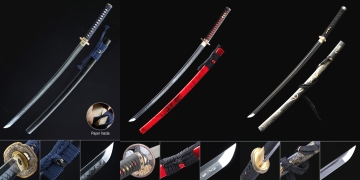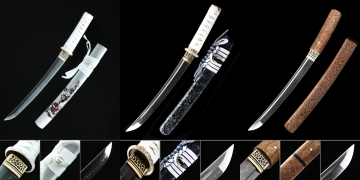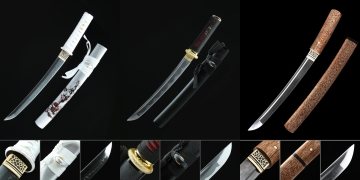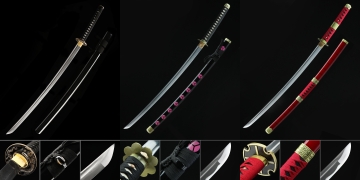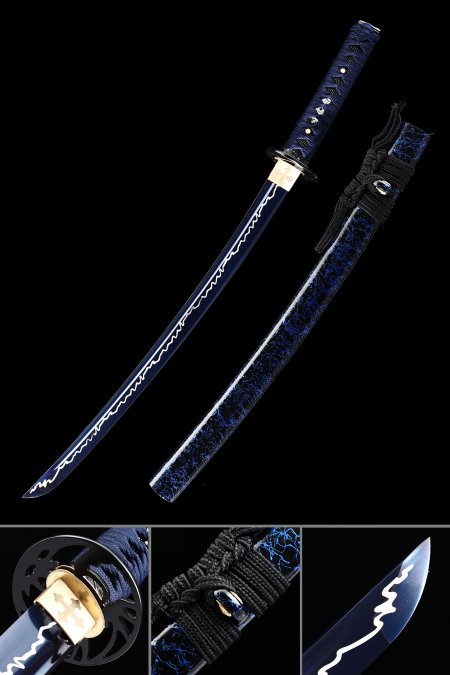
Lightning Saya Wakizashi

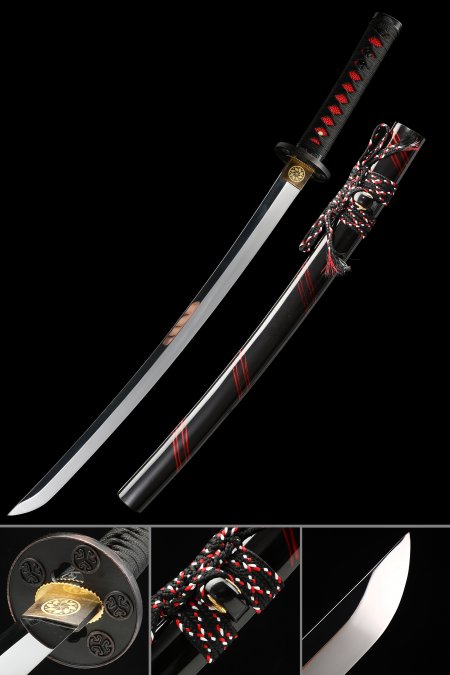
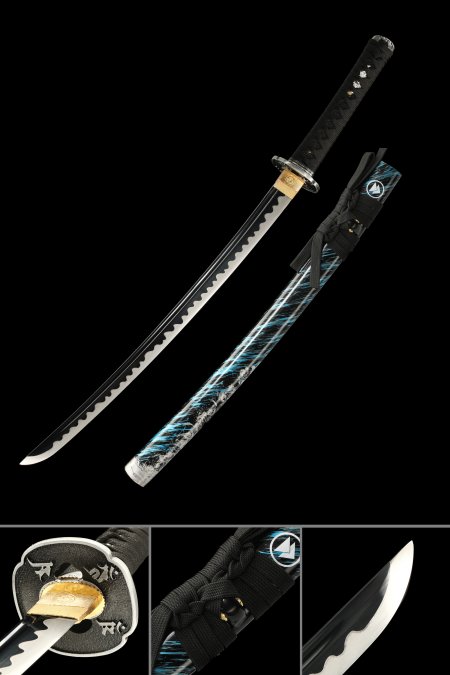
The Lightning Saya Wakizashi collection brings together hand-forged short blades dressed in boldly lacquered scabbards that trace electric, angular patterns across their surface - a visual language borrowed from classical Japanese lightning motifs. Each piece pairs considered metallurgy with striking decorative craft, making these wakizashi equally compelling mounted on a display stand or resting in a shadow box. Every order ships free with hassle-free returns, so adding to your collection carries zero risk.

Showing 3 Products

Frequently Asked Questions

What steel types are used in Lightning Saya Wakizashi?
The collection features two distinct steel types: high manganese steel and 1095 high-carbon steel. High manganese steel is prized for its hardness and scratch resistance, making it well suited for display pieces that are regularly handled and re-sheathed. 1095 carbon steel is a classic choice among collectors for its visible hamon - the temper line created during differential hardening - which produces a naturally flowing, irregular pattern along the blade's length. On these particular pieces, that organic hamon line echoes the angular lightning motifs lacquered onto the saya, creating a subtle visual dialogue between blade and scabbard that feels intentional rather than coincidental.
What makes the lightning saya pattern distinctive?
The term 'lightning saya' refers to a lacquered scabbard decorated with angular, bolt-like geometric patterns drawn from classical Japanese visual traditions - particularly the stylized representation of raijin (thunder) imagery found in Edo-period decorative arts. Unlike painted finishes, a quality lacquered saya builds its design through multiple applied layers that cure to a hard, durable surface with genuine depth. The contrast pairings used in this collection - black against teal, black against blue, or black as a ground for red accents - are chosen to maximize visual impact under both ambient gallery lighting and direct display spotlights. Up close, the edge definition of each lightning stripe reflects careful application craft that sets these pieces apart from mass-produced decorative swords.
How should I store and maintain a lacquered saya?
Lacquered scabbards are more sensitive to environmental conditions than the blades they house. Avoid storing them in direct sunlight, which can cause the lacquer surface to fade or crack over time. Humidity extremes are equally damaging - a relative humidity between 45% and 55% is the standard recommendation for Japanese lacquerware. When cleaning, use only a soft, dry cloth; abrasive materials and chemical cleaners will scratch or dissolve the lacquer finish. The blade itself should be lightly coated with a neutral oil - such as choji oil or mineral oil - before long-term storage, preventing surface oxidation without introducing moisture that could compromise the wooden saya interior.
Is a wakizashi a good choice for a first display sword?
The wakizashi format is an excellent entry point for new collectors for several practical reasons. Its shorter blade length - typically between 12 and 24 inches - fits more display environments than a full katana, including smaller wall mounts, tabletop stands, and enclosed shadow boxes. The proportionally compact scale also makes handling and positioning easier during installation. From an aesthetic standpoint, a bold saya design like the lightning lacquerwork in this collection gives a shorter blade significant visual presence, ensuring the piece reads well even against larger decorative elements in a room. For collectors who later want to expand, a wakizashi pairs naturally with a matching katana in a traditional daisho arrangement.
What does full-tang construction mean for a display wakizashi?
Full-tang construction means the steel of the blade extends continuously through the entire length of the handle, rather than terminating partway into the hilt. For display-grade collectibles, this is a key quality indicator because it ensures the handle assembly remains stable and structurally sound over decades of ownership - even with regular handling during display rotations or photography. A partial-tang handle relies on adhesives or pins alone to secure the blade, which can loosen with temperature and humidity fluctuations common in home display environments. Collectors who intend to pass pieces down or maintain them as long-term investments consistently prioritize full-tang construction as a baseline quality standard.

Customer Reviews