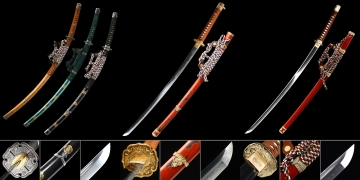
What makes ninjato different from a katana for display?
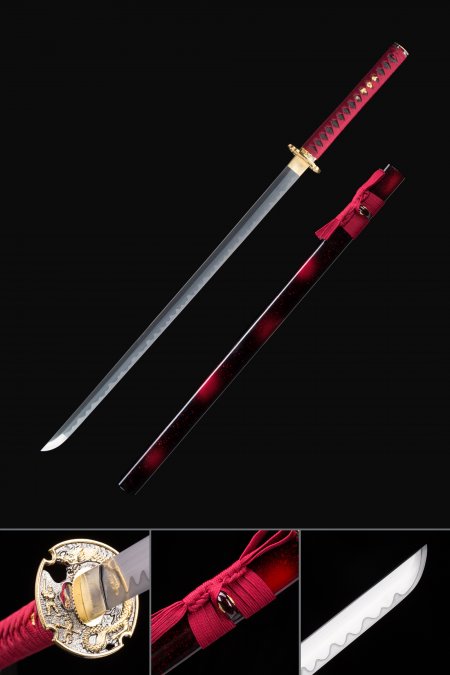
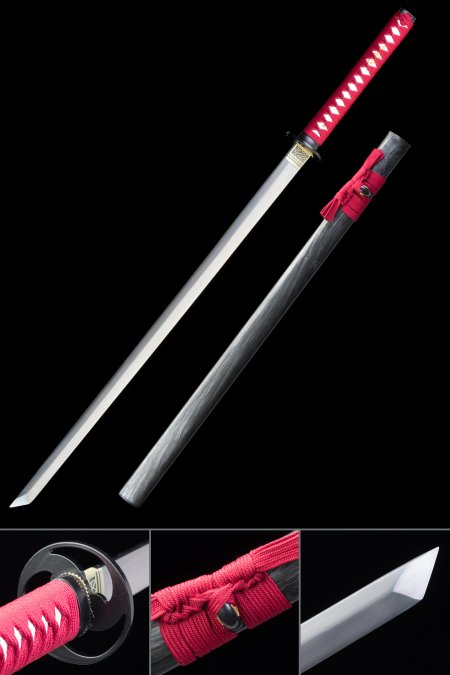
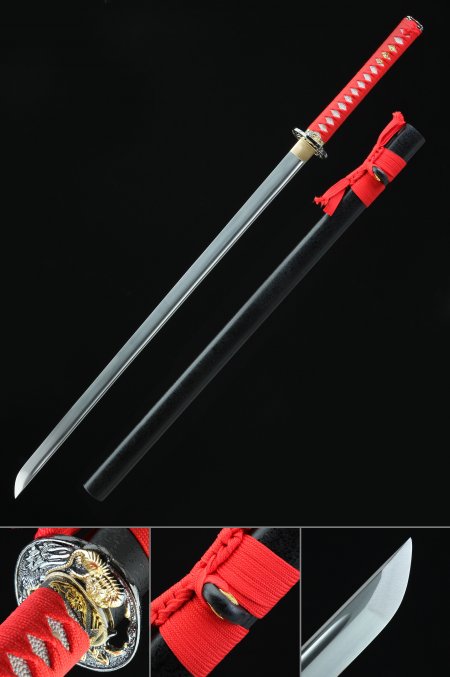
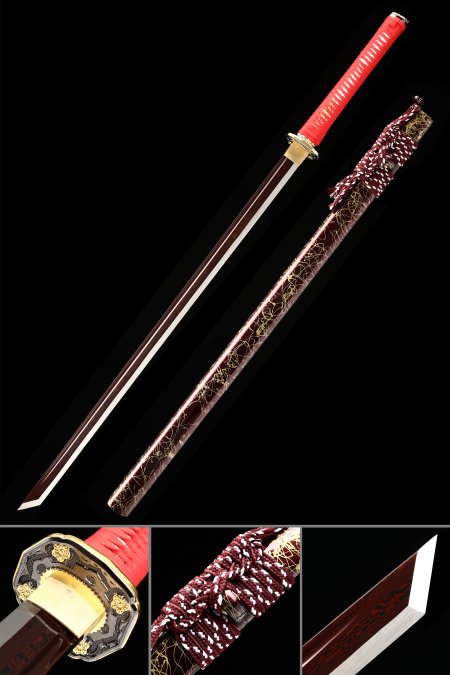
The most immediately visible difference is blade geometry. A katana features a pronounced curved blade optimized for draw-cut mechanics, while a ninjato is characterized by a straight or very slightly curved blade with a more squared-off tip (kissaki). For display purposes, this straight profile creates a distinctly different visual line on a wall mount or sword stand — more architectural and geometric compared to the katana's flowing arc. Ninjato are also generally shorter overall, which can make them better suited to compact display spaces or to collectors who prefer a more understated silhouette. The straight blade also tends to showcase hamon temper lines and Damascus surface patterns in a cleaner, uninterrupted visual sweep.
How is a Damascus steel ninjato blade actually made?
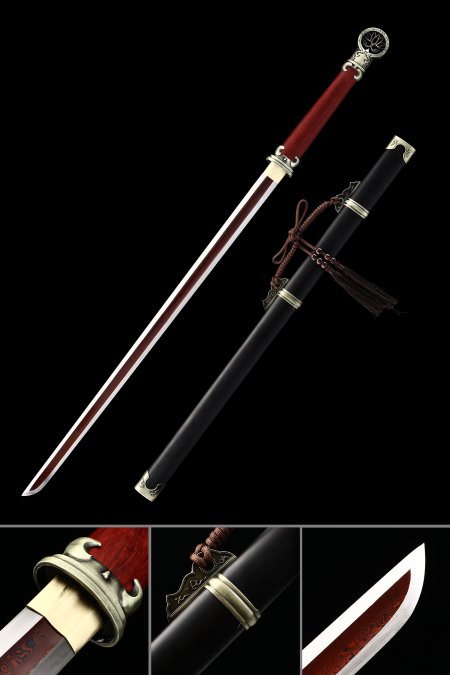
Damascus steel blades are produced by forge-welding two or more types of steel — typically a higher-carbon and lower-carbon variety — then repeatedly folding and drawing out the combined billet. Each folding cycle doubles the layer count, and after enough passes the steel develops a complex internal structure. When the finished blade is ground and acid-etched, the differential carbon content between layers reacts at different rates, revealing the characteristic flowing, watery grain pattern on the surface. Because this pattern forms organically during the forging process, no two Damascus blades are ever identical. For collectors, this means a Damascus ninjato is inherently a one-of-a-kind display piece, even within a standardized design.
Does red ito wrap require any special maintenance?
Red ito (handle cord) on a display ninjato is typically made from cotton, silk, or synthetic fiber wrapped over a ray skin (samegawa) base. For long-term display care, the main considerations are UV exposure and humidity. Prolonged direct sunlight will cause red dye to fade significantly over months or years, so positioning your display away from direct sun or using UV-filtering glass in a display case is advisable. High humidity can encourage mold growth in cord fibers and may eventually loosen the wrap tension. Storing or displaying in a stable, moderate-humidity environment (roughly 40–60% RH) keeps both the ito and the underlying samegawa in good condition. Light dusting with a soft cloth is all routine cleaning requires — avoid moisture or chemical cleaners on the handle.
What does a skull hamon pattern mean on a display sword?
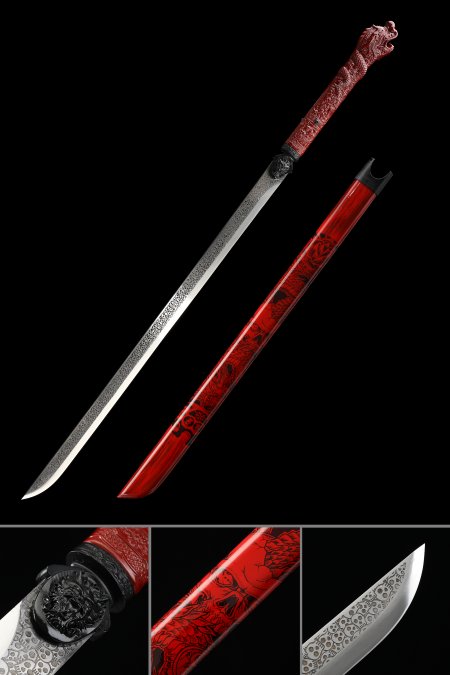
A hamon is the visible temper line that forms along the edge of a blade during the differential hardening process, where the edge is hardened more aggressively than the spine. In traditional construction, hamon patterns form naturally based on clay application and quench technique. On display swords, the hamon may be acid-etched or hand-polished to enhance visibility. A 'skull hamon' refers to a decorative variant where the undulating temper line is shaped and finished to suggest repeating skull motifs within the activity (the misty, complex texture just above the hamon line). It is a thematic design choice with no effect on the blade's structural properties, but it adds significant visual character that appeals to collectors drawn to gothic or darker Japanese aesthetic traditions.
Can a red handle ninjato be displayed with a matching katana set?
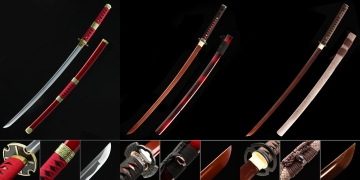
Absolutely — thematic color pairing is one of the most satisfying ways to build a cohesive display. A red handle ninjato mounted alongside a red handle katana creates a visually unified set that references the Japanese daisho tradition of carrying matched paired swords, adapted here into a display context with two different blade forms rather than the traditional katana-wakizashi pairing. When selecting pieces for a matched display, look for consistency in saya finish (both dark red lacquer, for example), coordinating tsuba style (both dragon motif, both bronze fittings), and similar ito wrap pattern. Small variations in shade or wrap style actually add visual interest rather than undermining the set, as long as the overall color language remains consistent across both pieces.